


Bosnia and Herzegovina stands as one of Europe’s most captivating yet underexplored destinations, offering visitors an extraordinary blend of cultural richness, natural beauty, and historical significance. Nestled in the heart of the Balkans, this nation presents an array of experiences that cater to diverse traveler preferences, from history enthusiasts to adrenaline seekers and nature lovers. The country’s unique position at the crossroads of Eastern and Western influences has created a distinctive cultural tapestry that sets it apart from more conventional European destinations.
Gateway Cities: Starting Your Balkan Adventure
Most journeys through Bosnia and Herzegovina begin in Sarajevo, the nation’s vibrant capital and cultural heart. This historic city serves as an ideal launching point for exploring the broader region, offering visitors immediate immersion into local culture, cuisine, and history. The capital presents a fascinating contrast between its Ottoman heritage and modern European character, making it an excellent introduction to the country’s complex identity.
From Sarajevo, travelers can easily access other major centers that serve as convenient bases for regional exploration. The city’s well-developed infrastructure and transportation networks make it simple to arrange day trips or multi-day excursions to surrounding attractions, whether by rental car, organized tours, or public transportation.
Architectural Treasures and Historical Sites
The Iconic Stari Most Bridge
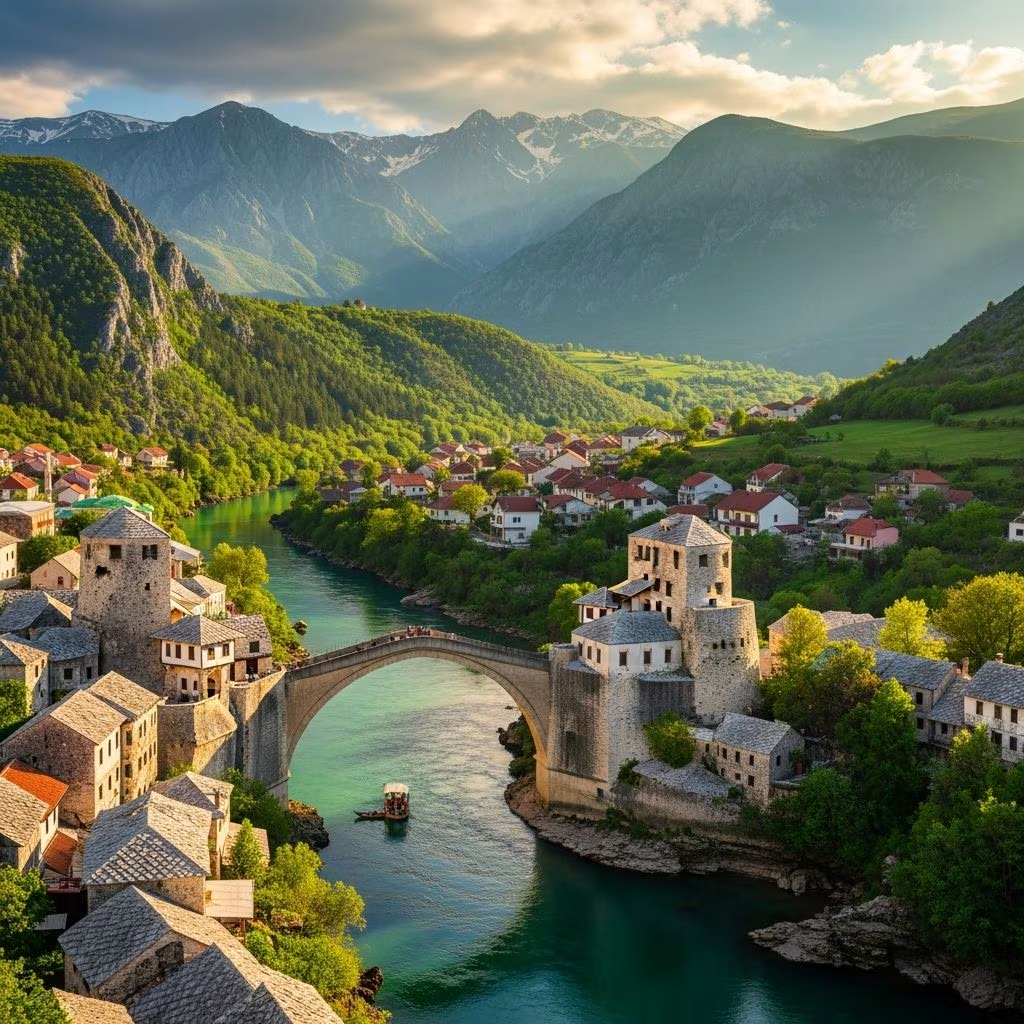
No visit to Bosnia and Herzegovina would be complete without experiencing Mostar’s legendary Old Bridge, known as Stari Most, which anchors the historic city of Mostar. This 16th-century structure represents one of the finest examples of Islamic architecture in the Balkans and earned recognition as a UNESCO World Heritage Site in 2005. The bridge’s elegant stone arch, spanning the emerald-green Neretva River, has become synonymous with the nation’s cultural identity and historical resilience.
Beyond the bridge itself, Mostar’s charming old town reveals narrow cobblestone streets lined with traditional shops, intimate cafes, and terracotta-colored houses. Visitors can climb to the minaret of Koskin-Mehmed Pasha’s Mosque for panoramic views that encompass the entire historic district. The surrounding bazaar area buzzes with authentic local atmosphere, offering opportunities to sample traditional cuisine and purchase handcrafted souvenirs. For the more adventurous, local tradition includes watching daredevils leap from the bridge into the river below—a sight that has captivated visitors for generations.
The Dervish Monastery at Blagaj
Located just a short distance from Mostar, the village of Blagaj showcases one of the region’s most photogenic natural and architectural combinations. Here, an ancient Dervish monastery built in 1520 sits dramatically embedded within a 200-meter-high cliff face, positioned precisely where the underground Buna River emerges into daylight for the first time. This remarkable setting creates an almost mystical atmosphere, with the monastery’s traditional Ottoman and Dervish architectural elements perfectly complemented by the natural spring and cascading waters below.
Visitors can venture inside the Dervish house to examine well-preserved Ottoman artifacts and gain deeper insight into the spiritual traditions that flourished here. The site has become particularly renowned among photographers seeking authentic cultural imagery, yet it retains its historical integrity and spiritual significance for those seeking meaningful cultural engagement.
Natural Wonders and Water Features
Kravica Waterfall
Among Bosnia and Herzegovina’s most celebrated natural attractions stands Kravica Waterfall, a spectacular cascade located near the Croatian border and easily accessible from Mostar. This breathtaking site features tufa formations through which the River Trebižat descends approximately 25 meters, creating dramatic visual displays that shift dramatically throughout the seasons.
During spring months, the waterfall reaches its most impressive flow, with torrential water plunging through the forest canopy. Summer and early autumn visitors can enjoy shallow swimming pools that form beneath the cascade, making it ideal for cooling off during warmer months. The surrounding amphitheater of limestone cliffs and lush vegetation provides a natural theater that has made this destination popular among both casual tourists and photography enthusiasts. Many travelers choose to extend their visit beyond a brief day trip, settling into accommodations nearby to enjoy dinner beside the waterfall and experience a sunrise swimming session the following morning.
Pliva Lakes and Historic Watermills
In the vicinity of Jajce, the scenic Pliva Lakes region presents an entirely different type of natural beauty characterized by serene water landscapes and unique cultural heritage. This picturesque area features the enchanting Bridge of Love and showcases an extraordinary complex of approximately 20 wooden water mills—known locally as Mlinovi—that represent a living connection to rural agricultural traditions.
These charming wooden structures, positioned above small waterfalls, offer visitors a glimpse into historical ways of life that sustained Balkan communities for centuries. A leisurely stroll through this mill complex provides both photographic opportunities and cultural education, allowing travelers to appreciate traditional engineering and environmental harmony that characterized pre-industrial life in the region.
Štrbački Buk and Additional Cascades
Within the broader context of Bosnia’s exceptional water features, Štrbački Buk represents one of the most photographed waterfall complexes in the country. This collection of spectacular cascades and falls attracts photographers specifically seeking the most dramatic vertical drops accessible to tourists. The site’s accessibility combined with its visual grandeur makes it a mandatory stop for those serious about capturing Bosnia’s natural splendor.
Adventure Activities for Thrill Seekers
Bosnia and Herzegovina has earned recognition as one of Europe’s premier destinations for adventure sports and outdoor activities. The combination of pristine rivers, challenging terrain, and well-established tourism infrastructure creates ideal conditions for various high-octane experiences.
White-Water Rafting and River Sports
White-water rafting down the incredibly clear and brilliant turquoise Neretva River ranks among the nation’s quintessential adventure activities. The river’s exceptional clarity and vibrant coloration create an unforgettable backdrop for this exhilarating sport. Multiple outfitters offer excursions ranging from gentle family-friendly paddles to challenging rapids suitable for experienced rafters.
Canyoning and Rock Climbing
Beyond rafting, the mountainous terrain supports canyoning expeditions that involve rappelling down waterfalls, traversing through narrow gorges, and swimming through natural pools. Rock climbing opportunities abound throughout the country, with both established climbing areas and routes suitable for beginners through advanced climbers. These activities connect adventure enthusiasts directly with Bosnia’s dramatic landscapes.
Subterranean Exploration and Cave Systems
Vjetrencia Caves
For visitors seeking underground adventures, Vjetrencia Caves represent Bosnia and Herzegovina’s largest cave system and one of the country’s most extraordinary natural attractions. Stretching over 7,000 meters into the rock face, though with approximately 2,000 meters open to public access, these caves showcase remarkable geological formations and unique ecological characteristics.
The cave system features distinctive chimney-like holes throughout that create natural micro-ecosystems and generate constant air circulation, resulting in perpetual breezes even during summer months. Particularly intriguing is the presence of unique wildlife, including the remarkable human fish—a peculiar aquatic creature with four legs that inhabits the cave waters. Many visitors combine their underground exploration with a visit to the nearby Zavala Monastery, arriving early to experience a memorable sunrise before descending into the cave depths. A boat journey directly into the cave adds another dimension to the experience, though visitors should be prepared for substantial tourist crowds during peak hours. Arriving early or visiting during shoulder seasons provides a more intimate experience.
War History and Cultural Heritage
Understanding Recent History
Bosnia and Herzegovina’s recent history, marked by conflict in the 1990s, has left physical and cultural imprints throughout the nation. The Sarajevo Tunnel of Hope provides poignant insight into survival strategies employed during the city’s siege. This underground passage, constructed to maintain connections with surrounding areas during military blockades, represents both human resilience and the devastating impact of modern warfare on civilian populations.
The Abandoned Olympic Legacy
Sarajevo’s abandoned Bobsleigh Track from the 1984 Winter Olympics stands as a striking symbol of how historical events can be transformed into unexpected tourist attractions. Originally constructed for international athletic competition, the site was later repurposed during the siege and today showcases elaborate graffiti art that reflects contemporary cultural expression. This juxtaposition of Olympic heritage, military history, and modern street art creates a unique destination that forces visitors to confront complex historical narratives.
Planning Your Visit
Seasonal Considerations
- Spring: Perfect for experiencing waterfalls at maximum flow and avoiding summer crowds
- Summer: Ideal for swimming and water-based activities, though expect larger tourist numbers
- Autumn: Offers pleasant temperatures and fewer visitors while maintaining good weather
- Winter: Lower tourist density and potential snow in mountain regions, though some attractions may have limited accessibility
Regional Travel Routes
A typical multi-day itinerary might begin in Sarajevo, allowing 2-3 days to explore the capital’s museums, markets, and historical sites. From there, an excursion to Mostar and surrounding attractions including Blagaj, Kravica, and nearby caves typically requires 2-3 additional days. Those interested in the Pliva Lakes and northern attractions should add another 2 days to their schedule. This framework allows visitors to customize experiences based on personal interests and available time.
Frequently Asked Questions
What is the best time to visit Bosnia and Herzegovina?
Spring and autumn offer ideal conditions with pleasant temperatures and manageable tourist crowds. Spring provides dramatic waterfall displays, while autumn delivers clear skies for hiking and sightseeing.
How should visitors navigate between major attractions?
Rental cars provide maximum flexibility for exploring multiple regions independently. Public transportation offers budget-friendly alternatives, though it requires more planning. Organized tours simplify logistics while providing local expertise.
What safety considerations should visitors keep in mind?
Bosnia and Herzegovina has experienced significant tourism growth with excellent safety records for visitors. As with any travel, basic precautions apply. Certain regions affected by war may require sensitivity when visiting historical sites.
Are accommodations reasonably priced?
The nation remains among Europe’s more affordable destinations, with a full range of options from budget hostels to luxury resorts. Small family-run establishments often provide excellent value and authentic local experiences.
References
- Things To Do in Bosnia and Herzegovina: Places To Visit and Top Attractions — Dan Flying Solo. Accessed April 2026. https://www.danflyingsolo.com/reasons-visit-bosnia-herzegovina/
- The BEST Bosnia and Herzegovina Tours and Things to Do in 2026 — GetYourGuide. Accessed April 2026. https://www.getyourguide.com/bosnia-and-herzegovina-l169073/
- 10 Best Places To Visit In Bosnia – Traveltomtom — Travel Tom Tom. Accessed April 2026. https://www.traveltomtom.net/destinations/europe/bosnia/best-places-to-visit-in-bosnia-on-a-road-trip
- 17 best places to visit in Bosnia and Herzegovina — My Wanderlust. Accessed April 2026. https://www.mywanderlust.pl/places-to-visit-in-bosnia-and-herzegovina/
- Top Things to Do in Bosnia and Herzegovina – Tripadvisor — Tripadvisor. Accessed April 2026. https://www.tripadvisor.com/Attractions-g294449-Activities-Bosnia_and_Herzegovina.html
- What To See in Bosnia & Herzegovina: 11 Places Not To Miss — YouTube. Accessed April 2026. https://www.youtube.com/watch?v=bdqvUzXdUwM
- 12 things to do in Sarajevo, Bosnia – the most underrated capital in Europe — Adventurous Miriam. Accessed April 2026. https://adventurousmiriam.com/things-to-do-in-sarajevo-bosnia/
- Bosnia-Herzegovina – Camerons Travels — Rick Steves Europe. Accessed April 2026. https://blog.ricksteves.com/cameron/category/bosnia-herzegovina

