

 Travel Essentials
 Travel Essentials

A comprehensive guide to Cyprus's top destinations, from coastal cliffs and turquoise lagoons to UNESCO heritage sites and mountain villages.
 Travel Essentials
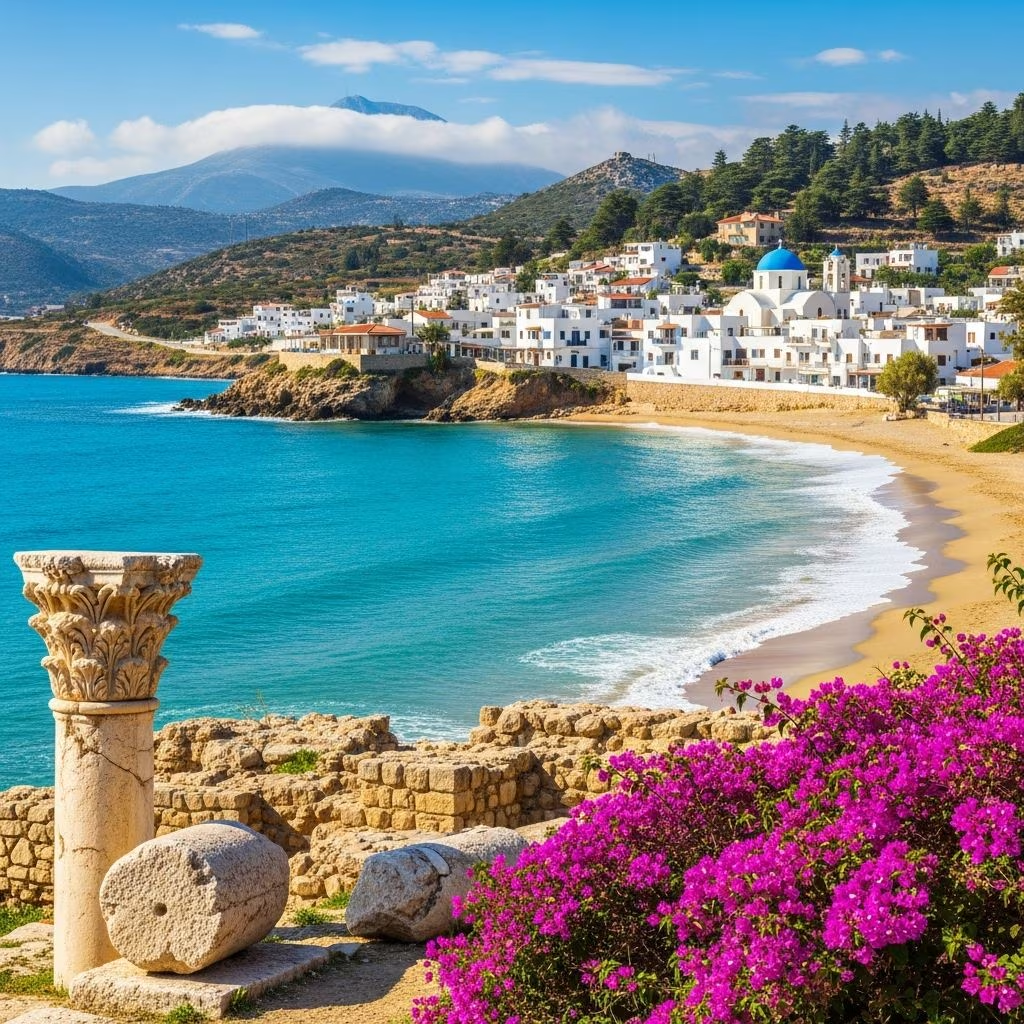
Cyprus, positioned at the crossroads of Europe, Asia, and Africa, offers visitors a remarkable blend of natural landscapes, ancient history, and Mediterranean charm. Whether you seek pristine beaches, archaeological treasures, or mountain adventures, the island delivers diverse experiences within relatively compact geography. This guide explores the most compelling destinations that showcase what makes Cyprus a distinctive travel choice.
The southeastern coast of Cyprus attracts visitors seeking both natural beauty and vibrant seaside energy. Ayia Napa serves as the hub for multiple beach experiences, each offering distinct characteristics and appeal.
The Blue Lagoon represents one of Cyprus’s most photographed natural features, particularly stunning when viewed from aerial perspectives. Positioned within the protected Akamas Peninsula National Park on the western coast, this cove features electric-blue waters framed by rugged limestone cliffs. The location attracts photography enthusiasts, water sports participants, and those seeking protected swimming environments away from rough seas. Visitors typically access the lagoon via boat tours or jeep safaris, making it an accessible adventure for varying fitness levels.
The Akamas Peninsula itself comprises approximately 230 square kilometers of protected Mediterranean wilderness. Beyond the Blue Lagoon, the peninsula offers pristine turtle beaches, hidden pebble coves, scattered traditional villages, and an off-grid atmosphere that contrasts sharply with developed resort areas. The reserve maintains an authentic Cypriot character, with natural beauty prioritized over commercial development.
The coastal cliffs surrounding Ayia Napa feature distinctive sea caves carved through millennia of wave erosion. These geological formations create dramatic landscape photography opportunities, particularly at locations where rock formations frame the cave openings. A natural rock “window” at one popular viewing spot creates a frame within a frame effect, attracting both casual photographers and professional media creators. Access remains free and requires minimal walking distance from designated parking areas.
Aphrodite’s Rock (Petra tou Romiou) represents Cyprus’s most mythologically significant coastal landmark. According to ancient Greek tradition, this location marks the birthplace of Aphrodite, the goddess emerging from sea foam. Despite the romantic mythology, the site functions primarily as a scenic viewpoint rather than a swimming destination, as sea conditions typically involve strong currents and rough waters. The sunset views transform the location into an especially atmospheric experience.
Cyprus’s strategic Mediterranean location generated successive waves of civilization, leaving layered archaeological sites spanning millennia.
Paphos Archaeological Site contains remnants of the island’s former capital, founded in the 4th century BCE. The location holds UNESCO World Heritage designation, recognizing its historical and cultural significance. The Roman Odeon represents the site’s best-preserved structure, demonstrating sophisticated acoustic engineering from the classical period. An accompanying lighthouse, still standing prominently, guided maritime traffic for centuries. A modest entrance fee provides access to extensive excavations and interpretive information about daily life during Roman occupation.
The Tombs of the Kings near Paphos Harbour comprises an extensive necropolis dating to the 4th century BCE. Despite its name referencing royalty, the site primarily served as a burial complex for high-ranking government officials and aristocratic families. The 2,400-year-old underground tombs demonstrate sophisticated construction techniques and provide archaeological evidence about Cypriot society during the Hellenistic period. Located just 2 kilometers north of Paphos Harbour, the site remains easily accessible for day visits, with minimal entrance fees supporting site maintenance.
Many visitors concentrate exclusively on coastal attractions, overlooking the substantial natural beauty and cultural richness of Cyprus’s interior regions.
The Troodos Mountains create a verdant interior landscape contrasting dramatically with coastal aridity. The mountain range supports traditional villages, Byzantine monasteries, and diverse hiking opportunities. The peaks offer cooler temperatures compared to sea-level coastal areas, making them attractive during summer months when beach regions become intensely hot. Visitors accessing the mountains discover a slower-paced Cypriot lifestyle, with traditional agricultural practices, local tavernas, and cultural preservation efforts concentrated in smaller communities.
Agios Ioannis Lampadistis Monastery, recognized by UNESCO, features Byzantine frescoes and remains an active religious site. The surrounding region includes natural sulphur springs and riverside hiking opportunities through the Setrachos Valley. The broader area combines spiritual and natural experiences within relatively accessible distance from the capital, Nicosia.
Avakas Gorge presents a moderate-difficulty hiking experience through terrain sculpted by river erosion over geological time. The scenic river valley demonstrates how water movement shapes Mediterranean landscapes, creating dramatic cliff formations and accessible water features. The Adonis Trail and Aphrodite Trail within the Akamas Peninsula offer alternative hiking routes through diverse terrain, each providing different perspectives on the island’s natural geography.
The Aphrodite Nature Trail originates near the Baths of Aphrodite restaurant, combining mythological association with substantial physical challenge. The trail encompasses approximately 460 meters of elevation gain across its full route, with options for shorter loop variations at intermediate junctions. Clear weather conditions enhance visibility of coastal and mountain views along the path. While not technically demanding, the terrain requires moderate hiking fitness and appropriate footwear.
Cyprus’s medieval history generated a legacy of fortified structures, many remaining substantially intact.
Multiple castle sites scattered throughout Cyprus demonstrate medieval military architecture adapted to Mediterranean contexts. Paphos Castle, Limassol Castle, and other southern fortifications were positioned to defend harbors and monitor maritime approaches. Kolossi Castle, located inland, served economic functions related to agricultural and trade administration. These structures provide windows into feudal military organization and the strategic importance of maritime control during pre-modern periods.
The northern region contains additional castles including Saint Hilarion, Kyrenia, and Buffavento castles, representing different architectural periods and strategic purposes. Clifftop positioning provided commanding views across surrounding territories. These sites remain accessible to visitors seeking to understand medieval Mediterranean military history.
Beyond archaeology and natural features, Cyprus offers contemporary cultural experiences integrating art, sculpture, and modern tourism infrastructure.
A sprawling sculpture park near Ayia Napa’s Lover’s Bridge displays international contemporary sculpture across open landscape. The Museum of Underwater Sculpture extends the artistic experience beneath the surface, allowing snorkelers and divers to encounter submerged installations in marine environments. This combination appeals to visitors seeking unconventional cultural experiences beyond traditional museums.
Most major destinations remain accessible without private vehicle ownership, though personal transportation provides significant advantages for exploring mountain regions, remote beaches, and coastal drives. Bus networks connect primary towns and tourist centers, though frequency may be limited on secondary routes. Rental vehicles, scooters, and guided tours offer alternative mobility options depending on comfort levels and trip duration.
Many outdoor attractions operate free of charge, including sea caves, beaches, and general hiking access. Archaeological sites typically charge modest entrance fees (€2.50–€4.50 range), supporting site maintenance and interpretive services. Accommodation ranges from budget hostels to luxury resorts, with mid-range options widely available across tourist regions.
Summer months (June–September) feature intense heat and crowded beaches, while spring (April–May) and autumn (September–October) offer moderate temperatures and smaller tourist crowds. Mountain regions provide temperature relief during peak summer heat. Winter months bring reduced rainfall compared to northern Europe, though some destinations become less accessible during severe weather.
Lara Bay functions as a protected beach designated for loggerhead turtle nesting, offering wildlife observation opportunities during breeding seasons. The Akamas Peninsula’s environmental protections maintain habitats for native species in natural settings. These areas appeal to visitors prioritizing environmental conservation and wildlife experiences over developed resort amenities.
Cape Greco’s elevated perspectives and Blue Lagoon’s distinctive coloration attract drone enthusiasts and professional photographers. Sunset photography opportunities exist at numerous coastal locations, particularly Aphrodite’s Rock and clifftop vantage points. Archaeological sites provide historically significant backdrops for documentary-style photography.
Effective Cyprus visits typically combine multiple experience categories: beach relaxation, archaeological exploration, mountain trekking, and cultural immersion. A balanced itinerary might dedicate coastal time to swimming and sea cave exploration, allocate mountain days to hiking and monastery visits, and reserve town time for archaeological sites and regional cuisine. Most major destinations cluster within 1–3 hours’ driving distance, facilitating multi-location visits within single trips.
| Region | Primary Attractions | Best For |
|---|---|---|
| Southwest Coast | Paphos, Tombs of Kings, Archaeological sites | History enthusiasts, cultural travelers |
| Southeast Coast | Ayia Napa, sea caves, sculpture park | Beach lovers, photographers, water sports |
| Western Peninsula | Blue Lagoon, Akamas, gorges | Nature explorers, hiking enthusiasts |
| Interior Mountains | Troodos peaks, monasteries, villages | Trekkers, cultural immersion seekers |
Cyprus rewards visitors willing to move beyond resort clusters and explore the island’s multifaceted character. From mythologically significant coastal formations to UNESCO-recognized archaeological complexity, from Mediterranean wilderness protection to contemporary art installations, the island provides experiences transcending typical beach vacation parameters. Strategic itinerary planning integrating coastal, mountain, cultural, and historical elements generates comprehensive Cypriot perspectives within limited time frames.
