

 Travel Essentials
 Travel Essentials

Explore the best places in Ghana, from bustling Accra to ancient slave castles, canopy walks, and wildlife reserves. Uncover culture, history, and nature.
 Travel Essentials
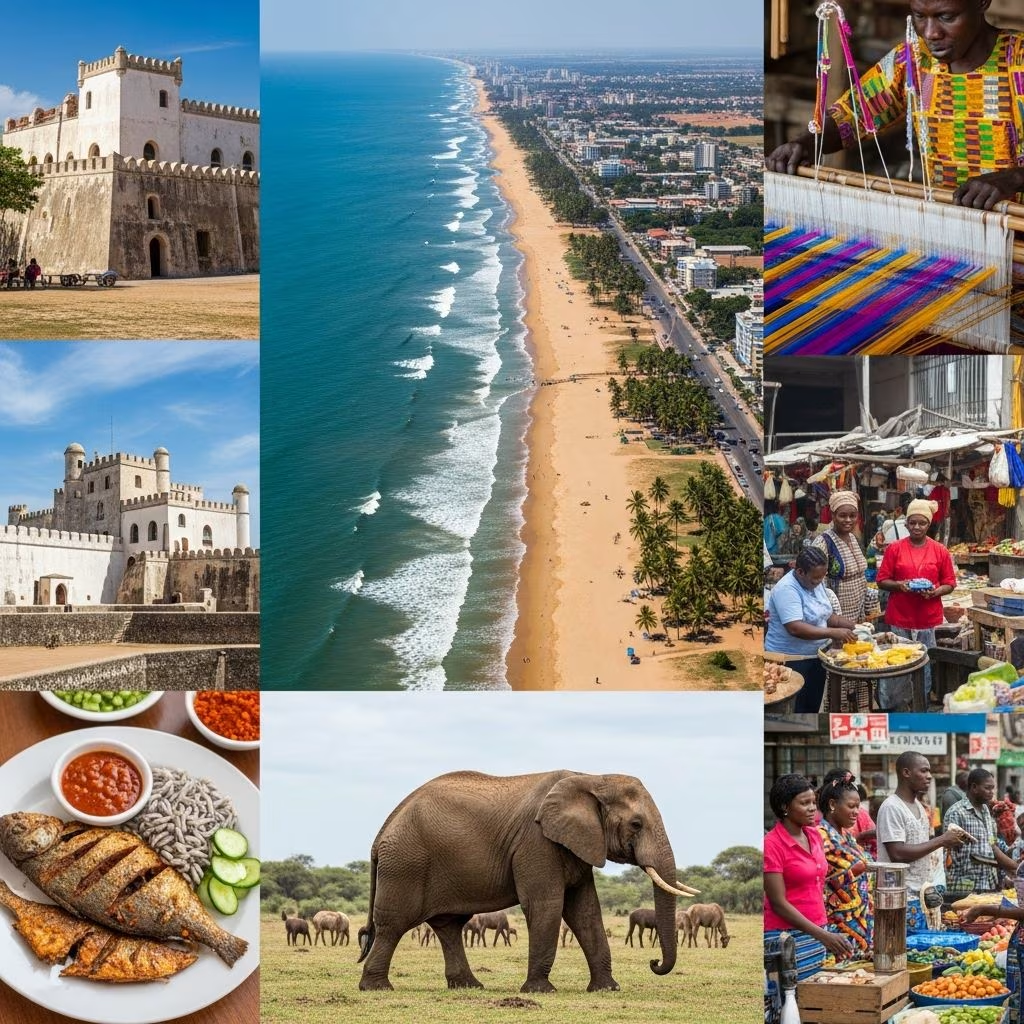
Ghana stands out as a premier travel destination in West Africa, blending colonial history, vibrant traditions, stunning natural landscapes, and welcoming communities. From the energetic capital of Accra to remote savannah reserves, this nation offers diverse experiences for every traveler. Whether seeking historical insights at slave forts, thrilling canopy walks in rainforests, or serene beach escapes, Ghana delivers memorable moments.
As Ghana’s bustling capital, Accra pulses with life, history, and contemporary culture. Start your exploration at the Kwame Nkrumah Memorial Park, honoring the nation’s first president and independence leader. The site features a mausoleum, museum, and artifacts showcasing Ghana’s path to freedom. Nearby, Independence Square symbolizes national pride with its grand Black Star Gate.
Dive into local life at Makola Market, a chaotic yet captivating hub for fabrics, spices, and street food. For art enthusiasts, the Accra Arts Centre offers workshops in kente weaving and bead-making. Beaches like Labadi provide relaxation with sunset horse rides and fresh seafood. Don’t miss Osu Castle, a former presidential seat with ties to colonial pasts, or the National Museum for ethnographic displays.
Ghana’s Gold Coast was central to the transatlantic slave trade, with forts like Cape Coast Castle and Elmina Castle serving as poignant reminders. Cape Coast Castle, a UNESCO World Heritage site, held up to 1,000 enslaved people at a time. Guided tours reveal the ‘Door of No Return,’ the final exit point for captives shipped to the Americas.
Elmina Castle, built in 1482 by the Portuguese, is Sub-Saharan Africa’s oldest European structure. Its whitewashed walls contrast with the grim dungeons below. These sites educate on a dark chapter while highlighting Ghana’s resilience and reconciliation efforts.
| Fort | Key Feature | Visitor Highlights |
|---|---|---|
| Cape Coast | UNESCO site | Door of No Return, cannons overlooking sea |
| Elmina | Oldest in Africa | Balconies for governors, slave quarters |
For nature lovers, Kakum National Park in the Central Region is unmissable. Famous for its canopy walkway—a series of swaying suspension bridges 30 meters above the forest floor—it offers bird’s-eye views of diverse flora and fauna. Spot monkeys, butterflies, and rare birds while hiking trails to nearby Han-survival waterfalls.
Combine with nearby Cape Coast for a full day of history and eco-adventure. Entry includes guides who explain biodiversity conservation efforts.
The Ashanti Region’s capital, Kumasi, dubbed the Garden City, immerses visitors in royal heritage. The Manhyia Palace Museum details the Asantehene’s lineage, with golden stools symbolizing power. Kejetia Market, one of Africa’s largest, buzzes with traders selling everything from yams to gold jewelry.
Visit Ashanti craft villages like Ahwiaa for pottery and Bonwire for kente cloth weaving demonstrations. The National Cultural Centre hosts festivals like Akwasidae, featuring drumming and chief processions.
In savannah expanses, Mole National Park spans 4,840 km², home to elephants, baboons, and antelopes. Day and night game drives from Larabanga or Mognori reveal over 300 bird species. Eco-villages offer cultural homestays with Lobi communities.
Combine with nearby Boabeng-Fiema Monkey Sanctuary for colobus and green monkey sightings in harmony with locals.
The eastern Volta Region boasts Wli Waterfalls, West Africa’s tallest at 80 meters, known as Agoomatsa (‘Allow Me to Flow’). Hike through Ewe farmlands to the upper and lower pools for refreshing swims. Nearby, Tafi Atome Monkey Sanctuary protects sacred monkeys.
Mount Afadja offers panoramic views, while Lake Volta, the world’s largest artificial lake, invites boating and fishing. Amedzofe, Ghana’s highest village, provides cool climate retreats.
Nestled in an ancient meteor crater, Lake Bosomtwe is a 10km-wide sacred site for Ashanti people, believed to house ancestral spirits. No fishing or motors allowed—canoe across to villages like Amankwakrom for palm wine and storytelling. Swim in clear waters or hike crater rims.
The Western Region’s Axim and Busua beaches offer golden sands and Nzema culture. Kayak coasts, visit Fort San Antonio, or relax at eco-lodges. Cape Three Points Lighthouse marks the ‘end of the world’ vibe, with nearby Nzulezu stilt village built over a lake.
Ankasa Reserve shelters rare primates amid primary rainforest.
Craft a 10-14 day trip: Days 1-3 Accra; 4-5 Cape Coast/Elmina/Kakum; 6-8 Kumasi/Ashanti villages/Lake Bosomtwe; 9-10 Volta; 11-14 Mole or Western beaches. Fly into Accra’s Kotoka Airport; domestic flights or buses connect regions.
Dry season (December-April) ideal for beaches and parks; rainy season (May-October) lush but roads muddier.
Generally yes, especially in tourist areas. Use registered taxis, avoid night walks in cities.
Join festivals, homestays, craft workshops; try fufu, jollof rice, banku.
Mole National Park for elephants; Kakum for monkeys and birds.
Yes, Western Region beaches near Axim forts and Cape Coast.
Ghana’s cedi is currency; ATMs widespread in cities. Bargain politely at markets. English is official, but Twi, Ga, Ewe common—learn basics. Mobile data cheap for navigation. Support community tourism via eco-lodges and guides. Respect customs: greet elders first, dress modestly at palaces.
