

 Travel Essentials
 Travel Essentials

Uncover Idaho's best-kept secrets, from dramatic canyons and pristine lakes to charming mountain towns and world-class natural attractions.
 Travel Essentials
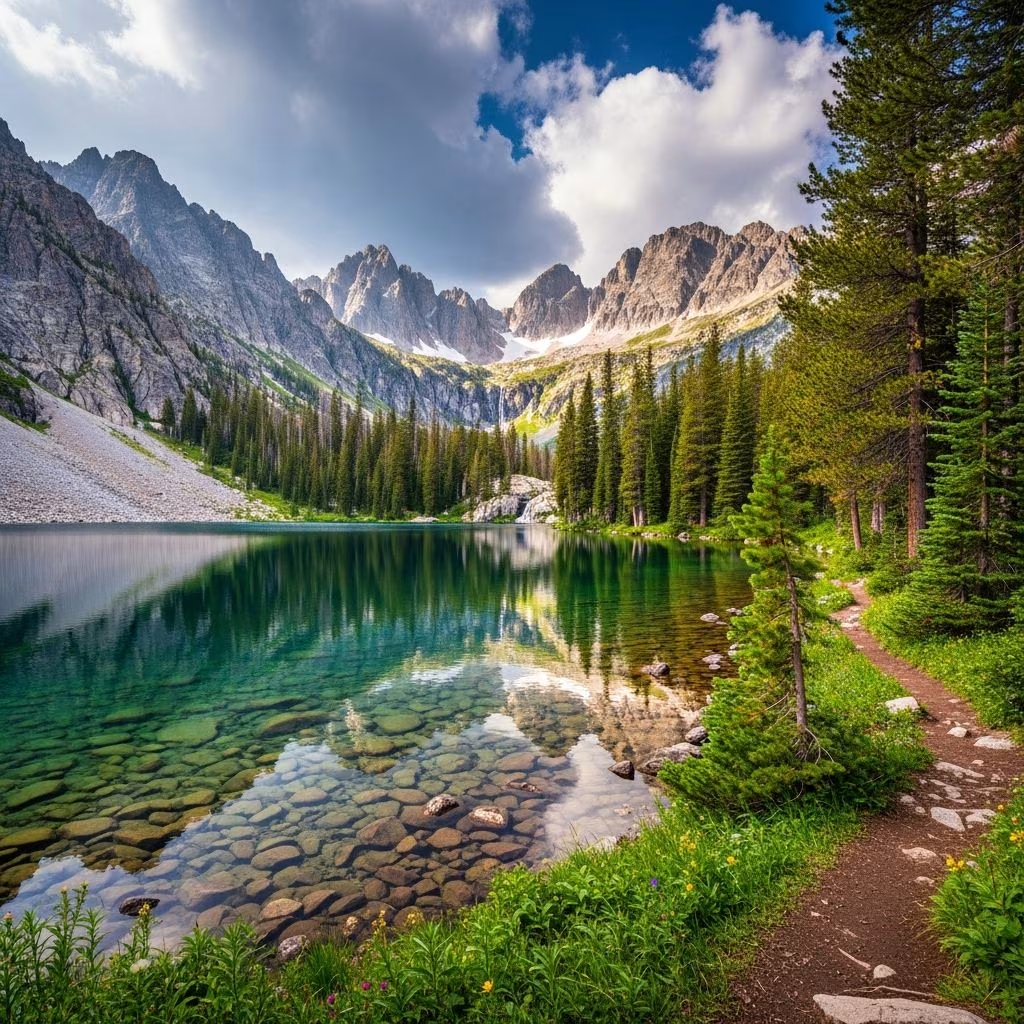
Idaho, often overlooked in favor of more famous western destinations, offers an extraordinary collection of natural landscapes, outdoor adventures, and charming communities. From towering waterfalls that rival those of neighboring states to pristine alpine lakes surrounded by dramatic mountain ranges, the Gem State provides diverse experiences for every type of traveler. Whether you seek adrenaline-pumping activities, peaceful retreats, or cultural exploration, Idaho’s varied geography and rich heritage create unforgettable journeys.
The northern region of Idaho showcases some of the state’s most striking mountain terrain and pristine water bodies. This area has become increasingly popular among travelers seeking both adventure and tranquility in well-preserved natural settings.
Stretching across 25 miles of northern Idaho landscape, Lake Coeur d’Alene represents one of the state’s most picturesque water destinations. The lake’s striking blue waters, framed by sandy beaches, dense forests, and towering mountain peaks, create an idyllic backdrop for multiple recreational pursuits. Visitors can experience this destination through various activities including boating, swimming, hiking the surrounding trails, or simply enjoying peaceful moments along the shoreline. The surrounding communities provide restaurants, lodging, and cultural attractions that enhance the overall experience. The lake strikes a remarkable balance between maintaining its natural serenity and offering contemporary amenities for modern travelers.
Stanley and McCall represent quintessential Idaho mountain communities that attract visitors throughout the year. Stanley, nestled in the heart of central Idaho’s high country, serves as a gateway to alpine adventures and provides access to numerous hiking trails, fishing opportunities, and scenic drives. McCall, situated on the shores of Payette Lake, offers a more developed mountain resort experience with galleries, restaurants, and shops while maintaining its small-town charm. Both communities serve as excellent base camps for exploring the surrounding wilderness areas and serve as starting points for excursions to natural hot springs and mountain passes.
Located approximately one hour from Stanley, Kirkham Hot Springs represents a unique bathing experience where natural thermal pools sit directly beside the South Fork of the Payette River. The setting features towering pine trees, mountain backdrops, and the soothing accompaniment of nearby waterfalls. This destination exemplifies Idaho’s ability to combine multiple natural attractions within close proximity, allowing visitors to maximize their experiences during mountain region stays.
Southern Idaho contains some of the state’s most remarkable geological formations and most powerful waterfall displays. This region features landscapes shaped by ancient geological processes that continue to capture the imagination of visitors.
Known throughout the region as the “Niagara of the West,” Shoshone Falls stands as one of Idaho’s most iconic natural attractions. Towering at 212 feet—exceeding Niagara Falls by 45 feet—this magnificent waterfall represents a must-see destination for anyone exploring the Gem State. The falls reach their most impressive flow during spring months when snowmelt from surrounding mountain ranges increases water volume. Visitors can view the falls from multiple vantage points, including visitor areas that provide different perspectives of this powerful natural phenomenon. The surrounding Snake River Canyon offers additional hiking trails and scenic viewpoints that extend the visitor experience beyond the falls themselves.
The Twin Falls area presents a comprehensive destination combining natural beauty with developed infrastructure. Carved by the powerful Snake River, this region encompasses scenic views, multiple waterfall formations, and extensive trail systems that accommodate various skill levels. The area attracts outdoor enthusiasts year-round, with spring and early summer offering optimal conditions for hiking and water activities. The community surrounding these natural features has developed visitor amenities without significantly compromising the area’s natural character. Perrine Coulee Falls, situated within Twin Falls proper, offers another hidden gem that showcases the raw beauty characteristic of Idaho’s water features.
This unique geological area features dramatic volcanic formations and otherworldly landscapes unlike anywhere else in the state. The monument encompasses vast lava fields, cinder cones, and caves created by ancient volcanic activity. Visitors exploring this destination encounter landscapes that resemble extraterrestrial terrain, offering photography opportunities and an educational experience regarding geological processes. The area provides hiking trails, camping facilities, and visitor centers that help travelers understand the complex geological history represented in the landscape.
Eastern Idaho provides access to the larger Yellowstone ecosystem while maintaining its distinct character and attractions. This region bridges the state’s mountain wilderness with the geothermal wonders of the greater Yellowstone area.
Yellowstone National Park, though primarily located in Wyoming, extends into eastern Idaho across Fremont County. The Idaho sections of this approximately 2.2-million-acre national park provide visitor access to geothermal features, wildlife viewing opportunities, and scenic drives. The park’s Idaho entrance communities offer lodging, dining, and services that support visitor exploration of this world-renowned destination. Travelers can access geysers, hot springs, and wildlife viewing areas through various routes that traverse Idaho terrain.
Central Idaho combines mountain scenery with river valleys and offers a mix of developed and remote wilderness experiences. This region provides excellent opportunities for those seeking less crowded alternatives to major tourist destinations.
Stretching 50 miles through southern Idaho with depths reaching 500 feet in some areas, Snake River Canyon represents one of the state’s most dramatic geographical features. The canyon’s steep walls reveal geological history spanning millions of years. Visitors can experience the canyon through various means including river rafting expeditions, scenic drives along canyon rims, or walking trails that provide different perspectives of this powerful geological formation. The Snake River itself supports recreational activities and provides a focal point for understanding how water shapes landscapes over geological time periods.
Boise, Idaho’s capital and largest city, provides cultural attractions alongside natural recreation opportunities. The city features serene Snake River views, abundant green parks, and charming downtown areas lined with historic brick buildings and quaint storefronts. The Japanese Friendship Garden offers cultural experiences and peaceful garden settings. The Museum of Idaho and Art Museum of Eastern Idaho provide indoor attractions for visitors exploring cultural dimensions of the state. The downtown River Walk provides pathways for walking, biking, and enjoying waterfront views. E-bike rentals allow visitors to explore the city and surrounding areas while maintaining an active recreation focus.
Many Idaho natural areas charge modest entrance or day-use fees, though the America the Beautiful pass provides access to numerous locations. Hot springs and state parks typically charge small day-use fees or offer annual passes for frequent visitors. National Park access requires separate entrance fees. Communities throughout the state offer free attractions and events, particularly during summer months.
Idaho’s diverse elevations and climate zones support hiking throughout multiple seasons. Northern Idaho’s lush forests provide verdant valleys, towering trees, and secret waterfall discoveries. Central and southern mountain ranges offer alpine hiking with expansive views, while canyon-bottom trails follow scenic river corridors. Trail difficulty ranges from gentle family-friendly walks to challenging backcountry expeditions.
Lakes, rivers, and waterfalls dominate Idaho’s water recreation opportunities. Swimming, boating, fishing, and paddling activities occupy numerous destinations throughout the state. Whitewater rafting on river sections provides thrilling experiences for adventure seekers. Hot spring soaking combines wellness benefits with natural beauty in numerous locations.
Boise’s museums, galleries, and historic temples provide cultural engagement opportunities. Small towns throughout the state feature unique local perspectives, regional restaurants, and artisan communities. Historic sites related to pioneer heritage and mining history add educational dimensions to travel experiences.
Summer offers the most reliable weather and fullest range of activities, though late spring and early fall provide fewer crowds and equally pleasant conditions. Waterfalls peak during spring months from snowmelt, while fall foliage peaks in September and October.
A comprehensive Idaho experience requires at least 7-10 days to explore multiple regions. However, shorter trips focusing on specific areas like northern lakes or southern waterfalls can be meaningful within 3-5 days.
Most major destinations are accessible via highways and well-maintained secondary roads. High mountain passes may close seasonally due to snow. Scenic drives themselves represent attractions throughout the state.
Accommodations range from luxury resort properties to rustic cabins, established campgrounds, and budget-friendly motels. Mountain communities offer varied options, while remote areas may require advance planning for availability.
Idaho’s diverse destinations reward flexible travel planning that allows for both structured activities and spontaneous exploration. The state’s varied geography means visitors can experience mountain wilderness, geological wonders, pristine waters, and cultural attractions within a single trip. Whether traveling solo, with families, or in groups, Idaho provides memorable experiences that rival more famous western destinations while maintaining a less crowded, more authentic travel atmosphere.
The combination of natural attractions, outdoor recreation opportunities, and charming communities makes Idaho an ideal destination for travelers seeking authentic western experiences. From dramatic waterfalls and alpine lakes to mountain towns and geothermal features, the Gem State delivers diverse experiences that create lasting travel memories.
