

 Travel Essentials
 Travel Essentials

Explore Indonesia's diverse attractions including volcanic hikes, UNESCO temples, wildlife encounters, and cultural heritage sites across this magnificent archipelago.
 Travel Essentials
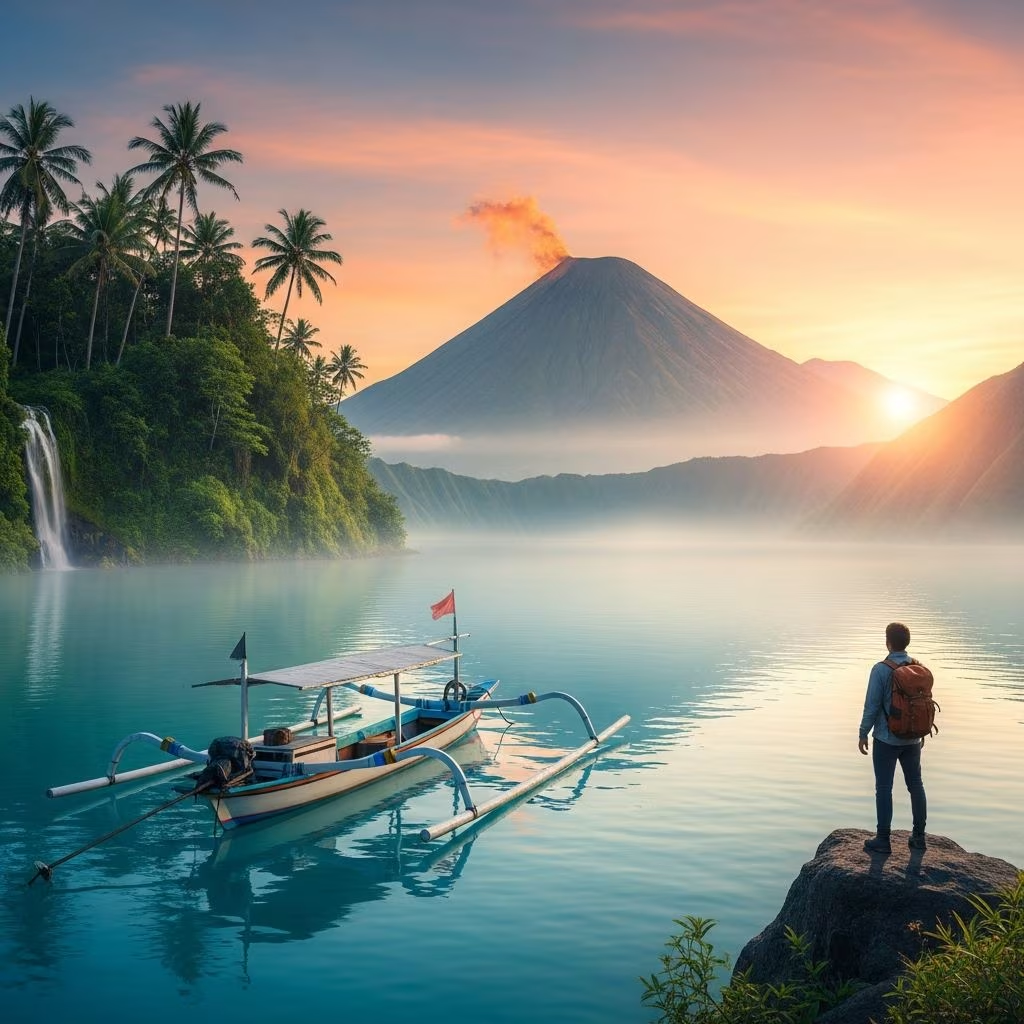
Indonesia stands as one of the world’s most remarkable travel destinations, offering an extraordinary blend of natural wonders, cultural treasures, and thrilling adventures. Spanning across thousands of islands, this Southeast Asian nation presents visitors with diverse experiences that range from trekking through misty volcanic landscapes to exploring centuries-old spiritual monuments. Whether you’re an intrepid adventurer, cultural enthusiast, or nature lover, Indonesia provides countless opportunities for transformative travel experiences.
One of the planet’s most extraordinary wildlife encounters awaits in the eastern reaches of Indonesia. Komodo National Park stands as a UNESCO-protected sanctuary where visitors can engage in guided treks among the world’s largest living lizards. The park encompasses multiple islands, with certain locations proving more densely populated with these apex predators than others. Experienced guides lead visitors safely through dramatic landscapes where these prehistoric-looking creatures roam freely.
The park represents more than just a single-species destination. It functions as part of Indonesia’s exceptional biodiversity, ranking second globally only to the Amazon rainforest in terms of natural diversity. Visitors can combine multiple wildlife experiences within the region, potentially observing both large reptiles and endangered primates during a single extended tour.
Indonesia contains approximately one-third of the world’s active volcanoes, with Java alone serving as home to numerous dramatic peaks. These geological features create an unmistakable landscape where volcanic mountains seem to emerge from nearly every horizon. The variety of volcanic experiences ranges from straightforward day hikes to challenging multi-day expeditions.
Mount Batur offers one of the most accessible volcanic climbing experiences in Bali, typically completed as a day excursion that allows travelers to return to their accommodations by early afternoon. The trek is best undertaken in pre-dawn darkness to reach the summit by sunrise, when views across the volcanic landscape prove most spectacular. Some routes even pass areas populated by local monkeys, adding wildlife elements to the ascent.
For those seeking greater challenges, Mount Agung presents a more demanding climb, while Mount Rinjani in Lombok and Mount Dukono in Maluku offer serious mountaineering adventures. The most visited volcanic destination remains Mount Bromo in East Java, standing at 2,329 meters and known for its otherworldly landscapes and dramatic sunrise views. Visitors experience surreal vistas across volcanic sand seas and surrounding peaks, including the towering Mount Semeru.
For those with limited mobility or seeking gentler experiences, Tangkuban Prahu near Bandung city provides vehicle accessibility, allowing visitors to explore volcanic features without strenuous hiking. Regardless of the mountain chosen, climbing active volcanoes requires professional guidance from experienced operators who understand current volcanic conditions and safety protocols.
Indonesia’s volcanic geology creates stunning crater lakes and geothermal features that attract visitors seeking unique natural phenomena. Lake Toba in northern Sumatra holds the distinction of being the world’s largest crater lake, formed by a massive super-volcano eruption approximately 75,000 years ago. This immense body of freshwater water encompasses numerous islands, including Pulau Samosir, which holds its own Guinness World Record as the largest freshwater island situated within an island.
Beyond its impressive geological credentials, Lake Toba offers diverse activities and cultural experiences. Travelers can relax on scenic shores, explore nearby adventures including the Sipiso Piso waterfall and Mount Sibiyak, or trek across Samosir Island where they may discover a small lake nested within the larger lake on the island—creating a remarkable geographical phenomenon of nested water bodies.
Other remarkable crater lakes include Kawah Ijen in East Java, famous for its ghostly blue rivers formed by burning sulfur deposits, Kawah Putih in West Java, and the three lakes of Mount Kelimutu in Flores. Additional volcanic lakes include Paisu Pok Lake in Banggai Sulawesi and Labuan Cermin in Kalimantan, each featuring distinctive coloring and geological characteristics.
Indonesia’s abundant rainfall and mountainous terrain create numerous spectacular waterfalls. Ponot Waterfall in North Sumatra ranks among the archipelago’s tallest, featuring three distinct tiers and reaching heights exceeding 250 meters (820 feet). Located near Lake Toba, this natural wonder provides refreshing swimming opportunities and dramatic photography locations.
Water-based activities extend beyond waterfall viewing. Snorkeling and diving attract enthusiasts to Indonesia’s coral-rich waters, revealing vibrant marine ecosystems and underwater landscapes. Different regions offer varying underwater experiences, from shallow reef exploration suitable for beginners to deep-water diving for experienced underwater adventurers.
Borobudur Temple in Central Java represents one of the world’s most significant archaeological sites and UNESCO World Heritage locations. This ancient Buddhist temple complex, constructed over 1,200 years ago, ranks among the largest and most mysterious Buddhist temple ruins ever built. The monument encompasses elaborate architecture and intricate stone carvings that reflect centuries of craftsmanship.
To fully appreciate Borobudur’s majesty, visitors should arrange accommodation nearby to enable pre-dawn arrival. Climbing to the upper terrace—known as the Sea of Immortality—before sunrise creates a spiritually powerful experience as morning light gradually illuminates the surrounding Javanese volcanic landscape. The journey through the temple’s multiple levels offers insights into Buddhist philosophy and artistic achievement.
Beyond Borobudur, Indonesia contains numerous other temples reflecting Hindu, Buddhist, and syncretic traditions. These sacred structures serve as windows into the archipelago’s rich spiritual heritage and artistic traditions.
Travel beyond tourist centers reveals Indonesia’s authentic indigenous communities and traditional ways of life. Tana Toraja in South Sulawesi’s highlands represents a particularly distinctive cultural destination, known for unique indigenous traditions and elaborate funeral ceremonies that reflect the region’s worldview and social structures.
Visitors to Tana Toraja encounter traditional Tongkonan houses featuring distinctive boat-shaped roofs and elaborate architectural details. Terraced rice fields adorn the mountainous landscapes, creating visually striking patterns while supporting local agriculture. Cultural tourism activities enable respectful engagement with local communities, providing deeper understanding of Torajan traditions and contemporary life.
The Batak highlands surrounding Lake Toba offer another culturally rich destination. The welcoming Batak people maintain distinctive traditions and offer visitors opportunities to rent traditional houses and explore local hot springs. With permission and local guides, visitors can climb Gunung Pusuk Buhit, a sacred mountain holding spiritual significance for Batak communities.
Yogyakarta, affectionately known as Jogja, functions as Java’s cultural epicenter, preserving artistic and intellectual traditions through institutions, performances, and educational activities. The city’s Kraton (Sultan’s Palace) provides insights into royal heritage and contemporary sultanate governance. Traditional shadow puppet performances offer exposure to classical theatrical arts, while batik workshops and culinary tours enable hands-on engagement with local artistic practices.
These immersive experiences allow visitors to develop genuine understanding of Javanese culture beyond surface-level tourism, fostering appreciation for traditional knowledge systems and artistic expressions passed through generations.
Indonesia’s rainforests and protected areas harbor remarkable primate populations. Tanjung Puting National Park enables visitors to navigate misty river systems while observing orangutans, gibbons, and long-tailed macaques in natural habitats. These guided river journeys emphasize slow-paced, mindful wildlife observation rather than rushed encounters.
Sumatra’s forests support majestic Asian elephants alongside various monkey species, while Indonesian Borneo’s Tangui orangutan release center combines primate rehabilitation with opportunities to observe colorful birdlife and unique butterfly species. These wildlife experiences connect visitors with conservation efforts and provide insights into endangered species protection.
Indonesia’s extensive coastlines offer diverse beach experiences. Kelingking Beach on Nusa Penida features dramatic cliff formations and pristine sands, while Broken Beach showcases natural rock formations creating visually stunning seascapes. Crystal Bay attracts diving enthusiasts, while Angel’s Billabong offers tidal pool experiences.
The eastern Nusa Penida coast includes Diamond Beach, Suwehan Beach, and Atuh Beach, each offering distinct characteristics. Padar Island in Komodo provides iconic viewpoint photography, featuring dramatic cliff formations and turquoise waters. These beaches appeal to various travelers—from surfers seeking challenging waves to relaxation-focused visitors preferring peaceful shoreline settings.
Beyond beaches and mountains, Indonesia offers numerous landmark sites valued by photographers and nature enthusiasts. Kelingking Cliff on Nusa Penida Island presents dramatic vertical formations with unique erosion patterns. Teletubby Hills creates whimsical landscape formations resembling the famous television series’ setting. Pura Goa Giri Putri Cave combines natural cave formations with spiritual significance, featuring both geological and cultural interest.
Prambanan Temple represents one of Indonesia’s most impressive architectural landmarks, featuring elaborate spire structures and intricate stone detailing. These landmark sites offer combinations of natural beauty, cultural significance, and photographic opportunities.
| Region | Primary Attractions | Best Activities |
|---|---|---|
| Java | Mount Bromo, Borobudur, Mount Merapi | Volcano trekking, temple exploration |
| Bali | Mount Batur, Rice terraces, Temples | Sunrise hikes, cultural tourism |
| Sumatra | Lake Toba, Waterfalls, Rainforests | Island exploration, wildlife viewing |
| Komodo Region | Komodo National Park, Coastal beaches | Dragon trekking, diving, snorkeling |
| Sulawesi | Tana Toraja, Cultural sites | Cultural immersion, mountain trekking |
Indonesia experiences tropical weather year-round. The dry season (May to September) generally offers the most favorable conditions for outdoor activities and volcano climbing, as volcanic peaks remain more accessible and weather conditions prove more stable.
Climbing active volcanoes requires professional guidance from experienced tour operators who monitor volcanic conditions. Responsible operators maintain current safety protocols and understand geological risks, making guided climbs significantly safer than independent attempts.
Many attractions accommodate families, though difficulty levels vary. Families with older children can enjoy dragon trekking with appropriate guidance. Beach visits, temple exploration, and some waterfall hikes suit families with varying ages, while challenging volcano climbs are better suited for older children and adults.
Given Indonesia’s vast size and numerous attractions, spending one to two weeks allows exploration of 2-3 regions. More extended trips enable deeper cultural immersion and comprehensive experience of diverse destinations across the archipelago.
Pack lightweight, moisture-wicking clothing for tropical climates, sturdy hiking boots for volcano and mountain trekking, sun protection, and waterproof gear for rainy seasons. Consider respectful clothing when visiting temples and cultural sites.
Indonesia’s remarkable diversity ensures visitors can customize their experiences to match personal interests and physical capabilities. Whether witnessing prehistoric reptiles in protected wilderness, ascending volcanic peaks for sunrise views, exploring ancient spiritual monuments, or engaging with indigenous communities, Indonesia offers transformative travel experiences. The archipelago’s combination of dramatic natural landscapes, rich cultural heritage, and warm hospitality creates opportunities for meaningful connections and unforgettable adventures that resonate long after returning home.
