

 Travel Essentials
 Travel Essentials

Explore Italy's premier spring regions from Mediterranean coastlines to Alpine lakes, with practical tips for weather, activities, and regional highlights.
 Travel Essentials
Spring transforms Italy into a landscape of blooming gardens, reopened attractions, and pleasant weather that invites exploration. This season bridges the quieter winter months and the intense summer tourism, offering travelers an ideal combination of favorable conditions and manageable crowds. Understanding which regions shine during spring and what activities define each destination helps visitors craft meaningful experiences across the Italian peninsula.
Italian spring weather varies significantly by region and elevation. Northern regions experience cooler temperatures ranging from 50-60°F (10-15°C) in March, gradually warming to 60-70°F (15-21°C) by May. Southern regions and coastal areas begin warmer, with temperatures starting around 55-65°F (13-18°C) in early spring and reaching 70-75°F (21-24°C) by late May. Rainfall occurs more frequently in northern and central areas during March and April, while southern regions typically enjoy increasingly dry conditions.
This variable weather pattern creates distinct seasonal windows for different activities. Wine regions come alive as vineyards prepare for the growing season, thermal springs attract visitors seeking warmth on cooler days, and hiking trails become accessible as snow melts at higher elevations. Understanding these regional differences allows travelers to select destinations matching both their preferred weather and desired activities.
Piedmont combines culinary excellence with wine culture and thermal wellness experiences. The region’s reputation stems from its world-class hazelnuts, truffles, and chocolate traditions. Towns including Alba, Asti, and Turin serve as cultural anchors where visitors can explore museums, wander historic markets, and sample local specialties.
Spring in Piedmont offers several compelling attractions:
The region’s lakes provide tranquil escapes from busier destinations, while the wine-tasting circuit offers educational and sensory experiences as vineyards begin their annual cycles. The combination of cultural activities, gastronomic traditions, and natural landscapes makes Piedmont an underrated spring destination for travelers seeking experiences beyond Italy’s most famous cities.
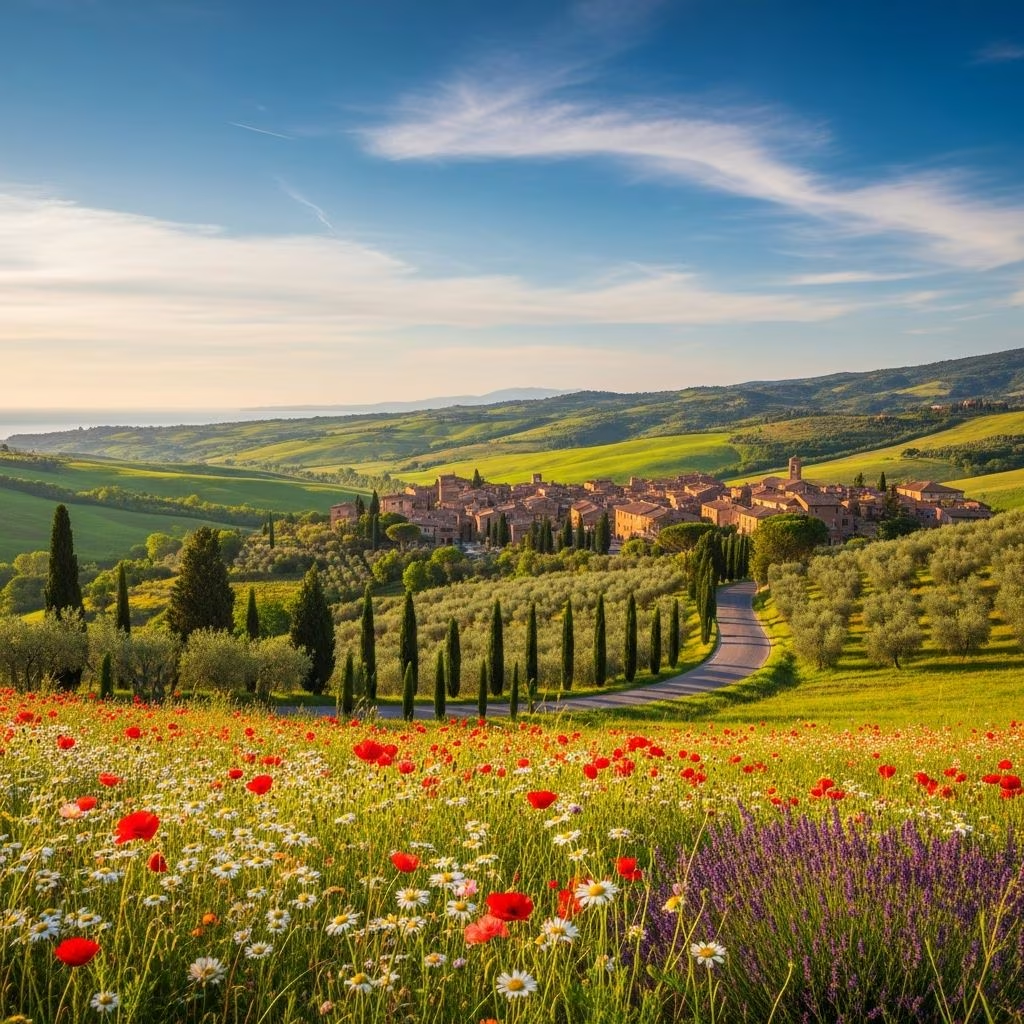
Tuscany represents the quintessential image of Italian countryside beauty. Spring climate in this region enables outdoor activities impossible during summer’s intensity or winter’s constraints. The gentle temperatures encourage exploration without the exhaustion that accompanies summer heat.
Spring activities throughout Tuscany include:
Towns like San Gimignano with its signature medieval towers, Monteriggioni’s fortress-like charm, and Siena’s vibrant piazzas showcase Tuscan cultural richness. These destinations benefit from spring’s moderate temperatures and lower visitor volumes compared to summer months. Agricultural tourism flourishes as farms and vineyards resume guest activities, offering authentic experiences within rural Tuscan landscapes.
Puglia’s spring season reveals the region’s distinctive character through architectural wonders and natural beauty. The countryside showcases endless olive groves under clear skies, providing dramatic backdrops to exploration.
Puglia’s primary attractions during spring include:
The region’s mild spring temperatures make walking through historic town centers and exploring coastal areas particularly enjoyable. Unlike summer, when heat limits outdoor activities to early mornings and evenings, spring enables full-day exploration. The season also precedes summer’s peak tourism, allowing more intimate experiences within these culturally rich communities.
Late spring, particularly May and June, transforms the Amalfi Coast into an ideal destination. Warm temperatures without oppressive heat create comfortable exploration conditions. Towns including Positano, Amalfi, and Ravello display spectacular floral displays with honeysuckle and other flowering plants perfuming the coastal air.
The region offers diverse experiences for different travel styles:
The region’s combination of historical significance, culinary excellence, and natural beauty creates multifaceted appeal. Spring weather enables comfortable activity levels without the July-August crowds and heat that can overwhelm summer visitors. The landscape’s inherent beauty combines with seasonal flowering to create particularly photogenic conditions.
Sicily’s spring season coincides with ideal conditions for experiencing the island’s layered history and diverse landscapes. Major cities including Catania, Palermo, and Siracusa showcase architectural grandeur spanning Greek, Roman, Arab, and Norman periods.
Seasonal activities throughout Sicily feature:
Mid-spring provides optimal conditions for hiking Mount Etna, avoiding winter snow and summer heat extremes. The historical sites scattered throughout Sicily benefit from spring’s pleasant exploration conditions, enabling visitors to fully appreciate architectural and archaeological significance without weather-related constraints.
Lake Como and Lake Maggiore undergo dramatic transformations during spring as botanical gardens and natural landscapes awaken from winter dormancy. Villa Carlotta’s gardens at Lake Como enter their spectacular blooming phase in late April, with ancient camellias and rhododendrons creating natural artistic displays.
Lake region spring experiences include:
These destinations attract visitors seeking natural beauty combined with refined cultural experiences. The mountain setting provides cooler temperatures ideal for active exploration while flowering gardens create visual richness characterizing the season.
Major cities including Rome, Florence, Venice, and Milan each offer distinct spring experiences shaped by their unique characteristics and seasonal transformations.
Rome showcases historic sites and piazzas under mild springtime conditions. The Pantheon, Trevi Fountain, and Piazza di Spagna become more comfortable to visit as crowds remain manageable compared to summer. Trastevere’s historic neighborhood offers authentic Roman atmosphere through cobbled streets and neighborhood taverns.
Venice during spring offers magical experiences as morning light reflects off water and longer days extend exploration hours. The Dorsoduro district with its galleries and waterfront promenades (Zattere) provides artistic immersion. Lagoon excursions to Murano and Burano showcase traditional artisanal crafts and picturesque village scenery.
Florence benefits from spring conditions enabling comfortable outdoor exploration. The Ponte Vecchio offers stunning views during golden hour, artisan jewelry shops line the bridge, and street musicians contribute to the atmospheric environment. The surrounding Tuscany countryside enhances the urban experience.
Milan transforms during spring as green spaces including Parco Sempione regain prominence. The Castello Sforzesco and Porta Nuova district showcase architectural diversity from medieval to contemporary design, representing the city’s cultural complexity.
| Region | Temperature Range | Rainfall Likelihood | Primary Activities |
|---|---|---|---|
| Northern Lakes | 50-65°F (10-18°C) | Moderate | Garden tours, boat excursions |
| Piedmont | 50-65°F (10-18°C) | Moderate-High | Wine tasting, thermal baths |
| Tuscany | 55-68°F (13-20°C) | Moderate | Hiking, biking, cultural exploration |
| Amalfi Coast | 60-72°F (15-22°C) | Low | Food tours, coastal walks |
| Sicily | 62-75°F (17-24°C) | Low | Archaeological sites, hiking, beaches |
| Puglia | 60-72°F (15-22°C) | Low | Architectural exploration, countryside |
Packing strategies should account for regional variation. Northern regions benefit from layered clothing accommodating cooler mornings and potentially rainy days. Southern regions allow lighter clothing with sun protection. Waterproof jackets prove useful across all regions, particularly in northern and central areas.
Booking accommodations in advance remains advisable despite spring’s lower peak-season crowds. Popular destinations and wine regions often fill as travelers seek spring getaways. However, prices remain notably lower than summer rates while availability remains better than winter holidays.
Different activities reach optimal conditions at different spring periods. Early spring (March-early April) suits cool-weather activities like wine-tasting tours in Piedmont and cultural exploration in urban centers. Mid-spring (mid-April-early May) enables hiking and outdoor activities across all regions as weather stabilizes. Late spring (mid-May-June) provides ideal conditions for coastal exploration, lake activities, and beach time as temperatures warm considerably.
Agricultural tourism and farm activities resume between April and May as vineyards and farms reopen to guests. Cooking classes, vineyard tours, and driving tours throughout wine regions become available during this window. Planning accordingly allows travelers to align activities with seasonal availability and optimal conditions.
What is the best week to visit Italy in spring? Late April through May offers optimal weather across most regions, balancing mild temperatures with manageable crowds and full activity availability. However, specific timing depends on desired destinations and activities.
Should I expect rain during spring travel? Northern and central regions experience moderate rainfall, particularly March and April. Southern regions remain drier. Waterproof jackets and flexibility in planning accommodate weather variability.
Are spring prices significantly lower than summer? Yes. Spring rates typically run 30-40% lower than peak summer rates while still maintaining good availability and mostly pleasant weather conditions.
Is spring suitable for beach activities? Water temperatures remain cool for swimming, but late spring (May-June) enables comfortable sunbathing and coastal exploration. Full beach swimming remains more comfortable in summer.
Which regions have the most reliable spring weather? Southern regions including Sicily and Puglia experience more consistent dry conditions. Northern regions should anticipate variable weather with occasional rain.
