

 Travel Essentials
 Travel Essentials

Explore Java's diverse attractions from Mount Bromo's sunrise views and Borobudur Temple to Ijen Crater's blue flames and Tumpak Sewu Waterfall for an unforgettable adventure.
 Travel Essentials
Java, Indonesia’s densely populated yet remarkably diverse island, captivates travelers with its blend of towering volcanoes, ancient temple complexes, thundering waterfalls, and lively urban centers. Home to over 150 million people, this third-largest island offers everything from adrenaline-pumping hikes to serene cultural immersions. Whether you’re chasing sunrise over smoldering craters or wandering through UNESCO-listed ruins, Java promises adventures that linger long after your trip ends.
The island’s dramatic landscape, shaped by volcanic activity, features some of Southeast Asia’s most iconic natural sites. Active volcanoes dominate the horizon, drawing adventurers eager for hikes and ethereal views.
Mount Bromo stands as one of Java’s crown jewels, an active volcano within the Tengger Caldera offering breathtaking sunrise panoramas. Rising 2,329 meters, its smoking crater contrasts sharply with the vast sea of sand surrounding it. Visitors typically start pre-dawn treks from nearby villages like Cemoro Lawang, ascending by jeep across lunar-like terrain before a short hike to the viewpoint. The sight of the sun cresting over Bromo and neighboring Mount Batok is mesmerizing, often shrouded in mist for added drama.
Best visited from Malang or Probolinggo, a Bromo tour includes horseback rides through the caldera (though walking is equally rewarding). Early mornings in the dry season (May to October) yield clearest skies. Combine with a Madakaripura Waterfall side trip for a full-day immersion. Accommodations range from basic guesthouses to eco-lodges with caldera views.
Kawah Ijen, in East Java, mesmerizes with its rare blue fire phenomenon caused by sulfuric gases igniting at over 600°C. This acidic crater lake, the world’s largest, spans turquoise waters amid steep walls. Night hikes from Paltuding base camp (starting around 1 AM) lead to the flames, visible only before dawn. Sulfur miners carry heavy loads down treacherous paths, adding a human element to the spectacle.
Daytime reveals the crater’s vivid colors and steam vents. Access from Banyuwangi via ferry from Bali. Wear sturdy boots and gas masks (provided on tours) due to fumes. Post-hike, relax in hot springs or explore nearby coffee plantations. Peak season aligns with dry months for safer trails.
Tumpak Sewu, meaning “thousand flows,” cascades over a horseshoe cliff like a curtain of white lace, one of Indonesia’s tallest at 120 meters. Tucked in Lumajang Regency, its misty base invites swims in natural pools. Reach via a steep bamboo staircase or boat along the river for upstream views resembling a hidden door.
Ideal as a day trip from Malang, combine with a Bromo itinerary. Monsoon rains (November to April) amplify the flow but make paths slippery. Local guides enhance safety and share legends of the falls’ formation.
Java’s heritage shines through monumental temples and vibrant cities, remnants of powerful ancient kingdoms.
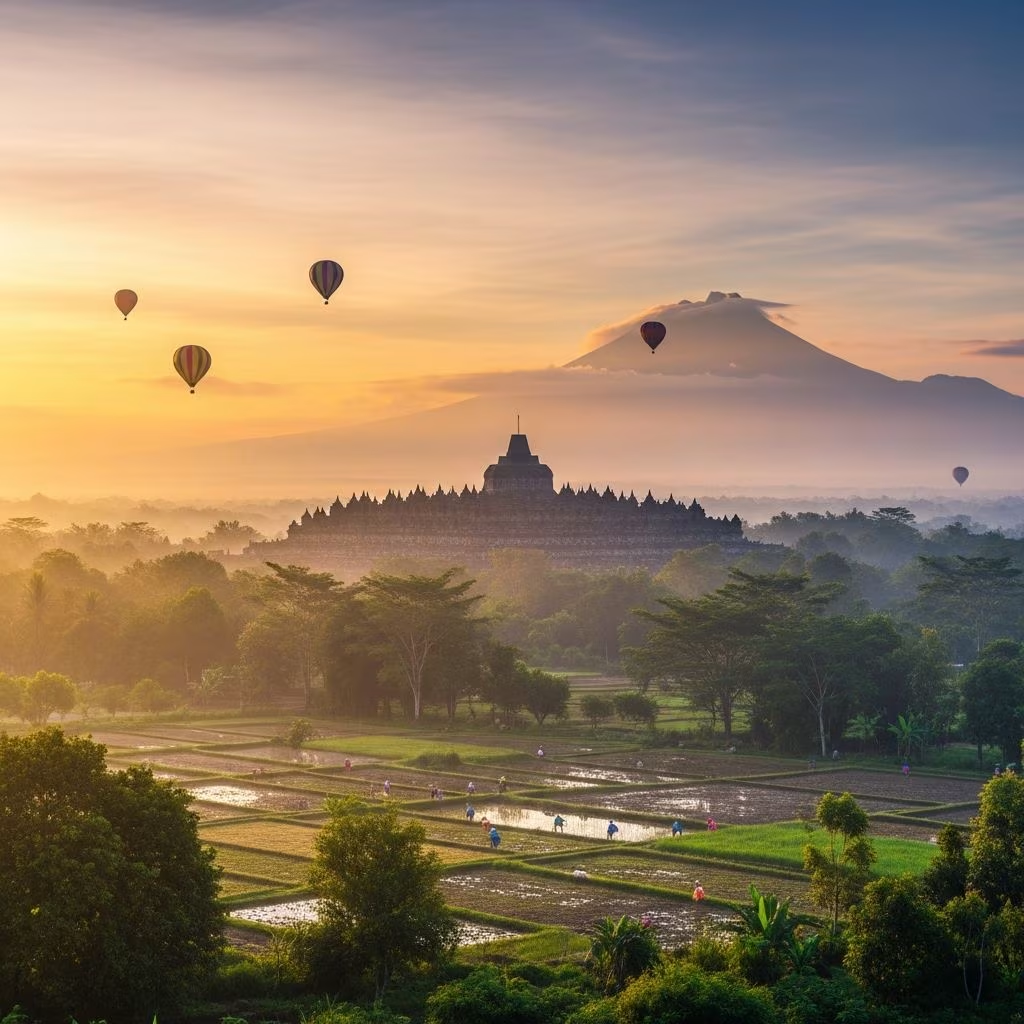
Borobudur, the world’s largest Buddhist temple (9th century), rises in nine terraced levels adorned with 2,672 relief panels and 504 Buddha statues. Dawn ceremonies here amplify its spiritual aura. Nearby Prambanan, a Hindu complex, boasts towering spires dedicated to Shiva, Vishnu, and Brahma.
Base yourself in Yogyakarta for easy access (buses cost ~Rp10,000). Guided tours decode intricate carvings depicting life’s journey. UNESCO status ensures preservation, with restoration ongoing. Visit early to beat crowds.
Yogyakarta (Jogja), Central Java’s cultural capital, pulses with batik workshops, gamelan music, and street food. Malioboro Street buzzes with vendors selling handicrafts and gudeg (jackfruit stew). The Kraton Palace offers insights into sultanate life, while Taman Sari Water Palace features underground tunnels and bathing pools.
Explore by becak (cycle rickshaw) or on foot. Night markets and wayang kulit puppet shows provide evenings of entertainment. Affordable guesthouses and universities foster a youthful vibe.
Beyond headliners, Java hides tranquil villages and island paradises.
At 2,000 meters, Dieng Plateau enchants with colorful lakes (Telaga Warna), steaming craters, and ancient temples amid potato fields. Arjuna Temple cluster predates Borobudur. Festival of the Valley (August) features traditional dances.
Day trip from Yogyakarta (4-5 hours by bus). Misty mornings enhance the otherworldly atmosphere; pack layers for chill.
Off Jepara, these 27 islands boast white sands, coral reefs, and shipwrecks for diving. Spot hawksbill turtles and mantas. Ferries from Semarang or Jepara; stay in beach bungalows for stargazing.
Kampung Naga in West Java preserves Sunda customs with bamboo homes and river rituals. No motors allowed; respect adat rules. Jodipan, Malang’s rainbow village, dazzles with painted houses born from a waste-recycling initiative.
| Duration | Focus | Key Stops | Transport Tips |
|---|---|---|---|
| 7 Days | East Java Nature | Banyuwangi-Ijen, Tumpak Sewu, Bromo, Malang | Train Malang-Probolinggo; Jeep tours |
| 10 Days | Cultural Core | Yogyakarta-Borobudur-Prambanan-Dieng, Bromo | Bus from Jogja; Overnight train |
| 14 Days | Full Circuit | Jakarta-Bandung-West Java, Central-East Java loop, Karimunjawa | Ferry Bali-Java; Domestic flights |
Yes, popular routes are well-touristed. Stick to daylight hikes and join groups for remote spots.
Fly to Surabaya/Malang, then train/bus to Probolinggo. Organized sunrise tours include transport.
Foreigners: ~Rp375,000 (sunrise extra). Combo tickets with Prambanan save money.
Most vivid in dry season; weather-dependent. Book midnight tours.
Yogyakarta offers most hotels, eateries, and easy access.
