

 Travel Essentials
 Travel Essentials

Comprehensive guide to Morocco's top destinations including imperial cities, blue-washed villages, and Saharan adventures for every traveler.
 Travel Essentials
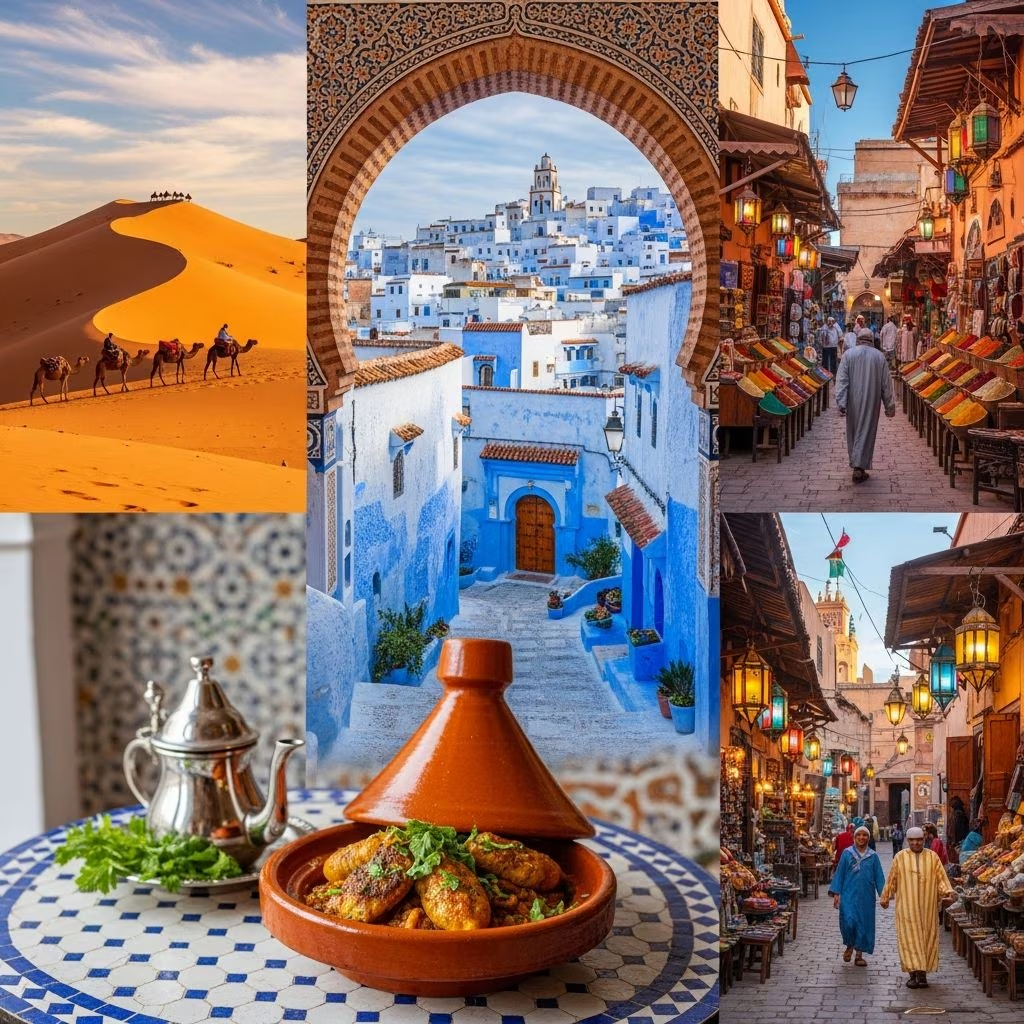
Morocco stands as one of North Africa’s most enchanting destinations, offering travelers an extraordinary blend of ancient history, diverse landscapes, and vibrant cultural experiences. The country’s appeal lies not in any single attraction but rather in its remarkable variety—from the bustling energy of imperial cities to the serene blue alleyways of mountain towns, from vast Saharan dunes to charming Atlantic coastal settlements. Whether you seek architectural marvels, culinary adventures, or natural wonders, Morocco presents an array of experiences that cater to every type of traveler.
Before embarking on a Moroccan adventure, it helps to understand the country’s geographical layout and regional characteristics. Morocco encompasses several distinct zones, each with its own personality and attractions. The coastal regions along the Atlantic and Mediterranean offer seaside charm and fishing villages, while inland you’ll discover the towering Atlas Mountains that serve as natural dividers between different cultural zones. The southern reaches transition into the Sahara Desert, creating a landscape of remarkable contrast. Understanding these regions helps travelers craft itineraries that flow logically while capturing the country’s full spectrum of experiences.
Marrakech stands as one of Morocco’s most iconic destinations and arguably the country’s cultural epicenter. This imperial city pulses with energy, particularly around its legendary central square. The medina, or old town, creates a sensory experience unlike any other—narrow winding streets overflow with merchants, the air fills with aromatic spices, and traditional music drifts from hidden corners. Street performers, food vendors, and craftspeople create an atmosphere that has remained largely unchanged for centuries.
Key landmarks within Marrakech include several must-see attractions that provide insight into Moroccan architecture and history. The Koutoubia Mosque dominates the skyline with its distinctive minaret, surrounded by fragrant gardens of roses and orange blossoms. The Bahia Palace showcases the grandeur of Moroccan royal architecture, with elaborately decorated rooms featuring intricate tilework and painted ceilings. For those seeking tranquility, the Majorelle Gardens offer an unexpected oasis of exotic plants, reflecting pools, and striking cobalt blue structures that provide respite from the medina’s intensity.
The city’s central square serves as both a marketplace and gathering place, hosting snake charmers, acrobats, and musicians throughout the day and evening. Food stalls offer traditional Moroccan delicacies, while surrounding restaurants provide rooftop views perfect for sunset dining. Marrakech appeals equally to first-time visitors seeking iconic Moroccan experiences and seasoned travelers returning for deeper exploration.
Fez represents Morocco’s intellectual and cultural heritage, having served historically as the heart of the country’s elite and scholarly class. The city maintains one of the world’s best-preserved medieval medinas, a UNESCO-listed site that transports visitors back centuries. The medina of Fez el-Bali comprises a labyrinth of interconnected alleyways, many barely wide enough for two people to pass, creating a maze-like environment that rewards patient exploration.
Walking through Fez’s medina engages all the senses. The pungent aroma of leather tanneries mingles with incense and spice vendors’ offerings. Colorful displays showcase traditional babouche slippers, woven rugs, and metalwork. The Bab Boujloud gate, recognizable by its distinctive green and blue tilework, serves as the medina’s primary entrance. Within the medina, dozens of mosques, religious schools, and fountains showcase Islamic architectural brilliance, their courtyards featuring intricately carved and tiled surfaces.
Fez also offers culinary excellence, with many claiming the city serves Morocco’s finest cuisine. Traditional restaurants and family-run establishments prepare authentic dishes using time-honored techniques, making the city an ideal destination for food-focused travelers. The combination of historical significance, architectural beauty, and gastronomic reputation makes Fez essential for visitors seeking deeper cultural immersion.
Perched high in the Rif Mountains, Chefchaouen captivates visitors with its distinctive aesthetic and serene mountain setting. The old medina is painted predominantly in shades of blue, creating an otherworldly atmosphere that has made the city increasingly popular with photographers and Instagram-savvy travelers. Founded in the 15th century under Spanish rule, the city blends Andalusian and Islamic architectural influences, visible in its building styles and urban layout.
Beyond the photogenic blue walls, Chefchaouen offers authentic experiences. Traditional cafés serving fresh mint tea dot the alleyways, offering respite and local interaction. The Ethnographic Museum preserves regional folk art, handicrafts, and traditional costumes, providing context for the surrounding culture. Just outside the city, the Ras El Maa waterfall cascades down mountainside, accessible via a short hike that rewards visitors with both natural beauty and panoramic vistas.
The city’s elevated location provides cooler temperatures than lower-altitude Moroccan destinations, making it particularly appealing during summer months. The mountain setting also makes Chefchaouen an ideal base for hiking and exploring the surrounding Rif Mountain region, with nearby attractions like Akchour’s natural formations and waterfalls accessible for day trips.
As Morocco’s largest city and economic powerhouse, Casablanca often surprises visitors expecting only traditional medina experiences. While the city functions as a modern business center, it contains remarkable historical and architectural treasures that reflect both its colonial past and cultural heritage. Art Deco architecture throughout the city provides visual interest for architecture enthusiasts, while parks and public squares offer respite from urban bustle.
The Hassan II Mosque represents Casablanca’s most iconic landmark and one of the world’s largest mosques. Remarkably, this is the only major mosque in Morocco where non-Muslims receive permitted entry. The structure’s positioning, extending partially over the ocean, creates an architectural marvel unique among global mosques. The interior features stunning tilework, carved plaster, and marble throughout vast prayer halls. Whether viewed from the exterior or experienced through guided tours inside, the Hassan II Mosque merits significant time investment.
Beyond the mosque, Casablanca offers museums, shopping districts, and coastal attractions. The Mahkama of Pacha showcases intricate architectural details, while various cultural institutions provide insight into Moroccan and Islamic history. The city’s port and corniche provide pleasant walking areas, particularly during evening hours when locals gather.
Rabat, Morocco’s capital, often receives less tourist attention than Marrakech or Fez but offers distinct attractions and a more relaxed pace. Perched above the Atlantic Ocean, Rabat combines royal heritage with coastal beauty. The Kasbah of the Udayas, a historic fortified settlement, features blue and white houses, charming Andalusian gardens, and contemporary art galleries housed in traditional structures.
The Hassan Tower, an unfinished minaret from the 12th century, dominates Rabat’s skyline. The tower’s surrounding archaeological site includes columns and ruins of a massive mosque never completed. The Mausoleum of Mohammed V nearby showcases modern Islamic architecture and remains an important spiritual site. The Chellah gardens, combining Roman ruins with landscaped gardens and bird sanctuaries, provide peaceful spaces for exploration.
Rabat’s medina, though smaller than those in other imperial cities, maintains authentic charm without overwhelming tourist infrastructure. The city appeals to travelers seeking cultural experiences at a more measured pace than found in busier destinations.
Perched on Morocco’s Atlantic coast, Essaouira presents a distinctly different experience from inland destinations. This former Portuguese fort has transformed into an artistic hub attracting painters, sculptors, and musicians seeking inspiration. The medina’s ramparts provide dramatic ocean vistas, while the port remains active with traditional fishing boats, creating photogenic scenes throughout the day.
The city’s artistic character manifests throughout the medina in galleries, studios, and workshops where craftspeople create contemporary and traditional works. The relaxed atmosphere, temperate coastal climate, and seafood-focused restaurants make Essaouira ideal for travelers seeking slower-paced exploration. Wind conditions make the nearby beaches popular for kitesurfing and windsurfing during appropriate seasons.
Beyond Morocco’s cities lie equally compelling natural and cultural attractions. The Atlas Mountains create dramatic scenery with red clay peaks, green valleys, and Berber villages clinging to cliffsides. These mountains provide exceptional hiking opportunities and serve as the gateway to the Sahara Desert.
The UNESCO-listed fortress of Ait Ben Haddou stands as one of Morocco’s most photographed landmarks, showcasing traditional kasbah architecture within a landscape of earthen towers and narrow streets. The nearby Skoura oasis, though less famous, offers authentic glimpses of working agricultural communities and traditional settlement patterns.
Traveling south from the mountains, visitors encounter gorges including the spectacular Todhra Gorge, where towering reddish canyons frame green farmlands and flowing rivers. The lush vegetation contrasting with dramatic rocky formations creates landscapes of extraordinary beauty. These gorges often appear as standard stops on Sahara-bound expeditions, providing memorable vistas and hiking opportunities.
The Drâa Valley, following Morocco’s longest river, stretches from Ouarzazate toward the Sahara. Palm-lined oases, traditional kasbahs, and Berber villages dot the valley, while the landscape transitions gradually from green vegetation to desert extremes. The valley represents one of Morocco’s less-crowded off-the-beaten-path destinations despite its remarkable beauty and cultural significance.
Beyond major cities, Morocco offers natural attractions that reward adventurous travelers. Near Chefchaouen, Akchour presents landscapes reminiscent of Southeast Asian karst formations, with cascading waterfalls and natural rock formations including the locally famous God’s Bridge. The area’s rivers and natural pools provide swimming opportunities, particularly valuable during hot summer months. Hiking trails of varying difficulty allow visitors to explore the geological formations and lush green mountainsides.
The Portuguese Cistern in El Jadida, a UNESCO site, preserves an underground water reservoir from colonial times. The atmospheric chamber, lit only by an opening in the ceiling, gained international recognition as a filming location for Orson Welles’ adaptation of Othello. This unique attraction lies within El Jadida, a former Portuguese stronghold transformed into a coastal town known for beaches and historical structures.
Effective Moroccan travel planning depends on understanding climate patterns, regional accessibility, and personal travel preferences. The southern and desert regions become uncomfortably hot during summer months, making spring and autumn ideal for those itineraries. Coastal regions remain pleasant year-round, though coastal towns can be windy. Mountain regions provide cooler alternatives during hot periods.
Transportation between destinations occurs via bus, train, or rental vehicles. Well-maintained roads connect major cities, though mountain and desert routes require more time. Guided tours offer advantages for desert expeditions and mountain treks, providing logistical support and cultural context. Multi-day itineraries allowing 10-14 days permit comprehensive exploration combining urban centers with natural attractions.
Understanding Moroccan customs enhances travel experiences. Morocco’s Muslim culture influences daily rhythms, with prayer times and Ramadan affecting business hours and restaurant operations. Respectful dress, particularly when visiting religious sites, reflects cultural sensitivity. Learning basic French and Arabic phrases aids communication, though English increasingly appears in tourist-oriented establishments.
Negotiation in souks follows traditional practices where initial prices remain flexible. Street food offers authentic culinary experiences at minimal cost, though hygiene standards vary. Traditional hammams (bathhouses) provide cultural experiences and relaxation, though procedures differ from Western spa environments.
Morocco welcomes visitors throughout the year, though peak season brings crowded medinas and inflated prices in popular destinations. Traveling during shoulder seasons (April-May and September-October) balances pleasant weather with fewer tourists and more authentic local interactions.
