

 Travel Essentials
 Travel Essentials

Explore Namibia's diverse attractions from iconic red dunes and vast salt pans to thriving safari ecosystems and desolate coastal beauty.
 Travel Essentials
Namibia stands as one of Africa’s most diverse and visually stunning destinations, offering travelers an exceptional array of landscapes, wildlife experiences, and coastal attractions. From otherworldly desert formations to expansive wildlife reserves and dramatic coastlines, this Southern African nation presents a compelling array of reasons to visit. Whether you seek adventure, natural beauty, or wildlife encounters, Namibia delivers unforgettable experiences across its varied terrain.
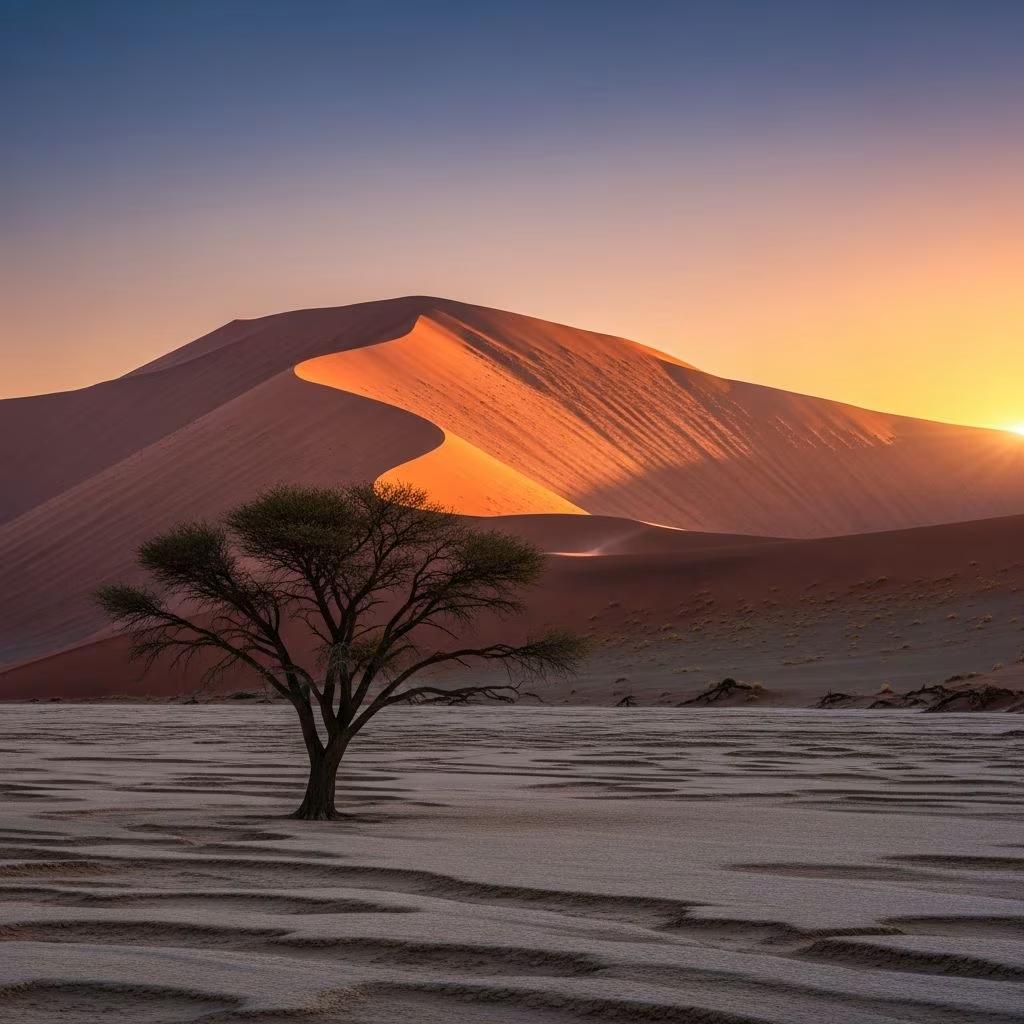
The Namib Desert represents one of Earth’s most ancient desert ecosystems, stretching across vast portions of southwestern Namibia. Within this remarkable landscape lies Sossusvlei, a destination that has captivated photographers and travelers for generations. The region’s most striking feature consists of enormous sand formations that rise dramatically from surrounding plains, creating an almost surreal visual landscape. These dunes, characterized by their distinctive reddish hue, reach heights of up to 300 meters, making them some of the most impressive sand formations on the African continent.
Visitors typically access this region through the Sesriem Gate, which serves as the primary entry point to the Namib-Naukluft National Park. Beyond the main dunes, travelers discover equally captivating sites including Sesriem Canyon, a natural gorge sculpted over millions of years by ancient river activity. The canyon’s geological formations reveal the region’s complex environmental history and provide striking photographic opportunities, particularly during late afternoon hours when light conditions create dramatic shadows and highlights.
Among the most photographically compelling locations within the greater Sossusvlei area stands Deadvlei, a stark and beautiful salt pan that contrasts dramatically with surrounding features. This brilliant white clay floor, framed by towering red dunes, creates a landscape composition that seems almost impossibly perfect. The pan’s most distinctive elements are ancient petrified trees, estimated at approximately 900 years old, which stand as ghostly reminders of a time when moisture and vegetation defined this now-arid environment. These trees remain remarkably preserved due to the region’s extreme aridity and complete lack of moisture that would otherwise facilitate decomposition.
Reaching Deadvlei involves hiking through Big Daddy dune, one of the region’s tallest formations. This journey provides a multisensory experience as visitors traverse massive sand slopes, experiencing both the physical challenge and the meditative solitude that desert environments inspire. The dramatic contrast between the brilliant white pan, grey petrified wood, and surrounding red dunes creates an almost otherworldly atmosphere that explains why this location remains one of Africa’s most visited and photographed destinations.
Etosha National Park represents Namibia’s preeminent location for authentic African safari experiences and wildlife encounters. As one of Africa’s largest and most important conservation areas, the park encompasses nearly 5,000 square kilometers of diverse habitat dominated by the Etosha Pan, a massive salt pan that constitutes approximately one-quarter of the park’s total area. This enormous white salt expanse creates distinctive visual characteristics and influences the entire ecosystem’s functioning and seasonal wildlife patterns.
The park’s wildlife populations are particularly impressive during the dry season (May through October), when animals concentrate around numerous natural water holes dotting the pan’s periphery. Visitors observe enormous herds of zebras, wildebeest, and impalas grazing across open grasslands, while predators including lions, hyenas, and cheetahs patrol hunting grounds. The park’s unique position in supporting both traditional African savanna species and specialized desert-adapted animals like black rhinoceros, gemsbok, and springbok distinguishes it from other continental safari destinations.
Flamingoes add another dimension to Etosha’s wildlife significance, particularly during the rainy season when massive flocks congregate at the salt pan for breeding purposes. The park’s flat, open landscape provides exceptional visibility for game viewing throughout the year, making wildlife observation accessible even during supposedly quieter periods.
Namibia’s Atlantic coastline presents a dramatically different environment from the interior deserts, offering coastal towns and natural attractions that complement inland experiences. Swakopmund serves as the nation’s primary coastal resort destination, providing seaside recreation, colonial architecture, and cultural attractions. The town functions as an excellent base for exploring nearby attractions while offering essential services and hospitality infrastructure for travelers.
Walvis Bay, located south of Swakopmund, presents another significant coastal destination particularly notable for its abundant marine and bird life. The bay’s rich waters support fishing industries while providing habitat for dolphins, seals, and numerous seabird species. Sandwich Harbour, accessible as an excursion from these towns, reveals pristine coastal environments where desert literally meets ocean in striking fashion.
Stretching approximately 500 kilometers along Namibia’s northwestern coastline, the Skeleton Coast National Park embodies raw coastal beauty in its most dramatic form. This region’s name derives from historical maritime tragedies, as powerful ocean currents and treacherous conditions created a graveyard for whales, seals, ships, and occasionally human lives. Despite this foreboding history, the coast possesses undeniable beauty through its barren, wave-pounded beaches and desolate yet stunning landscapes.
Visitors discovering the Skeleton Coast encounter an environment emphasizing solitude and raw natural beauty rather than conventional tourist facilities. The region’s seal colonies provide evidence that life persists even in these challenging conditions, offering wildlife viewing opportunities distinct from typical safari experiences. The Skeleton Coast appeals particularly to travelers seeking extraordinary natural environments and a deeper connection with Africa’s wild places.
Cape Cross Seal Reserve protects one of Namibia’s most important marine mammal breeding colonies, where thousands of Cape fur seals gather on rocky outcrops. This reserve provides accessible opportunities to observe seal behavior, including territorial disputes, breeding activities, and interaction with pups. The sensory experience of visiting a seal colony—combining visual spectacle with distinctive atmospheric conditions—creates memorable wildlife encounters distinct from terrestrial safari experiences.
Beyond the primary destinations, Namibia offers numerous additional attractions deserving attention. Damaraland, located in north-central Namibia, presents striking red landscapes and archaeological significance. Desert-adapted elephants roam this region, representing a unique adaptation to arid conditions. The area’s geological features and cultural heritage combine to create compelling reasons for inclusion in comprehensive Namibian itineraries.
Fish River Canyon in southern Namibia ranks among Africa’s largest canyons, offering dramatic viewpoints and trekking opportunities for adventurous travelers. The canyon’s geological formations and scenic grandeur rival more famous African canyon destinations while receiving fewer visitors.
Spitzkoppe, known locally as the “pointed hat” for its distinctive peak formation, provides striking photographic opportunities and rock formations rising dramatically from surrounding plains. Rock enthusiasts and climbers appreciate the formation’s challenging technical routes while casual visitors enjoy scenic overlooks and easier walking trails.
Kolmanskop ghost town near Lüderitz presents a unique historical and photographic destination. This abandoned mining settlement, where sand dunes gradually reclaim colonial-era buildings, creates an haunting yet beautiful reminder of historical economic activities and human impermanence in harsh desert environments.
Windhoek, Namibia’s capital and primary urban center, functions as the essential entry point for most international visitors. The city combines African culture with colonial heritage, evident through its architecture, museums, and cultural institutions. The Christuskirche church and National Museum document the country’s path to independence while showcasing cultural artifacts and historical narratives. The Namibian Craft Center provides opportunities to acquire traditional crafts while supporting local artisans, while the Gibeon meteorite represents another noteworthy attraction within the city.
| Destination | Primary Appeal | Best Season | Duration |
|---|---|---|---|
| Sossusvlei & Deadvlei | Desert landscapes, photography | Year-round | 2-3 days |
| Etosha National Park | Safari, wildlife viewing | May-October | 2-3 days |
| Skeleton Coast | Coastal desolation, solitude | Year-round | 1-2 days |
| Swakopmund | Coastal recreation, activities | Year-round | 2 days |
| Fish River Canyon | Scenic views, geology | April-September | 1 day |
Namibia’s vast distances between destinations necessitate careful planning regarding transportation and accommodation. The country’s excellent road infrastructure supports self-drive touring, which many visitors prefer for its flexibility and independence. However, guided tours and organized expeditions provide alternatives for travelers preferring professional expertise and structured experiences.
Wildlife viewing productivity varies significantly by season, with the dry season (May through October) offering superior game-viewing conditions as animals concentrate around water sources. However, each season presents distinct advantages—the rainy season brings landscape greenery and prolific bird activity despite reduced wildlife visibility.
Accommodation ranges from luxury lodges to budget guesthouses, with options distributed across all major destinations. Advance booking remains advisable during peak travel seasons to ensure availability at preferred properties.
The dry season from May through October provides optimal wildlife viewing conditions and comfortable temperatures. However, Namibia remains accessible year-round, with each season offering distinct advantages depending on traveler priorities.
A comprehensive Namibia experience typically requires 10-14 days to comfortably visit major destinations including Sossusvlei, Etosha, coastal towns, and secondary attractions. Shorter itineraries can focus on primary highlights within 7-10 days.
Yes, Namibia’s well-maintained road infrastructure supports self-drive touring effectively. An international driving permit and vehicle rental from established companies provide practical transportation solutions.
Namibia supports diverse wildlife including zebras, wildebeest, giraffes, elephants, lions, cheetahs, and numerous antelope species. Black rhinoceros represent a particularly significant sighting given global conservation concerns.
Namibia ranks among Africa’s safest destinations for tourism, with stable infrastructure and low violent crime rates affecting tourist areas. Standard travel precautions apply as with any international destination.
