

 Travel Essentials
 Travel Essentials

Explore Nepal's diverse attractions including spiritual temples, trekking routes, national parks, and UNESCO heritage sites perfect for all travelers.
 Travel Essentials
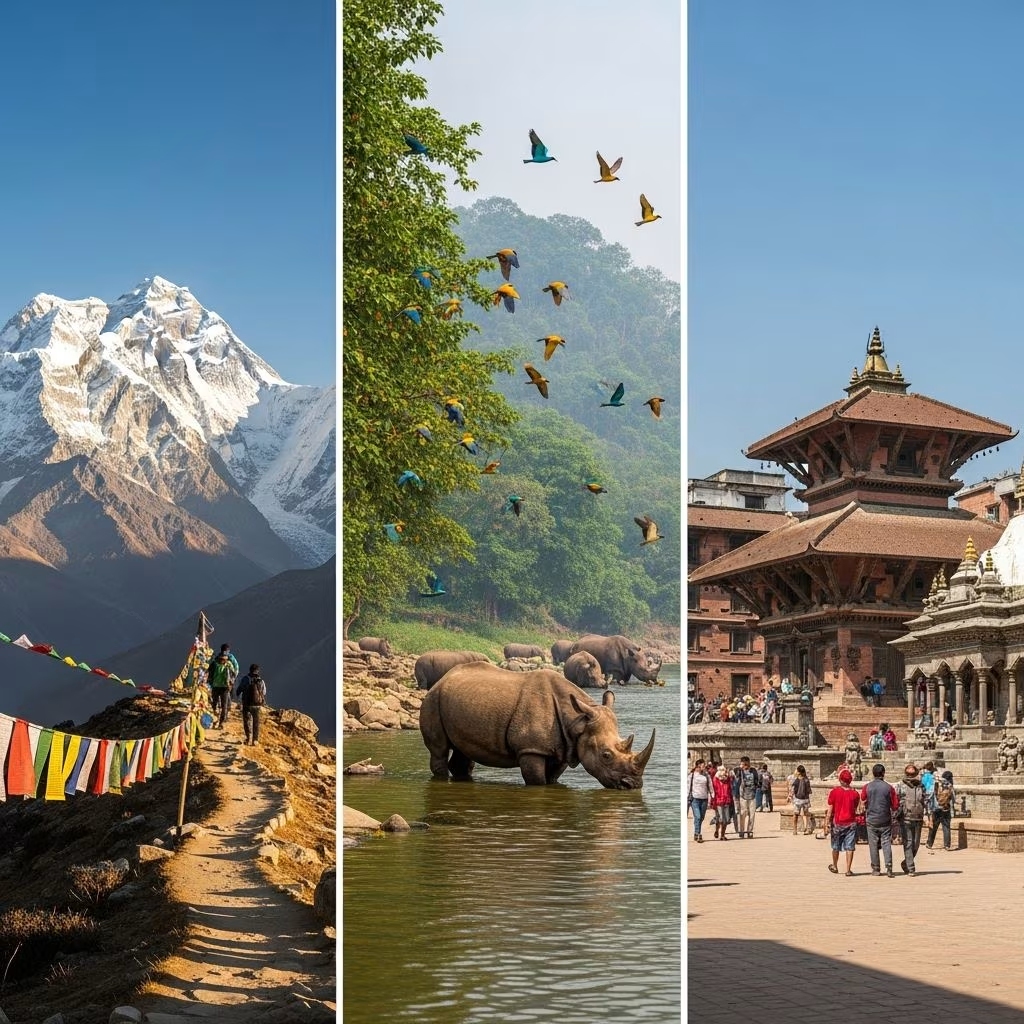
Nepal stands as one of Asia’s most compelling travel destinations, offering an extraordinary blend of spiritual heritage, natural majesty, and cultural richness. Nestled between China and India, this relatively compact nation encompasses some of the world’s most impressive mountain ranges, ancient temples, and diverse ecosystems. Whether you seek religious enlightenment at centuries-old shrines, adrenaline-pumping mountain adventures, or tranquil encounters with wildlife, Nepal delivers unforgettable experiences across its varied landscape.
Kathmandu serves as the primary gateway for most visitors and deservedly so. This vibrant capital pulses with energy, offering a fascinating amalgamation of devotion, commerce, and history. The city’s chaotic streets, colorful markets, and aromatic food stalls create an immersive introduction to Nepalese daily life and traditions.
The valley contains multiple sacred complexes that represent Nepal’s deep Buddhist and Hindu traditions. These architectural marvels showcase intricate woodwork and spiritual significance recognized worldwide.
Kathmandu Durbar Square preserves centuries of royal heritage through its collection of temples, palaces, and courtyards. Although significant portions remain under reconstruction following the 2015 earthquake, numerous structures showcase the architectural sophistication of Nepal’s Newari builders. The Jagannath Temple, dating to 1563, displays intricate wooden embellishments throughout its design. The Hanuman Dhoka palace complex, while damaged, continues revealing insights into royal life and administration across dynasties.
Bhaktapur transports visitors to a medieval Nepalese setting with its well-preserved architecture and vibrant pottery traditions. The town’s main thoroughfare, lined with traditional row houses and family-run shops, captures the essence of pre-modern Himalayan settlements. Bhaktapur Durbar Square features the towering Nyatapola Temple, standing as Nepal’s tallest pagoda structure, along with the intricately carved 55-window palace and ceremonial bathing areas that once served royal families.
Patan’s name literally translates to “Beautiful City,” a designation well-earned through its stunning collection of artistic masterpieces and architectural treasures. The Patan Museum, housed within the former royal palace, displays bronze castings, copper sculptures, and traditional Newari craftsmanship that exemplify centuries of artistic development. The Krishna Mandir temple dominates the Patan Durbar Square with its distinctive architectural style and spiritual significance, while the courtyards and underground bathing chambers offer glimpses into royal ceremonial life.
This preserved trading town provides a window into Nepal’s 18th-century merchant culture. Bandipur’s traffic-free main bazaar, lined with traditional architecture and family-operated guesthouses, maintains authentic Newari character. The nearby Siddha Gufa caves offer exploration opportunities for those interested in geological formations and local geological history.
Situated in western Nepal, Pokhara offers a complete departure from urban intensity. Phewa Lake dominates the landscape, providing settings for peaceful boat rides, lakeside walks, and waterfront dining. The city serves as the primary launch point for trekkers attempting the Annapurna Circuit, one of the world’s most celebrated long-distance hiking routes. Pokhara’s relaxed atmosphere, combined with dramatic mountain backdrops and water-based activities, makes it ideal for those balancing adventure with relaxation.
Perched in the Kathmandu Valley foothills, Nagarkot’s elevated position provides some of Asia’s most spectacular sunrise vistas. On clear mornings, the entire Himalayan range transforms into a canvas of pink and gold hues as dawn breaks over the peaks. The town’s network of guesthouses and lodges caters to visitors seeking this natural spectacle, with many properties positioned explicitly for optimal viewing.
Chitwan represents Nepal’s premier destination for wildlife observation and jungle immersion. The national park’s diverse ecosystems support rhinoceros populations, tigers, leopards, elephants, and countless bird species. Safari experiences range from elephant-back rides through grasslands to guided canoe journeys along rivers where crocodiles bask on banks. The park’s combination of wildlife abundance and accessible accommodation makes it essential for nature enthusiasts and photographers.
Sagarmatha National Park encompasses the world’s highest mountain alongside numerous other dramatic peaks. The Everest Base Camp Trek represents one of the most popular multi-day hiking routes, attracting thousands annually who seek to approach the world’s tallest summit. The trek passes through Sherpa villages, prayer flag-adorned ridges, and high-altitude landscapes where oxygen becomes noticeably thinner. Namche Bazaar serves as the primary trading hub within the region, offering supplies, accommodation, and cultural immersion within Sherpa communities that have adapted to extreme altitude across generations.
The Annapurna region supports several distinct trekking routes accommodating various skill levels and timeframes. The Circuit trek circumnavigates the Annapurna massif, passing through subtropical forests, terraced farmlands, and alpine meadows. Trekkers encounter diverse ethnic communities including Gurungs, Magars, and Tibetans, each maintaining distinct cultural traditions and architectural styles. The dramatic elevation changes produce extreme landscape variations within short distances, making this region visually diverse and ecologically fascinating.
These regions north of Kathmandu offer trekking opportunities requiring less time than distant Everest or Annapurna routes. Langtang Valley provides closer access to alpine scenery and the possibility of encountering endangered red pandas and other high-altitude wildlife. Helambu circuits through rhododendron forests and traditional Sherpa and Tamang villages, offering cultural richness combined with moderate physical demands.
Located in southern Nepal, Lumbini holds unparalleled significance for the world’s Buddhist population. The Maya Devi Temple marks the precise location where Gautama Buddha was born, making it a UNESCO World Heritage Site and essential pilgrimage destination. The surrounding monastic parks feature temples constructed by Buddhist communities from numerous nations, creating a unique international spiritual center. Visitors can meditate in peaceful gardens, study Buddhist philosophy at various monasteries, or simply reflect within spaces saturated with spiritual energy and historical importance.
Nepal experiences distinct seasonal variations affecting visitor experience quality. October through November offers clear skies, comfortable temperatures, and excellent visibility for mountain viewing. December through February brings cooler temperatures but continued clarity. March through May experiences increasing heat and haze, though spring flowers bloom during this period. June through September marks the monsoon season, with heavy rainfall and obscured mountain views, though fewer tourists and lush landscapes appeal to certain visitors.
Kathmandu serves as the primary international gateway, though domestic flights connect to regional centers. Nepal’s road network varies significantly in quality, with mountain roads requiring experienced drivers and flexible scheduling. Local bus systems offer budget transportation but involve longer journey times. For trekking regions, foot travel becomes the primary transportation method, with lodge networks established along major routes providing accommodation and meals.
Urban centers like Kathmandu and Pokhara offer diverse accommodation options from budget hostels to luxury hotels. Mountain towns provide simpler guesthouses operated by local families, often featuring communal dining and basic amenities. Trekking routes include tea houses and lodges that provide shelter, meals, and hospitality at strategic intervals. The quality and availability of services increase significantly in popular trekking regions with established infrastructure.
| Season | Weather Characteristics | Best Activities | Considerations |
|---|---|---|---|
| October – November | Clear skies, comfortable temperatures | Trekking, mountain viewing, temple visits | Peak season; higher prices and crowds |
| December – February | Cool but clear; occasional snow at altitude | High-altitude trekking, wildlife viewing | Lower temperatures require adequate clothing |
| March – May | Warm; increasing haze and humidity | Spring flowers, lower altitude trekking | Higher heat; mountain views less clear |
| June – September | Heavy rainfall; lush vegetation | Fewer crowds; cultural immersion | Road hazards; obscured mountain vistas |
Nepal’s remarkable ability to deliver diverse experiences within a compact geographical area makes it exceptionally rewarding for various traveler types. Whether seeking spiritual awakening at ancient temples, physical challenges scaling Himalayan peaks, wildlife encounters in protected parks, or cultural connections within traditional communities, Nepal provides authentic engagement with each pursuit. The nation’s welcoming population, established tourism infrastructure across multiple regions, and stunning natural landscapes combine to create transformative travel experiences. From Kathmandu’s sacred temples to Everest’s towering presence, Nepal offers memories that resonate long after departure.
