

 Travel Essentials
 Travel Essentials

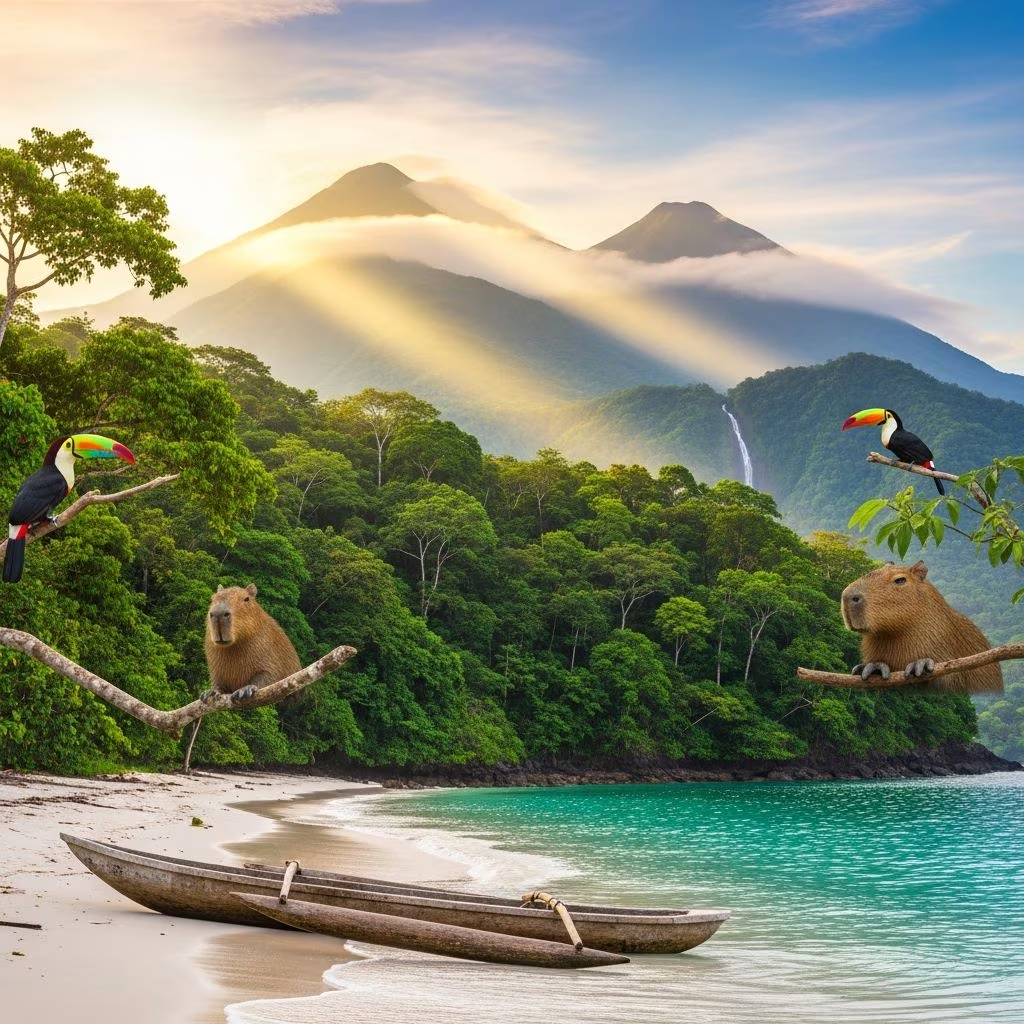
Explore Panama's diverse attractions including the engineering marvel of the Panama Canal, vibrant colonial architecture, world-class diving sites, and island paradises perfect for adventure seekers.
 Travel Essentials
Panama stands as one of Central America’s most dynamic and diverse travel destinations, offering visitors an extraordinary blend of modern urban experiences, historic colonial charm, and untouched natural wonders. Whether you’re drawn to engineering marvels, pristine beaches, or underwater adventures, this narrow country bridging two oceans delivers unforgettable experiences across multiple climate zones and ecosystems.
The Panama Canal represents one of humanity’s most significant engineering achievements, and experiencing this feat firsthand should rank at the top of your travel itinerary. The Miraflores Visitor Center serves as the prime vantage point for understanding how this monumental waterway operates on a daily basis. Located directly at the Miraflores Locks, the visitor center features multiple observation decks strategically positioned to provide unobstructed views of the canal’s operations.
From these vantage points, you’ll witness the fascinating process of massive cargo ships, container vessels, and tankers being systematically raised and lowered through the lock chambers. The sheer scale of this operation becomes apparent as vessels transitioning through the canal showcase the intricate engineering that enables one of the world’s busiest shipping routes to function seamlessly.
Complementing your visit to Miraflores, the Panama Canal Museum offers deeper historical context and comprehensive exhibits detailing the construction process, the innovative engineering solutions employed, and the profound global impact this waterway has maintained since its opening. The museum’s carefully curated displays chronicle both the triumphs and tribulations faced during the canal’s development, presenting a thorough exploration of this pivotal moment in world history.
Casco Viejo, Panama City’s most atmospheric district, transports visitors back to an earlier era through its remarkably preserved colonial architecture and cobblestone streets. This neighborhood showcases the cultural and architectural heritage that defines Panama’s historical identity, with pastel-colored buildings reflecting French and Spanish influences accumulated over centuries.
Several plazas within Casco Viejo warrant dedicated exploration time:
Beyond architectural appreciation, Casco Viejo has emerged as a culinary and entertainment hub, with numerous rooftop bars and restaurants offering both traditional Panamanian cuisine and international dining options. The neighborhood’s transformation into a vibrant cultural quarter ensures that visitors can experience historic atmosphere alongside contemporary hospitality.
Panama City balances urban development with accessible natural spaces, offering residents and visitors alike opportunities for outdoor recreation. Ancon Hill provides a popular hiking destination that rewards your ascent with panoramic vistas encompassing the entire metropolitan area. This elevated perspective allows visitors to appreciate the city’s geographic positioning between two oceans while spotting native wildlife that inhabits this green space.
The Cinta Costera represents a modern coastal development spanning seven kilometers, establishing an exercise and recreation corridor for walkers, cyclists, and runners. This beltway pathway connects neighborhoods while offering numerous observation points and photo opportunities. The route concludes near the Mercado de Mariscos, where visitors can reward their physical exertion with fresh seafood and beverages.
The Amador Causeway functions as another essential recreational space, featuring walkways, cycling paths, and electric scooter access alongside restaurants, cafes, and bars. The renowned Biomuseo, designed by celebrated architect Frank Gehry, anchors this causeway as an educational destination exploring Panama’s extraordinary biodiversity and its significance to global ecosystems.
The San Blas archipelago represents one of Panama’s most distinctive destinations, consisting of hundreds of pristine islands where the Guna indigenous people maintain traditional lifestyles and autonomous governance. These islands showcase unspoiled beaches, crystal-clear waters, and colorful stilt-house communities positioned mere steps from tidal waters.
Visiting San Blas offers opportunities for snorkeling, swimming, beach relaxation, and cultural exchange with welcoming local communities. The archipelago’s remoteness has preserved both terrestrial and marine ecosystems, making it an ideal destination for travelers seeking authentic experiences beyond conventional tourist infrastructure.
Bocas del Toro functions as Panama’s premier surfing destination and serves as the country’s most celebrated archipelago. This tropical environment hosts multiple beaches featuring varying wave conditions suitable for beginners through advanced surfers. The legendary La Punta point break challenges experienced riders while abundant resident instructors cater to those learning the sport.
Beyond water sports, Bocas del Toro offers opportunities for island-hopping excursions departing from Bocas Town’s harbor, snorkeling expeditions, and beachside relaxation. Accommodations ranging from budget hostels to upscale resorts with overwater bungalows provide options across all travel budgets.
Coiba National Park stands as Central America’s most impressive marine environment and ranks among the world’s premier diving destinations. This UNESCO World Heritage Site archipelago contains extraordinary biodiversity, with pristine coral gardens and abundant marine life including white-tipped reef sharks, olive ridley turtles, massive jack schools, eagle rays, and seasonal appearances of hammerhead sharks and whale sharks.
The park’s ecological richness stems from its historical isolation—from 1919 until 2004, the main island housed one of Panama’s harshest prisons, effectively cordoning off this region from external disturbance. When the prison closed and UNESCO designation followed in 2005, Coiba’s untouched ecosystems revealed their remarkable biological wealth.
All boat departures to Coiba originate from Santa Catalina, a coastal village that has developed into a gateway community for divers and snorkelers. While diving represents the primary attraction, comprehensive snorkeling tours provide access to the same crystalline waters and uninhabited island beaches. Introductory dive courses accommodate non-certified visitors seeking to experience Coiba’s underwater realm.
El Valle de Antón occupies a hidden mountain valley featuring cool-weather climate, lush vegetation, and numerous hiking trails leading to waterfalls and viewpoints. This destination appeals to adventure travelers and nature enthusiasts seeking respite from coastal humidity while experiencing Panama’s interior highlands.
Santa Catalina has emerged as both a surfing hub and departure point for Coiba National Park expeditions. The coastal village blends authentic local culture with growing tourism infrastructure, creating an atmosphere where serious surfers train alongside recreational learners and snorkelers explore nearby coral gardens.
Beyond diving and snorkeling, Panama’s extensive water resources enable diverse recreational activities:
Panama’s geographic position and multicultural population create distinctive culinary traditions worth exploring. Geisha coffee represents a specialty product reflecting Panama’s coffee-growing regions and processing traditions. The Mercado de Mariscos (seafood market) along Avenida Balboa provides authentic experiences where visitors can sample fresh ceviche and regional seafood preparations prepared by experienced local vendors.
Afro-Panamanian cooking experiences offer deeper cultural engagement, allowing visitors to prepare and consume traditional dishes while learning about their historical and cultural significance. These culinary experiences connect food preparation to broader cultural narratives and family traditions maintained across generations.
| Destination | Best For | Difficulty Level | Season |
|---|---|---|---|
| Panama City | Urban exploration, museums, dining | Easy | Year-round |
| San Blas Islands | Remote beaches, cultural immersion | Moderate | December-March |
| Bocas del Toro | Surfing, island-hopping | Moderate | December-March |
| Coiba National Park | Diving, snorkeling | Challenging | December-April |
| El Valle de Antón | Hiking, cool climate retreat | Easy to Moderate | Year-round |
December through March constitutes Panama’s dry season, providing optimal conditions for diving, island visits, and outdoor activities. However, Panama remains visitable year-round, with the rainy season (May-November) offering fewer tourists and lush landscapes.
While certified divers maximize their Coiba experience, numerous tour operators offer introductory dives and certification courses. Snorkeling alternatives provide access to exceptional marine life without certification requirements.
A comprehensive Panama experience requires 7-10 days, allowing time for Panama City exploration, island visits, and diving or hiking adventures. Shorter visits can focus on specific regions, while extended trips permit deeper engagement with multiple destinations.
Panama City, like most urban destinations, requires standard travel precautions. Tourist infrastructure is well-developed, and popular destinations maintain security measures protecting visitors. Consult current travel advisories before departure.
Spanish represents the official language, though English is widely spoken in tourism-focused areas. Learning basic Spanish phrases enhances interactions with local communities, particularly outside major tourist centers.
Panama transcends single-category classification, functioning simultaneously as an engineering landmark, cultural crossroads, diving paradise, and adventure destination. Whether your interests center on historical appreciation, marine exploration, cultural immersion, or outdoor adventure, Panama delivers diverse experiences within a relatively compact geography. The combination of Caribbean and Pacific access, indigenous cultures, cloud forests, and modern urban amenities creates travel opportunities accommodating virtually any preference. Strategic planning ensures that visitors can experience multiple distinct environments and activities, establishing Panama as an essential Central American destination deserving prominent positioning on any regional travel itinerary.
