

 Travel Essentials
 Travel Essentials

Explore Spain's diverse regions from coastal paradises to historic mountain towns. Your complete guide to unforgettable Spanish experiences.
 Travel Essentials
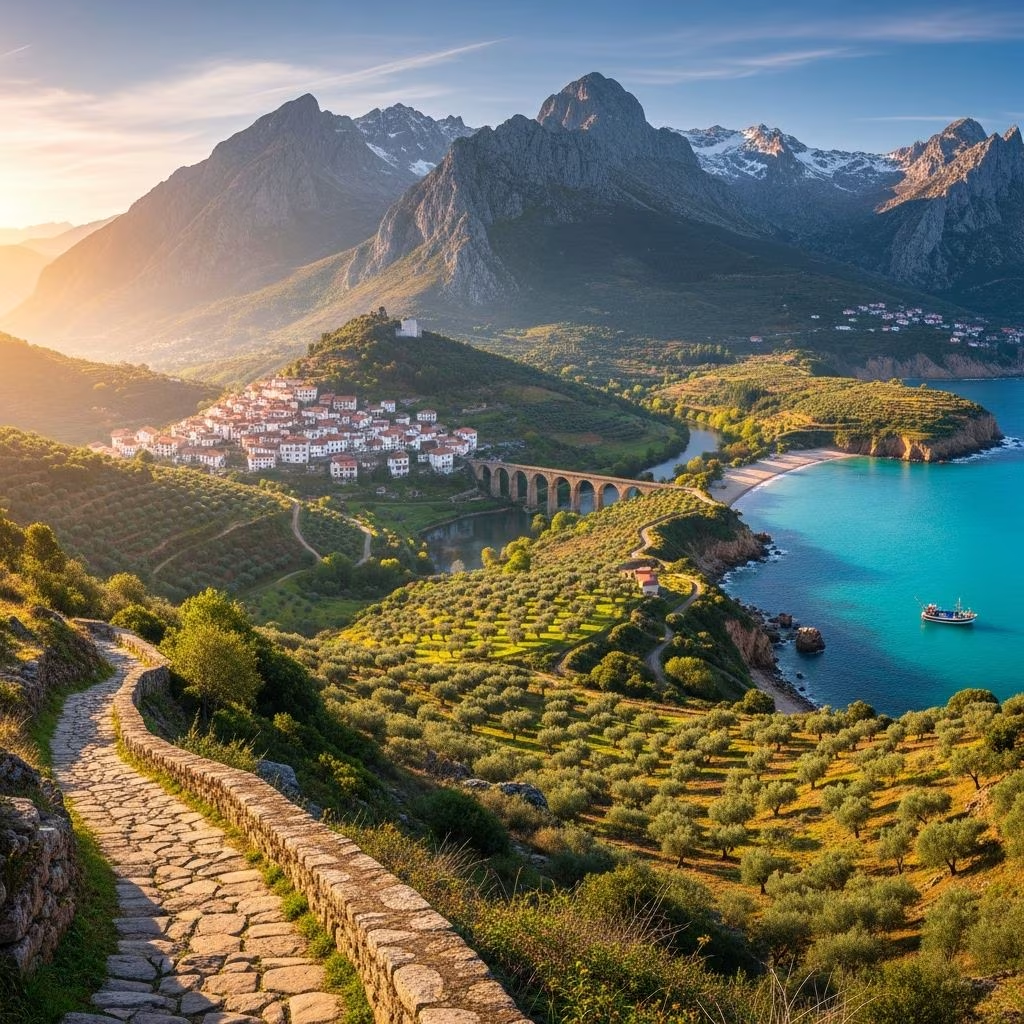
Spain represents one of Europe’s most diverse and captivating destinations, offering travelers an extraordinary blend of world-class art, architectural marvels, culinary traditions, and natural landscapes. Whether you seek the vibrant energy of major metropolitan centers, the tranquility of whitewashed villages perched on hillsides, or the golden stretches of Mediterranean beaches, Spain delivers unforgettable experiences across its varied regions. This comprehensive guide navigates you through Spain’s most compelling destinations, from internationally recognized cultural powerhouses to authentic hidden gems that capture the true essence of Spanish life.
Spain’s major urban centers serve as perfect starting points for any Spanish journey, each offering distinct character and attractions that reflect different periods of Spanish history and contemporary culture.
Spain’s bustling capital stands as a beacon for art enthusiasts and cultural explorers. The city’s architectural beauty extends far beyond its museums, with grand boulevards, historic plazas, and centuries-old buildings creating an urban landscape that feels both cosmopolitan and deeply rooted in tradition. The Royal Palace dominates the skyline with its impressive facade, while the nearby Almudena Cathedral showcases architectural elegance from the 19th and 20th centuries. Puerta del Sol serves as the city’s historic epicenter, where the pulsing energy of Madrid crystallizes in one iconic location. The majestic Gran Via boulevard stretches through the city center, lined with elegant architecture that reflects Madrid’s evolution into a modern European capital.
This northeastern metropolis captivates visitors with its revolutionary Modernist architecture and dynamic cultural scene. Barcelona’s unique aesthetic, influenced by visionary architects and artists, permeates every neighborhood and landmark. The city’s vibrant shopping districts, contemporary art galleries, and lively street culture create an atmosphere of creative energy. Beyond its reputation as a cosmopolitan hub, Barcelona maintains strong connections to Catalan traditions, visible in local festivals, regional cuisine, and the unmistakable regional pride that infuses the city’s character.
Located in southern Spain, Seville pulsates with Andalusian passion and centuries of layered history. The city’s most prominent attractions—the Real Alcazar palace, the cathedral with its magnificent Giralda Tower, and the expansive Plaza de España—showcase Spain’s multicultural heritage influenced by Moorish, Christian, and contemporary influences. Beyond these iconic landmarks, authentic Seville reveals itself through quieter experiences: strolls through Maria Luisa Park, views from the Torre del Oro tower, crossings of the historic Triana Bridge, and meals at bustling local markets. The city’s flamenco heritage and tapas culture remain integral to Seville’s identity.
Spain’s northern territories offer a striking contrast to the Mediterranean south, featuring dramatic coastlines, innovative urban centers, and distinctive regional traditions.
The industrial city of Bilbao has undergone a remarkable cultural transformation centered around world-class contemporary art museums. The striking Guggenheim Museum represents cutting-edge architectural design and houses internationally significant modern art collections. The Fine Arts Museum complements this cultural richness, offering visitors deep insight into artistic traditions spanning centuries. Beyond museums, the Basque region maintains fiercely independent cultural traditions, distinctive cuisine, and linguistic heritage that set it apart from other Spanish regions.
This northern coastal gem combines natural beauty with international recognition as a gastronomic destination. La Concha Beach consistently ranks among Spain’s most beautiful coastal stretches, offering both recreational opportunities and stunning visual appeal. The vibrant old town thrums with pintxo bars—traditional Basque tapas establishments—where locals and visitors sample regional specialties standing at wooden counters. This blend of extraordinary natural setting, architectural charm, and world-renowned culinary scene makes San Sebastian an essential destination for travelers seeking multisensory experiences.
Spain’s interior and northern regions showcase dramatic natural formations, from towering mountain ranges to distinctive volcanic landscapes.
This stunning mountain range offers some of Spain’s most impressive natural scenery, with soaring peaks, deep valleys, and pristine alpine environments. The park appeals to hiking enthusiasts, nature photographers, and outdoor adventure seekers. The dramatic landscape transforms seasonally, presenting different visual and recreational opportunities throughout the year. Nearby regions in Cantabria extend these outdoor possibilities, with fishing villages like Castro Urdiales and San Vicente de la Barquera providing coastal access points to mountain regions.
This often-overlooked western region combines dramatic landscapes with profound historical significance. Monfragüe National Park protects pristine wilderness areas frequented by endemic bird species and rare wildlife. Valle del Jerte, famous for spring cherry blossoms that blanket hillsides in white and pink, transforms into a natural spectacle during its blooming season. The region also contains whitewashed villages like Jerez de los Caballeros that exemplify traditional Iberian architecture and rural Spanish life. Historic towns including Hervás showcase Jewish heritage and medieval urban planning, while Guadalupe and Trujillo preserve Renaissance-era splendor.
Several Spanish destinations preserve centuries of architectural and cultural heritage, offering visitors direct connections to historical periods that shaped European civilization.
Toledo, perched dramatically above the Tagus River, maintains a medieval character that feels authentic and immersive. The cathedral dominates the skyline, while the Monasterio San Juan de Los Reyes showcases religious architecture. The medieval old town invites wandering through narrow streets lined with historical buildings, with art lovers finding special meaning in locations connected to legendary painter El Greco. Marzipan workshops offer visitors tactile engagement with local traditions dating back centuries.
Segovia, another UNESCO-recognized site, sits on a rocky outcrop between two rivers, creating a naturally dramatic setting for its imposing 13th-century castle—reportedly the inspiration for Walt Disney’s iconic fortress imagery. The extraordinarily well-preserved Roman aqueduct, remaining structurally intact after two millennia, testifies to Roman engineering excellence and provides a physical link across two thousand years of European history.
This Andalusian city preserves architectural and cultural traditions from Spain’s Islamic period. Historic centers reflect the multicultural interactions that defined medieval Spain, with mosques converted to churches, Jewish quarters preserving ancient traditions, and architectural styles blending influences from multiple cultures and centuries.
Spain’s extensive Mediterranean and Atlantic coastlines offer distinctive beach experiences ranging from bustling resort areas to tranquil coves and fishing villages.
This Mediterranean archipelago attracts visitors seeking Mediterranean charm without sacrificing modern amenities. Towns like Pollenca and Fornalutx offer picturesque settings with stunning mountain-to-sea vistas. Soller provides access to the famous historic tram descending to Port de Soller, combining nostalgic transportation with contemporary beach recreation. Mallorca’s underground world features over 200 cave systems offering geological wonders and unique exploration opportunities. The islands’ beach offerings span from crowded summer destinations to secluded coves accessible to intrepid travelers.
Towns like Tossa de Mar combine historic charm with accessible beach amenities. Ribadesella on the northern coast offers picturesque beaches and scenic cliff formations. A Coruña and the village of Loiba provide oceanic vistas and tranquil settings away from Spain’s most overcrowded tourist zones. These destinations appeal to travelers seeking authentic coastal experiences without the intensity of major resort areas.
Spain’s interior contains numerous towns distinguished by architectural significance and artistic heritage.
These UNESCO-recognized towns showcase remarkably preserved Renaissance architecture and urban planning. Both destinations offer architectural historians and general travelers insight into Renaissance design principles and aristocratic life during that transformative historical period.
Burgos Cathedral ranks among Spain’s most impressive Gothic structures, dominating the city skyline with its architectural majesty. The cathedral serves as the city’s primary attraction, though surrounding areas offer medieval urban character and historical ambiance.
Discerning travelers seeking authentic Spanish experiences increasingly explore less touristed regions and villages that preserve traditional life patterns.
This southern region combines hiking opportunities with Renaissance architectural heritage. The Sierra de Segura offers excellent trails for outdoor enthusiasts, while the landscape presents authentic glimpses of rural Spanish life largely unchanged by modern tourism.
Smaller settlements like Alquézar and Ordesa Natural Park provide quieter experiences of Spain’s diverse landscapes. The volcanic region around Santa Pau features the striking La Fageda d’en Jordà beech forest and Santa Margarida volcano crater, creating geological wonders few international visitors encounter.
Spain’s climate varies significantly by region. Coastal areas remain pleasant year-round, while inland regions experience more extreme temperature swings. Spring through early autumn offers ideal conditions for most destinations. April specifically provides advantages across multiple regions: countryside around dramatic gorge towns remains lush after winter rains, Extremaduran regions enjoy comfortable temperatures before intense summer heat, and volcanic landscapes display spring greenery that makes dramatic terrain particularly striking. Spring also brings cultural festivals and events to many cities.
| Region | Primary Attractions | Best For |
|---|---|---|
| Basque Country | Guggenheim Museum, culinary traditions, beaches | Art and food enthusiasts |
| Andalusia | Historic cities, beaches, flamenco culture | Cultural immersion and relaxation |
| Catalonia | Barcelona, Modernist architecture, Mediterranean coast | Urban exploration and contemporary culture |
| Extremadura | National parks, medieval towns, wilderness | Nature lovers and history buffs |
| Central Spain | Madrid, Toledo, Segovia, Renaissance heritage | Museum visits and historical sites |
Madrid, Barcelona, and Seville provide excellent introductions to Spanish culture, combining world-class attractions with excellent infrastructure. Adding smaller destinations like Toledo or Segovia offers medieval contrast to modern cities.
A minimum of 7-10 days allows genuine engagement with 2-3 destinations. Two weeks enables inclusion of major cities plus regional exploration. Longer stays reveal Spain’s authentic character beyond tourist circuits.
The Basque Country and Catalonia combine urban cultural attractions with Mediterranean beaches and mountain proximity. Andalusia similarly blends historic cities, beaches, and mountain regions.
Each region maintains distinct culinary traditions reflecting local geography and history. Basque country emphasizes pinxtos and seafood; Andalusia features gazpacho and paella; Mediterranean regions specialize in fresh produce and seafood; interior regions focus on jamón and hearty stews.
Explore smaller towns and villages, eat where locals gather rather than tourist restaurants, use public transportation, learn basic Spanish phrases, and travel during shoulder seasons when tourist intensity decreases.
Spain’s remarkable diversity ensures that virtually every traveler discovers destinations matching personal interests and travel styles. Whether drawn to architectural marvels, natural wonders, culinary adventures, beach relaxation, or historical immersion, Spain delivers authentic and transformative experiences. The combination of internationally recognized attractions and lesser-known regional treasures means that repeat visits reveal new dimensions of Spanish culture, landscape, and character. Spain transcends typical European destinations by offering not just sightseeing opportunities but genuine cultural encounters that reshape understanding of Mediterranean European life and history.
