

 Travel Essentials
 Travel Essentials

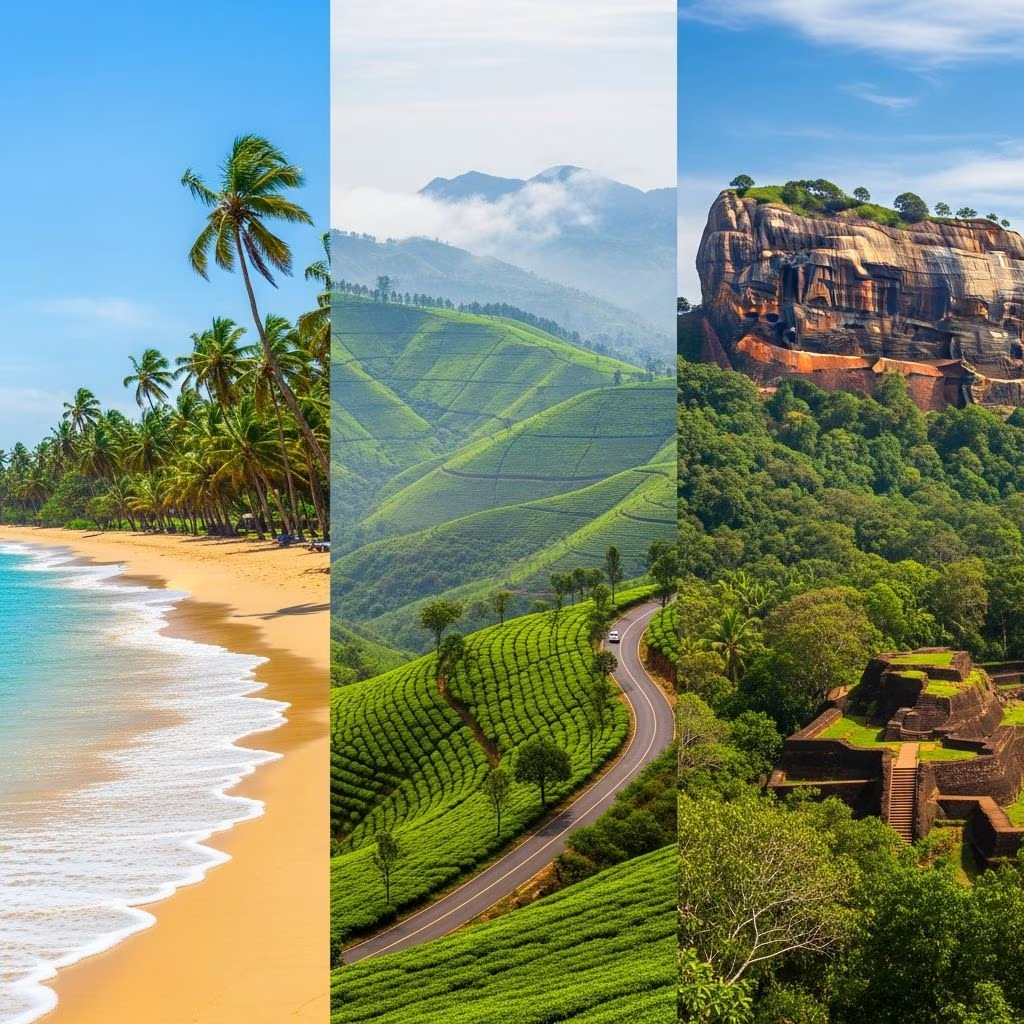
Explore Sri Lanka's most captivating destinations, from UNESCO heritage sites to national parks, tea plantations, and coastal retreats.
 Travel Essentials
Sri Lanka stands as one of Asia’s most compelling travel destinations, offering visitors a remarkable blend of natural splendor, spiritual heritage, and cultural richness. This island nation, positioned in the Indian Ocean south of India, encompasses diverse landscapes ranging from misty highlands and tea-covered slopes to pristine beaches and dense jungle reserves. Whether you seek adventure, spiritual reflection, historical exploration, or simple relaxation, Sri Lanka presents an array of destinations that cater to every traveler’s interests.
Rising dramatically from the surrounding jungle, the ancient fortress of Sigiriya represents one of the most visually striking archaeological sites in the world. This UNESCO World Heritage Site dates to the 5th century, constructed atop a massive granite outcrop that towers approximately 200 meters above the landscape. The fortress served as both a royal palace and defensive stronghold, featuring intricate water gardens, mirror walls adorned with ancient frescoes, and an elaborate system of walkways carved into the rock face.
Visitors ascending the approximately 1,200 steps encounter increasingly dramatic vistas at each level, culminating in panoramic views from the summit that extend across the central plains. The site’s architectural sophistication reveals advanced engineering knowledge, with evidence of sophisticated water management systems and strategic defensive designs. The famous Lion’s Paws carved at the entrance serve as iconic markers of this extraordinary monument.
The journey to Sigiriya typically begins from Colombo, located roughly a three-hour drive away, making it an accessible destination for most travelers. The fortress attracts visitors year-round, though early morning visits provide optimal conditions with fewer crowds and cooler temperatures during ascent.
Sri Pada, commonly known as Adam’s Peak, commands reverence across multiple faith traditions within the island nation. This sacred mountain rises 2,243 meters above sea level, drawing pilgrims and trekkers who undertake the challenging overnight climb to witness sunrise from the summit. The mountain holds spiritual significance for Buddhists, Muslims, Hindus, and Christians, each tradition maintaining distinct interpretations of the sacred footprint marking the peak.
The pilgrimage route transforms into a spiritual journey, with thousands of devotees ascending nightly, particularly during the pilgrimage season from December through May. The climb typically requires four to five hours, with the final sections involving steep ladders and chains fixed into the rock face. Upon reaching the summit, climbers are rewarded with celestial displays as dawn breaks across the island landscape.
The Royal Cave Temple at Dambulla ranks among Sri Lanka’s most significant Buddhist heritage sites, designated as a UNESCO World Heritage property. Perched atop a 160-meter rock formation, this ancient complex encompasses five distinct cave chambers containing over 150 Buddha statues and elaborate murals spanning more than 2,100 square meters of wall surfaces.
The artistic program within these caves illustrates Buddhist narratives, with particular emphasis on Gautama Buddha’s spiritual journey. Intricate paintings depict scenes from Buddhist texts, including representations of Buddha’s first sermon and his encounters with spiritual challenges. Some artwork dates back more than two millennia, demonstrating the remarkable preservation of these religious treasures.
The site attracts considerable numbers of visitors and practicing Buddhists who come for meditation and worship. Appropriate dress codes require visitors to cover shoulders and knees, with shoe removal necessary when entering the inner sanctuaries.
Kandy serves as Sri Lanka’s cultural epicenter, nestled in the central highlands at a strategic geographic and spiritual location. This historic city functions as both a contemporary urban center and custodian of ancient traditions. The Temple of the Tooth Relic, situated within Kandy, preserves one of Buddhism’s most sacred relics and attracts approximately 3,000 visitors daily. This UNESCO World Heritage Site requires approximately 2,000 LKR (roughly 7 USD) for entry and operates under specific protocols regarding appropriate dress and temple etiquette.
Beyond the temple complex, Kandy’s Kandy Lake offers scenic beauty with surrounding botanical gardens and walking paths. The city’s traditional markets showcase local crafts, spices, and textiles, providing authentic cultural immersion. Kandy functions as a gateway to Sri Lanka’s interior highlands and serves as a terminus point for the celebrated train journey that winds through tea country.
Polonnaruwa presents an exceptionally well-preserved window into Sri Lanka’s medieval period, with archaeological evidence suggesting superior preservation compared to other ancient sites. This ancient city features the Sacred Quadrangle, an architectural complex containing temples, palaces, and administrative structures arranged with precise geometric planning. The Gal Vihara Buddha statues, carved from a single granite slab, represent the pinnacle of Sri Lankan rock-carving artistry.
The Rankot Vihara dagoba, standing 54 meters tall, demonstrates advanced engineering and remains in excellent structural condition despite its age dating to 1187 CE. Bicycles represent an ideal means of transportation throughout the archaeological park, allowing visitors to move independently between various sites while enjoying the landscape.
Anuradhapura, the nation’s first capital, rivals Polonnaruwa in historical significance, though visitors often report finding Polonnaruwa more accessible and less crowded. Both sites represent invaluable repositories of Buddhist architectural and artistic achievement.
Galle’s strategic position along the southern coast positioned it historically as a critical maritime stronghold. The Galle Fort, originally constructed by Portuguese colonizers and subsequently enhanced by Dutch forces, represents one of the best-preserved fortified structures in Asia. The fort’s ramparts encircle the old town, creating atmospheric walkways that offer vistas of both the surrounding city and the Indian Ocean beyond.
Colonial-era architecture within the fort includes government buildings, residential structures, and religious sites representing multiple cultural periods. The coastal location provides natural cooling breezes and picturesque sunset viewing opportunities. Contemporary establishments within the fort, including boutique hotels, restaurants, and craft shops, blend seamlessly with historical preservation efforts.
Yala National Park functions as one of Sri Lanka’s premier wildlife reserves, attracting visitors seeking encounters with diverse fauna in natural habitats. The park encompasses multiple ecological zones, including grasslands, dry forests, and coastal regions that support populations of leopards, elephants, crocodiles, and numerous bird species. Safari experiences typically occur during early morning hours when wildlife activity peaks.
Udawalawe National Park, while less famous than Yala, offers exceptional opportunities for observing Sri Lankan elephants in their natural habitat, with populations exceeding 250 individuals. Visitors frequently report profound emotional connections when witnessing these magnificent animals grazing across expansive grasslands.
The Nuwara Eliya region, positioned at 2,000 meters elevation and frequently shrouded in mist, offers distinctive cool climate experiences rare in tropical environments. This former British hill station retains considerable colonial character through architecture, infrastructure, and maintained green spaces. The surrounding tea plantations blanket hillsides with vibrant green vegetation, creating visually arresting landscapes.
Horton Plains National Park, situated near Nuwara Eliya, protects cloud forest ecosystems and endemic plant species. The dramatic escarpment known as World’s End provides vantage points with far-reaching vistas extending across multiple districts. Hiking excursions through these regions combine physical activity with spectacular natural scenery.
Gregory Lake within Nuwara Eliya provides recreational opportunities including scenic boat rides and surrounding walking paths through manicured Victorian gardens.
Negombo, positioned conveniently near Colombo, functions as a primary beach destination for visitors seeking coastal relaxation without extensive travel. The city features a spacious lagoon bordered by mangrove forests and coconut plantations, creating picturesque natural settings. Sunset viewing from Negombo’s beaches attracts considerable numbers of visitors each evening.
The city’s architectural heritage reflects Portuguese and Dutch colonial periods, evident through church structures and fortification remnants lining the waterfront. Contemporary beach infrastructure including hotels, restaurants, and water sports facilities serve diverse visitor preferences.
Mirissa and Ahangama along the southern coast offer alternative beach experiences with more intimate settings compared to larger resort areas. These locations function as bases for whale watching expeditions during appropriate seasonal windows.
Colombo serves as Sri Lanka’s primary urban center and gateway destination for most international visitors. The Gangaramaya Temple, with its distinctive Buddha statue alignment, represents contemporary Buddhist architecture and spiritual practice. The Jami Ul-Alfar Mosque, constructed with distinctive red brick and architectural ornamentation, reflects Islamic heritage within the cosmopolitan city.
The Pettah district functions as a traditional bazaar featuring open-air markets, narrow lanes, and vendors selling textiles, spices, handicrafts, and street foods. This neighborhood provides authentic immersion into local commercial culture and trading traditions. Beira Lake offers scenic urban open space with walking paths and recreational facilities.
The train journey from Kandy to Ella represents one of Asia’s most celebrated railway experiences, traversing dramatic mountain terrain through tea plantations and misty highlands. The journey typically requires approximately five hours, passing through numerous tunnels and across elevated viaducts. Passengers experience constantly evolving landscapes as the train navigates switchbacks and steep grades, descending gradually through changing vegetation zones and elevation.
Sri Lanka’s compact geographic dimensions facilitate relatively straightforward travel logistics. Transportation options include buses, private vehicles, trains, and domestic flights, each offering distinct advantages depending on destination and traveler preferences. The island’s tropical climate necessitates consideration of monsoonal patterns when planning visits, with different regions experiencing optimal weather conditions during distinct seasonal windows.
Accommodations range from luxury resort properties to budget-conscious guesthouses and homestays, accommodating varied financial parameters and comfort preferences. Cultural sensitivity regarding dress codes and behavioral expectations within religious sites ensures respectful visitor conduct.
Most comprehensive itineraries span 10-14 days, allowing sufficient time for major destination visitation while maintaining sustainable travel pace. Shorter five to seven-day trips can focus on specific regions, such as the cultural triangle or southern coastal areas.
Sri Lanka’s geography creates regional seasonal variations. The southwestern coast and highlands experience dry conditions from December through March, while the northeastern regions enjoy optimal weather from May through September. The transitional months between seasons often feature more competitive pricing for accommodations.
Wildlife safaris at Yala and Udawalawe provide exciting experiences for younger travelers, while beach destinations offer recreational opportunities. The Pinnawala Elephant Orphanage attracts considerable family visitation, though ethical considerations regarding elephant management merit independent research.
English proficiency remains widespread among hospitality sector employees and urban populations. Learning basic Sinhala phrases demonstrates cultural respect and facilitates interactions within rural communities.
Sri Lanka accommodates various budgetary approaches, from ultra-budget backpacking around $20-30 daily to luxury experiences exceeding $200 per day. Mid-range travelers typically allocate $50-100 daily for comfortable accommodations and dining experiences.
