

 Travel Essentials
 Travel Essentials

Explore Thailand's best spring destinations featuring pristine beaches, cultural landmarks, and seasonal festivals during the ideal travel window.
 Travel Essentials
Spring represents an exceptional window for exploring Thailand, offering travelers a unique combination of favorable weather conditions and cultural vibrancy. As temperatures rise across the region, certain Thai destinations emerge as particularly appealing choices for visitors seeking to experience the country’s remarkable diversity. This guide explores the most compelling springtime destinations throughout Thailand, from pristine island retreats to mountainous cultural centers.
Thailand’s spring season typically encompasses March through May, marking a transitional period between the cool and hot seasons. During these months, the country experiences drier conditions in most regions, though afternoon temperatures can become quite intense. The spring period offers distinct advantages for travelers: reduced rainfall compared to monsoon months, departure of peak winter crowds, and lower accommodation prices. Additionally, several important cultural festivals occur during this timeframe, providing visitors authentic opportunities to engage with Thai traditions and celebrations.
The seasonal characteristics of Thailand create regional variations worth considering. While northern areas may experience haze from agricultural burning, southern coastal regions typically maintain clear skies and calm waters. Eastern provinces experience particularly pleasant conditions during late spring, making this period ideal for exploring less-visited destinations.
Ko Lipe stands out as a premier springtime destination for travelers prioritizing beach experiences and marine ecosystems. This compact Andaman island, measuring just 4 square kilometers, features exceptional natural qualities that attract visitors worldwide. The island’s distinctive selling points include pristine white sand beaches with varying characteristics—Hat Sunset offers westward ocean views perfect for evening relaxation, Hat Sunrise provides eastward panoramas, and Hat Pattaya delivers vibrant beach culture. Beneath the surface, thriving coral reef systems support diverse marine life, making the island attractive for snorkeling and diving enthusiasts.
Spring conditions at Ko Lipe remain favorable, with water temperatures permitting comfortable swimming and underwater exploration. The island’s compact size encourages visitors to discover multiple beach areas during a single visit, each offering distinct atmospheres and recreational opportunities. The island’s limited vehicular traffic preserves a tranquil environment despite seasonal tourism increases.
Located off Ranong’s coast, Ko Phayam provides an alternative for travelers seeking beach relaxation without mainstream tourism infrastructure. The absence of motorized vehicles on this island creates a distinctly peaceful environment, encouraging exploration via bicycle or foot. Ko Phayam appeals particularly to visitors seeking escape from northern Thailand’s seasonal haze and Bangkok’s intense urban heat. During spring months, the island experiences reduced rainfall compared to monsoon periods, though afternoon thunderstorms remain possible.
The island’s development remains minimal compared to more commercialized Thai destinations, attracting visitors interested in authentic local experiences and natural environments. Accommodations range from basic beachfront bungalows to modest family-run establishments, maintaining the island’s informal character.
Thailand’s capital city serves as the essential entry point for most international visitors and offers compelling reasons for extended exploration during spring. Bangkok’s dense concentration of temples, markets, and culinary establishments provides immersive cultural experiences unmatched elsewhere in the country. The city’s Buddhist temples showcase architectural magnificence while offering spiritual significance to practitioners and visitors alike. Traditional floating markets demonstrate commerce and transportation methods preserved from earlier eras, though modified for contemporary tourism.
Spring visitation to Bangkok presents challenges alongside opportunities. Urban temperatures can prove uncomfortable for extended outdoor exploration, necessitating strategic activity scheduling around midday heat. However, reduced tourism numbers compared to winter months mean shorter queues at major attractions and improved accessibility to cultural sites.
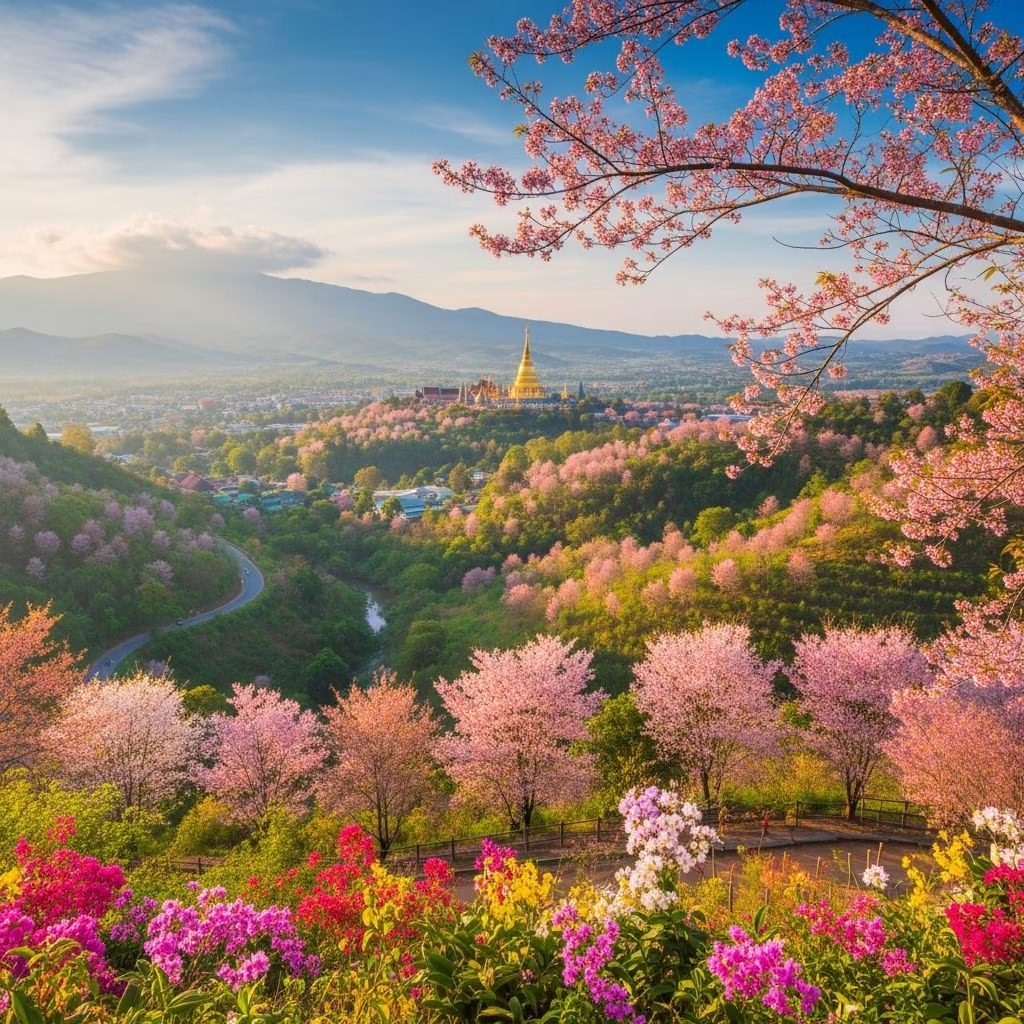
Chiang Mai earns recognition as Northern Thailand’s preeminent cultural destination, combining historical significance with contemporary vibrancy. The ancient city’s old town district, encircled by original walls and moat, preserves architectural heritage spanning centuries. Wat Chedi Luang, a temple complex dating to 1441, exemplifies the region’s religious architecture and remains an active worship site. The mountaintop temple Wat Phra That Doi Suthep, accessible via 306 ascending steps, rewards visitors with panoramic city vistas and spiritual atmosphere.
Chiang Mai’s reputation for culinary excellence extends beyond street food to encompass sophisticated restaurant offerings and traditional cooking schools. The city’s night markets operate year-round, featuring extensive food vendor collections and handicraft displays. During spring, Chiang Mai hosts Songkran celebrations with particular enthusiasm, transforming the city into a festival atmosphere where water-based festivities unite locals and tourists in traditional New Year observances.
The city’s surrounding region supports trekking operations and hill tribe village visits, though these activities warrant careful consideration regarding ethical tourism practices and environmental impact.
Phuket’s expansive coastline features over thirty white sand beaches offering varied environments from family-friendly to sophisticated resort settings. The island’s development as Thailand’s premier beach destination provides extensive hospitality infrastructure, dining establishments, and recreational facilities. However, visitors seeking marine experiences can escape the main island bustle by accessing the Similan Islands, an offshore protected area featuring exceptional diving conditions and minimal development.
Spring conditions favor underwater exploration, with water clarity and temperature creating comfortable diving and snorkeling environments. The Similan Islands’ coral ecosystems and fish populations support diverse marine tourism activities, though access requires boat transport from the main island and participation in organized excursions.
Thailand’s eastern provinces offer alternatives to heavily touristed southern destinations while maintaining coastal access and natural beauty. Rayong and Chanthaburi provinces step into prominence during May when agricultural harvests reach peak productivity. The seasonal fruit abundance—particularly mangosteen cultivation—creates distinctive culinary opportunities unavailable during other months. Local dishes incorporating regional specialties reflect agricultural cycles and traditional cooking practices preserved in provincial kitchens.
The provinces’ quieter beach environments attract visitors preferring serene shorelines to bustling resort islands. Scenic driving routes traverse agricultural regions and provide glimpses of rural Thai life. Chanthaburi’s famous pepper cultivation informs local cuisine distinctively, distinguishing the region’s flavors from other Thai provinces.
Pai represents a distinctive destination combining mountain geography with laid-back cultural atmosphere. This northern town, surrounded by lush vegetation and agricultural landscapes, attracts visitors seeking alternatives to mainstream tourism experiences. The town center concentrates trekking agencies, boutiques, and diverse dining establishments within accessible proximity. Evening walking streets feature vendor stalls and social activity, though quieter accommodation options exist on town peripheries for visitors prioritizing tranquility.
Natural attractions surrounding Pai include Pai Canyon’s distinctive geological formations, multiple waterfall systems (including Pam Bok and Mae Yen falls), and the Tha Pai Hot Spring complex. Spring conditions support outdoor exploration through varied terrain, though afternoon rainfall remains possible during transitional weather patterns.
| Destination | Primary Appeal | Best For | Spring Conditions |
|---|---|---|---|
| Ko Lipe | Beach and Marine Life | Snorkeling, Relaxation | Excellent |
| Ko Phayam | Peaceful Retreat | Tranquility, Walking | Good |
| Bangkok | Urban Culture | Temples, Markets | Warm, Feasible |
| Chiang Mai | Northern Heritage | Temples, Food, Festivals | Good |
| Phuket/Similan | Beach and Diving | Water Sports, Diving | Very Good |
| Rayong/Chanthaburi | Coastal Quiet | Relaxation, Food | Good |
| Pai | Mountain Nature | Hiking, Scenery | Good |
Spring travel to Thailand requires awareness of regional climate variations. While southern coastal areas generally experience favorable conditions, northern regions may display haze from agricultural burning practices, potentially affecting air quality and visibility. Eastern provinces typically maintain clear conditions throughout spring, making late May particularly attractive for visitors prioritizing visual clarity and outdoor photography opportunities.
Accommodation availability varies significantly across destinations and specific dates. Spring represents a shoulder season—more crowded than summer but less busy than winter holidays—enabling visitors to secure accommodations at moderate rates without experiencing peak season unavailability. Festival periods, particularly Songkran celebrations in mid-April, create accommodation shortages in popular cities including Chiang Mai and Bangkok.
Songkran celebrations transform Thai communities during mid-April, marking the traditional New Year with water-based festivities and spiritual observances. Chiang Mai’s Songkran celebrations achieve particular intensity, drawing international visitors alongside domestic travelers. Bangkok and other major cities also observe the festival, though with varying intensity and geographic distribution of activities.
Beyond Songkran, spring brings agricultural festivals in provincial areas, craft demonstrations in cultural zones, and temple celebrations reflecting Buddhist calendar observances. These events provide tourists authentic opportunities to witness living Thai traditions beyond commercialized performances.
Spring offers excellent conditions in many regions, though summer monsoons and winter season each present distinct advantages. Spring’s moderate prices, reduced crowds compared to winter, and favorable weather in multiple regions make it attractive for many travelers. However, northern haze during March-April and occasional intense heat require consideration.
Eastern provinces including Rayong and Chanthaburi maintain particularly reliable conditions during spring, experiencing less haze than northern regions. Southern islands like Ko Lipe and Ko Phayam typically feature calm seas and clear skies, making spring ideal for marine activities.
Spring represents a shoulder season with moderate accommodation pricing, neither as expensive as winter peaks nor as economical as monsoon months. Internal transportation costs remain consistent throughout the year, though fuel prices and seasonal adjustments may create minor variations.
Visitors either embracing festival participation should anticipate water activities and dress appropriately, or choose quieter destinations where celebrations remain minimal. Book accommodations well in advance and expect increased prices during festival periods.
