

 Travel Essentials
 Travel Essentials

A comprehensive guide to Utah's top destinations, from iconic national parks to lesser-known treasures, featuring practical travel tips and must-see attractions.
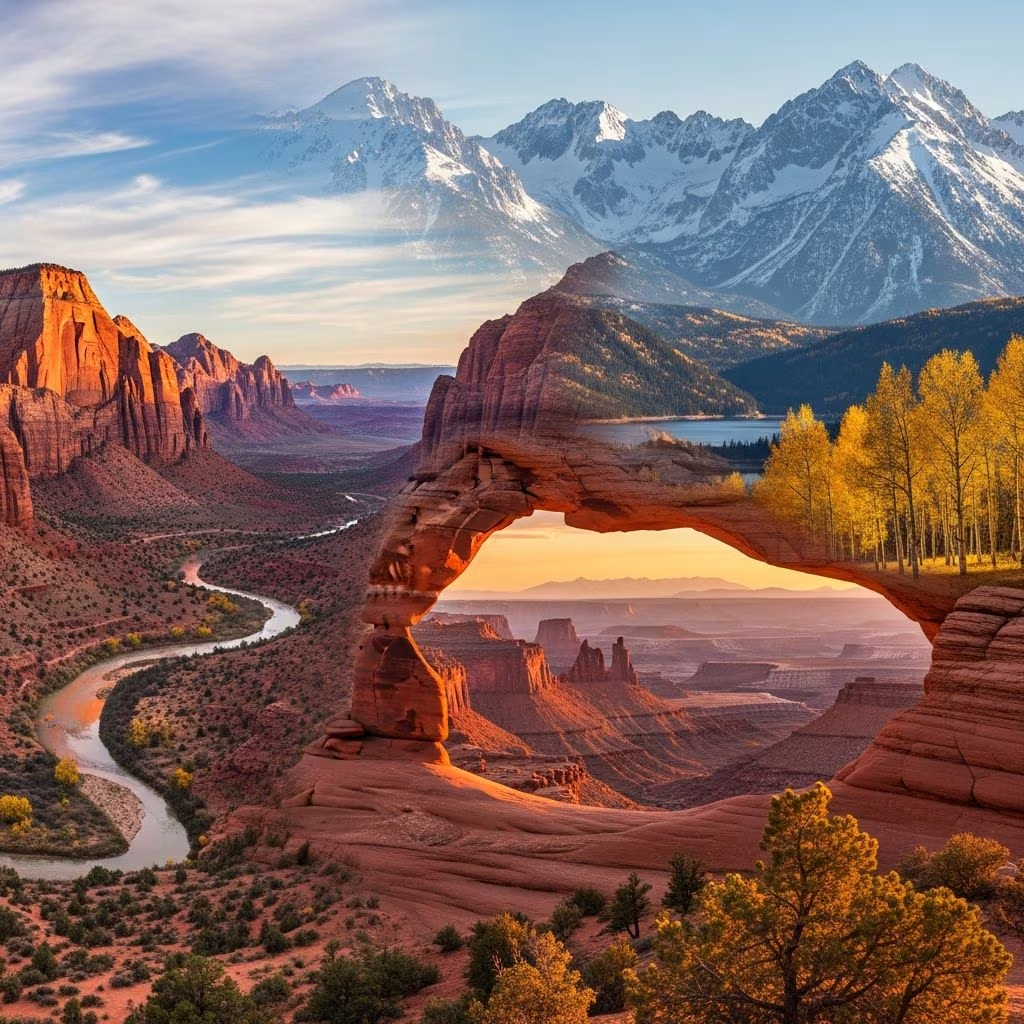 Travel Essentials
Utah stands as one of America’s most visually striking travel destinations, offering an extraordinary collection of natural wonders that span from dramatic canyon systems to otherworldly rock formations. Whether you’re seeking challenging alpine hikes, leisurely scenic drives, or opportunities to immerse yourself in the region’s rich geological heritage, Utah provides countless options for travelers of all experience levels. This guide explores the state’s most compelling destinations and provides insights into maximizing your Utah adventure.
Utah’s unique position in the Southwest creates a diverse landscape characterized by distinct climate zones and varying elevations. The state experiences four distinct seasons, with summer temperatures in lower elevations reaching well above 90°F, while higher elevations remain considerably cooler. Spring and fall offer optimal visiting conditions with moderate temperatures and lower precipitation. Understanding these geographic and climate patterns helps travelers plan their itineraries effectively and choose appropriate times to visit specific regions.
Utah’s most famous national park features towering sandstone cliffs, deep canyons carved by the Virgin River, and opportunities ranging from gentle riverside walks to challenging vertical ascents. The park’s diverse terrain accommodates both casual visitors and experienced mountaineers. The Riverside Walk provides stunning scenery for those preferring easier terrain, while the more demanding routes offer technical challenges and spectacular vistas. Multiple viewpoints accessible from the main park road provide excellent photography opportunities during sunrise and sunset hours, when the changing light transforms the red rocks into dramatic color displays.
Key hiking destinations within the park include both accessible and technical routes. Short trails suitable for families lead to impressive vantage points, while longer backcountry routes require preparation and permit reservations. The park’s popularity demands advance planning, particularly during peak seasons, to secure parking and hiking permits for the most visited trails.
Located roughly 100 miles from the state’s largest city, this park features distinctive geological formations including towering hoodoos and natural windows. The park’s scenic drive provides access to numerous pullouts and viewpoints, making it ideal for visitors with limited hiking time. Multiple overlooks positioned strategically along the main road offer changing perspectives of the landscape throughout the day.
The park provides excellent hiking opportunities for varied fitness levels. Rim trails offer panoramic views with manageable distances, while descents into the hoodoo forest present more challenging but rewarding experiences. Sunrise and sunset viewing draw significant crowds, particularly at designated panoramic viewpoints, making early arrival advisable during peak season.
This lesser-visited park offers spectacular canyon scenery without the overwhelming crowds found at more famous destinations. The park features colorful rock layers representing millions of years of geological history, creating a natural timeline visible in the landscape. Limited accommodation options mean visitors should book lodging well in advance, particularly during peak season months.
The park’s scenic drive accesses numerous viewpoints revealing different aspects of the landscape. Historic structures and cultural sites throughout the park provide context for understanding the region’s human history alongside its geological story. Hiking options range from moderate waterway walks to challenging ridge trails offering expansive vistas.
This park protects one of the world’s most significant collections of natural stone arches and unique rock formations. Over 2,000 cataloged arches create a landscape unlike any other major American park. The distinctive balanced rocks and towering fins complement the extensive arch system, providing endless photographic opportunities and diverse hiking experiences.
Major attractions include famous arches requiring moderate hiking efforts and less-traveled formations for those seeking quieter experiences. The park’s scenic drive reaches important viewpoints, while trail networks extend into more remote regions for adventurous explorers. Rock climbing, photography, and geology enthusiasts find exceptional opportunities throughout the park.
This state park features otherworldly sandstone formations creating a landscape often compared to planetary surfaces. The distinctive hoodoos and unusual rock shapes create an alien environment just off major highway corridors. The park provides an excellent alternative for travelers seeking unique formations without extreme crowds, though its remarkable appearance makes it increasingly popular.
The landscape offers excellent opportunities for photography, particularly during golden hour conditions. Self-guided exploration works well for families with children interested in geological education. The relatively short visits needed to experience the park’s main attractions make it suitable for road-trippers en route to other destinations.
These distinctive geological formations appear in multiple locations throughout Utah, with particularly striking examples near major national parks. The multicolored layers and unusual erosion patterns create visually striking landscapes accessible from major highways. These formations provide excellent photography opportunities, particularly during sunset when changing light brings out the color variations in the geological layers.
This legendary landscape has featured in countless Western films and remains one of the American Southwest’s most photographed locations. The valley’s distinctive buttes, mesas, and rock formations create an instantly recognizable silhouette. Located within tribal territory, the valley offers cultural experiences alongside geological touring, providing context for understanding the region’s indigenous heritage.
Multiple viewpoints provide different perspectives of the valley’s formations, with John Ford’s Point serving as the most famous vantage location. The self-guided hiking trail offers a closer experience of the landscape without requiring vehicle access. Sunrise and sunset visits provide optimal lighting for photography, though crowds during these times reflect the location’s international popularity.
Several national monuments offer exceptional scenery with considerably fewer visitors than major national parks. These federally protected areas feature unique geological formations, cultural artifacts, and recreational opportunities. Extended hiking routes through designated wilderness areas provide solitude and connection with pristine landscapes. These destinations appeal particularly to travelers seeking less-crowded experiences and deeper exploration of specific geological or cultural interests.
Several highway corridors have received scenic byway designations due to exceptional visual qualities. These routes connect major destinations while providing access to numerous pullouts, trailheads, and viewpoints. Driving these routes intentionally, rather than rushing between destinations, rewards travelers with continuous landscape changes and photographic opportunities throughout the day.
Spring months (March through May) and fall months (September through November) offer ideal weather conditions with moderate temperatures and lower precipitation. Summer brings intense heat in lower elevations, while winter weather closes certain high-elevation routes. Understanding seasonal variations allows travelers to plan appropriate activities and expect manageable visitor populations outside peak summer season.
Utah’s destinations spread across considerable distances, requiring multi-hour driving between locations. Most attractions are accessible by paved roads, though some remote areas require high-clearance vehicles. Advance fuel planning proves essential in rural areas where gas stations are widely spaced. Lodging availability varies significantly between popular gateway towns and more remote locations, making reservations crucial for peak season visits.
Utah’s elevation and desert conditions require physical preparation and appropriate precautions. High altitude affects many visitors, while desert sun and heat present dehydration risks. Carrying adequate water, sun protection, and appropriate footwear proves essential for safe exploration. Understanding your fitness level and choosing appropriate trails prevents injury and ensures enjoyable experiences.
Gateway communities surrounding major parks offer varied lodging from luxury resorts to budget campgrounds. On-park accommodations, where available, often fill well in advance. Dining options range from sophisticated restaurants in larger towns to casual establishments serving regional cuisine. Understanding accommodation availability and planning reservations appropriately prevents disappointing last-minute challenges.
Utah’s dramatic landscapes reward photographers with exceptional opportunities throughout the day. Golden hour conditions at sunrise and sunset bring out the most vibrant colors and dramatic lighting. Understanding light patterns and seasonal sun positions allows photographers to plan visits strategically for optimal conditions. Cloudy conditions, often avoided by casual visitors, can produce dramatic atmospheric effects and reduced shadows beneficial for landscape photography.
Spring (March-May) and fall (September-November) offer ideal weather with comfortable temperatures and manageable crowds. Summer brings intense heat in lower elevations, while winter closes certain routes.
Capitol Reef National Park typically receives fewer visitors than other major parks despite offering extensive attractions and spectacular scenery.
Yes, strategic planning allows visiting three to four major parks in seven days, though allowing additional time improves the experience quality.
The most visited trails require advance permits or timed reservations, particularly during peak season. Check specific park requirements when planning.
Interstate 70 and US highways 191, 89, and 12 form the primary corridor connecting major destinations with access to smaller parks and monuments.
Stargazing opportunities in designated dark sky areas provide exceptional viewing of the Milky Way and celestial phenomena. Several parks maintain dark sky designations, with minimal light pollution enhancing night sky visibility. Astronomical organizations offer guided programs during peak viewing seasons, combining education with observation experiences.
Geological education through ranger programs and visitor center exhibits provides context for understanding the landscape’s formation and evolution. Many parks offer specialized tours focusing on specific geological periods or formation processes. These educational experiences enhance appreciation for the natural wonders and transform casual sightseeing into meaningful learning.
Utah’s desert ecosystems remain fragile despite their apparent harshness. Following established trails, respecting closure areas, and practicing Leave-No-Trace principles protects these landscapes for future generations. Understanding specific regulations for each park ensures compliance with conservation requirements. Responsible tourism supports the preservation of these exceptional destinations while enabling continued public access.
