

 Travel Essentials
 Travel Essentials

Explore premier powder skiing havens worldwide, featuring Japan, Canada, the Alps, and more with tips for epic turns and safe adventures.
 Travel Essentials
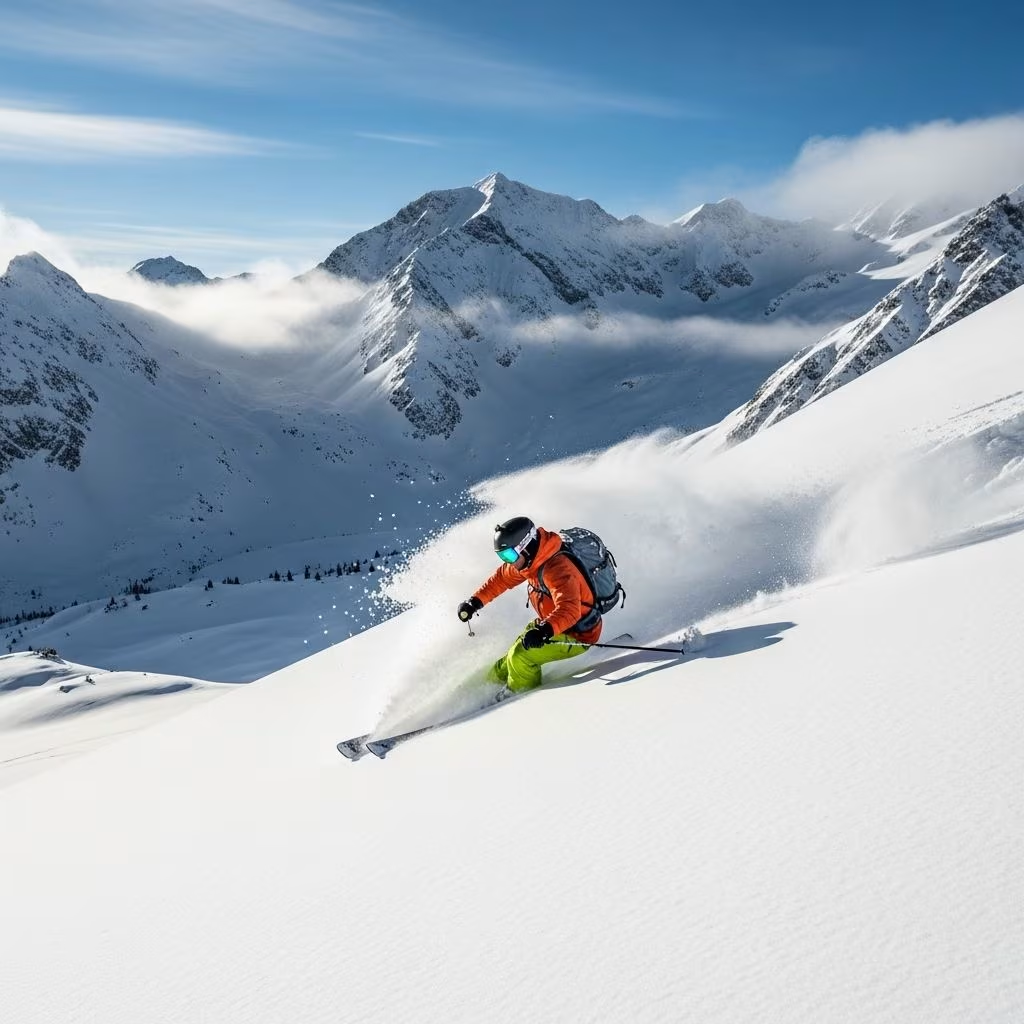
Nothing compares to the thrill of gliding through fresh, deep powder snow, where every turn feels effortless and exhilarating. Powder skiing enthusiasts chase the lightest, driest snow across continents, seeking resorts and regions renowned for consistent dumps and vast terrain. This guide uncovers the planet’s premier locations for unmatched powder experiences, drawing from expert insights on snow quality, accessibility, and unique adventures.
Powder skiing offers a pure form of freeriding, demanding skill in floating through untracked snow while navigating variable conditions. The best spots deliver consistent snowfall, cold temperatures for preserving fluffiness, and expansive off-piste areas. Japan leads with its maritime snow influenced by Siberian winds and Sea of Japan moisture, creating famously light powder. Canada’s interior mountains boast heli-skiing opportunities amid endless tree runs, while European Alps provide steep couloirs and glacier runs.
Factors like snowpack stability, resort infrastructure, and cultural perks elevate these destinations. For instance, Japan’s onsen hot springs provide post-ski recovery, blending adventure with relaxation. Safety remains paramount; always check avalanche forecasts and consider guided trips in unfamiliar terrain.
Hokkaido’s resorts dominate global powder rankings due to epic snowfall totals exceeding 15 meters annually. Niseko stands out with its international vibe, four interconnected mountains, and nightly dumps that refill slopes by morning. Beyond the crowds, quieter areas like Rusutsu and Furano offer bamboo-lined glades and lighter traffic for serene tree skiing.
Hakuba in Nagano combines Olympic heritage with deep backcountry gates, ideal for advanced skiers. Local culture enhances the trip: savor ramen after runs and unwind in geothermal baths. Guided backcountry tours reveal hidden stashes, emphasizing Japan’s unique snow-to-water ratio of 7:1 or lighter. Beginners should stick to groomed runs, while experts chase steep faces.
British Columbia’s Selkirk and Monashee ranges deliver some of Earth’s fluffiest snow, fueled by Pacific storms. Revelstoke shines with North America’s longest vertical and heli-skiing ops dropping 1,000m runs in untouched powder. The town’s laid-back vibe pairs with big-mountain terrain, from mellow trees to exposed spines.
Fernie and RED Mountain in the Rockies offer steep, deep lines amid colorful chutes. Kicking Horse provides lift-accessed bowls, while Whitewater’s steep-and-deep ethos suits powder hounds. Banff’s Lake Louise adds scenic grandeur with reliable snowpack. Heli and cat-skiing here unlock millions of acres, but prioritize avalanche training.
| Resort | Key Powder Feature | Vertical Drop | Best For |
|---|---|---|---|
| Revelstoke | Endless heli terrain | 1,713m | Experts |
| Fernie | Crazy chutes | 1,082m | Steep lovers |
| RED Mountain | Remote bowls | 886m | Adventurers |
| Kicking Horse | Glacier bowls | 1,315m | All levels |
Jackson Hole, Wyoming, rivals international giants with its massive tram dropping into open bowls and couloirs. Grand Teton National Park nearby offers guided backcountry amid iconic peaks, where powder persists into spring. The resort’s cowboy culture adds flavor, with deep snow averaging 11 meters yearly.
Alta and Snowbird in Utah deliver blower powder from Great Salt Lake-effect storms, with legendary corniced ridges. These spots emphasize natural snow, banning snowmaking on key runs for purity.
The French Alps’ Chamonix boasts extreme terrain under Mont Blanc, from Aiguille du Midi cable car descents to vast off-piste. Verbier in Switzerland connects four valleys for endless powder fields. St. Anton, Austria—the alpine skiing birthplace—features Arlberg region’s 305km of runs and deep snow in Rendl and Valluga. Norway’s Lyngen Alps provide arctic powder with midnight sun potential, blending fjords and glaciers.
Engelberg-Titlis in Switzerland offers 50km of freeride routes with dramatic north faces. These areas demand respect for seracs and crevasses; hire IFMGA guides.
Timing is crucial: Japan peaks December-March, Canada January-February for coldest snow. Book heli ops early and pack essentials like ABS airbags, beacons, and probes. Budget for lifts ($100+/day), lodging, and guides ($500+/day for heli). Apps like Fatmap aid route planning; join local forecasts for real-time conditions.
Skill progression: Start with cat tracks, advance to trees, then spines. Women-specific clinics and adaptive programs broaden access. Sustainability matters—follow Leave No Trace in backcountry.
Master powder stance: knees bent, weight centered, hands forward. Use wider skis (110mm+ waist) for float. In Japan, low-angle turns preserve legs in calf-deep snow. Practice pivots in trees; speed controls depth perception. Video analysis refines technique, as seen in pro edits of fluid powder surfing.
Powder is light, dry snow with high air content, allowing skis to float rather than sink, creating buoyant turns.
Yes, its cold, moist storms produce the lightest snow globally, with resorts like Niseko guaranteeing deep days.
Mid-January to early March, when storms align for stable, deep accumulations.
Absolutely in unfamiliar areas—AIARE Level 1 training and local knowledge mitigate avalanche risks.
$3,000-$10,000/week including flights, lodging, lifts, and heli, varying by luxury.
Powder skiing transcends sports—it’s a pursuit of ephemeral perfection. From Japan’s ethereal flakes to Canada’s wild expanses, these destinations promise transcendent runs. Gear up, train smart, and chase the white dragon responsibly for memories that last lifetimes.
