

 Travel Essentials
 Travel Essentials

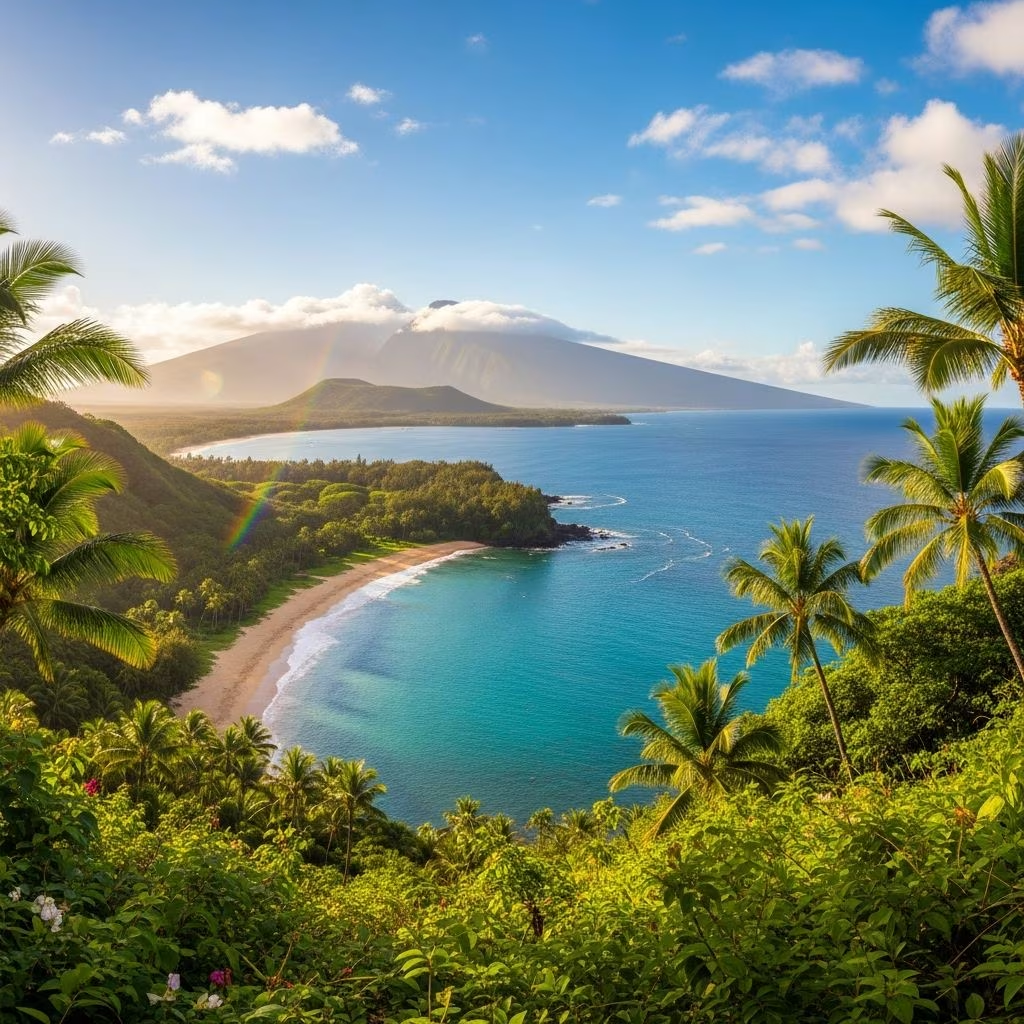
Explore curated selections of Hawaii's most exceptional resorts, from ultra-luxury properties to family-friendly destinations offering authentic island experiences.
 Travel Essentials
Hawaii represents one of the world’s most coveted vacation destinations, offering travelers an unparalleled combination of natural beauty, cultural richness, and world-class accommodations. The Hawaiian Islands attract millions of visitors annually, each seeking their own version of tropical paradise. Whether planning a romantic honeymoon, a family vacation, or a solo retreat, the islands host an extensive array of resorts designed to cater to virtually every preference and budget level. This comprehensive guide explores the premier properties available across Hawaii’s major islands, helping travelers navigate the diverse offerings and select accommodations that align with their specific vacation objectives.
Hawaii’s hospitality sector encompasses properties ranging from intimate boutique establishments to sprawling mega-resorts with hundreds of rooms. The islands each possess distinct characteristics that influence the resort experience available there. Oahu serves as the primary gateway, featuring historic properties and high-energy resort environments. Maui attracts those seeking refined luxury combined with stunning natural vistas. The Big Island offers diverse experiences from volcanic landscapes to pristine beaches. Kauai provides a more secluded, nature-focused alternative to its busier counterparts. Understanding these regional distinctions helps travelers select islands that complement their vacation priorities.
Several establishments have achieved recognition as Hawaii’s most prestigious accommodations, setting standards that distinguish them within the competitive luxury market. These properties invest substantially in guest experiences, amenities, and service excellence. The Four Seasons portfolio demonstrates consistent excellence across multiple Hawaiian locations, with properties on Maui and the Big Island earning particular acclaim from travel professionals and guests alike. These establishments feature expansive grounds, championship-caliber amenities, and personalized service that justifies their premium positioning.
Beyond the Four Seasons, other luxury collectors have established significant presences. The Halekulani on Oahu represents iconic beachfront hospitality with deep historical roots in the islands, while newer additions like the Rosewood Kona Village demonstrate how reimagined legacy properties can deliver contemporary luxury alongside authentic Hawaiian character. These establishments compete primarily on service quality, exclusivity, and curated experiences rather than room count.
Hawaii attracts substantial family tourism, and several properties excel at accommodating multi-generational groups without sacrificing resort elegance. The Grand Wailea on Maui represents a comprehensive family destination, combining activities, amenities, and dining options that entertain children while offering adult relaxation spaces. Properties with dedicated kids’ clubs, multiple pool complexes, and integrated activity programs allow parents to enjoy vacation elements while children remain engaged and entertained.
Aulani, A Disney Resort & Spa provides a distinctly different family experience, blending Disney entertainment traditions with Hawaiian cultural elements and beachfront access. The property appeals to families seeking familiar brand expectations combined with authentic island experiences. Other family-friendly properties focus on providing spacious accommodations, multiple dining venues, and flexible programming that accommodates varying age groups and activity preferences.
Beachfront positioning significantly influences the resort experience, with properties directly accessing pristine sand commanding premium positioning within the market. The Mauna Kea Beach Resort on the Big Island features access to one of Hawaii’s most celebrated white sand beaches, recently renovated to combine historic character with contemporary amenities. Properties emphasizing natural beach access differentiate themselves from those requiring guests to access water activities through alternative means.
The Hana-Maui Resort exemplifies an alternative beachfront approach, featuring 74 oceanview cottages distributed across 66 acres of tropical gardens rather than traditional resort density. This model emphasizes privacy, natural surroundings, and intimate guest experiences over the entertainment and activity programming typical of larger properties. Such differentiation appeals to travelers prioritizing tranquility and natural beauty over comprehensive resort infrastructure.
Travelers maintaining budget consciousness need not sacrifice quality Hawaiian experiences. Several properties deliver meaningful value propositions, providing authentic island hospitality at substantially lower price points than ultra-luxury establishments. The Royal Kona Resort on the Big Island maintains classic oceanfront character while keeping rates between $150-$250 nightly, substantially below luxury segment pricing. Such properties offer genuine value through longevity, operational efficiency, and prioritization of core experiences over amenities proliferation.
Budget-conscious travelers benefit from recognizing that resort quality manifests in multiple dimensions beyond room categories. Properties offering exceptional luaus, convenient beach access, established dining programs, and cultural activities provide meaningful value regardless of room pricing. Strategic travelers often select properties emphasizing their strongest differentiators rather than attempting comprehensive luxury positioning.
| Resort Category | Typical Nightly Rate | Primary Strength | Best For |
|---|---|---|---|
| Ultra-Luxury | $800+ | Personalized service, exclusive amenities | Special occasions, luxury-focused travelers |
| Upscale Resort | $400-$800 | Comprehensive amenities, excellent service | Couples, families seeking quality experiences |
| Mid-Range | $200-$400 | Authentic character, solid value | Budget-conscious families, independent travelers |
| Budget Friendly | $100-$200 | Beachfront access, cultural authenticity | Backpackers, extended-stay families |
Maui hosts the highest concentration of premier resorts, particularly along the Wailea and Kaanapali coastlines. The island’s consistent weather, extensive beach access, and developed resort infrastructure make it the primary luxury destination. Oahu concentrates historic and activity-focused properties, with Waikiki Beach representing the islands’ most recognized hospitality zone. The Big Island offers diverse experiences, from Kona-Kohala resort areas emphasizing relaxation to volcano-proximity properties appealing to adventure-focused travelers. Kauai attracts visitors seeking less-developed, nature-immersed experiences.
Hawaii’s tourism patterns create variable pricing and availability throughout the calendar year. Winter months (December through March) represent peak season, with holidays commanding premium rates and requiring advance reservations. Summer months offer slightly reduced pricing with family-oriented demand patterns. Understanding seasonal dynamics allows strategic travelers to optimize timing relative to budget and crowd preferences. Many properties offer promotional packages during shoulder seasons, providing value opportunities for flexible travelers.
Modern resort differentiation extends beyond accommodations to encompassing comprehensive amenities and activity programming. Championship golf courses, full-service spas, multiple dining venues, water sports access, and cultural programming now represent baseline expectations among upscale properties rather than distinguishing features. Increasingly, resorts distinguish themselves through curation quality—selecting specific experiences and partnerships that create memorable engagement rather than maximizing amenity quantity.
Leading luxury brands extend value through partnership programs that supplement base accommodation offerings. Four Seasons Preferred Partner benefits provide complimentary upgrades, late checkout, and dining credits alongside room accommodations. Marriott Bonvoy properties offer points accumulation and elite benefits within their integrated system. Understanding available partnership programs allows travelers to maximize value through program alignment with frequent travel patterns and existing loyalty relationships.
Contemporary resorts increasingly integrate technology that enhances rather than replaces human interaction. Digital check-in, mobile-controlled room amenities, and activity booking platforms improve efficiency without sacrificing personal service. The most successful properties employ technology strategically to streamline administrative processes while preserving opportunities for genuine hospitality interaction that defines luxury experiences.
Q: What represents the best time to visit Hawaii for resort stays?
A: Winter months (December-March) offer ideal weather but command premium pricing and require advance bookings. Shoulder seasons (April-May, September-November) provide weather quality with reduced crowds and pricing. Summer months prioritize family travel with corresponding rate adjustments.
Q: How far in advance should resort reservations be made?
A: For peak season travel, 2-3 months advance planning ensures optimal property availability. Shoulder season travel can accommodate 4-6 week lead times. Last-minute travel occasionally yields discounted rates through unsold inventory programs.
Q: Do all Hawaiian resorts require car rentals for guest mobility?
A: Properties located in resort clusters (Wailea, Kaanapali, Kona-Kohala, Poipu) provide substantial on-site amenities and activities. Beachfront locations often enable pedestrian access to dining and shopping. Car rentals enhance flexibility but prove unnecessary for guests prioritizing resort-based experiences.
Q: Which islands best serve different vacation types?
A: Maui and Oahu emphasize comprehensive resort infrastructure and activity programming. The Big Island offers diverse experiences from relaxation to adventure. Kauai appeals to nature-focused travelers seeking minimal development presence.
Q: How do all-inclusive models differ from traditional resort pricing?
A: Some Hawaiian properties offer all-inclusive packages bundling accommodations, meals, and activities. These models appeal to travelers preferring transparent pricing and simplified planning. Most Hawaiian resorts operate traditional models allowing independent dining and activity selection.
Hawaii’s resort sector increasingly emphasizes sustainability, cultural authenticity, and wellness-focused experiences. Properties invest in renewable energy, water conservation, and local sourcing initiatives addressing environmental concerns. Cultural programming has evolved beyond entertainment to encompassing genuine educational experiences featuring authentic traditions. Wellness offerings expand beyond spa services to encompassing nutrition programs, fitness experiences, and mental health-focused amenities.
Hawaii’s diverse resort portfolio accommodates virtually every travel preference and budget consideration. Successful resort selection requires clarifying specific vacation objectives, understanding available options across islands and categories, and matching property characteristics to personal priorities. Whether seeking ultra-luxury exclusivity, comprehensive family amenities, authentic cultural experiences, or value-oriented beach access, Hawaiian resorts deliver world-class hospitality in incomparable natural settings. Thoughtful planning enables travelers to transform their Hawaiian vacation aspirations into memorable experiences that justify the islands’ continued reputation as premier global destinations.
