


 Food & Culture
Food & Culture
Best Restaurants in Barcelona: A Guide to Catalan Dining
A comprehensive guide to dining experiences across Barcelona, featuring traditional Catalan cuisine, modern gastronomy, and neighborhood gems worth discovering.
 Food & Culture
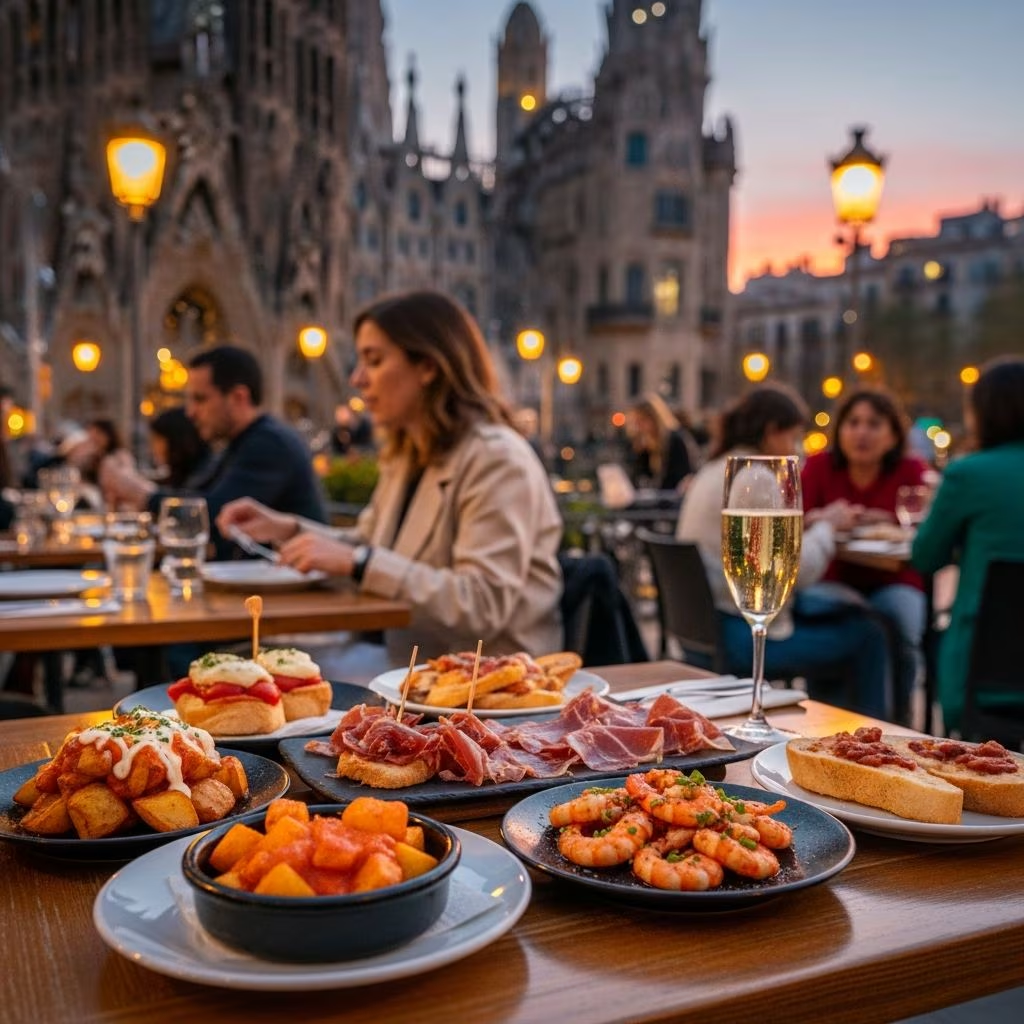
Barcelona has established itself as one of Europe’s most exciting culinary destinations, offering an extraordinary range of dining experiences that reflect both the city’s rich history and its innovative present. Whether you’re seeking time-honored traditional establishments, cutting-edge contemporary cuisine, or casual neighborhood haunts, the Catalan capital delivers exceptional food across every price point and dining style. This guide navigates through Barcelona’s diverse restaurant landscape, highlighting what makes each category of dining special and where to find the most memorable meals.
The Evolution of Barcelona’s Food Culture
The restaurant scene in Barcelona has transformed dramatically over the past decades, blending centuries-old culinary traditions with modern techniques and global influences. The city’s location on the Mediterranean coast has always provided access to exceptional seafood, while its agricultural hinterland supplies fresh produce year-round. This combination has created a unique food identity that celebrates local ingredients while embracing international perspectives. Today’s Barcelona dining reflects this heritage—restaurants honor traditional recipes while contemporary chefs push boundaries with creative interpretations of classic dishes.
The city’s neighborhoods each contribute distinct flavors to this culinary tapestry. Gràcia maintains an artisanal spirit with intimate venues focusing on seasonal menus and local sourcing. Barceloneta preserves its fishing village character through seafood-focused establishments. Eixample showcases the city’s cosmopolitan energy with diverse cuisines and modern aesthetics. Understanding these neighborhood characteristics helps diners choose experiences that match their preferences and expectations.
Navigating Traditional Catalan Dining
Traditional Catalan restaurants represent the foundation of Barcelona’s food culture, preserving recipes and cooking methods passed through generations. These establishments maintain a commitment to authenticity that extends beyond menu items to encompass atmosphere, service style, and the philosophy of eating as a communal experience.
Historic establishments deserve special attention from travelers seeking deep cultural immersion. Restaurants operating for over a century have witnessed Barcelona’s transformation while maintaining their core identity. These venues feature traditional decor—often including vintage photographs, wood paneling, and intimate dining spaces—that transport guests into another era. The kitchen staff at these institutions typically possess encyclopedic knowledge of traditional techniques, preparing dishes exactly as they were prepared decades ago.
Charcoal-grilled meats represent a cornerstone of traditional Catalan cuisine, prepared with techniques that highlight natural flavors without heavy sauces or excessive embellishment. When visiting during winter months, seek out restaurants offering specialized seasonal preparations like calçotada, a festive dish featuring charred green onions served with romesco sauce for dipping. This communal dining experience exemplifies the social aspect of Catalan food culture, where eating together matters as much as what appears on the plate.
Seafood preparation showcases another pillar of traditional cooking. Restaurants located in historic fishing districts maintain connections to daily catches, featuring fish and shellfish prepared simply—often grilled or gently poached—to preserve delicate flavors. Walls decorated with photographs of celebrities and local figures add authentic character to these spaces, telling stories of decades serving the community and welcoming notable visitors.
Modern Kitchen Innovation and Technique
Contemporary Barcelona restaurants represent the cutting edge of European gastronomy, where chefs trained in classical techniques apply modern methods to create innovative dishes. These establishments prioritize seasonal ingredient selection, frequently changing menus to reflect what’s available from local suppliers at peak ripeness and flavor.
The philosophy driving modern Barcelona kitchens emphasizes ingredient quality over complexity. Rather than relying on heavy sauces or elaborate presentations, chefs focus on coaxing maximum flavor from premium components through precise technique and thoughtful preparation. Menus often feature unexpected combinations that intrigue diners while maintaining balance and coherence on the plate.
Reservation policies at popular contemporary restaurants reflect the demand for these dining experiences. Many venues require booking weeks in advance, indicating strong local and international interest. The experience of dining at these restaurants often includes personalized attention from knowledgeable staff who explain dishes, suggest wine pairings, and ensure each course arrives at the optimal temperature and timing.
The dining room environment in contemporary restaurants varies significantly, from minimalist spaces emphasizing architectural simplicity to warmly decorated rooms that balance modern design with inviting comfort. What unites these spaces is intentionality—every design element serves the dining experience rather than existing merely for aesthetic purposes.
Neighborhood-Specific Dining Experiences
Understanding Barcelona’s neighborhoods provides context for choosing dining experiences that align with your preferences and schedule. Each district maintains characteristic approaches to food service, ingredient sourcing, and dining culture.
Gràcia District Character
Gràcia maintains a reputation as Barcelona’s most artisanal neighborhood, home to intimate restaurants prioritizing seasonal menus and direct relationships with local suppliers. The neighborhood’s bohemian atmosphere and tight community encourage restaurants to operate as local gathering places rather than tourist destinations. Dining here often means joining neighbors for meals, contributing to the convivial atmosphere that defines the district.
Barceloneta’s Seafood Heritage
The historic fishing district of Barceloneta naturally specializes in seafood preparations reflecting generations of maritime tradition. Restaurants here maintain connections to fishing boats and daily markets, ensuring ingredient freshness and quality. The area’s casual charm and sea-view locations create relaxed dining environments perfect for leisurely meals and people-watching.
Eixample’s Cosmopolitan Energy
The grid-planned Eixample district contains Barcelona’s most diverse dining options, from casual neighborhood spots to sophisticated tasting-menu establishments. This neighborhood’s cosmopolitan character means cuisines from around the world appear alongside Catalan specialties. Shopping districts and transit hubs make Eixample convenient for dining at various times throughout the day.
Sant Antoni’s Emerging Scene
Sant Antoni has transformed from working-class neighborhood to vibrant dining destination, maintaining an unpretentious spirit while attracting innovative restaurants. Weekend markets and casual tapas bars create a dynamic street-food culture complemented by more refined dining options. The neighborhood appeals to travelers seeking authenticity without excessive formality.
Specialized Dining Categories
Paella and Rice Dishes
Paella deserves dedicated attention as both a traditional dish and modern culinary canvas. Traditional preparations feature short-grain bomba rice combined with seafood, meat, or vegetables depending on regional variations. Contemporary interpretations experiment with ingredient combinations while maintaining the cooking technique that creates the prized crispy bottom layer called socarrat.
Premium preparations sometimes feature manually peeled seafood, eliminating the need for diners to work through shells—a luxury feature justifying higher prices. The theatrical presentation of paella, with dramatic color and aromatic appeal, contributes to its enduring popularity across all dining categories.
Tapas and Wine Bars
Tapas represent Barcelona’s most accessible and social dining format, encouraging sharing and exploration across multiple small plates. Wine bars serving tapas create casual environments perfect for browsing menus while enjoying excellent beverages. This format accommodates various group sizes and dining schedules, making it ideal for travelers with flexible plans.
Quality tapas preparation demonstrates technical skill despite the small format. Each item requires proper seasoning, appropriate cooking temperature, and thoughtful plating. The variety available—from cured meats to cooked preparations to simple vegetable dishes—means diners can construct meals matching any dietary preference or appetite level.
Bakeries and Pastry Traditions
Barcelona’s bakery culture deserves exploration beyond typical breakfast contexts. Traditional bakeries produce breads, pastries, and sweet preparations using heritage recipes and time-honored techniques. Many bakeries supply restaurants with products, ensuring ingredients meet exacting standards. Visiting a quality bakery provides insight into neighborhood food culture while offering excellent affordable options for casual meals.
Specialized pastries like coca de crema—flaky layered pastry filled with crème pâtissière—exemplify the technical skill and ingredient quality characterizing Barcelona’s pastry tradition. These items, often available only in limited quantities, reward early visiting.
Practical Dining Guidance
Reservation Strategies
Popular restaurants require advance booking, sometimes several weeks ahead for contemporary establishments or peak seasons. Online reservation platforms offer convenient booking options, though direct contact by phone sometimes yields better availability or flexibility. Many restaurants hold tables specifically for walk-in guests, though this requires timing flexibility and patience.
Timing and Meal Structure
Barcelona maintains meal timing different from many other European cities. Lunch typically spans 1:00 PM to 3:00 PM, with dinner beginning around 8:00 PM or later. Restaurants often close between lunch and dinner service, typically 3:00 PM to 7:00 PM. Planning meals around these schedules prevents disappointment from finding desired restaurants closed.
Budget Considerations
Barcelona offers dining across all price ranges. Casual tapas bars, neighborhood restaurants, and bakeries provide exceptional food at low costs. Mid-range establishments offer refined preparations at moderate prices. High-end dining experiences command premium prices reflecting ingredient quality, technique, and service levels. Understanding your budget helps target appropriate venues without repeated disappointment.
Language and Communication
While English is increasingly common in central Barcelona restaurants, particularly those catering to international tourists, neighborhood establishments may operate primarily in Catalan or Spanish. Learning basic food-related vocabulary or utilizing translation apps enhances communication and demonstrates respect for local culture. Staff generally make significant effort to accommodate international guests despite language barriers.
Seasonal Dining Considerations
Barcelona’s Mediterranean climate allows year-round outdoor dining, though seasonal produce variations significantly impact menu offerings. Winter months feature hearty preparations and specialized seasonal dishes like calçotada. Spring and summer emphasize fresh vegetables, lighter preparations, and increased outdoor seating. Understanding seasonal availability helps diners appreciate what’s optimal to order during their visit.
Winter months (January to March) showcase root vegetables, preserved preparations, and rich stocks. Spring (April to June) introduces new vegetables and lighter fish preparations. Summer (July to September) features tomato-based dishes, seafood ceviches, and fresh fruit desserts. Autumn (October to December) transitions with mushrooms, game preparations, and harvest vegetables.
Dietary Accommodations and Preferences
Barcelona increasingly accommodates various dietary requirements through dedicated restaurants and flexible menu adjustments at mainstream venues. Vegetarian and vegan establishments exist throughout the city, often providing creative preparations celebrating seasonal produce. Gluten-free dining options appear at most restaurants, though communication clarity ensures safety and quality.
Communicating dietary needs clearly to restaurant staff ensures appropriate preparations. Many chefs embrace dietary restrictions as creative challenges, designing special preparations when properly informed. Providing advance notice for significant dining groups or specialized requirements increases likelihood of satisfactory accommodations.
Frequently Asked Questions
What makes Barcelona’s food culture distinctive?
Barcelona’s culinary identity combines Mediterranean seafood traditions with mountain agricultural products, creating unique flavor combinations. The city’s history and cosmopolitan character have introduced global influences while maintaining strong connections to Catalan heritage. This balance between tradition and innovation defines contemporary Barcelona dining.
Are reservations always necessary?
Popular restaurants strongly recommend advance reservations, particularly during peak seasons and evening service. Casual tapas bars and neighborhood spots typically accommodate walk-in guests. Timing flexibility—visiting during lunch rather than dinner, or on weekdays rather than weekends—increases likelihood of spontaneous dining success.
What’s the difference between Barcelona and broader Spanish cuisine?
Catalan cuisine emphasizes local Mediterranean ingredients differently than other Spanish regions. Seafood preparation, the use of romesco sauce, and specific preparations like escalivada (roasted vegetables) characterize Catalan cooking. While shared traditions exist across Spain, Barcelona’s specific traditions reflect its unique geography and cultural history.
How should visitors navigate language barriers?
Tourist-oriented restaurants employ English-speaking staff, while neighborhood establishments may operate primarily in Catalan. Learning basic food-related Spanish phrases, using translation apps, and examining menu descriptions carefully helps navigate communication challenges. Staff generally appreciate efforts to communicate in local languages.
What represents the best value dining?
Casual tapas bars, neighborhood restaurants frequented by locals, and traditional bakeries offer exceptional food at low costs. Lunch menus (menú del día) provide multi-course meals at fixed prices significantly lower than evening service. Seeking recommendations from accommodations or local residents often leads to undiscovered gems offering excellent value.
References
- 20 Best Restaurants in Barcelona Right Now (2026 Guide) — Barcelona Food Experience. Accessed April 2026. https://www.barcelonafoodexperience.com/blog/best-restaurants-in-barcelona-right-now
- THE 10 BEST Restaurants in Barcelona (Updated April 2026) — TripAdvisor. Accessed April 2026. https://www.tripadvisor.com/Restaurants-g187497-Barcelona_Catalonia.html
- The Ultimate Barcelona Food & Drink Guide 2026: Eat Like a Local — Barcelona Activity Guide. Accessed April 2026. https://barcelonaactivityguide.com/blog/barcelona-food-drink-guide-2026-tapas-paella-markets
- My favourite places to eat and drink in Barcelona in 2026 — Braise. Accessed April 2026. https://braise.substack.com/p/my-favourites-eat-drink-barcelona-2026
- The 10 Best Restaurants in Barcelona 2026 — TheFork. Accessed April 2026. https://www.thefork.com/restaurants/barcelona-c41710
- Barcelona MICHELIN Restaurants — The MICHELIN Guide. Accessed April 2026. https://guide.michelin.com/us/en/catalunya/barcelona/restaurants
On This Page
The Evolution of Barcelona's Food Culture Navigating Traditional Catalan Dining Modern Kitchen Innovation and Technique Neighborhood-Specific Dining Experiences Specialized Dining Categories Practical Dining Guidance Seasonal Dining Considerations Dietary Accommodations and Preferences Frequently Asked Questions← Previous
Best Restaurants in Barcelona 2026: Michelin, Tapas & Local Gems
Next →
Best Restaurants in Barcelona: Top Catalan, Seafood & Michelin Picks
Related Reading
More in Food & Culture
Food & Culture Food & Culture
 Food & Culture
Best Places to Eat in Rome: Neighborhood Dining Guide
 Food & Culture
 Food & Culture