


 Food & Culture
Food & Culture
Best Restaurants in Beijing: Where to Eat in 2026
Explore Beijing's diverse dining landscape, from world-class establishments to hidden gems serving traditional cuisine and innovative modern dishes.
 Food & Culture
Beijing’s restaurant landscape represents one of Asia’s most compelling culinary destinations, offering visitors and residents an extraordinary range of dining experiences. From ancient culinary traditions passed down through generations to cutting-edge contemporary kitchens reimagining Chinese cuisine, the capital city presents an unparalleled gastronomic adventure. Whether you’re seeking elaborate multi-course fine dining or humble street-level establishments where locals queue for hours, Beijing delivers memorable meals across every price point and culinary philosophy.
The Foundation of Beijing Cuisine: Understanding Local Traditions
Beijing’s food culture draws from centuries of imperial kitchens, merchant traditions, and the convergence of culinary influences from across China. The city’s geographic position along historic trade routes contributed to a remarkably diverse food heritage. Contemporary Beijing restaurants continue honoring these traditions while restaurants embrace modern techniques and international ingredients. Understanding this balance between preservation and innovation helps diners appreciate why certain establishments have earned revered status within the community.
The city’s most celebrated dishes evolved from practical necessity and resource availability. Northern China’s climate historically limited agricultural variety, leading to preservation techniques, hearty grain-based dishes, and resourceful cooking methods that transformed modest ingredients into satisfying meals. This foundation continues influencing restaurant menus today, where chefs reference historical practices while adapting them for contemporary palates.
Iconic Proteins That Define Beijing’s Culinary Identity
Peking Duck: The Unmissable Experience
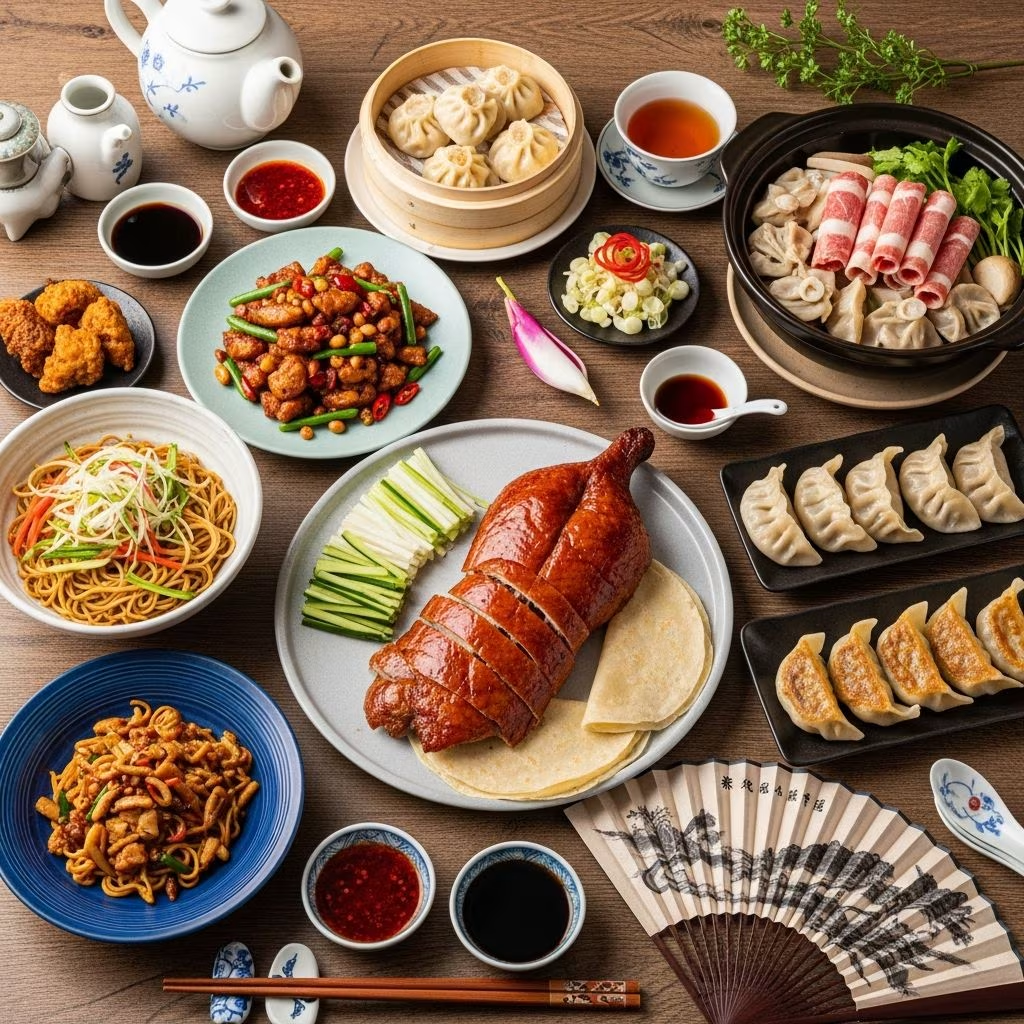
No visit to Beijing is complete without experiencing authentic Peking duck, a dish that exemplifies culinary precision and cultural significance. This preparation emerged during the imperial era and represents hundreds of years of refined technique. Traditional preparation involves specific duck breeds, precise oven temperatures, and skilled carving performed tableside at many establishments. The skin’s mahogany color and crackling texture result from carefully controlled cooking processes, while the meat beneath remains tender and succulent.
Leading establishments like Siji Minfu maintain multiple locations, with their Imperial Palace Branch offering views of the Forbidden City while diners experience tableside duck carving. The experience extends beyond the protein itself; accompaniments including thin pancakes, sweet bean sauce, and julienned vegetables create an interactive dining ritual where guests assemble their own bites. Pricing typically ranges from 159 RMB for half sets to 259 RMB for whole preparations, with additional charges for wraps and condiments.
Da Dong represents another prestigious option, featuring four traditional ovens positioned centrally within the dining room so patrons observe each duck’s preparation before carving at their table. Chef Dong Zhenxiang’s reputation extends throughout the city for producing some of Beijing’s finest roast duck, though the establishment’s menu encompasses far more than this singular dish.
Dumpling Artistry and Variations
Dumplings occupy a cherished position in Beijing’s culinary identity, available throughout the day and prepared fresh at dedicated establishments. Mr. Shi’s represents the evolution of this humble food, offering clean, contemporary spaces with English-language menus and an impressive selection exceeding 50 dumpling varieties. Beyond traditional pork and chive or leek and egg combinations, establishments experiment with creative fillings including pizza-style cheese and tomato preparations.
The dumpling experience encompasses multiple cooking methods—boiled dumplings (shuijiao) deliver delicate textures and pure flavors, while fried versions (guotie) provide crispy exteriors contrasting with tender interiors. The original Baochao Hutong location and Sanlitun outpost serve as pilgrimage sites for dumpling enthusiasts seeking authentic preparation techniques and ingredient quality that distinguishes these restaurants from casual dumpling joints.
Fine Dining Excellence and Contemporary Innovation
Michelin Recognition and International Standards
Beijing’s fine dining establishments have earned recognition within prestigious international frameworks. The city hosts multiple Michelin-starred restaurants representing various culinary philosophies, from traditional Chinese cuisine interpreted through refined techniques to vegetarian fine dining achieving two-star status. These establishments maintain comprehensive wine and tea pairing lists, allowing diners to experience carefully orchestrated flavor progressions throughout multi-course menus.
Restaurants ranked within Asia’s 50 Best Restaurants 2025 demonstrate the caliber of culinary innovation occurring within Beijing. These establishments often feature minimalist interiors emphasizing wabi-sabi aesthetics, creating environments that complement rather than compete with the food. Such venues typically operate reservation-only systems and maintain price points reflecting premium ingredients, technical expertise, and service standards.
Refined Traditional Cuisine
Gui Restaurant exemplifies sophisticated approaches to Beijing cuisine, located within a 700-year-old former temple positioned along the city’s central axis. The space transitioned from imperial religious structure to mid-20th century industrial factory before emerging as a contemporary dining venue with views toward Bell Towers. The modern Chinese cuisine menu emphasizes refined presentations without abandoning traditional flavor foundations, while comprehensive wine-and-tea pairings elevate the experience.
Cai Yi Xuan operates with the standards expected from Four Seasons Hotel Hong Kong properties, featuring opulent dining rooms where service rigor and wine list depth match the technical proficiency of cooking. This establishment represents fine dining’s upper echelon, where every element—from ingredient sourcing to plate presentation to service choreography—receives meticulous attention.
Diverse Culinary Explorations Beyond Tradition
Contemporary Health-Conscious Dining
Modern Beijing includes establishments prioritizing nutritional transparency and health-forward cooking methods. Moka Bros. operates multiple locations including Sanlitun, building menus around lean proteins, vegetables, and whole grains. Menu organization communicates nutritional intentions clearly—”Power Bowls” sections feature preparations like salmon sashimi combined with supporting ingredients that maximize nutritional density. These restaurants respond to contemporary dining priorities while maintaining flavor sophistication.
European Influences and Seasonal Menus
TRB restaurants introduce European culinary techniques to Beijing’s dining landscape, offering three-, four-, or five-course experiences with optional wine pairings. Summer menus showcase seasonal ingredients through preparations like slow-cooked cod with potato fondant and broccoli, complemented by desserts combining chocolate with poached pear and pear sorbet. The establishment operates multiple locations, including a secondary restaurant adjacent to the Forbidden City, allowing broader access to their culinary vision.
Hidden Gems and Local Discoveries
Neighborhood Favorites and Authentic Experiences
Hong Yan Restaurant demonstrates how unassuming establishments deliver memorable culinary moments through ingredient quality and preparation precision. Their signature tofu preparation—soft, silken textures complemented by coriander, chili, vinegar, seaweed paste, and spring onion—exemplifies how simple components combine into complex flavor profiles. These establishments typically lack extensive marketing efforts, operating through word-of-mouth recommendations and repeat visitors appreciating consistent quality.
Lao Tang Restaurant represents another neighborhood establishment earning respect through specialized preparations. Their roti-style bread paired with dried green vegetables and pork creates sweet-sour flavor combinations that reward exploration despite minimal English language signage or international marketing presence. Discovering such restaurants contributes meaningfully to authentic Beijing experiences.
Strategic Dining Planning and Practical Considerations
Timing and Crowd Management
Popular establishments experience substantial queue times during peak hours. Siji Minfu recommends visiting during off-peak periods—late lunch or early dinner—to minimize waits. This timing strategy applies broadly across Beijing’s most celebrated restaurants, where early afternoon (2-4 PM) and early evening (5-6 PM) slots typically offer shorter waits than conventional dinner hours.
Menu Navigation and Communication
Language barriers diminish at upscale establishments maintaining English-language menus and multilingual staff. Mid-range restaurants increasingly provide English menus, though some traditional establishments operate exclusively in Chinese. Mobile translation applications have reduced communication challenges, though pointing at neighboring tables remains effective for indicating desired dishes. Taxi drivers appreciate written restaurant names in Chinese characters, simplifying transportation to specific venues.
Price Range Navigation
Beijing’s dining scene spans extraordinary price ranges. Dumpling restaurants and noodle shops operate at minimal price points (10-30 RMB per person), while fine dining establishments command 400+ RMB per person before beverages. Mid-range restaurants typically operate in 100-250 RMB territory, offering authentic preparation and quality ingredients without premium ambiance or service formality.
Seasonal Considerations and Menu Evolution
Beijing’s significant seasonal temperature variations influence restaurant menus and dining patterns. Summer menus emphasize lighter preparations and cold dishes, while winter menus pivot toward warming broths, stewed proteins, and heartier grain-based offerings. Spring and autumn represent ideal dining seasons, featuring ingredient variety and moderate temperatures encouraging outdoor dining where available.
Contemporary restaurants increasingly emphasize seasonal menus that respond to ingredient availability rather than maintaining static offerings year-round. This approach connects diners to agricultural cycles while ensuring freshness and flavor quality. Establishments maintaining seasonal menu rotation deserve preference among visitors timing visits to experience specific preparations.
Hospitality Standards and Service Expectations
Fine dining establishments maintain service standards comparable to international luxury restaurants, with staff training emphasizing discretion, attentiveness, and technical knowledge. Mid-range establishments provide straightforward, efficient service focused on food delivery without elaborate choreography. Casual establishments operate counter-service or minimal-interaction models where patrons order and receive food quickly.
Tipping practices differ from Western conventions. Beijing restaurants do not expect gratuities; service charges never appear on bills unless explicitly negotiated. Rounding up bills or leaving small cash amounts represents occasional appreciation but remains optional rather than customary.
Essential Dining Recommendations
- First-time visitors should prioritize Peking duck from established specialists like Siji Minfu or Da Dong, ensuring they experience this iconic preparation’s authentic expression
- Dumpling enthusiasts benefit from visiting Mr. Shi’s during non-peak hours to explore beyond conventional fillings and appreciate the skill required for consistent quality across 50+ varieties
- Fine dining seekers should book Michelin-starred establishments well in advance, understanding that contemporary Chinese cuisine interpretations at this level represent Beijing’s culinary cutting edge
- Local flavor adventurers maximize authentic experiences by researching neighborhood restaurants through local recommendations, accepting communication challenges as part of discovery
- Health-conscious diners find contemporary establishments like Moka Bros. offering transparent ingredient sourcing and preparation methods aligned with nutritional priorities
Frequently Asked Questions
What is the single most important Beijing dish to try?
Peking duck represents Beijing’s most iconic preparation, with centuries of historical significance and technical refinement. Experiencing this dish from a reputable establishment should feature prominently in any Beijing visit.
Which restaurants accommodate English-speaking visitors most comfortably?
Fine dining establishments, tourist-adjacent restaurants, and modern casual chains maintain English menus and multilingual staff. Mid-range traditional restaurants increasingly provide English menus, though communication may require translation applications at neighborhood establishments.
How far in advance should fine dining reservations be made?
Michelin-starred and prestigious establishments often require 2-4 week advance bookings, particularly for weekend slots. Less-celebrated fine dining allows 1-2 week bookings, while casual restaurants typically accommodate walk-ins or same-day reservations.
Are there significant vegetarian dining options?
Two-Michelin-starred vegetarian restaurants now operate in Beijing, demonstrating the culinary sophistication achievable within plant-based cuisine. Mid-range restaurants increasingly offer vegetarian sections, though explicitly vegetarian establishments remain limited compared to meat-focused venues.
What dining budget should visitors anticipate?
Budget meals range 20-50 RMB, mid-range dining operates 100-250 RMB per person, and fine dining exceeds 400 RMB excluding beverages. Most visitors find satisfying experiences across all price points within Beijing’s diverse restaurant landscape.
References
- 7 best places to eat and drink in Beijing — CNA Luxury. 2025. https://cnaluxury.channelnewsasia.com/experiences/beijing-eat-drink-restaurants-bars-guide-292876
- A Flavour Tour of Beijing with Neil Perry — Qantas Travel Insider. https://www.qantas.com/travelinsider/en/explore/asia/china/beijing/neil-perrys-favourite-beijing-restaurants.html
- Beijing’s Best Restaurants in 2026: Where to Eat Guide — Lost Plate. 2026. https://lostplate.com/beijing-best-restaurants-where-to-eat-guide/
- Beijing’s Best Restaurants — AFAR. https://www.afar.com/travel-tips/beijings-best-restaurants
- Food lover’s guide to Beijing: 5 culinary highlights worth the hype — Tatler Asia. https://www.tatlerasia.com/dining/food/food-lovers-guide-beijing-culinary-highlights
On This Page
The Foundation of Beijing Cuisine: Understanding Local Traditions Iconic Proteins That Define Beijing's Culinary Identity Fine Dining Excellence and Contemporary Innovation Diverse Culinary Explorations Beyond Tradition Hidden Gems and Local Discoveries Strategic Dining Planning and Practical Considerations Seasonal Considerations and Menu Evolution Hospitality Standards and Service Expectations Essential Dining Recommendations Frequently Asked Questions← Previous
Best Restaurants in San Miguel de Allende: Breakfast, Fine Dining & Drinks
Next →
Best Shopping in Oahu: Malls, Outlets, and Local Markets
Related Reading
More in Food & Culture
Food & Culture Food & Culture
 Food & Culture
Best Places to Eat in Rome: Neighborhood Dining Guide
 Food & Culture
 Food & Culture