


 Food & Culture
Food & Culture
Best Restaurants in Dublin: Traditional Irish Eats to Fine Dining
Explore Dublin's diverse dining landscape with curated recommendations spanning traditional Irish fare, fine dining, and international cuisine favored by locals.
 Food & Culture
Dublin’s culinary landscape has undergone a remarkable transformation over recent years, establishing itself as a destination for food enthusiasts seeking both traditional Irish hospitality and contemporary gastronomic innovation. The city offers a diverse array of dining experiences that reflect its rich cultural heritage while embracing modern culinary techniques. Whether you’re searching for casual neighborhood bistros, celebrated fine dining establishments, or beloved local institutions, Dublin delivers memorable meals that capture the essence of Irish cuisine and cosmopolitan influences.
The Rise of Dublin’s Food Culture
In recent years, Dublin has earned recognition as a premier food destination in Europe. The city’s restaurant scene has evolved significantly, attracting talented chefs and innovative restaurateurs who have elevated the overall dining experience. This growth reflects both the city’s increasing confidence in its culinary identity and the influx of international influences that have enriched local food traditions. Visitors and residents alike now regard Dublin not merely as a historical destination but as a vibrant gastronomic hub worth exploring through its many dining venues.
Traditional Irish Cuisine and Historic Institutions
Dublin maintains deep connections to its culinary past through establishments that have served generations of diners. These iconic venues represent the soul of Irish hospitality, offering dishes that have remained largely unchanged since their inception. Historic fish and chip shops, traditional pubs, and family-run restaurants continue to draw both locals and visitors seeking authentic experiences rooted in Irish culinary traditions.
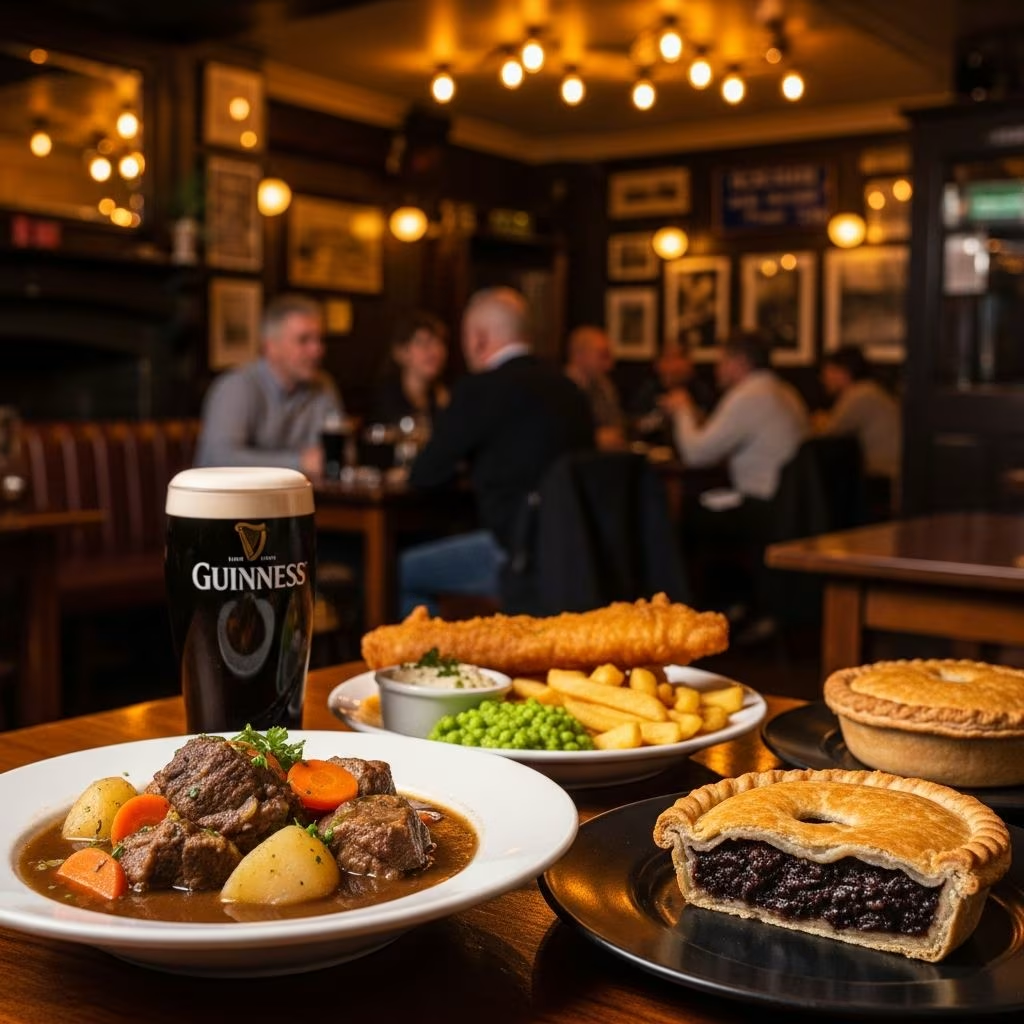
Classic Pub Fare and Comfort Food: The traditional Irish pub remains central to Dublin’s dining culture. These establishments serve hearty, warming dishes designed for casual enjoyment and social gathering. Signature offerings typically include beef and Guinness stew served in bread bowls, traditional shepherd’s pie, and smoked fish preparations. The convivial atmosphere combines with generously portioned, flavorful meals to create an experience that extends beyond mere sustenance into cultural immersion.
Iconic Seafood Institutions: Dublin’s coastal proximity has long made seafood a cornerstone of local dining. Establishments specializing in fish preparation maintain traditions spanning over a century, offering crispy battered preparations alongside more refined seafood preparations. These venues have become pilgrimage sites for both celebrities and everyday diners seeking authentic preparation methods and premium ingredients.
Contemporary Fine Dining and Modern Irish Cuisine
Complementing traditional establishments, Dublin now boasts sophisticated dining venues that interpret Irish ingredients and culinary heritage through contemporary lenses. These restaurants showcase refined technique, artistic presentation, and carefully curated tasting experiences that celebrate local sourcing and seasonal availability.
Farm-to-Table Philosophy: Modern Dublin fine dining establishments prioritize direct relationships with local producers, featuring seasonal menus that highlight the region’s agricultural bounty. Chefs emphasize ingredient quality and provenance, often highlighting specialty items such as Castletownbere scallops, wild game, and heritage vegetables in thoughtfully composed dishes. This approach honors Irish culinary traditions while demonstrating contemporary commitment to sustainability and locality.
Elevated Seafood Dining: Contemporary seafood restaurants have evolved from traditional preparations into sophisticated culinary destinations. These venues combine premium ingredient selection with refined cooking techniques, offering preparations that allow the natural qualities of fish and shellfish to shine while introducing subtle flavor enhancements through sauces, accompaniments, and careful plating.
International and Fusion Cuisines
Dublin’s dining scene extends well beyond traditional Irish fare, incorporating global culinary traditions that enrich the city’s gastronomic offerings. Modern restaurants introduce diners to diverse international cuisines while maintaining connections to Dublin’s culinary identity through locally-sourced ingredients and Irish hospitality traditions.
Spanish and Mediterranean Influences: Spanish tapas restaurants have become popular gathering spots, offering shared plates that encourage social dining and conversation. These venues feature classic preparations such as croquettes and paprika-infused seafood dishes, providing accessible introductions to Mediterranean flavors within Dublin’s dining landscape.
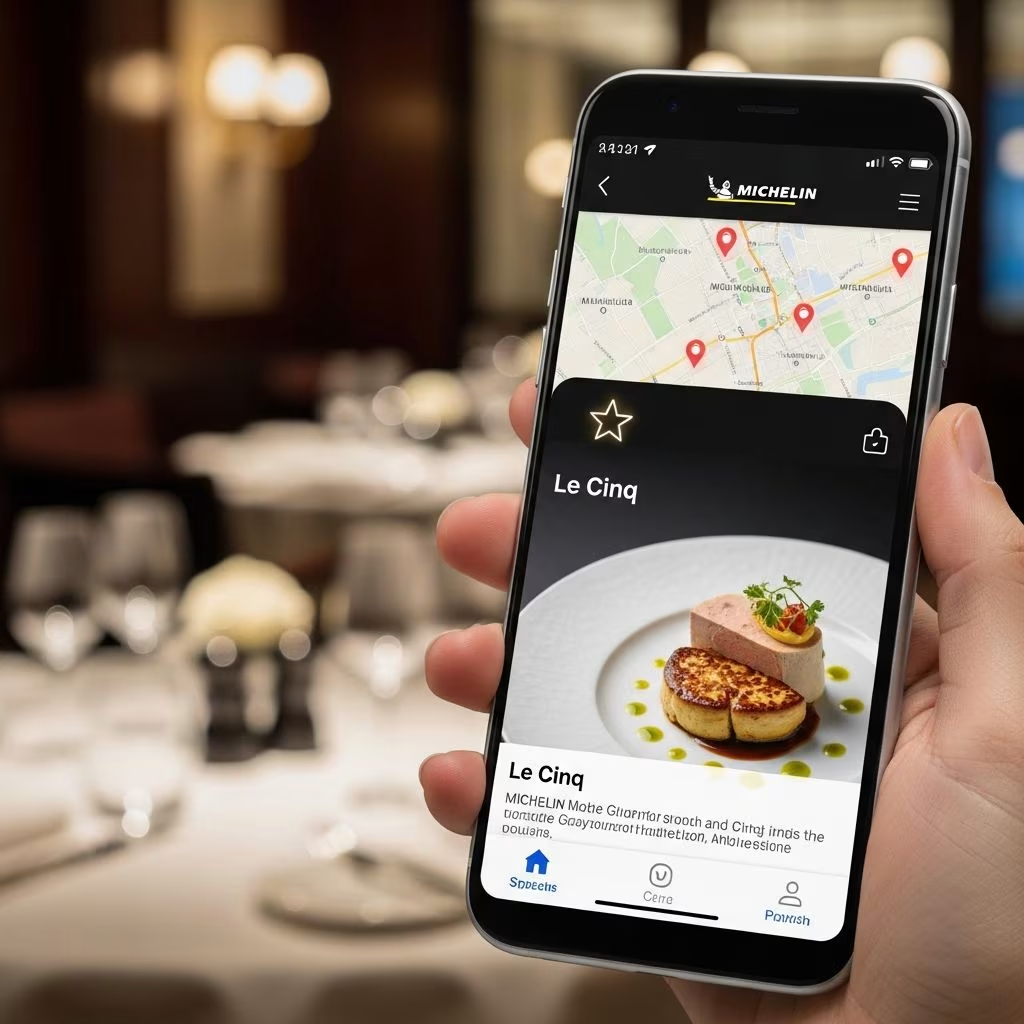
Asian and Contemporary International: Michelin-recommended establishments featuring modern Asian cuisine demonstrate Dublin’s openness to culinary diversity. These restaurants bring skilled preparation techniques and authentic flavor profiles while adapting to local preferences and ingredient availability, creating fusion experiences that respect both culinary traditions.
Neighborhood Bistros and Casual Dining
Beyond formal fine dining establishments, Dublin’s neighborhood bistros offer accessible, quality dining experiences that capture local dining patterns and preferences. These casual venues provide comfortable environments where both visitors and residents can enjoy well-prepared food without formality or excessive expense.
Character-Driven Neighborhood Venues: Neighborhood bistros often occupy historic buildings or charming storefronts that reflect Dublin’s architectural heritage. These spaces cultivate intimate atmospheres where patrons feel welcomed as community members rather than transient customers. Menus typically feature straightforward preparations executed with care, allowing ingredients to take center stage without unnecessary complexity or pretension.
Quick Service and Casual Formats: Food halls and casual counter service venues provide restaurant-quality preparations in relaxed settings, ideal for travelers seeking efficiency without compromising quality. These establishments allow diners to customize selections while maintaining standards comparable to full-service restaurants, offering flexibility that suits various travel styles and schedules.
Specialty and Niche Dining Experiences
Dublin’s diverse dining landscape includes specialized venues catering to specific culinary interests or dietary preferences, reflecting the city’s cosmopolitan character and commitment to inclusive hospitality.
Bakeries and Pastry Venues: French-influenced patisseries and bakeries showcase refined pastry techniques and quality ingredients. These establishments cater to visitors seeking breakfast pastries, afternoon treats, or light lunch options prepared with attention to traditional methods and ingredient quality. Many occupy historic buildings or charming streetfront locations that enhance the overall experience.
Unique Limited-Service Concepts: Some of Dublin’s most celebrated dining experiences operate under unconventional formats, including venues with extremely limited seating and restricted operating hours. These establishments have garnered prestigious recognition despite—or perhaps because of—their intentional limitations, attracting devoted followers willing to plan visits carefully around operating schedules.
Practical Dining Considerations
Operating Hours and Availability
Dublin’s restaurant hours vary considerably, reflecting different operating philosophies and target audiences. Many establishments maintain different schedules across weekdays and weekends, with some venues opening for lunch service while others operate exclusively during dinner hours. Spanish and international restaurants frequently remain closed certain weekdays, requiring advance planning for specific venue visits. Full-service restaurants typically operate through dinner service until late evening, while casual venues and food halls maintain earlier closing times suited to working lunch crowds.
Price Points and Value
Dublin’s dining venues span diverse price categories, from economical casual eateries to premium fine dining establishments commanding prices comparable to major international culinary centers. Early dinner service menus at upscale restaurants frequently offer exceptional value, providing multi-course experiences at significantly reduced prices compared to later seatings. Casual venues, street food options, and neighborhood bistros provide quality meals at accessible price points, making Dublin dining approachable for various budget levels.
Reservation Recommendations
Established restaurants popular with both locals and tourists benefit from advance reservations, particularly for dinner service and weekend dining. Fine dining venues typically require reservations well in advance, while casual restaurants and pubs generally accommodate walk-in traffic. Visitors planning around specific venues should confirm current operating schedules and reservation policies, as these details may shift seasonally or change from published information.
Curated Dining Pathway Suggestions
Consider structuring Dublin dining experiences around specific themes or neighborhoods to maximize enjoyment and simplify logistics. A focused approach might emphasize traditional Irish cuisine across multiple venue types, allowing comparison of how different establishments interpret classics. Alternatively, visitors might explore fine dining establishments exclusively or concentrate on neighborhood bistros reflecting residential areas where locals genuinely dine. Thematic approaches—such as seafood-focused routes or Spanish cuisine explorations—provide coherence while allowing flexibility in scheduling and spontaneous discoveries.
Navigating Dietary Requirements and Preferences
Dublin’s diverse restaurant landscape accommodates various dietary approaches and restrictions with increasing sophistication. Established fine dining venues maintain comprehensive menus accommodating vegetarian, vegan, and allergy-conscious diners through creative reinterpretations of their culinary philosophies. Casual venues and food halls provide clear ingredient information and flexibility for customization. International restaurants frequently incorporate dietary accommodations as standard practice, reflecting their diverse customer bases and culinary traditions. Communicating specific needs clearly when making reservations or ordering ensures venues can provide appropriate accommodations.
Seasonal Considerations and Menu Changes
Dublin’s restaurants increasingly emphasize seasonal menus reflecting ingredient availability and farm produce cycles. Tasting menus showcasing spring vegetables, summer berries, autumn game, and winter root crops change substantially throughout the year, rewarding repeat visitors with novel experiences across seasons. Fine dining establishments rotate menus quarterly or more frequently, encouraging visitors to return while ensuring each visit offers distinct culinary discoveries.
Frequently Asked Questions
What represents Dublin’s most iconic dining experience?
Traditional Irish pubs offering classic dishes such as beef and Guinness stew, combined with authentic Guinness service, provide quintessentially Dublin experiences. Historic fish and chip establishments operating for over a century offer equally representative encounters with Dublin culinary traditions.
Which dining venues require advance reservations?
Fine dining establishments and popular restaurants warrant reservations, particularly for dinner service and weekends. Casual pubs, food halls, and street-level eateries generally accommodate walk-in dining without advance notice.
Where can visitors find authentic Irish farm-to-table cuisine?
Contemporary fine dining restaurants emphasizing seasonal menus and local sourcing provide farm-to-table experiences. These venues feature specialty Irish ingredients including regional seafood varieties, heritage vegetables, and local game preparations.
What price range should visitors expect in Dublin restaurants?
Dublin dining spans from economical casual venues (€5-15 per person) through neighborhood bistros (€15-30) to fine dining establishments (€50-100+). Early dinner service menus at premium venues offer exceptional value compared to standard dinner pricing.
Which neighborhoods offer the most diverse dining options?
South-central Dublin neighborhoods concentrate diverse restaurants within walkable distances, while specific areas like the Liberties offer trendy contemporary venues. Different neighborhoods emphasize different culinary traditions and price points.
References
- Ultimate Guide to the Best Restaurants in Dublin — Traverse Blog. Accessed April 2026. https://www.traverse-blog.com/dublin-food-restaurant-guide/
- The Ultimate Guide to Dublin Restaurants — Eating Europe. Accessed April 2026. https://www.eatingeurope.com/blog/dublin-restaurants/
- Dublin Restaurants – Globalphile — Globalphile. Accessed April 2026. https://globalphile.com/eat-dublin-ireland/
- Dublin Food Guide: Must-Try Restaurants in Dublin, Ireland — Appetites Abroad. Accessed April 2026. https://www.appetitesabroad.com/dublin-ireland-food-guide/
- Best Places to Eat in Dublin: 19 Restaurants in Dublin Locals Love — Bacon is Magic. Accessed April 2026. https://www.baconismagic.ca/ireland/restaurants-in-dublin/
- Where Dubliners Eat. Trust locals, not other tourists. — Ireland by Locals. Accessed April 2026. https://www.irelandbylocals.com/dublin-where-dubliners-eat/
On This Page
The Rise of Dublin's Food Culture Traditional Irish Cuisine and Historic Institutions Contemporary Fine Dining and Modern Irish Cuisine International and Fusion Cuisines Neighborhood Bistros and Casual Dining Specialty and Niche Dining Experiences Practical Dining Considerations Curated Dining Pathway Suggestions Navigating Dietary Requirements and Preferences Seasonal Considerations and Menu Changes Frequently Asked Questions← Previous
Chilean Food Guide: Must-Try Dishes, Drinks and Regional Flavors
Next →
Guatemalan Food Guide: Dishes, Drinks & Travel Eats
Related Reading
More in Food & Culture
Food & Culture Food & Culture
 Food & Culture
Best Places to Eat in Rome: Neighborhood Dining Guide
 Food & Culture
 Food & Culture