


 Food & Culture
Food & Culture
Best Restaurants in Istanbul: A Complete Food Guide
Explore Istanbul's vibrant culinary landscape with curated recommendations spanning casual eateries, traditional Turkish cuisine, and upscale dining establishments.
 Food & Culture
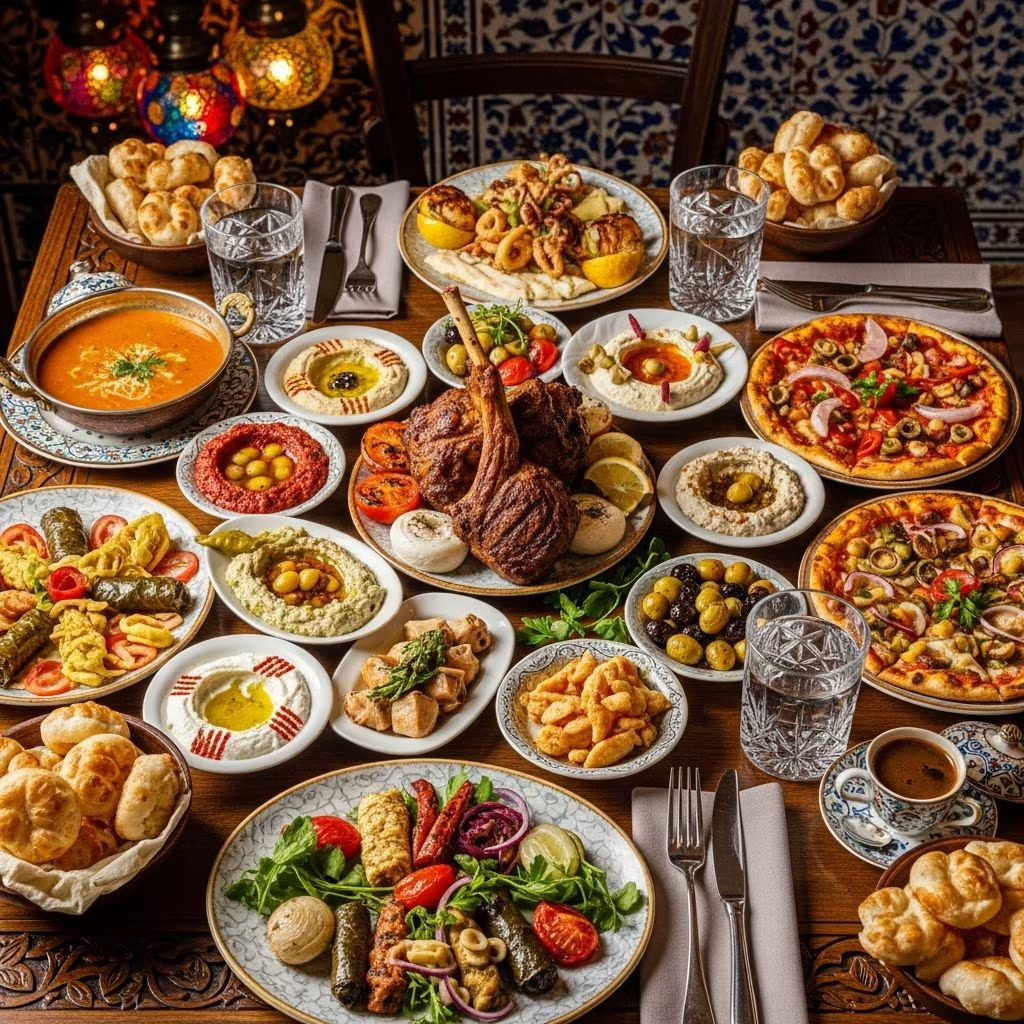
Istanbul stands as one of the world’s most compelling gastronomic destinations, bridging continents and centuries through its diverse food culture. The city’s restaurants reflect its unique position at the intersection of Europe and Asia, offering everything from humble street-side vendors to acclaimed fine dining establishments. Whether you’re seeking authentic Turkish flavors or innovative contemporary cuisine, Istanbul’s food scene delivers unforgettable experiences across every neighborhood and price point.
Understanding Istanbul’s Food Culture
The culinary traditions of Istanbul represent centuries of Ottoman heritage combined with modern Turkish innovation. Turkish cuisine emphasizes fresh, locally-sourced ingredients, time-honored preparation methods, and bold flavor combinations. What makes Istanbul particularly special is how traditional recipes coexist alongside contemporary interpretations, creating a dynamic dining landscape that appeals to both traditionalists and adventurous food explorers.
The city’s food culture extends beyond restaurant dining. Street food plays an integral role in daily life, with vendors offering quick meals and snacks that reflect authentic local tastes. Markets overflow with seasonal produce, fresh meats, and specialty ingredients that inform both home cooking and professional kitchens throughout the city.
Traditional Turkish Specialties Worth Experiencing
To truly understand Istanbul’s food scene, you must sample its signature dishes. These traditional preparations have been perfected over generations and remain central to Turkish dining culture.
- Kebabs: Istanbul offers numerous kebab varieties, from the vertically-stacked doner kebab to the traditional cağ kebab featuring marinated meat grilled over open flames. Skewered preparations like çöpşiş showcase lamb and vegetables charred to perfection, while iskender kebab combines meat with bread and yogurt sauce.
- Meatball Preparations: Köfte encompasses several styles of Turkish meatballs, with izgara köfte representing the grilled variety that has sustained restaurants since the early 20th century.
- Flatbreads and Pastries: Pide offers a boat-shaped pastry with various fillings, while lahmacun presents a thinner, more delicate option topped with spiced meat. Börek encompasses savory pastries filled with cheese, spinach, or meat.
- Seafood Specialties: Turkish sea bass (levrek) appears grilled as a signature preparation, demonstrating Istanbul’s access to fresh Mediterranean catches.
- Organ Meats: Kokoreç represents a traditional preparation of seasoned offal, reflecting the Turkish principle of utilizing every part of the animal.
Fine Dining Establishments Setting New Standards
Istanbul’s upscale dining scene showcases culinary innovation while honoring traditional foundations. These restaurants combine contemporary techniques with refined presentations, often incorporating global influences alongside Turkish elements.
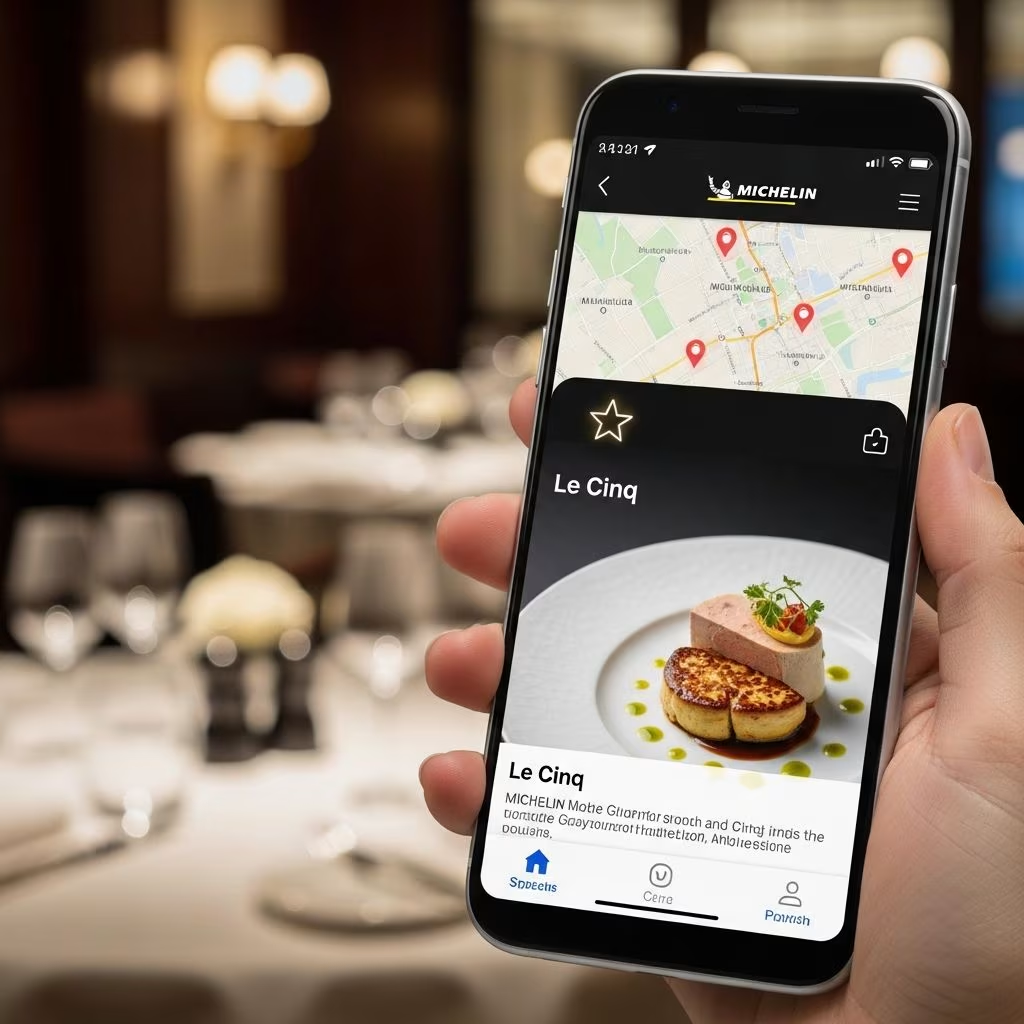
Michelin-recognized establishments elevate Turkish cuisine through meticulous attention to ingredient selection, innovative flavor combinations, and sophisticated plating. Contemporary fine dining venues often feature tasting menus that showcase seasonal produce and house-made specialties, with wine pairings carefully selected to complement each course. The architectural settings—whether housed in historic villas or modern spaces—enhance the dining experience through thoughtful design and ambiance.
These restaurants often employ chefs who have trained internationally but remain deeply committed to Turkish culinary traditions. The result creates dining experiences where traditional dishes receive contemporary interpretations without losing their essential character or cultural authenticity.
Neighborhood Gems and Hidden Treasures
Beyond the most famous establishments, Istanbul’s neighborhoods harbor excellent dining options that locals frequent regularly. Each district possesses its own character and culinary specialties, reflecting the diverse communities and historical backgrounds of different areas.
The Çukurcuma district emerges as particularly vibrant, hosting casual restaurants and cocktail bars alongside vintage shops and galleries. This neighborhood attracts a younger, design-conscious crowd seeking both quality food and atmospheric surroundings. Other neighborhoods feature family-run establishments where recipes have remained unchanged for decades, where owners greet regular customers by name and remember their preferences.
Venturing beyond tourist-heavy areas often yields the most authentic experiences. Local recommendations prove invaluable for discovering restaurants where Turkish families celebrate occasions, where business professionals conduct lunch meetings, and where neighborhood regulars form the core clientele.
Cuisine Categories and Dining Styles
| Dining Category | Characteristics | Best For |
|---|---|---|
| Street Food & Quick Bites | Affordable, authentic, minimal seating | Casual meals, lunch breaks, budget travelers |
| Casual Restaurants | Comfortable seating, moderate prices, relaxed atmosphere | Families, groups, everyday dining |
| Contemporary Turkish | Modern interpretations of traditional dishes, creative presentation | Special occasions, food enthusiasts |
| Fine Dining | Upscale service, refined cuisine, premium pricing | Special celebrations, culinary experiences |
| Specialty Restaurants | Focused menus, particular cuisines or dietary approaches | Specific cravings, dietary requirements |
Comfort Food and Casual Dining Options
Istanbul offers abundant opportunities for satisfying, unpretentious meals. These casual establishments prioritize hearty portions, bold flavors, and accessible pricing over elaborate presentations.
Burger restaurants have emerged as popular casual dining destinations, particularly in areas with younger demographics and late-night activity. Traditional comfort foods like fried chicken appear alongside modern interpretations, with both dine-in and takeaway options available. Farm-to-table concepts introduce ethical sourcing principles to casual dining, with restaurants operating their own farms to ensure ingredient quality and transparency.
These establishments often lack the formal atmosphere of fine dining but compensate with genuine hospitality, consistency, and authentic flavors. Many have built loyal followings spanning decades through simple excellence and reliable execution of their core offerings.
Specialized Dietary Accommodations
Modern Istanbul recognizes diverse dietary needs and preferences through specialized establishments addressing gluten-free, vegan, vegetarian, paleo, and raw food approaches. These restaurants demonstrate that dietary restrictions need not limit culinary enjoyment or flavor complexity.
Plant-based dining has gained momentum, with restaurants creating innovative vegetable-forward menus that appeal beyond those adhering to strictly vegan diets. Mediterranean vegetables, legumes, and whole grains form the foundation of these preparations, creating satisfying meals that showcase Turkish produce diversity.
Restaurants accommodating multiple dietary approaches simultaneously reflect Istanbul’s cosmopolitan character and commitment to inclusive hospitality. These establishments often attract health-conscious diners alongside travelers with specific requirements, creating diverse clientele united by appreciation for thoughtful cuisine.
Beverage Culture and Bar Dining
Istanbul’s drinking establishments range from traditional Turkish coffee houses to sophisticated cocktail bars to rooftop venues offering panoramic city views. The beverage culture reflects both Ottoman heritage and contemporary global trends.
Turkish coffee represents a centuries-old preparation method producing intensely flavored, finely ground coffee served in small cups. Turkish tea appears ubiquitously, served in tulip-shaped glasses throughout the day. Contemporary bars interpret these traditions through specialty coffee preparations and innovative tea-based cocktails.
Rooftop bars have proliferated throughout Istanbul, capitalizing on the city’s dramatic skyline and geographic positioning. These venues combine views of historic mosques, the Golden Horn, and the Bosphorus with curated beverage programs and casual to upscale dining options. The atmospheric setting enhances social experiences, making these venues popular for both casual hangouts and special celebrations.
Street Food and Market Exploration
Istanbul’s street food culture provides authentic, affordable culinary experiences that reveal how locals actually eat. Markets overflow with seasonal produce, regional specialties, and prepared foods representing every district’s food traditions.
Vendors selling simit (sesame seed bread rings), döner sandwiches, and freshly prepared pastries appear throughout the city, offering quick meals for workers and travelers. These establishments often operate in the same location for decades, building customer loyalty through consistency and quality. The speed of service contrasts sharply with seated dining but reflects the pace of urban life.
Markets present opportunities to purchase ingredients for self-catering, observe food preparation techniques, and interact directly with producers. These spaces reveal seasonal rhythms and community food preferences more authentically than curated restaurant experiences.
Regional and International Influences
Istanbul’s position as a historical crossroads manifests in its food scene through diverse culinary influences. Mediterranean cuisine blends with Turkish traditions, while Japanese, Italian, and other international cuisines appear alongside traditional offerings.
Contemporary restaurants often embrace this eclecticism deliberately, incorporating global techniques and ingredients into Turkish-informed menus. This approach reflects Istanbul’s cosmopolitan character and attracts both locals seeking variety and international visitors encountering familiar cuisines prepared with Turkish sensibilities.
The integration of diverse influences does not diminish Turkish cuisine’s strength but rather demonstrates its adaptability and the city’s openness to culinary exchange. This cultural openness has characterized Istanbul historically and continues shaping its modern food landscape.
Planning Your Culinary Exploration
Approaching Istanbul’s food scene strategically ensures you experience its diversity within your available time. Consider rotating between casual and fine dining, exploring different neighborhoods, and sampling both famous establishments and local favorites.
- Research neighborhood specialties to discover what different areas excel at preparing
- Balance planned reservations with spontaneous discoveries in less touristy areas
- Visit markets during morning hours when selection and energy peak
- Ask restaurant staff for recommendations rather than relying solely on guidebooks
- Allocate budget proportionally across dining experiences to maximize variety
- Consider dining during off-peak hours to experience restaurants at their most authentic
- Sample seasonal specialties rather than ordering the same dishes year-round
Frequently Asked Questions
What is the typical cost of dining in Istanbul?
Istanbul offers dining across all price points. Street food and casual restaurants cost between 50-150 Turkish Lira per person. Mid-range establishments charge 150-400 Lira, while fine dining typically ranges from 400-1,200+ Lira per person. Exchange rates fluctuate, so current prices vary relative to your home currency.
Which neighborhoods offer the best food scenes?
Sultanahmet (historic district), Beyoğlu (trendy area), Çukurcuma (artistic neighborhood), Beşiktaş (upscale district), and Karakoy (waterfront area) each offer distinct dining cultures. Different neighborhoods appeal to different preferences and budgets.
Are reservations necessary for restaurants?
Fine dining establishments typically require reservations, especially during peak hours and weekends. Casual restaurants accommodate walk-ins, though popular venues may have brief waits during lunch and dinner hours.
What dishes should first-time visitors prioritize?
Essential experiences include kebab varieties, meatball preparations, pide, fresh seafood, and Turkish meze (small plates). These represent foundational elements of Turkish cuisine rather than obscure specialties.
How do Turkish dining customs differ from Western practices?
Meals typically occur later than in many Western countries, with dinner starting around 8-9 PM. Shared plates and communal eating represent integral aspects of Turkish dining culture. Service charges appear on bills in formal establishments, with additional tips appreciated but optional.
Conclusion: Embracing Istanbul’s Gastronomic Identity
Istanbul’s food scene transcends mere sustenance, representing cultural expression, historical continuity, and contemporary innovation. Whether experiencing a Michelin-recognized fine dining establishment, discovering family-run neighborhood restaurants, or enjoying street food during morning walks, visitors encounter authentic aspects of Turkish culture through cuisine.
The city’s commitment to ingredient quality, respect for traditional techniques, and openness to culinary evolution creates an environment where food matters deeply. This seriousness about eating, combined with legendary Turkish hospitality, ensures that dining in Istanbul becomes a highlight of any visit rather than a utilitarian necessity.
Approaching the city’s food scene with genuine curiosity and willingness to venture beyond guidebook recommendations yields the most memorable experiences. Istanbul rewards culinary exploration with flavors, atmospheres, and human connections that linger long after departure.
References
- Where To Eat & Drink In Istanbul: An Insider’s Guide — Service95. 2025. https://www.service95.com/insiders-guide-istanbul-food-drink-scene
- Where I like to eat in Istanbul — Inside Out In Istanbul. 2025. https://www.insideoutinistanbul.com/where-to-eat-in-istanbul/
- 25 Must-Visit Restaurants in Istanbul, Turkiye (Turkey) — Will Fly For Food. 2025. https://www.willflyforfood.net/istanbul-restaurants/
- Istanbul Foodie Must Eats 2026: 16 Things To Try And Where To Eat Them — Where and Wander. 2026. https://whereandwander.com/istanbul-must-eats-best-places/
- Istanbul MICHELIN Restaurants – The MICHELIN Guide — Michelin Guide. 2026. https://guide.michelin.com/us/en/istanbul-province/istanbul/restaurants
On This Page
Understanding Istanbul's Food Culture Traditional Turkish Specialties Worth Experiencing Fine Dining Establishments Setting New Standards Neighborhood Gems and Hidden Treasures Cuisine Categories and Dining Styles Comfort Food and Casual Dining Options Specialized Dietary Accommodations Beverage Culture and Bar Dining Street Food and Market Exploration Regional and International Influences Planning Your Culinary Exploration Frequently Asked Questions Conclusion: Embracing Istanbul's Gastronomic Identity← Previous
Real ID for U.S. Air Travel: Deadlines, Documents and TSA Confirm.ID
Next →
St. Martin Travel Guide: Beaches, Food, and Things to Do
Related Reading
More in Food & Culture
Food & Culture Food & Culture
 Food & Culture
Best Places to Eat in Rome: Neighborhood Dining Guide
 Food & Culture
 Food & Culture