


 Food & Culture
Food & Culture
Best Restaurants in Santiago, Chile: Top Food Guide
Explore Santiago's vibrant food culture with recommendations for upscale restaurants, casual eateries, and authentic markets that showcase Chilean and international cuisine.
 Food & Culture
Santiago, the vibrant capital of Chile, has emerged as one of South America’s most exciting culinary destinations. The city’s dining landscape reflects a fascinating blend of traditional Chilean cooking, contemporary innovation, and international influences. Whether you’re seeking Michelin-caliber tasting menus or authentic street food, Santiago offers an exceptional range of experiences that cater to every palate and budget. This guide explores the establishments and markets that define the city’s food culture, offering both visitors and residents alike a roadmap to memorable meals.
The Summit of Fine Dining Excellence
Santiago’s fine dining scene represents the pinnacle of culinary artistry in the region. Several establishments have garnered international recognition for their creative approaches to cuisine and commitment to exceptional ingredients.
Boragó stands as the undisputed flagship of Santiago’s haute cuisine movement. This restaurant has achieved recognition from Latin America’s 50 Best Restaurants multiple times, establishing itself as a destination for serious food enthusiasts. Chef Rodolfo Guzmán has crafted a philosophy centered on native Chilean ingredients, many of which diners may encounter for the first time. The restaurant’s tasting menu transforms around what grows at its own regenerative farm, alongside foraged ingredients and fresh catches from the coast. Diners experience dishes featuring sea strawberries, wild mushrooms, heirloom pink tomatoes, and Patagonian plants—each element telling a story about Chile’s diverse ecosystems. The experience transcends typical restaurant dining, offering intellectual engagement alongside culinary pleasure.
Beyond Boragó, Santiago’s fine dining ecosystem includes other notable establishments. Ambrosia Bistro in the Vitacura district presents refined Chilean cuisine without excessive formality. Chef Carolina Bazán directs the kitchen toward globally-inspired small plates that adapt seasonally. The emphasis on market-driven ingredients means menus shift regularly, ensuring no two visits replicate the same experience. Fresh seafood preparations, handmade pastas, and grilled proteins receive accompaniment from carefully selected Chilean wines, including small-batch natural producers.
Upscale Dining with International Flair
Santiago’s upscale neighborhoods host establishments that blend international culinary traditions with local sensibilities, creating diverse gastronomic experiences.
The Las Condes district concentrates numerous gourmet establishments catering to refined tastes. La Mar, a branch of a Peruvian restaurant chain, represents an exception to the typical practice of avoiding international chains. The restaurant’s ceviche achieves near-legendary status among Santiago diners. The “Tiradito Sunset” exemplifies the kitchen’s precision: firm pink-fleshed fish combined with sweet potato, citrusy leche de tigre, and spicy aji creates a harmonious balance of flavors and textures.
Similarly, Tanta operates within an unlikely setting—the Costanera shopping mall—yet maintains fierce loyalty from local patrons. The restaurant’s lomo saltado, a Peruvian stir-fried beef dish with tomatoes and peppers served alongside rice, achieves such appeal that repeat visits within a single week represent common behavior among enthusiastic diners. Beyond this signature preparation, Tanta’s ceviche offerings rival those of other establishments, distinguished by generous portions that reflect both quality and value.
Mestizo occupies a spectacular location atop Bicentenario Park, presenting panoramic views of manicured lawns, fern-lined ponds, and tropical palms. The salmon and shrimp ceviche demonstrates expert execution, while the seared tuna steak with pistachio and parsley mash showcases sophisticated technique. The dining environment itself—combining natural beauty with refined service—makes this venue particularly suitable for occasions requiring impressive settings.
Market-Driven and Neighborhood Gems
Beyond formal restaurant settings, Santiago’s most authentic food experiences often emerge from neighborhood establishments and historic markets where culinary traditions persist.
La Mesa represents a quiet standout in Santiago’s dining conversation. The restaurant, situated behind its companion wine bar Masal, maintains an unpretentious atmosphere while adhering to intentional culinary principles. Chef Álvaro Romero guides the kitchen toward vegetable-forward preparations, local sourcing, and precise technique executed without unnecessary elaboration. The combination appeals particularly to diners seeking serious cooking without the formality associated with fine dining establishments.
Karai contributes distinctive preparations to Santiago’s contemporary restaurant scene. Signature dishes include innovative takes on Chilean seafood—notably thin slices of loco (a prized Chilean mollusk) dressed with marine collagen mayo, salsa verde, and tapioca pearls suspended in ponzu. These presentations demonstrate the kitchen’s commitment to creative technique while honoring ingredient quality.
Pulpería Santa Elvira occupies a restored 1920s house within Santiago’s Matta Sur neighborhood, creating an immersive experience reminiscent of dining in a grandmother’s home. Antique photographs line the walls while dried flowers hang from the ceiling, establishing an intimate atmosphere. The frequently changing menu highlights local, seasonal ingredients across appetizers, mains, and desserts. Chef and owner Javier Avilés Lira has created an experience that reflects deep commitment to community connection and the preservation of Chilean culinary traditions.
Sandwich Culture and Casual Dining
Santiago’s casual dining culture reveals itself through establishments dedicated to perfecting seemingly simple preparations, particularly the iconic Chilean sandwich.
Fuente Alemana, operating since 1954, operates five locations throughout Santiago. The restaurant’s reputation rests upon epic sandwich construction visible in its central open preparation area. The establishment’s popularity among locals stems from generously stacked sandwiches requiring knife and fork consumption—a distinctly Chilean approach to sandwich dining. The sauerkraut available at Fuente Alemana warrants particular attention as a recommended accompaniment.
Fuente Mardoqueo, with four Santiago locations, celebrates Chilean enthusiasm for mayonnaise through sandwiches available in full or half sizes. Diners encounter dining room seating organized in shared picnic table style within a spacious beer-hall environment, decorated with antique phones, toilets, and other period objects. The casual, communal atmosphere encourages the kind of relaxed, indulgent eating that characterizes genuine local dining culture.
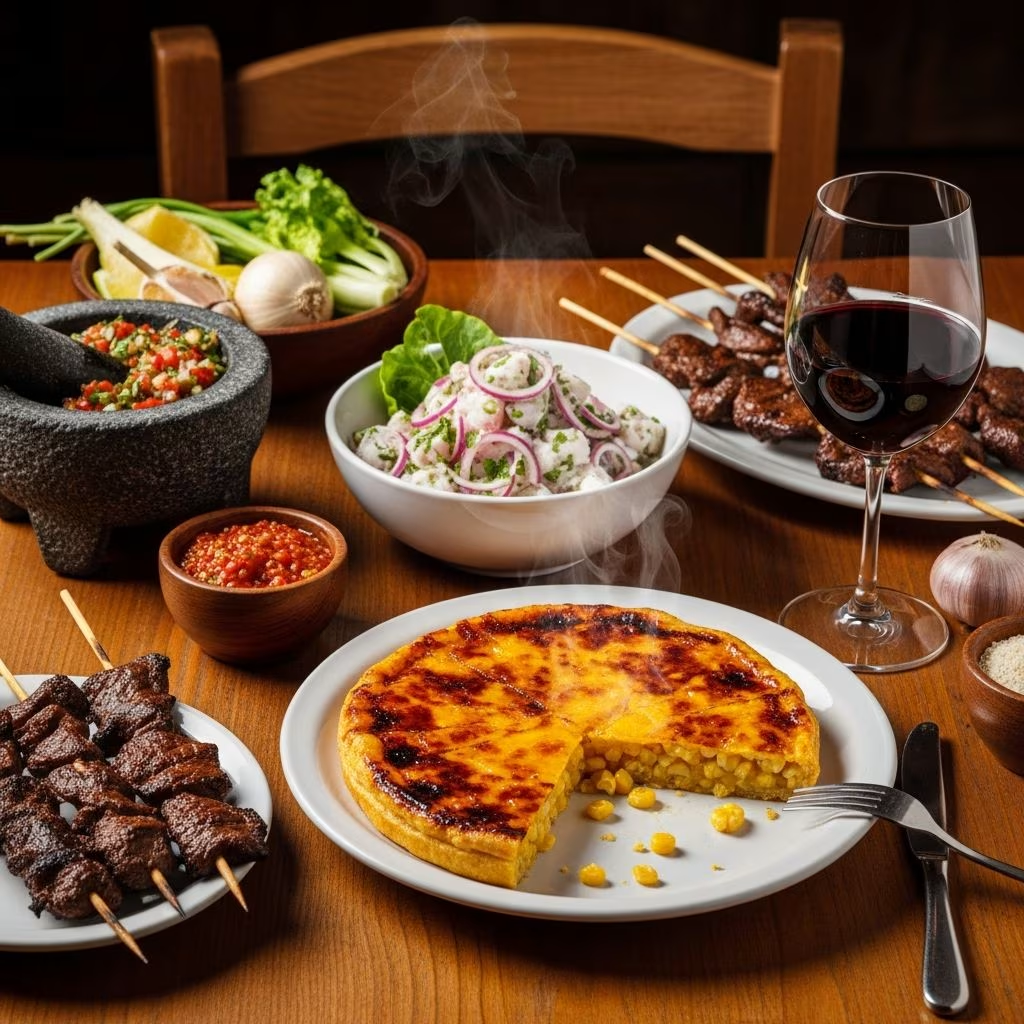
ChipeLibre represents a dynamic establishment combining Peruvian and Chilean culinary traditions under the self-proclaimed designation of “independent republic of pisco.” The restaurant holds particular appeal for vegetarian and vegan diners seeking hearty local classics. Dishes such as pastel de choclo and pastelazo demonstrate the kitchen’s vegetable-friendly approach while maintaining authentic Chilean character. Located in the Providencia neighborhood, ChipeLibre has established itself as a reliable recommendation for introducing visitors to local cuisine.
Markets and Food Halls: Where Authenticity Thrives
Santiago’s markets represent invaluable resources for experiencing authentic food culture beyond restaurant settings. These spaces offer direct access to ingredient quality, traditional preparations, and local flavor profiles.
Mercado La Vega Central constitutes a sprawling maze of fresh produce, preserved items, multiple avocado varieties (paltas), and merkén—a spicy dried chili powder popular as a souvenir. Beyond the market stalls themselves, an interior food hall provides seating for traditional Chilean dishes and sandwiches including completos and chacareros. The market’s scale and diversity make it suitable for extended exploration and immersion in Santiago’s culinary culture.
Mercado Central, dating to 1872, functions as both a national monument and an active food marketplace. The building itself deserves appreciation—a stately structure featuring cast-iron roof construction, vaulted ceilings, and skylights positioned in the Historic Center near Santiago’s edge. Numerous stalls specialize in fresh fish and seafood, with restaurants operating within the market serving remarkably fresh daily catches at reasonable prices. Emporio Zunino, located within the market, sells gourmet items including artisanal cheeses, handmade pastas, and baked empanadas. The pino empanadas featuring beef-based filling within dense baked dough represent quick, affordable, portable meals reflecting traditional preparation methods.
Budget-Conscious Fine Dining and Set Menus
Santiago accommodates diners seeking exceptional culinary experiences without excessive expenditure through set menu offerings and affordable casual establishments.
Salvador Cocina y Café, located in the Centro Histórico area, attracts local diners through chef Rolando Ortega’s daily-changing three-course set lunch menu, priced around 10,000 CLP (approximately US$11). The café also offers à la carte entrees and main dishes for those preferring menu flexibility. The establishment’s modest size is compensated for by additional seating positioned within adjacent pedestrian walkways.
Contemporary Casual Restaurants and Neighborhood Favorites
Beyond established institutions, emerging restaurants continue expanding Santiago’s dining vocabulary through creative approaches to local ingredients and seasonal awareness.
DeMo exemplifies this new generation of establishments, prioritizing creative preparations and waste-reduction philosophy. Weekly menu changes reflect available fresh market ingredients, ensuring varied experiences across multiple visits. The restaurant’s neighborhood location and lively atmosphere contribute to its status as a standout on the contemporary Santiago dining scene.
La Calma by Fredes and Olam represent additional contemporary establishments recognized for distinctive approaches to Chilean and international cuisine, contributing depth and diversity to Santiago’s evolving food landscape.
Planning Your Santiago Food Experience
Approaching Santiago’s food scene strategically enhances the likelihood of memorable experiences. Consider mixing high-end tasting menus with casual market visits to capture the full spectrum of local food culture. Budget flexibility enables exploration across price points—from affordable market meals to investment-level fine dining experiences. Seasonal ingredient availability influences menus significantly, particularly at establishments prioritizing local sourcing, making return visits worthwhile. Language barriers pose minimal challenges, as English-speaking staff populate most tourist-oriented establishments, while gesture and enthusiasm overcome communication obstacles in casual settings.
Frequently Asked Questions
What is the signature Chilean dish I should try in Santiago?
Pastel de choclo (corn pie), completos (loaded hot dogs), and lomo saltado represent quintessential Chilean preparations. Seafood dishes, particularly ceviches and raw fish preparations, showcase the country’s Pacific abundance.
Are reservations necessary at fine dining restaurants?
Establishments like Boragó require advance reservations, often weeks in advance. Casual restaurants and markets accept walk-ins, though peak lunch hours (1-2 PM) and dinner times (8-9 PM) involve waiting periods.
What neighborhoods concentrate the best restaurants?
Las Condes, Providencia, and Vitacura host numerous upscale establishments. The Centro Histórico contains traditional markets and affordable dining. Matta Sur has emerged as a neighborhood destination for contemporary restaurants.
Is Chilean wine readily available at restaurants?
Yes, nearly all establishments feature Chilean wine selections. Many focus on small-batch natural producers and regional varietals, making wine a significant component of the dining experience.
References
- A Foodie’s Guide to Restaurants in Santiago, Chile — Amsterdam Foodie. 2018. https://www.amsterdamfoodie.nl/2018/restaurants-in-santiago-chile/
- Where to Eat in Santiago, According to Locals Who Know Good Food — Pickup the Fork. https://pickupthefork.substack.com/p/where-to-eat-in-santiago-according
- 10 Must-try Chilean Restaurants in Santiago, Chile — Lauren on Location. https://laurenonlocation.com/10-must-try-chilean-restaurants-in-santiago-chile/
- Where to Eat in Santiago, Chile – Trans-Americas Journey — Trans-Americas Journey. https://trans-americas.com/where-to-eat-in-santiago-chile/
- 14 Best Restaurants in Santiago, Chile (A Local’s Guide) — Roam and Thrive. https://roamandthrive.com/best-restaurants-santiago-chile/
On This Page
The Summit of Fine Dining Excellence Upscale Dining with International Flair Market-Driven and Neighborhood Gems Sandwich Culture and Casual Dining Markets and Food Halls: Where Authenticity Thrives Budget-Conscious Fine Dining and Set Menus Contemporary Casual Restaurants and Neighborhood Favorites Planning Your Santiago Food Experience Frequently Asked Questions← Previous
Södermalm Guide: Views, Vintage Shops & Nightlife in Stockholm
Next →
Santiago Boutique Shopping Guide: Best Districts, Designers & Finds
Related Reading
More in Food & Culture
Food & Culture Food & Culture
 Food & Culture
Best Places to Eat in Rome: Neighborhood Dining Guide
 Food & Culture
 Food & Culture