


 Food & Culture
Food & Culture
Best Restaurants in the Bahamas: Nassau Fine Dining to Local Favorites
Explore the Bahamas' finest restaurants featuring international cuisines, beachfront settings, and authentic local flavors across multiple islands.
 Food & Culture
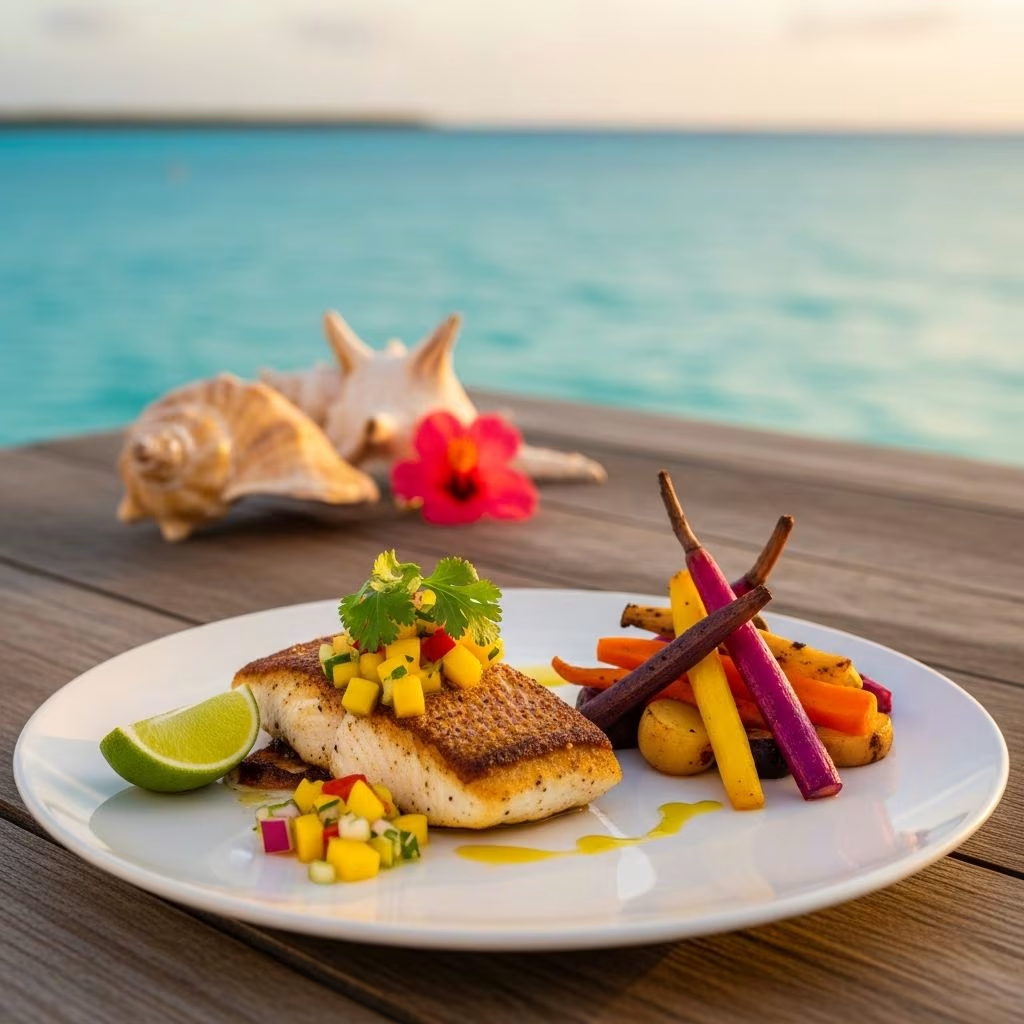
The Bahamas archipelago stretches across hundreds of islands in the Caribbean, each with its own unique character and culinary traditions. Beyond pristine beaches and crystal-clear waters, the islands have emerged as a destination for exceptional dining experiences. From upscale establishments helmed by renowned chefs to intimate family-owned venues serving traditional recipes, the Bahamian food scene reflects both global sophistication and local heritage.
Understanding the Bahamian Dining Scene
The restaurant landscape in the Bahamas has evolved significantly over the past two decades. Major resort developments have attracted internationally acclaimed chefs and culinary concepts, while local entrepreneurs continue to preserve and elevate traditional island cooking techniques. The combination of fresh seafood sourced from surrounding waters, tropical produce, and international influences creates a dynamic dining environment that appeals to both tourists and residents.
Dining in the Bahamas offers multiple experiences depending on preference and budget. Whether seeking casual beachfront venues where sand reaches table edges, sophisticated steakhouses with refined service, or neighborhood establishments where generations of family recipes are prepared fresh daily, visitors will find options across various price points and atmospheres.
Upscale Dining Destinations in Nassau and Resort Areas
Nassau serves as the culinary epicenter of the Bahamas, hosting the archipelago’s most acclaimed fine dining establishments. The capital’s restaurant scene emphasizes classical French technique, contemporary Mediterranean cuisine, and innovative takes on regional ingredients. Several restaurants have earned recognition for exceptional wine programs, gracious hospitality, and artfully presented dishes.
Graycliff Restaurant stands as a cornerstone of Nassau’s fine dining community, distinguished by its historic setting and comprehensive wine collection. The establishment combines classical culinary traditions with modern refinement, offering a multi-course experience that reflects both international standards and Caribbean sensibilities.
Beyond standalone restaurants, luxury resort properties have established their own culinary destinations. These venues typically feature:
- Celebrity chef-directed restaurants offering signature cuisines
- Contemporary coastal-focused menus emphasizing fresh, seasonal ingredients
- Refined service standards and elegant architectural design
- Extensive wine and beverage programs curated by trained sommeliers
- Multiple dining venues within properties accommodating different occasions
Casual Dining and Beachfront Venues
While Nassau maintains a strong fine dining presence, some of the most memorable Bahamian dining experiences occur in relaxed, informal settings. Beachfront restaurants capitalize on natural beauty, offering meals with toes in the sand and ocean breezes as backdrop. These venues typically emphasize fresh seafood, grilled preparations, and casual service that prioritizes enjoyment over formality.
The casual dining segment showcases creativity in comfort food preparations. Modern Bahamian comfort food establishments reimagine traditional island dishes through contemporary presentations. Burgers, fresh seafood preparations, and locally-inspired plates appear in family-friendly environments designed for relaxation rather than formal dining protocols.
Cuisine Types and Specializations
| Cuisine Type | Characteristics | Best For |
|---|---|---|
| French Bistro | Classic techniques, intimate ambiance, wine focus | Special occasions, romantic dinners |
| Mediterranean/Seafood | Fresh catch, olive oil-based preparations, sushi options | Lunch, casual dinners, groups |
| Modern Bahamian | Local ingredients elevated, comfort food reimagined | Families, relaxed meals, cultural immersion |
| Steakhouse | Premium cuts, refined service, beachfront settings | Business dinners, romantic occasions |
| Coastal California | Seasonal ingredients, health-conscious options, light fare | Breakfast, brunch, casual lunch |
Dining in Resort and Development Communities
Several major resort developments have become culinary destinations themselves, attracting day-trippers specifically for dining experiences. These communities feature collections of restaurants operated by experienced teams, each serving distinct purposes within a cohesive hospitality ecosystem. Beachfront settings, poolside venues, and indoor fine dining options create variety within concentrated areas.
Resort dining advantages include consistent quality control, diverse menu options within short distances, and often-included resort amenities such as beach club access. These venues range from casual breakfast spots emphasizing tropical fruits and fresh pastries to evening establishments serving sophisticated preparations of regional seafood and international proteins.
Regional Island Dining Experiences
Beyond Nassau and major resort areas, various outer islands maintain distinct culinary identities. Different islands feature restaurants reflecting local populations, available ingredients, and tourism patterns. Some islands emphasize traditional Bahamian preparations, while others attract chefs creating contemporary interpretations of island cuisine.
Dining patterns vary by island accessibility and infrastructure. Islands with significant resort development offer comprehensive restaurant services, while smaller communities may feature limited but highly authentic venues where family recipes and local ingredients take precedence over formal training or refined presentations.
Seafood-Focused Establishments
Given the archipelago’s maritime character, seafood dominates many restaurant menus. Establishments specializing in ocean-sourced proteins offer various preparations from raw applications like ceviche to grilled, fried, and steamed preparations. Local favorites include conch in multiple forms—raw in ceviche, fried in croquettes, or incorporated into rice dishes—as well as lobster, grouper, and snapper.
Premium seafood restaurants often maintain relationships with local fishermen and suppliers, ensuring daily availability of the finest catches. Some establishments feature seafood towers combining multiple preparations, while others focus on single-protein mastery. Mediterranean-influenced venues emphasize simplicity, allowing ingredient quality to shine, while others incorporate international techniques and complementary flavors.
Brunch Culture and Daytime Dining
Brunch has become a significant dining occasion in the Bahamas, particularly at resort properties and upscale establishments. These midday services often feature elaborate spreads combining tropical elements, international techniques, and resort amenities. Tropical fruit preparations, seafood dishes, and French-influenced pastries appear alongside locally-inspired specialties.
Poolside and beachfront venues have established themselves as premier brunch destinations, leveraging natural settings and daytime ambiance. These venues typically operate with casual dress codes, relaxed service styles, and prices lower than evening fine dining while maintaining quality standards. Brunch service creates opportunities for social gatherings, family meals, and introduction to restaurant concepts before potential evening visits.
Wine Programs and Beverage Selection
Bahamas fine dining establishments maintain extensive wine collections reflecting global viticulture traditions. Restaurants invest significantly in wine programs, employing trained sommeliers capable of pairing selections with menu offerings. Curated lists often emphasize regions complementing seafood-focused preparations while maintaining accessibility across multiple price points.
Beyond wine, tropical settings inspire creative beverage programs. Rum-based cocktails, tropical fruit preparations, and frozen options appear throughout casual and formal venues. Local rum distilleries provide spirits for signature drinks, while international standards like margaritas and martinis maintain presence on traditional cocktail lists.
Neighborhood and Local Restaurants
Away from resort properties and tourist corridors, neighborhood establishments serve residents and informed travelers seeking authentic experiences. These venues typically emphasize value, family recipes, and cultural authenticity over presentation refinement or service formality. Visiting these restaurants provides insight into local food culture and often delivers superior flavor intensity compared to tourist-oriented establishments.
Coffeehouses and casual eateries have established strong communities in Nassau, offering breakfast, lunch, and light fare in intimate settings. Family-owned operations frequently feature recipes passed through generations, cultural traditions reflected in menu selections, and personalized service that creates genuine hospitality rather than scripted interactions.
Happy Hour and Value Dining
Many restaurants offer designated happy hour periods with discounted beverages and complimentary appetizers. These windows typically occur during weekday afternoons or early evenings, attracting both professionals and tourists seeking value. Happy hour venues often feature casual atmospheres conducive to social gathering while maintaining food quality standards.
Burger-focused establishments have become popular happy hour destinations, offering elevated versions of casual fare at accessible prices. These venues emphasize quality ingredients, creative preparations, and satisfying portions at lower price points than fine dining while maintaining execution standards exceeding typical fast-casual operations.
Dining Planning Considerations
Reservation Practices
Fine dining establishments typically require advance reservations, particularly during peak travel seasons and weekends. Many restaurants maintain online booking systems or phone reservation capabilities. Popular casual venues may implement wait systems during peak hours rather than accepting reservations.
Dress Codes
Formal establishments often maintain dress code requirements ranging from business casual to formal evening wear. Resort casual—lightweight fabrics, neat appearance without formal requirements—suits most island venues. Beachfront restaurants typically embrace relaxed dress standards, sometimes requiring merely clean casual attire.
Pricing Variations
Restaurant pricing reflects location, formality level, and ingredient sourcing. Fine dining establishments in Nassau command premium prices reflecting refined service, wine programs, and chef expertise. Casual venues offer more accessible pricing while maintaining quality standards. Resort locations typically carry price premiums compared to equivalent independent establishments.
Frequently Asked Questions
What represents the most authentic Bahamian cuisine experience?
Neighborhood establishments and family-owned restaurants offer the most authentic Bahamian culinary experiences. These venues prioritize traditional preparation techniques, locally-sourced ingredients, and recipes developed through generations. Seeking establishments in residential areas rather than tourist districts increases likelihood of encountering genuine local cuisine.
Which islands offer the best dining variety?
Nassau and major resort development areas provide the widest cuisine variety and most extensive restaurant selections. These locations attract international chefs, support diverse restaurant concepts, and maintain consistent operational standards. Outer islands offer more limited selections but often feature exceptional quality and authenticity.
Are reservations necessary for casual dining?
Casual venues rarely require reservations and typically operate on first-come, first-served bases. Fine dining establishments strongly recommend reservations, particularly during evenings and weekends. Resort restaurants may maintain reservation systems or implement priority seating for hotel guests.
What is the typical tipping standard?
Standard gratuity expectations in Bahamas restaurants typically align with North American practices, ranging from 15-20% for quality service. Many establishments automatically add gratuity for larger parties or include service charges in bills. Reviewing bills before payment clarifies whether gratuities are included.
How should visitors find lesser-known dining spots?
Local residents, hotel concierge services, and neighborhood exploration often reveal restaurants unknown to typical tourists. Asking restaurant staff for recommendations to other establishments frequently yields authentic suggestions. Traveling during shoulder seasons rather than peak times increases opportunities for conversations with locals.
References
- Best Restaurants in Nassau Bahamas: Baha Mar Dining & Bars — Baha Mar Resort. Accessed 2026. https://bahamar.com/culinary/
- Fine Dining Experiences in the Bahamas – Nassau Paradise Island — Nassau Paradise Island Tourism Board. Accessed 2026. https://www.nassauparadiseisland.com/dining-restaurants/fine-dining
- The 16 Best Restaurants In Nassau, Bahamas — The Infatuation. Accessed 2026. https://www.theinfatuation.com/nassau/guides/best-restaurants-nassau-bahamas
- Best Dining in Bahamas — TripAdvisor. Accessed 2026. https://www.tripadvisor.com/Restaurants-g147414-Bahamas.html
- The Best Restaurants at Baha Mar — Journeys and Jaunts. Accessed 2026. https://www.journeysandjaunts.com/best-restaurants-at-baha-mar/
On This Page
Understanding the Bahamian Dining Scene Upscale Dining Destinations in Nassau and Resort Areas Casual Dining and Beachfront Venues Cuisine Types and Specializations Dining in Resort and Development Communities Regional Island Dining Experiences Seafood-Focused Establishments Brunch Culture and Daytime Dining Wine Programs and Beverage Selection Neighborhood and Local Restaurants Happy Hour and Value Dining Dining Planning Considerations Frequently Asked Questions← Previous
Best Things to Do in Santa Barbara: Beaches, Wine & History
Next →
Best Things to Do in The Bahamas: Beaches, Wildlife & Island Adventures
Related Reading
More in Food & Culture
Food & Culture Food & Culture
 Food & Culture
Best Places to Eat in Rome: Neighborhood Dining Guide
 Food & Culture
 Food & Culture