


 Food & Culture
Food & Culture
Best Restaurants in Turks and Caicos: Fine Dining to Beachfront Eats
Discover premier dining destinations across Turks and Caicos, from beachfront seafood shacks to upscale chef's tables featuring innovative cuisine.
 Food & Culture
Turks and Caicos has emerged as a premier destination for discerning travelers seeking exceptional culinary experiences. The archipelago’s restaurant scene reflects a unique blend of Caribbean heritage, fresh local seafood, and international culinary techniques. Whether you’re seeking casual beachside dining or sophisticated fine dining establishments, the islands offer an impressive array of options that cater to every palate and occasion.
Understanding the Island’s Gastronomic Landscape
The dining culture in Turks and Caicos is fundamentally shaped by the islands’ geography and abundant marine resources. Restaurants throughout the archipelago prioritize fresh seafood sourced from local waters, creating dishes that reflect both tradition and innovation. The culinary environment encourages chefs to experiment with Mediterranean influences, Asian-inspired preparations, and classic Caribbean methods, resulting in a diverse food scene that appeals to international visitors while maintaining authentic island character.
Most of the island’s finest establishments concentrate in key tourism areas, with particular density around Grace Bay and the central resort zones. This geographical clustering makes it convenient for visitors to explore multiple dining venues without extensive travel. Many restaurants occupy prime beachfront locations, transforming meals into complete sensory experiences that combine exceptional food with panoramic ocean views and tropical ambiance.
Contemporary Fine Dining Experiences
For travelers prioritizing sophisticated gastronomy, several establishments have established themselves as leaders in elevated island dining. These venues distinguish themselves through innovative menus, expert service, and carefully curated dining environments.
Progressive Tasting Menu Concepts
Certain restaurants have pioneered the chef’s table experience in Turks and Caicos, offering multi-course tasting menus that change seasonally. These establishments operate with limited seating capacity, creating intimate dining experiences where culinary artistry takes center stage. Chefs working in this format develop relationships with local suppliers, often incorporating whatever ingredients are at peak freshness during specific seasons. The flexibility of changing menus quarterly ensures that repeat visitors encounter entirely new preparations during subsequent visits, eliminating the monotony of static offerings.
Wine pairings enhance these progressive menu experiences, with curated selections drawn from extensive international collections. Sommeliers working at these establishments possess deep knowledge of how specific wines complement island ingredients and cooking techniques, elevating both the wines and the food through thoughtful combinations.
Mediterranean and Seafood Specialization
Several prominent establishments focus intensively on Mediterranean cuisine and pristine seafood preparations. These restaurants emphasize simplicity and ingredient quality, allowing the natural character of fresh fish and shellfish to shine through minimal intervention. Dry-aged fish preparations and traditional Mediterranean techniques like whole fish grilling represent signature approaches at these venues. Many source ingredients globally to complement local catches, creating menus that honor both island traditions and international standards.
Oceanfront positioning amplifies the dining experience at these establishments, as diners enjoy sunset views and sea breezes while consuming the very waters from which their meal was harvested. The sensory connection between ocean, cuisine, and environment creates memorable experiences that transcend simple consumption of food.
Casual Beachfront and Local Dining Venues
Beyond formal fine dining, Turks and Caicos offers exceptional casual dining experiences that showcase traditional island cooking and contemporary beachside sensibilities. These establishments often deliver some of the most memorable meals available, particularly for travelers seeking authentic flavors and relaxed atmospheres.
Signature Local Dishes and Traditions
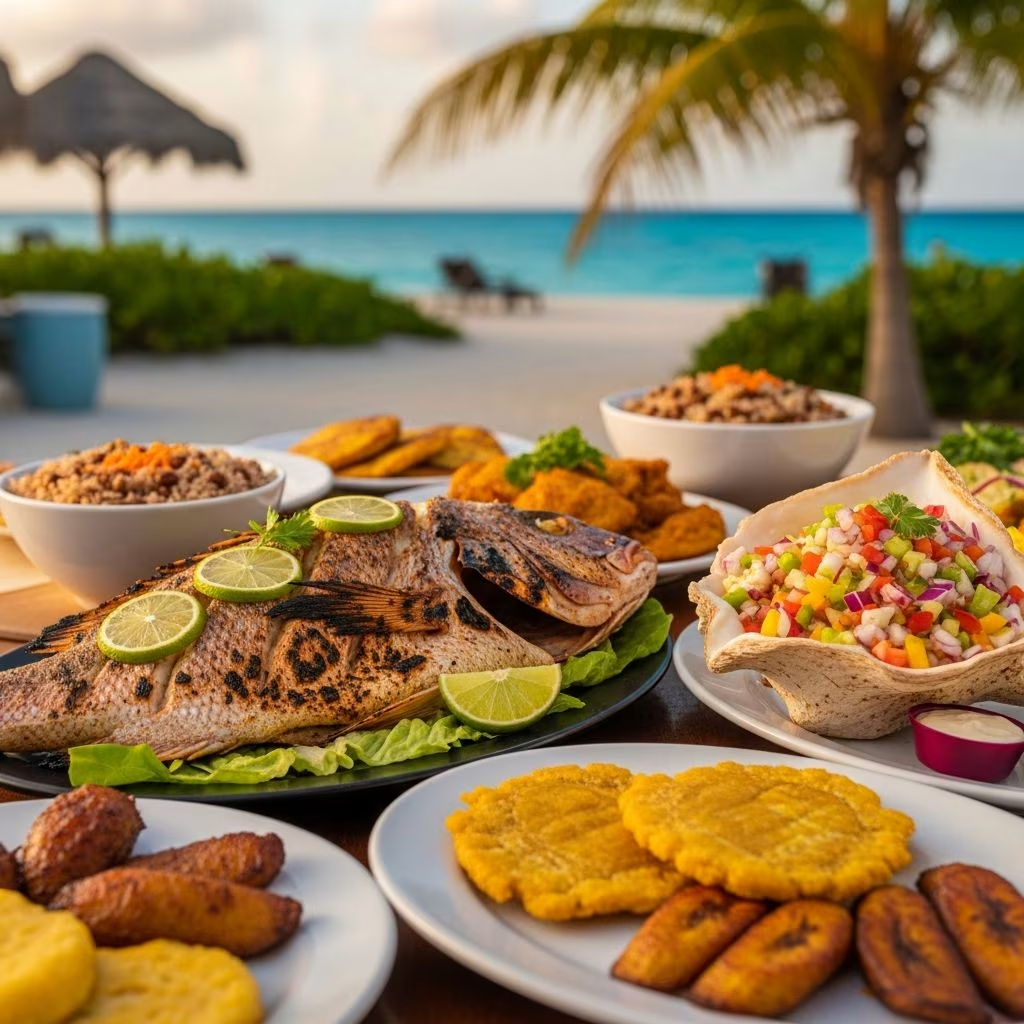
Specific dishes have achieved legendary status within the island’s dining culture, drawing repeat visitors and strong local patronage. Conch preparations dominate many casual menus, appearing as components in chowders, salads, and fritters. Traditional curry preparations featuring goat or grouper represent time-honored island cooking that maintains strong cultural significance. These dishes often appear at multiple venues throughout the archipelago, though individual restaurant interpretations vary based on family recipes, ingredient sourcing, and chef preferences.
The prominence of these dishes reflects both ingredient availability and cultural heritage. Conch and grouper remain central to Caribbean cuisine for centuries, and local restaurants preserve these traditions while adapting them to contemporary palates. Visitors seeking authentic island flavors should prioritize establishments showcasing these specialties.
Casual Beachside Environments
Many casual dining venues occupy prime beachfront locations, offering dining directly on sand with minimal structure separating tables from ocean vistas. These environments typically feature open-air arrangements, relaxed dress codes, and congenial atmospheres that encourage long meals and casual interaction between diners. Service styles tend toward friendly efficiency rather than formal ceremony, making these venues ideal for families and travelers seeking unpretentious dining.
Five Cays beaches host several established casual dining destinations specializing in conch-focused menus. These locations attract both tourists and locals, creating dynamic social environments where island culture remains visible and authentic. The combination of fresh ingredients, casual service, and beachfront positioning creates dining experiences that feel fundamentally tied to place.
Grace Bay Dining District
Grace Bay’s concentration of restaurants reflects its status as the primary tourism hub. This geographic clustering creates a dining district where visitors can explore multiple venues within convenient walking distances or brief car rides. The accessibility encourages culinary exploration and reduces friction for diners planning multiple restaurant experiences during extended stays.
Resort-Integrated Fine Dining
Several luxury resorts feature restaurants that function as independent dining destinations, welcoming non-resort guests. These establishments benefit from resort infrastructure, experienced service staff, and sophisticated amenities while maintaining accessibility to the broader dining public. The resort setting often includes distinctive architectural features, manicured grounds, and comprehensive bar programs that enhance the overall dining experience. Many resort restaurants undergo periodic renovations and menu updates, maintaining relevance and excitement within the competitive dining landscape.
Independent Boutique Restaurants
Grace Bay also hosts independent restaurants unaffiliated with resorts, offering alternative perspectives and distinct culinary philosophies. These establishments often reflect individual owner visions and personal chef philosophies more directly than resort-affiliated venues. Several occupy distinctive settings, including properties surrounded by extensive palm groves that create unique tropical ambiance. The independence allows for menu flexibility, experimental cooking approaches, and personalized service that sometimes exceeds what standardized resort operations can provide.
Emerging Restaurants and Culinary Innovation
The restaurant landscape continuously evolves as new establishments open and existing venues develop reputations. Recent years have witnessed significant growth in the number of highly-rated dining destinations, particularly among establishments helmed by accomplished chefs relocating to the islands. Contemporary restaurants demonstrate sophistication comparable to metropolitan dining scenes while maintaining distinctly Caribbean character.
New openings frequently generate significant interest and social media attention, creating opportunities for travelers to experience cutting-edge culinary approaches. Chefs at these venues often bring extensive experience from international markets, applying refined techniques to Caribbean ingredients and traditions. This combination of outside expertise and local resources produces innovative cuisine that neither purely international nor traditionally Caribbean establishments could independently achieve.
Dining Logistics and Practical Considerations
Reservation Recommendations
- Peak season venues typically require advance reservations, particularly for dinner service
- Fine dining establishments limit seating capacity to maintain service quality and atmosphere
- Last-minute availability decreases significantly during holiday periods and major tourism events
- Many restaurants offer online reservation systems, though phone contact often provides more personalized service
- Cancellation policies vary by establishment; confirm requirements when booking
Dress Code and Atmosphere Expectations
Fine dining establishments typically enforce smart casual or business casual dress codes, though specific requirements vary. Most welcome collared shirts and closed-toe shoes without requiring formal suits or dresses. Casual beachside restaurants maintain minimal dress code requirements, typically requesting only that diners wear shoes and cover essential areas. Understanding each venue’s atmosphere expectations prevents uncomfortable surprises and allows appropriate preparation.
Pricing and Value Considerations
Restaurant pricing in Turks and Caicos reflects island economics, with imported ingredients and limited year-round tourism creating higher costs than mainland establishments. Fine dining entrees typically range from moderate to expensive compared to North American pricing, though most visitors consider the value reasonable given ingredient quality and oceanfront positioning. Casual venues often provide excellent value, particularly for seafood-focused preparations utilizing locally caught fish and shellfish.
Cuisine Styles and Flavor Profiles
| Cuisine Style | Characteristics | Typical Venues |
|---|---|---|
| Traditional Caribbean | Conch, curry, local fish preparations using time-honored methods | Casual beachside restaurants, local establishments |
| Mediterranean | Seafood-forward, olive oil-based, fresh ingredient focus | Upscale beachfront establishments, resort restaurants |
| Fusion/Contemporary | International techniques applied to local ingredients, innovative combinations | Fine dining chef’s tables, boutique restaurants |
| Asian-Inspired | Seafood preparations with Asian seasonings and techniques | Contemporary fine dining venues |
Frequently Asked Questions
What is the best time to visit Turks and Caicos for dining experiences?
While restaurants operate year-round, peak season from December through April offers the widest selection of available tables and most consistent ingredient availability. Shoulder seasons provide smaller crowds and easier restaurant access, though some seasonal closures may occur. Summer months see reduced tourism but maintain quality dining options at many established venues.
Should I expect to find vegetarian options at island restaurants?
Most contemporary restaurants offer vegetarian preparations, though the island’s cuisine emphasizes seafood and meat. Fine dining establishments typically accommodate dietary restrictions with advance notice. Casual venues may have more limited vegetarian options, though creative kitchen staff often prepare alternative dishes upon request.
How far in advance should I make dinner reservations?
During peak season, reserving 2-4 weeks in advance ensures access to sought-after venues and preferred time slots. During slower periods, one week in advance usually suffices. Some casual restaurants operate on first-come basis without reservations, though waits may occur during peak dinner hours.
What are typical dining hours at island restaurants?
Lunch service typically runs from noon to 2:30 PM, while dinner service begins around 5:30 PM and concludes at 10:00 PM or later. Variations occur by individual establishment, with some venues opening earlier for breakfast or maintaining kitchen availability into late evening. Holiday periods and special events may modify standard hours.
Are beachfront locations prone to weather-related closures?
Most beachfront establishments maintain emergency protocols for severe weather, with some closing temporarily during hurricanes or tropical storms. During normal conditions, open-air and semi-open venues operate reliably. Establishments with permanent structures and backup systems typically remain operational during most weather events.
Creating Your Culinary Itinerary
Visitors planning extended stays should consider combining multiple dining venues to experience the full breadth of island cuisine. A balanced itinerary might include a fine dining establishment providing sophisticated gastronomic experiences, a casual beachside venue showcasing traditional island flavors, and an intermediate restaurant offering contemporary cuisine in relaxed settings. This approach provides diverse experiences while preventing dining monotony.
Timing meals strategically around daily activities enhances overall vacation satisfaction. Lunch at casual beachfront restaurants allows continued beach access afterward, while sunset dinner reservations at oceanfront fine dining establishments combine excellent views with sophisticated cuisine. Breakfast at resort restaurants provides convenient starts to exploration-focused days.
Supporting Local Culinary Culture
Dining choices directly impact island communities and local economies. Supporting restaurants that prioritize local seafood sources, employ island residents, and feature local staff in leadership positions ensures tourist spending benefits the broader community. Many establishments feature staff members with deep family ties to the islands and personal investments in maintaining culinary traditions. Engaging with service staff and showing genuine appreciation for their work creates more meaningful interactions than transactional dining experiences.
The restaurant industry in Turks and Caicos represents a significant employment sector and cultural institution. Visitor patronage sustains these establishments while supporting families and communities throughout the archipelago. Approaching dining with appreciation for both the culinary product and the human infrastructure creating it transforms meals into meaningful cultural exchanges.
References
- Visit TCI – Restaurants and Dining Guide — Turks and Caicos Islands Tourism Board. https://www.visittci.com/restaurants-and-dining
- Coco Bistro Official Website — Coco Bistro. https://www.cocobistro.tc
- Marine Room Fine Dining Restaurant — Marine Room TCI. https://marineroomtci.com
- The 10 Best Restaurants in Turks and Caicos (Updated April 2026) — TripAdvisor. https://www.tripadvisor.com/Restaurants-g147395-Turks_and_Caicos.html
On This Page
Understanding the Island's Gastronomic Landscape Contemporary Fine Dining Experiences Casual Beachfront and Local Dining Venues Grace Bay Dining District Emerging Restaurants and Culinary Innovation Dining Logistics and Practical Considerations Cuisine Styles and Flavor Profiles Frequently Asked Questions Creating Your Culinary Itinerary Supporting Local Culinary Culture← Previous
Best Restaurants in Turks and Caicos: Grace Bay to Conch Shacks
Next →
Cape Winelands Travel Guide: Stellenbosch, Franschhoek & Paarl
Related Reading
More in Food & Culture
Food & Culture Food & Culture
 Food & Culture
Best Places to Eat in Rome: Neighborhood Dining Guide
 Food & Culture
 Food & Culture