

 Travel Essentials
 Travel Essentials

Explore diverse driving experiences across Greece, from island-hopping adventures to ancient archaeological routes and remote northern landscapes.
 Travel Essentials
Greece offers some of Europe’s most spectacular driving experiences, where every journey reveals ancient history, pristine beaches, dramatic mountain passes, and charming villages. Whether you prefer coastal highways hugging turquoise waters or mountain roads winding through olive groves and traditional settlements, Greece’s diverse landscapes provide endless opportunities for memorable road adventures. This comprehensive guide explores the most rewarding driving routes that showcase Greece’s unique character and diverse regions.
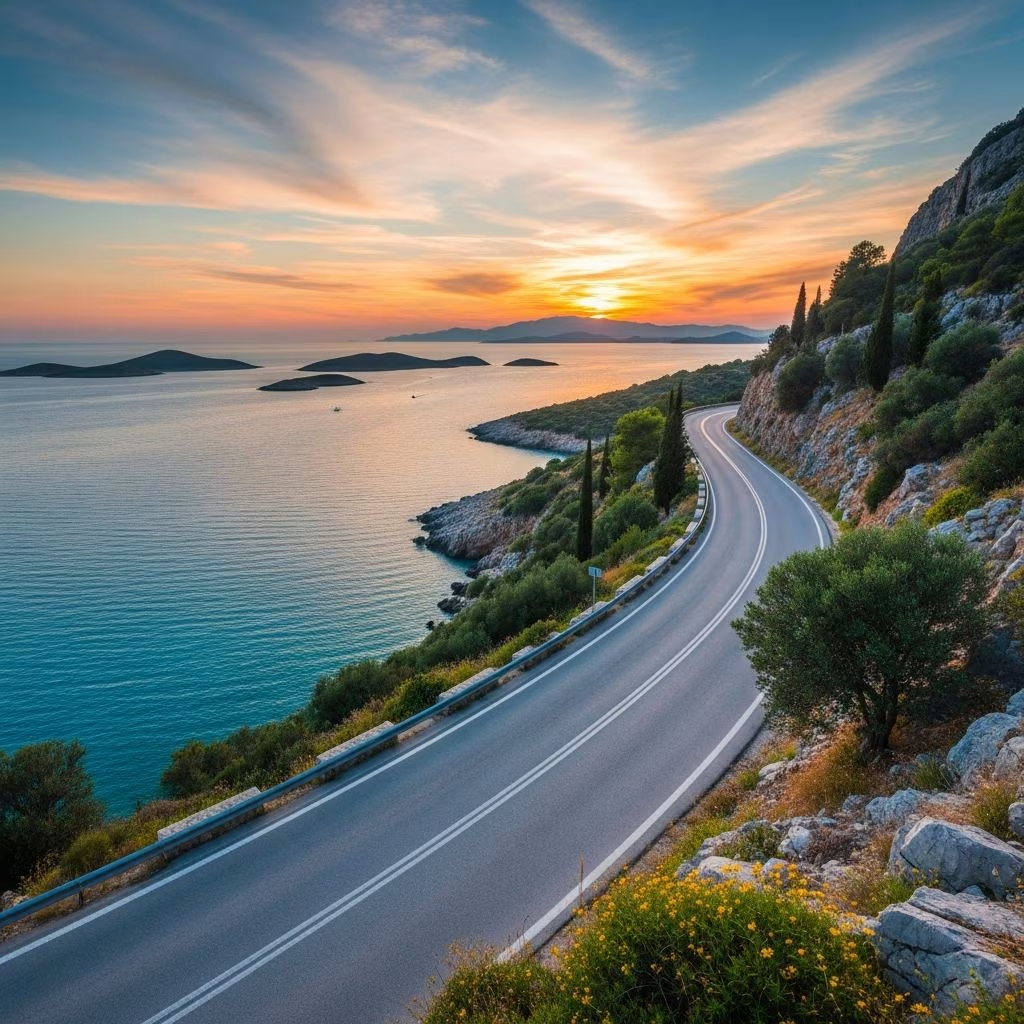
Greece’s coastlines present some of the world’s most breathtaking driving experiences. The combination of Mediterranean sunshine, crystalline waters visible from mountain roads, and coastal villages creates an intoxicating atmosphere for drivers seeking both relaxation and exploration.
The journey from the capital toward the nearby islands begins with a relatively short drive, making it accessible for those with limited time. This route showcases how close Mediterranean paradise lies to urban centers, with travelers departing from the bustling streets and arriving at peaceful island destinations within hours. The contrast between urban energy and island tranquility makes this particularly rewarding.
Driving through the Peloponnese region—the southern peninsula connected to mainland Greece—reveals dramatic landscapes where ancient ruins emerge from hillsides overlooking valleys. This region combines archaeological significance with natural beauty, allowing travelers to shift between historical exploration and natural scenery throughout their journey.
Greece’s historical significance transforms driving into an educational journey. Several routes specifically connect major archaeological sites, allowing visitors to piece together ancient Greek civilization across multiple locations.
The route toward the ancient sanctuary encompasses approximately 600 kilometers of driving through varied terrain. Along this journey, travelers encounter not only famous archaeological sites but also the landscapes that shaped ancient Greek society—understanding why certain settlements thrived in specific locations adds depth to archaeological experience.
Central Greece offers particular richness for history enthusiasts. Routes through this region pass dramatic rock formations crowned with monasteries, ancient oracle sites perched on mountainsides, and towns built into nearly vertical cliff faces. The engineering that allowed ancient and medieval peoples to construct settlements in such locations astounds modern visitors.
Crete, Greece’s largest island, deserves dedicated driving time despite being an island destination. The 260-kilometer length supports diverse routing options, each revealing different aspects of Cretan character.
Starting from the central port city and moving eastward introduces visitors to both developed resort areas and remarkably untouched villages. The northern coast differs dramatically from the southern shore—one features developed infrastructure and beaches popular with international travelers, while the other presents rugged cliffs, isolated villages, and genuine local experiences.
The journey across Crete’s center leads through mountainous terrain where traditional villages remain largely unchanged by modern tourism. These elevated settlements offer perspectives on how Cretans lived for centuries, with local restaurants serving recipes passed through generations and architecture reflecting centuries-old building traditions.
Driving toward Crete’s western regions introduces dramatic gorges and golden beaches. The route passes through national parks protecting unique ecosystems found nowhere else on Earth, while beach destinations range from crowded tourist favorites to completely undeveloped stretches accessible only by car or foot.
The northern regions of Greece remain significantly less explored than southern destinations, offering adventurous drivers authentic experiences with minimal tourist infrastructure. These areas combine rugged natural beauty with cultural richness that rewards curious travelers.
The mountainous peninsula region northeast of the major northern city features three distinct fingers of land jutting into the Aegean Sea. Each peninsula offers different characteristics—some emphasize beach access and water activities, others feature mountain villages and hiking opportunities, while still others combine both elements.
Driving through these regions means sharing roads with fewer international tourists. Village tavernas cater primarily to locals, prices remain significantly lower than tourist-focused areas, and interactions with residents provide genuine cultural exchange rather than transactional tourist experiences.
The terrain demands confident driving skills, with roads occasionally narrowing dramatically and elevation changes creating challenging curves. However, these challenging routes reward drivers with panoramic vistas and the satisfaction of accessing places most tourists never see.
| Route Type | Best Season | Typical Distance | Driving Duration | Primary Appeal |
|---|---|---|---|---|
| Coastal Routes | April-October | 180-250km | 3-5 hours | Beaches, sea views |
| Archaeological Sites | March-May, Sept-Oct | 500-600km | Multiple days | Historical exploration |
| Island Complete Tour | May-September | 250-300km | 3-4 days | Diverse landscapes |
| Mountain Wilderness | May-October | 200-400km | 2-4 days | Authentic villages |
Planning timing around seasons significantly impacts experience quality. Summer months (July-August) bring extreme heat and maximum tourist crowds, making driving more stressful and popular destinations overwhelmed. Shoulder seasons (April-June, September-October) offer ideal combinations of pleasant weather, manageable crowds, and operational services throughout smaller communities.
Car selection affects both comfort and capability. Smaller European vehicles navigate narrow village streets more easily than large SUVs, though modern cars handle Greek roads competently. Older vehicles may struggle with mountainous terrain where lower gears become necessary for extended downhill sections.
Road conditions vary significantly between regions. Major highways connecting cities maintain excellent conditions with modern services. Secondary roads connecting archaeological sites or reaching mountain villages range from well-maintained to challenging, with some featuring minimal markings or shoulders.
For travelers prioritizing water access and relaxation, specific routes maximize beach time while minimizing excessive driving. These routes strategically position drivers near multiple beach options, allowing flexibility to select destinations based on weather, crowds, and personal preference.
The journey combining major city departure with island destinations showcases the practical accessibility of Mediterranean paradise. Modern transportation infrastructure means travelers escape urban environments within hours, dramatically shifting from city stress to island rhythm.
Alternative coastal options explore less-famous beaches where Mediterranean development remains limited. These routes pass through regions where coastal villages maintain traditional character, local restaurants serve seafood caught that morning, and swimming occurs in waters rarely touched by crowds.
Ambitious travelers with two weeks or more can combine multiple routes into comprehensive Greek explorations. These extended journeys create logical progressions connecting different regions while minimizing backtracking.
A complete two-week journey might incorporate northern wilderness regions, the cultural heartland of central Greece, and Peloponnese archaeological sites, returning via coastal routes to the starting point. This comprehensive approach provides diverse experiences—mountain villages, ancient ruins, island cultures, and Mediterranean beaches—within a single journey.
The beauty of Greek road trips lies in flexibility. Drivers can adjust routes based on weather, personal interest, or spontaneous discoveries. A village restaurant with outstanding reviews might warrant extended stays; dramatic mountain passes might inspire photography breaks; encounters with local events could lead to unplanned cultural experiences.
Beyond scenery and historical sites, Greek road trips provide opportunities for genuine cultural immersion. Small family-run restaurants serve meals prepared according to generations-old recipes, village markets showcase local products rarely exported, and conversations with residents reveal authentic perspectives on Greek life.
Driving through regions less dependent on international tourism means supporting local economies directly. Money spent at small family businesses, village accommodations, and family restaurants contributes meaningfully to communities often struggling economically compared to major tourist destinations.
Many villages celebrate seasonal festivals featuring traditional music, dancing, and food. Timing a road trip to coincide with local celebrations provides experiences tourist packages never access—opportunities to participate in genuine community events rather than observe staged performances.
Successful road trips combine thorough planning with flexibility. Before departing, research road conditions, confirm accommodation availability, and identify must-see locations. However, allow sufficient unscheduled time for spontaneous discoveries that often become trip highlights.
Modern navigation technology makes Greek driving significantly easier than previous generations experienced. Smartphones with offline maps provide backup when cellular service becomes unavailable in remote regions. However, physical maps prove valuable supplements when technology fails.
Pack practical items including extra water for mountain drives, sun protection for exposed areas, and comfortable shoes for exploring villages and archaeological sites. Greece’s sun intensity can overwhelm travelers accustomed to northern climates, making consistent sun protection essential.
Greek hospitality extends to roads and accommodations. Visitors find that driving courtesies, helpful directions from locals, and warm welcomes at family businesses create positive experiences extending beyond scenic beauty and historical sites.
