

 Travel Essentials
 Travel Essentials

A comprehensive guide to Malaysia's most rewarding road trips, featuring coastal drives, jungle adventures, and cultural explorations spanning Peninsular Malaysia and Borneo.
 Travel Essentials
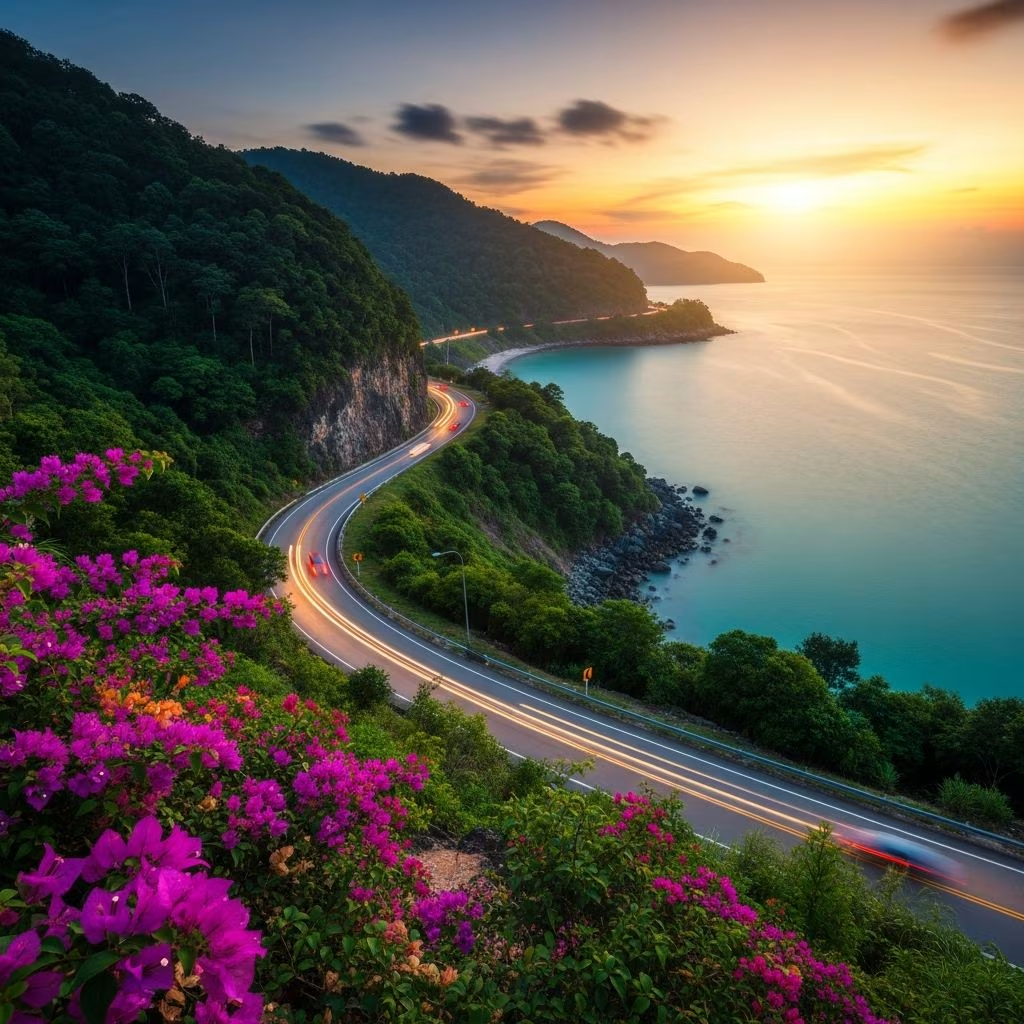
Malaysia offers an extraordinary array of driving experiences that showcase the nation’s remarkable diversity. From pristine coastal highways to dense jungle passages, road trips across this Southeast Asian gem reveal experiences that cannot be discovered through conventional tourism. Whether you seek cultural immersion, natural wonders, or adventure activities, Malaysia’s extensive network of well-maintained roads provides the perfect canvas for unforgettable journeys.
One of the most captivating driving experiences in Malaysia involves traversing the western coastline of the peninsula. This route transports travelers through rural landscapes, historic settlements, and charming riverside communities that rarely appear in mainstream tourist guides. The journey from the capital southward spans approximately 400 kilometers and can be completed over six days at a leisurely pace, allowing ample time for exploration and discovery.
Beginning in the urban center and moving northward along Route 5, travelers bypass the congested expressway infrastructure to embrace secondary roads that wind through authentic Malaysian countryside. The expedition passes through agricultural regions dominated by rice cultivation, offering stunning vistas of emerald paddies that stretch toward distant horizons. Settlements like Kuala Selangor present historical significance, featuring ancient fortifications that speak to Malaysia’s complex colonial heritage.
A particularly distinctive landmark along this route is the Menara Condong, an architectural marvel often compared to Europe’s famous tilted tower. This structure stands as a testament to Malaysia’s unique blend of Western influence and local engineering, rising from the landscape as an unexpected encounter for travelers navigating the peninsula’s lesser-known pathways.
The southwestern corridor presents a contrasting experience, merging contemporary beach destinations with UNESCO-recognized heritage sites. This five-day expedition covers approximately 512 kilometers, beginning in the metropolitan core and descending toward the peninsula’s southern reaches. The route encompasses multiple ecosystems, historical periods, and cultural expressions that collectively narrate Malaysia’s multifaceted story.
Port Dickson emerges as the initial coastal attraction, offering sandy beaches and maritime leisure activities before the journey continues southward. The former Dutch colonial settlement of Melaka represents a pinnacle of cultural significance, where centuries of international trade, architectural influence, and culinary fusion have created a destination unlike any other in the region. The city’s designation as a UNESCO World Heritage site underscores its importance as a living museum where ancient stone structures coexist with vibrant markets and innovative dining establishments.
This route provides opportunities to engage with Malaysia’s multicultural society, sample diverse cuisines influenced by Portuguese, Dutch, Chinese, and indigenous traditions, and explore museums detailing centuries of maritime commerce and cultural exchange. The drive itself becomes secondary to the destinations encountered along the way.
The eastern coastline presents a dramatically different character from its western counterpart. This region maintains stronger connections to traditional Malaysian lifestyles, with fishing communities, quieter beaches, and less-developed infrastructure creating an atmosphere of tranquility. An eight-day itinerary beginning in the capital and proceeding toward the east coast town of Kuantan covers approximately 250 kilometers during the initial segment.
The drive eastward typically requires three hours to reach Kuantan, with opportunities for intermediate stops at charming cafes and local eateries. Upon arrival, travelers can dedicate time to beach explorations, sunrise hikes, or simply acclimating to the slower pace that characterizes the east coast experience. Subsequent days allow for ventures into nearby mining heritage sites, elevated viewpoint hikes, and engagement with local communities who maintain traditional fishing and agricultural practices.
This region’s appeal lies not in dramatic landmarks but in the authentic atmosphere, the genuine warmth of local interactions, and the opportunity to experience Malaysia beyond its metropolitan and resort-development zones. The relaxed rhythm of coastal towns provides respite from urban intensity and creates space for genuine cultural connection.
Interior routes present entirely different challenges and rewards. The mountainous regions inland from the western coast, particularly the central highlands, feature dramatically different topography, climate, and vegetation. These drives ascend through multiple ecological zones, transitioning from lowland agriculture to highland forests characterized by cooler temperatures and distinctive flora.
The journey toward elevated towns like Ipoh traverses limestone landscapes marked by striking geological formations and cave systems. These regions host Buddhist temples ingeniously integrated into natural cavities, creating sacred spaces where human devotion merges seamlessly with natural geography. Local exploration activities include cave system traversals, tea plantation visits, and encounters with rare botanical specimens not found at lower elevations.
Routes through these areas typically require more cautious driving due to winding roads and elevation changes, but the scenery justifies the reduced speed and extended travel times. These highlands provide genuine escape from lowland heat and humidity, offering visitors respite through refreshing mountain air and spectacular vistas across valleys and forested slopes.
For the genuinely adventurous traveler, Borneo presents road-tripping opportunities of remarkable scope and intensity. The Pan Borneo Highway project represents a modern infrastructure achievement that now facilitates drives through territories that previously demanded substantial preparation and time investment. A six-day journey covering approximately 750 kilometers between Kuching and Miri showcases Borneo’s ecological richness and indigenous cultural heritage.
This route traverses landscapes where pristine rainforest remains predominant, where wildlife encounters represent genuine possibilities rather than curated experiences, and where indigenous communities maintain cultural traditions relatively unmodified by modern globalization. The journey provides exposure to Dayak culture, opportunities to visit traditional settlements, and encounters with unique biodiversity found nowhere else on Earth.
Subsequent routes within Sabah, another Malaysian state on Borneo, extend from coastal towns toward interior conservation areas and protected wildlife reserves. These expeditions combine coastal driving with access to marine ecosystems, island destinations, and some of the world’s most significant diving locations. The contrasts between developed infrastructure and pristine wilderness create a distinctive travel experience where modernity and untouched nature coexist.
Beyond destination-based road trips, Malaysia offers circuits specifically designed around particular activities and interests. Adventure-oriented routes concentrate on locations featuring whitewater rafting opportunities, waterfall abseiling, cave exploration, and hiking pursuits. The mountainous town of Gopeng exemplifies this approach, serving as a hub for outdoor enthusiasts seeking adrenaline-fueled experiences combined with culinary exploration and cultural discovery.
These circuits typically span shorter distances but pack substantial activity density into compact geographic areas. Three to four days allow visitors to engage in multiple pursuits, sample local cuisine at heritage-listed establishments, and explore natural formations spanning geological eras. The reduced driving component in these routes appeals to travelers preferring activity concentration over extensive highway time.
Successful road-tripping across Malaysia requires thoughtful planning regarding vehicle selection, timing, and route prioritization. The nation’s tropical climate produces substantial rainfall during certain seasons, potentially impacting driving conditions on secondary roads. The highway system features well-maintained expressway infrastructure alongside secondary routes varying considerably in surface quality and traffic patterns.
Route selection should align with personal interests, available time, and comfort preferences. Travelers seeking cultural immersion and historical exploration benefit from western and southern peninsula circuits. Adventure enthusiasts find Borneo and mountain regions more rewarding. Beach-focused travelers should prioritize coastal routes across both western and eastern coastlines. Practical considerations include accommodation availability, which varies substantially between developed tourist destinations and remote regional centers.
Vehicle rental options accommodate different budgets and requirements, from economic compact vehicles suitable for highway travel to four-wheel-drive options providing enhanced capability for rough terrain navigation. Local driving customs, traffic patterns, and road signage differ slightly from Western standards, warranting driver attention and adjustment periods.
Malaysia’s equatorial and tropical climate creates distinct seasonal patterns affecting road-trip planning. The dry season, typically extending from May through September, provides optimal conditions for most routes. The northeast monsoon period between November and March introduces heavy rainfall, particularly affecting east coast regions and Borneo’s northern areas. During these months, secondary roads may become challenging, though main highways remain passable.
The Chinese New Year period and school holidays concentrate traffic and tourist activity in popular destinations. Traveling during shoulder seasons, immediately before or after peak periods, offers advantages of better weather patterns, reduced crowds, and enhanced local interactions. Independent travelers operating on flexible schedules can maximize experiences through strategic timing choices.
Road-tripping across Malaysia provides intimate access to diverse communities and pristine environments, creating responsibility for respectful engagement and minimal ecological impact. Indigenous communities, particularly in Borneo regions, deserve recognition as territorial custodians whose cultural practices and environmental stewardship should be respected rather than exploited for entertainment.
Environmental responsibility includes proper waste disposal, respect for protected areas and wildlife, and preference for local businesses supporting regional economies directly. Interactions with local populations benefit from genuine curiosity, patience with language barriers, and recognition that travelers represent their home nations through individual behavior.
