

 Travel Essentials
 Travel Essentials

Discover expert strategies for choosing and packing the right shoes for European travel, including seasonal recommendations and practical packing tips.
 Travel Essentials
Selecting appropriate footwear stands as one of the most critical decisions when preparing for European travel. Your shoes will carry you across cobblestone streets, through bustling city centers, and up winding staircases in historic villages. Unlike casual domestic trips, European exploration demands footwear that balances comfort with style while adapting to varied terrain and climate conditions. The difference between enjoying your journey and suffering through blistered feet comes down to thoughtful shoe selection months before your departure.
European cities present unique challenges that demand specific footwear characteristics. The combination of ancient stone pathways, unpredictable weather patterns, and long daily walking distances requires shoes engineered for endurance rather than fashion alone. Travelers often underestimate the physical demands of exploring Europe, where daily step counts frequently exceed 20,000 steps across uneven surfaces.
The most successful European travelers recognize that footwear serves as both functional equipment and style statement. European fashion sensibilities differ markedly from North American approaches, making shoe selection a balance between comfort and cultural appropriateness. What works in one context may draw unwanted attention in another, so understanding regional fashion norms alongside practical requirements becomes essential.
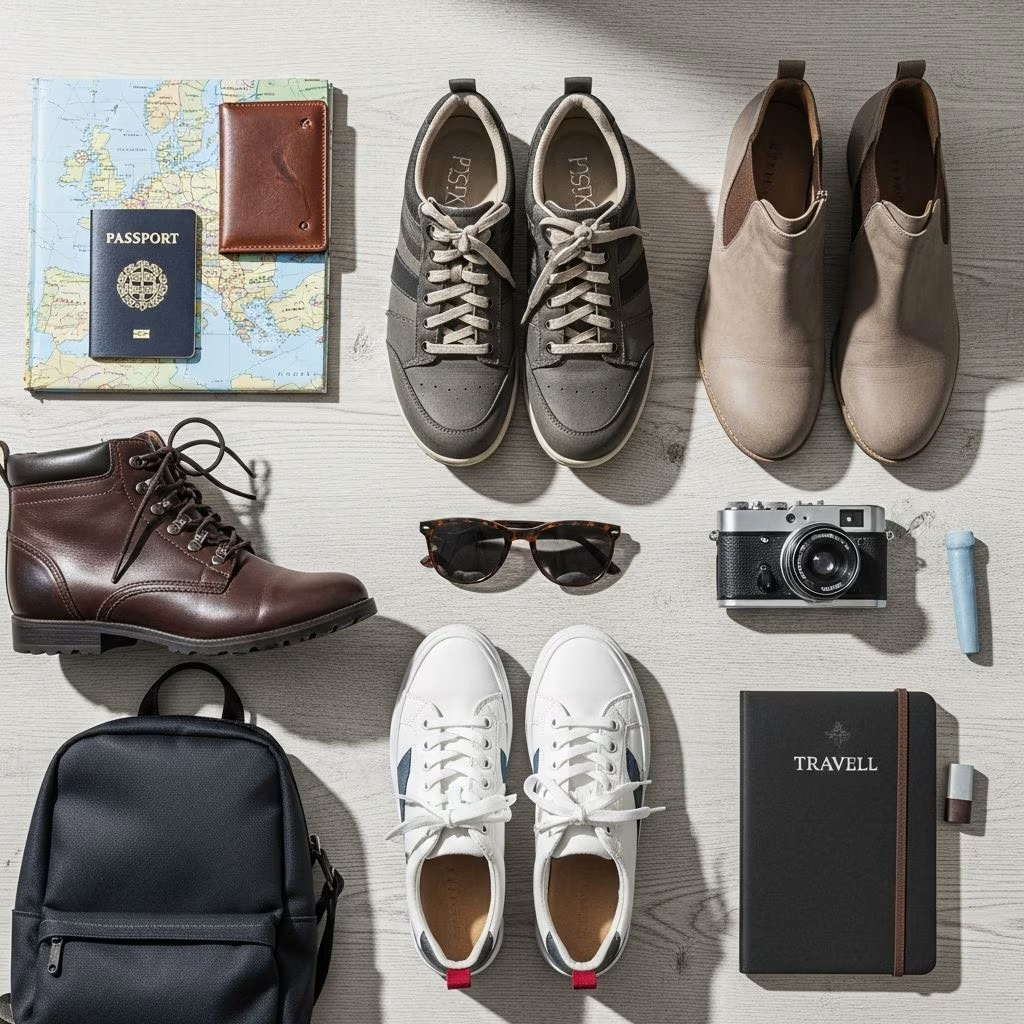
Rather than relying on a single pair of shoes, experienced travelers recommend bringing three to four complementary options that serve different purposes. This approach eliminates the pressure of finding one perfect shoe while allowing rotation that prevents wear patterns and extends footwear lifespan during extended travel.
Your foundation shoe requires exceptional support, cushioning, and durability. This should be your most comfortable pair, prioritized for functionality over fashion. Walking shoes designed for travel differ from athletic trainers; they feature supportive soles without appearing overly sporty or bulky. Minimalist leather sneakers have gained popularity among European travelers because they provide athletic performance while maintaining sophisticated appearance compatible with European aesthetic standards.
When selecting your primary walking shoe, prioritize the following characteristics:
European evenings often involve dining, cultural performances, or social activities requiring more polished footwear than daytime exploration shoes. Rather than packing impractical high heels, consider stacked heel options or elegant flats that elevate your appearance while maintaining walkability. These shoes should coordinate with your evening wardrobe while remaining comfortable enough for a full evening of activity.
The ideal evening shoe accomplishes multiple functions: it dresses up casual clothing, pairs with more formal attire, and allows you to navigate cobblestone streets without risk of heel damage or twisted ankles. Many travelers find that comfortable slingbacks or loafers work effectively as evening shoes, providing sophistication without sacrificing practicality.
European weather patterns vary dramatically by season and geographic location. Cities like London and Paris experience rain throughout the year, making water-resistant footwear essential regardless of season. Your backup pair should address your specific travel season while providing protection against unexpected weather changes.
Packing strategy shifts considerably based on travel timing. Each season presents distinct environmental challenges requiring tailored footwear approaches.
Spring in Europe combines mild temperatures with unpredictable precipitation and frequent atmospheric moisture. Layer-friendly clothing requires complementary footwear that works with varying outfit combinations. Recommended spring options include:
Spring travel demands shoes that transition smoothly between cool mornings, warmer afternoons, and damp evenings. The combination of these four options provides complete coverage for variable spring conditions while maintaining outfit versatility.
Summer European travel emphasizes outdoor exploration, extended daylight hours, and social dining experiences. Heat and humidity require breathable footwear that prevents discomfort during long walking days. Summer shoe selections should include:
Summer shoes should prioritize ventilation while maintaining the sophistication expected in European social contexts. Avoid flip-flops despite their comfort appeal; they lack necessary support for extensive walking and represent casual attire not commonly worn by European adults in public settings.
Autumn brings temperature fluctuations, increased precipitation, and transition from summer to winter clothing. This season benefits from ankle boots paired with quality socks that provide both warmth and moisture management. Autumn travel footwear should emphasize:
Winter European travel presents the most demanding footwear requirements. Cold, wet, and occasionally icy conditions demand protective footwear combining insulation with safety. Winter shoe recommendations include:
Winter boots should incorporate water-resistant materials, supportive insoles for extended walking, and soles designed for reduced-traction conditions. Heel height becomes a safety rather than style consideration; flat boots prevent accidents on icy or wet surfaces.
Never travel with unworn shoes. Even the most highly recommended and technically appropriate footwear can cause painful blisters when broken in during travel rather than before departure. Establish a minimum break-in period of several weeks, walking increasingly longer distances in new shoes before your trip. This allows materials to conform to your foot shape while revealing any discomfort issues addressable before travel.
Experiencing blisters during European travel disproportionately impacts your experience. Unlike domestic trips where you might rest sore feet, European travel typically involves extensive daily walking without alternative transportation options. Investing time in pre-travel shoe conditioning prevents this common travel disruption.
The most stylish shoe becomes worthless if it causes pain, blisters, or foot fatigue. Modern travel fashion embraces comfort as an aesthetic value; European travelers increasingly appreciate quality, supportive footwear over impractical style statements. Selecting shoes that support your feet throughout extensive daily walking enables you to fully engage with your travel experience rather than managing foot discomfort.
Extended travel causes cumulative foot swelling as circulatory and lymphatic systems work harder than usual. Shoes selected during normal daily conditions may feel tight after hours of continuous walking and travel. Consider shoes with wider toe boxes that accommodate natural swelling without restricting circulation or causing discomfort.
Certain shoe categories prove problematic for European travel regardless of personal preference or style inclination. Understanding what not to pack prevents clothing mishaps and protects your travel comfort.
Flip-flops should be avoided entirely. They lack the support necessary for extensive walking, fail to coordinate with typical European fashion standards, and represent casual beachwear rather than appropriate city exploration footwear. High-heeled stilettos present safety hazards on cobblestone streets where narrow heels catch between ancient stones, creating fall risks and ankle injury potential. Bulky athletic trainers designed for gym use clash with European aesthetic sensibilities; fashion-forward sneakers achieve athletic performance while maintaining appropriate style.
Rain occurs regularly throughout European cities, making water-resistant footwear essential rather than optional. At minimum, one pair should feature water-resistant treatment; ideally, two pairs provide backup protection when one pair becomes wet. Water-resistant shoes extend lifespan during travel and prevent the discomfort of wet socks and fungal growth risks associated with prolonged dampness.
Supplement shoe selection with practical travel items protecting foot health. Pack blister prevention and treatment supplies including high-quality bandages and blister balm, recognizing that foot pain significantly impacts travel enjoyment. No-show socks designed for sneakers prevent odor accumulation during warm weather travel while maintaining aesthetic preferences. These minimal-weight additions provide insurance against common foot issues without significantly impacting luggage space.
Three to four shoe pairs requires strategic packing within luggage constraints. Shoes with flat construction pack more efficiently than bulky options; ballet flats and loafers literally flatten within luggage while boots consume substantial space. When selecting footwear, consider not only functional characteristics but also how efficiently each pair integrates into your overall packing strategy.
Yes, absolutely. Modern European fashion embraces quality sneakers as appropriate attire for daytime exploration and casual evening activities. Select minimalist, well-designed sneakers in neutral colors rather than bulky athletic trainers. Cities like Paris and London normalize sleek leather sneakers as everyday footwear for diverse activities.
Most experienced travelers pack three to four pairs: one primary walking shoe, one dressier evening option, one weather-appropriate backup, and optionally one seasonal-specific shoe. This number provides complete coverage for varied activities while remaining packable within standard luggage limits.
Brand prestige matters less than shoe construction and performance characteristics. Well-made mid-range footwear outperforms poorly constructed luxury items. Prioritize technical features—arch support, cushioning, breathability, water resistance—over brand name when selecting travel shoes.
Immediately rotate to a different shoe pair to prevent repetitive stress injuries. Elevate feet in evenings, apply pain relief strategies, and consider using blister treatment supplies. Most importantly, recognize that pushing through foot pain compromises your travel experience; addressing discomfort early prevents escalation.
Quality insoles supporting natural arch position can significantly enhance comfort during extended walking, but expensive medical-grade options aren’t always necessary. Many travel shoes feature adequate built-in cushioning and support. Evaluate individual shoe support before assuming inserts are needed.
Developing an effective European travel footwear plan requires honest self-assessment of your walking capacity, climate preferences, and style preferences combined with practical understanding of European environmental conditions. Consider your typical daily step count during travel, the specific cities and terrain you’ll explore, and the balance you want between style and pure functionality.
Build your footwear collection systematically by first identifying your primary walking shoe—the pair that will carry you through most daily exploration. Then add complementary shoes addressing specific needs: evening elegance, seasonal weather requirements, and backup options. This strategic layering creates a cohesive footwear system rather than random shoe selection.
Remember that European travel footwear strategy differs from everyday shoes. The intensity of daily walking, variety of terrain, and extended hours on your feet demand shoes engineered specifically for travel rather than casual daily wear. Investing in quality travel shoes prevents the common experience of painful, compromised exploration and enables full engagement with your European adventure.
