

 Travel Essentials
 Travel Essentials

Discover Aruba's premier shopping destinations featuring luxury brands, local handicrafts, and unique souvenirs across downtown districts and modern malls.
 Travel Essentials
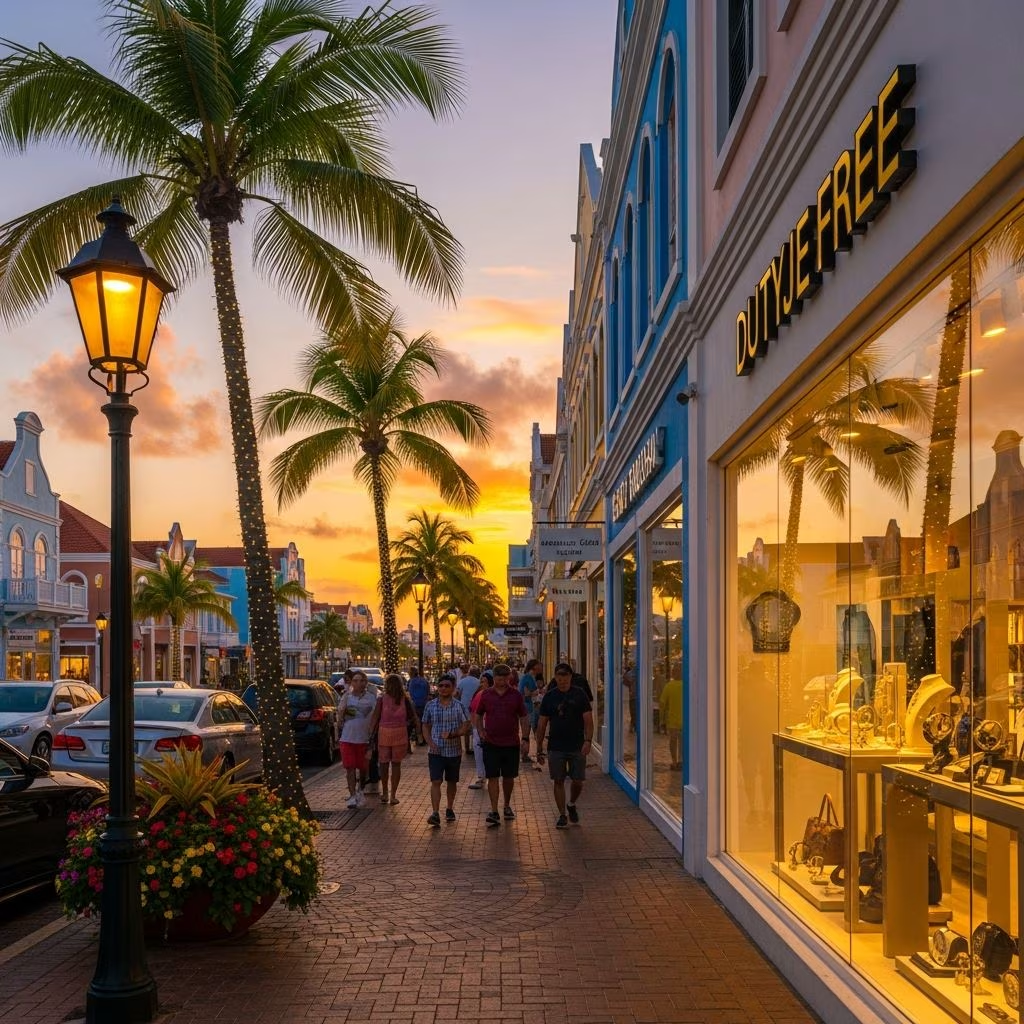
Aruba stands as one of the Caribbean’s premier shopping destinations, offering visitors and residents an eclectic blend of international luxury brands and authentic local treasures. The island has successfully positioned itself as a shopper’s haven, where the experience extends far beyond acquiring merchandise—it becomes a cultural immersion into Aruban heritage and contemporary Caribbean lifestyle. Whether seeking high-end designer pieces or one-of-a-kind artisan creations, Aruba delivers diverse retail opportunities across multiple districts and specialized venues.
The island’s shopping infrastructure divides into distinct zones, each catering to different preferences and budgets. The downtown Oranjestad area functions as the historical heart of retail activity, featuring traditional storefronts alongside modern shopping complexes. Meanwhile, the Palm Beach region offers a contemporary shopping experience with resort-adjacent boutiques and sprawling mall developments. This geographic separation allows visitors to tailor their shopping itinerary based on desired ambiance—whether preferring the colonial charm of downtown or the convenience of beach-adjacent facilities.
Aruba’s retail sector reflects the island’s status as a free port destination, resulting in competitive pricing on international merchandise. The absence of significant import tariffs translates to savings for consumers compared to mainland pricing. Additionally, the island’s compact size means travelers can access multiple shopping districts within short distances, maximizing retail exploration opportunities during limited vacation timeframes.
Downtown Oranjestad represents Aruba’s original retail nucleus, where Dutch colonial architecture frames contemporary shopping experiences. The downtown boulevard presents a walkable environment where pedestrians encounter jewelry boutiques, fragrance specialists, and luxury retailers concentrated along main thoroughfares. This pedestrian-friendly layout emerged from the district’s development as a port-adjacent commercial zone, preserving the intimate scale while adapting to modern retail demands.
Key Downtown Features:
The downtown market area, situated on Oranjestad’s main pier, occupies the historic location of the island’s first public marketplace. Originally serving as a clearinghouse for agricultural products, the space has transformed into an open-air bazaar featuring Aruban art, handcrafted leather goods, and locally produced cosmetics. This evolution reflects broader Caribbean tourism trends while maintaining cultural authenticity through the prevalence of locally-made merchandise.
Beyond the major malls, Aruba’s independent boutiques offer curated selections of merchandise unavailable in chain retail environments. These specialized shops frequently feature works by local artisans, supporting the island’s creative community while providing tourists with genuinely unique souvenirs. The boutique sector emphasizes quality over quantity, with proprietors often possessing deep knowledge about product origins and production methods.
Categories of Artisan Products:
The Cosecha Store & Creative Center exemplifies this boutique category, functioning simultaneously as retail establishment and cultural venue. These hybrid spaces promote local artisans while educating visitors about traditional Aruban craftsmanship techniques. The presence of creative centers within retail environments reflects contemporary tourism’s evolution toward experiential shopping—transactions occurring within contexts of cultural education and community engagement.
For consumers seeking established luxury brands and contemporary fashion, Aruba’s shopping mall network provides comprehensive options. Renaissance Mall anchors Aruba’s luxury sector, housing over 30 retailers spanning fashion, jewelry, and accessories categories. The mall attracts international visitors specifically for its concentration of designer labels, including European and American brands typically available only in metropolitan markets.
| Mall Name | Primary Focus | Notable Features | Location |
|---|---|---|---|
| Renaissance Mall | Luxury Fashion & Jewelry | High-end designer brands, jewelry specialists | Northwest Oranjestad near Rancho |
| Renaissance Marketplace | Mixed Retail & Dining | Modern fashion, handicrafts, restaurants, entertainment | Paarden Bay, West Oranjestad |
| Royal Plaza Mall | Diverse Retail Categories | Ornate colonial building, vibrant kiosks, varied merchandise | Central Oranjestad |
| Seaport Village Marina | Boutique Shopping & Dining | Specialized retailers, waterfront location | Marina District |
| Antraco Plaza | Fashion & Lifestyle Services | Fashion zone, spa services, dining, entertainment | Multiple Aruban locations |
These malls serve not merely as merchandise repositories but as social destinations. Evening shopping experiences, particularly at Renaissance Marketplace, attract locals and tourists alike seeking entertainment alongside retail activity. Live performances, dining options, and cinema facilities transform malls into comprehensive leisure venues rather than functional shopping-only environments.
Aruba’s retail sector demonstrates particular strength in specific merchandise categories reflecting both tourist demands and Caribbean commerce traditions. Jewelry represents a primary category, with numerous independent jewelers and mall-based retailers specializing in precious metals, gemstones, and luxury timepieces. The free port status enables competitive pricing on diamonds and watches, attracting consumers from neighboring islands seeking value beyond Aruba.
Perfume and fragrance retail comprises another significant sector, with dedicated boutiques and department store counters offering international brands. The duty-free environment facilitates savings on luxury fragrances, making these purchases particularly attractive for international visitors. Cosmetics retailers similarly benefit from the pricing advantage, with brands including major international houses represented across mall and independent locations.
Aruba aloe products constitute a unique local retail category with no direct equivalents in other Caribbean destinations. Natural skincare products derived from Aruba’s indigenous aloe vera plants range from basic soaps to premium cosmetic formulations. The Aruba Aloe Factory and Museum provides both retail and educational experiences, allowing visitors to understand production processes while purchasing products directly from manufacturers.
Aruba’s flea market represents a shopping experience distinct from mall environments, offering informal commerce in an open-air setting. Operating primarily on cruise ship arrival days near the port, the market transforms temporary spaces into vibrant bazaars featuring multiple vendor stalls. This market thrives on negotiation and deal-making, requiring visitors to engage in bargaining for final prices—a practice fundamental to the market’s culture.
The flea market appeals to budget-conscious shoppers and those seeking distinctive items unavailable through retail chains. Merchandise ranges from mass-produced souvenirs to handmade crafts, creating an unpredictable shopping environment where discoveries emerge through exploration rather than planned acquisition. The informal setting, vendor personality interactions, and negotiation process create memorable experiences transcending typical retail transactions.
Flea Market Shopping Tips:
The Palm Beach area represents Aruba’s contemporary retail expansion, with numerous malls and boutiques concentrated near resort facilities. This district attracts visitors seeking convenience shopping proximate to accommodations, eliminating downtown travel requirements. The area’s development reflects tourism growth patterns, with retail following resort construction rather than vice versa.
Palm Beach boutiques emphasize beach-lifestyle merchandise including swimwear, casual apparel, and resort wear. Specialty retailers focus on surf gear, water sports equipment, and tropical-themed fashion. The district’s retail character differs markedly from downtown, emphasizing relaxation and vacation-appropriate shopping over intensive treasure hunting or formal luxury acquisition.
Aruba’s retail infrastructure accommodates various visitor profiles through multiple transportation options and operating hours. The free trolley service from cruise ports to downtown shopping districts eliminates transportation barriers for short-term visitors. This service particularly benefits cruise passengers with limited shore time, enabling efficient shopping district access without vehicle rentals or taxi expenses.
Operating hours vary across retail categories, with most malls maintaining weekday and Saturday hours while remaining closed Sundays. Independent boutiques demonstrate less consistent schedules, with some closing for afternoon siesta periods—a practice reflecting Caribbean retail traditions. Visitors planning specific boutique visits should verify hours before traveling, as operating schedules vary seasonally based on tourism fluctuations.
Credit card acceptance remains widespread across Aruba’s retail sector, with major international cards (Visa, Mastercard, American Express) honored at most establishments. However, cash retains significance for flea market transactions and smaller independent shops, particularly when negotiating prices. Travelers should maintain modest cash reserves specifically for these informal retail environments.
Aruba’s retail landscape balances international commerce with cultural preservation through deliberate boutique support for local artisans. Conscientious shoppers can contribute to community economic sustainability by prioritizing locally-made merchandise over mass-produced imports found in major malls. This purchasing approach aligns economic benefit directly with cultural preservation, supporting artisans maintaining traditional Aruban craftsmanship techniques.
Educational components embedded within artisan retail venues—such as the Aruba Aloe Factory’s museum operation—allow shoppers to understand product origins and creation processes. These experiential retail environments transform purchases into investments in knowledge and cultural understanding. Visitors departing with both merchandise and comprehension of Aruban production methods develop deeper travel memories transcending typical souvenir acquisition.
Luxury shoppers benefit from concentrated mall visits during morning hours when crowds remain minimal. Prioritizing Renaissance Mall enables completion of designer acquisitions within compact timeframes. Alternatively, independent boutique exploration throughout downtown requires extended time commitments but yields unique discoveries unavailable through retail chains.
Budget-conscious travelers should prioritize flea market visitation, where negotiation can significantly reduce per-item costs. Combining market shopping with mall window browsing creates economical retail experiences without sacrificing variety exposure. Beach-adjacent resort shopping provides convenient alternatives for limited-mobility visitors or those prioritizing resort relaxation over extensive retail exploration.
Cultural enthusiasts benefit from artisan boutique and museum shop visits, emphasizing locally-made merchandise and educational retail experiences. This approach yields souvenirs with enhanced meaning through understanding their production origins and cultural significance. These shoppers discover authentic Aruba through retail environments rather than simply acquiring material goods.
Aruba’s retail sector delivers diverse experiences accommodating varying preferences, budgets, and time constraints. From luxury mall sophistication to open-air market excitement, shopping venues reflect the island’s ability to blend international commerce with Caribbean authenticity. Visitors maximize retail satisfaction through strategic planning aligned with personal priorities—whether pursuing designer acquisitions, bargaining adventures, or culturally-meaningful souvenirs.
The combination of duty-free pricing, concentrated retail geography, and diverse product categories positions Aruba as a Caribbean shopping destination of genuine significance. Whether spending hours browsing malls or minutes visiting flea markets, visitors encounter retail experiences reflecting both cosmopolitan commerce and island cultural character. Shopping in Aruba transcends transactions, becoming a multifaceted experience encompassing commerce, culture, and Caribbean discovery.
