

 Travel Essentials
 Travel Essentials

Explore the best European destinations during shoulder seasons like spring and fall. Enjoy pleasant temperatures, lower prices, and authentic experiences without peak summer crowds.
 Travel Essentials
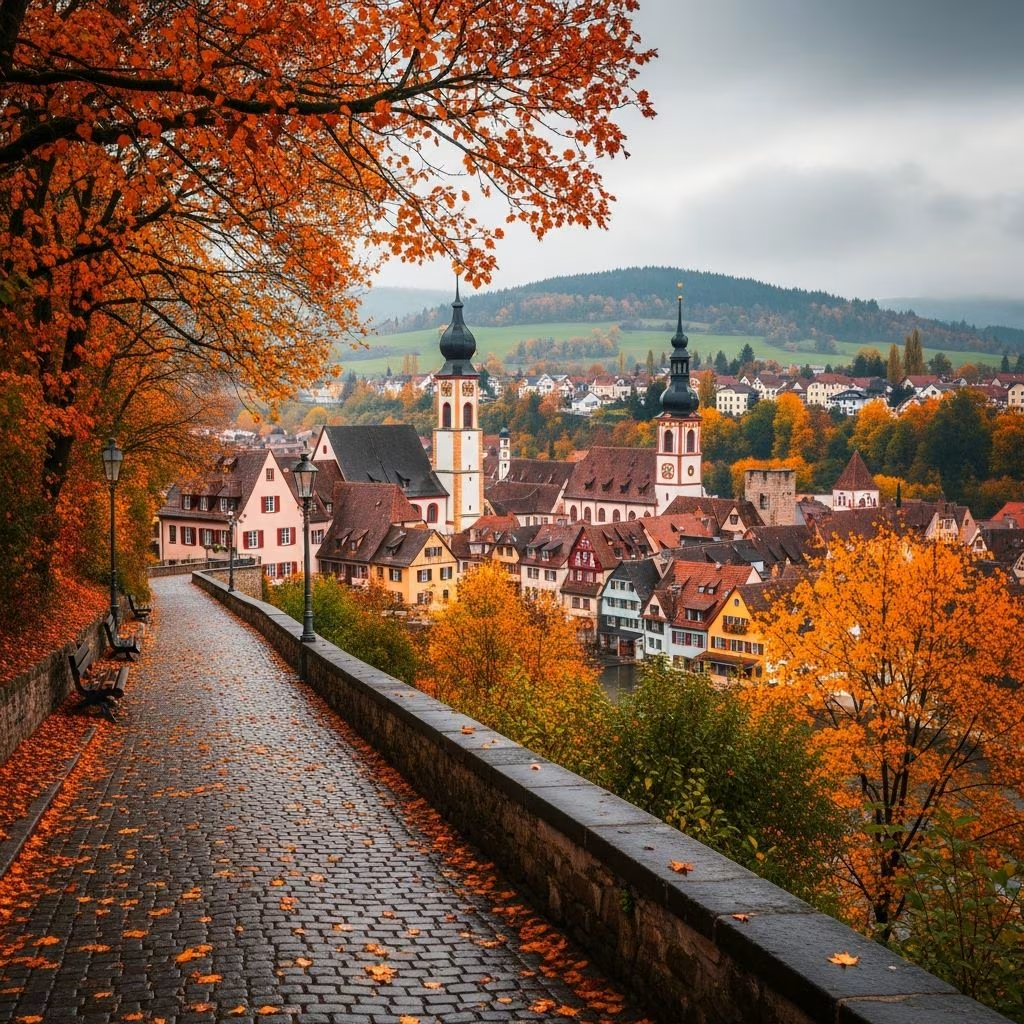
Traveling to Europe during shoulder seasons—spring (April to June) and fall (September to October)—offers the perfect balance of comfortable weather, fewer tourists, and significant savings on flights, accommodations, and attractions. These periods avoid the scorching summer heatwaves and overwhelming crowds while still providing vibrant local life and outdoor activities. Whether you’re seeking coastal escapes, mountain adventures, or city explorations, shoulder season transforms popular spots into serene havens.
Shoulder seasons deliver mild temperatures ideal for sightseeing, with averages ranging from 15°C to 24°C across much of the continent. Flights can cost 30-50% less than peak summer rates, and hotels often drop prices by 20-40%. Attractions like museums and landmarks have shorter lines, allowing more time for immersion rather than queuing. Local festivals, harvest events, and early/late beach weather add unique flavors without the chaos of July and August.
Europe’s coastlines shine in shoulder seasons, with warm seas lingering into fall and spring blooms enhancing spring shores. Fewer cruise ships mean peaceful promenades and affordable seaside stays.
In May and September, Porto boasts sunny days around 20°C, perfect for port wine tastings along the Douro River and strolling Ribeira’s colorful waterfront. Extend to the Algarve for cliffside hikes and beaches like Praia da Marinha, where water remains swimmable. Markets brim with fresh seafood, and accommodations in historic pousadas offer luxury at half the peak price.
May and late September bring balmy 22°C weather to islands like Hvar and Korčula, ideal for sailing and beach lounging without yacht overcrowding. Dubrovnik’s walls and cable car views are crowd-free, with sea temperatures holding at 20°C into early fall. Kayak around Lokrum Island or dine on black risotto in seaside konobas.
Skip overcrowded Santorini; opt for Naxos or Crete in late April-May or mid-September-October. Crystal Aegean waters, uncrowded Plaka Beach, and farm-fresh tavernas provide authentic bliss at 18-23°C. Hike Samaria Gorge in Crete before summer heat intensifies.
Alpine regions and scenic lakes come alive with wildflowers in spring and golden foliage in fall, offering prime hiking without summer trail jams.
Mid-June and mid-September feature stable 15-20°C days for via ferrata climbs and Tre Cime di Lavaredo treks. Lifts operate, cable cars whisk to high meadows, and rifugios serve hearty polenta at reduced rates. Fall brings larches turning crimson against jagged peaks.
Spring and fall mildness (10-18°C) suits pletna boat rides to the island church and Vintgar Gorge walks. Fewer visitors mean easy cream cake at lakeside cafes. Base in Bled for day trips to Triglav National Park.
Spring shoulder (April-May) in San Sebastián and Bilbao offers 16-20°C for pintxos crawls and Camino de Santiago segments. Surf Mundaka waves or explore Guggenheim without lines.
Cities shed their summer bustle, revealing charming neighborhoods and lively cafes in comfortable climates.
Late April-May tulip season (15-20°C) at Keukenhof and canal cruises draws fewer internationals than June. Cycle to Zaanse Schans windmills or Rijksmuseum in peace. Solo travelers find safe, walkable vibes.
Spring and fall (18-23°C) perfect for tram 28 rides, Belém pastries, and Sintra palaces. Low-20s temps suit all-day exploration; add Morocco day trips.
September-October (15-22°C) ideal for thermal baths like Széchenyi and ruin bars. Food festivals highlight paprika-spiced dishes.
| Destination | Spring Avg Temp (°C) | Fall Avg Temp (°C) | Key Activity |
|---|---|---|---|
| Porto, Portugal | 18 | 21 | Wine tasting |
| Dolomites, Italy | 15 | 18 | Hiking |
| Amsterdam, Netherlands | 14 | 16 | Tulips & cycling |
| Dubrovnik, Croatia | 19 | 22 | City walls |
| Lake Bled, Slovenia | 12 | 15 | Boat rides |
Layer with breathable fabrics: light jackets, scarves, sturdy walking shoes, and a compact rain poncho for variable weather. Book flights 2-3 months ahead for deals; use trains for inter-city hops via Eurail passes. Check attraction hours—some rural sites shorten in true off-season.
The transitional periods of spring (April-June) and fall (September-October), avoiding peak summer crowds and winter chill.
Many southern beaches remain accessible with warm water into fall; northern spots focus on scenery over swimming.
Yes, expect 20-50% savings on accommodations and flights compared to July-August.
Mild 15-24°C, with occasional rain—pack layers.
Both thrive: families love space, solos enjoy safe, social vibes.
Beyond basics, shoulder travel unlocks insider events like Porto’s harvest festivals, Dolomites’ cheese weeks, and Amsterdam’s bloemencorso flower parades. Sustainability bonus: lower carbon footprint from fewer flights. Extend stays for deeper connections—many spots offer weekly rentals at daily rates.
For northern edges, Scotland’s Outer Hebrides or Baltic coasts provide rugged beauty in September’s soft light. Sicily’s spring wildflowers and Turkey’s Kaş offer Mediterranean alternatives with farm-to-table feasts.
