
 Stays
StaysStays
Best Ski Resorts in Montana: Top Destinations for Every Budget
Explore Montana's top ski destinations featuring world-class terrain, affordable lift rates, and authentic mountain experiences for all skill levels.
 Stays
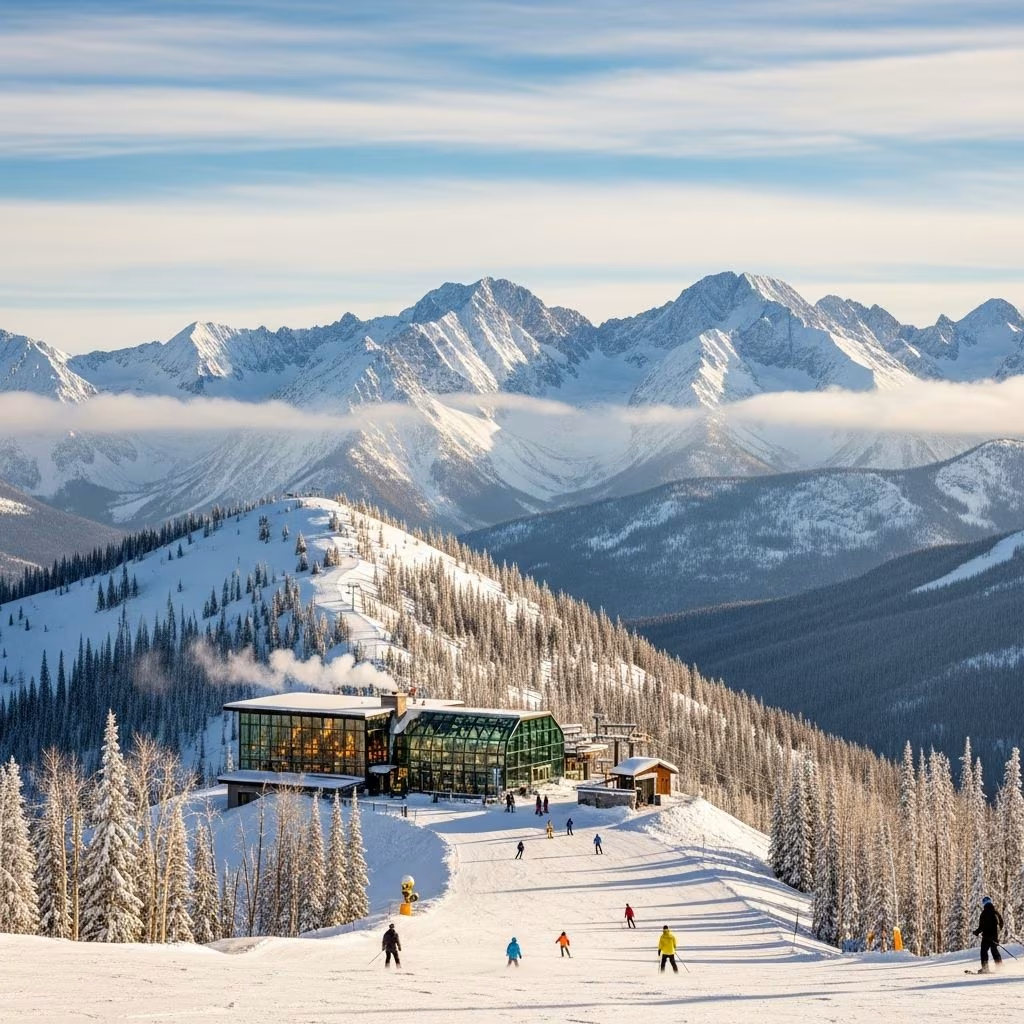
StaysMontana has established itself as a premier winter sports destination, attracting skiers and snowboarders from across North America seeking world-class terrain combined with authentic mountain experiences. The state’s diverse collection of ski areas spans from massive commercial resorts to intimate local mountains, each offering distinct advantages and character. Whether you’re pursuing challenging double-black diamond runs, family-friendly groomed slopes, or untouched powder stashes, Montana’s winter landscape provides exceptional opportunities across varied geographic regions and elevation ranges.
Understanding Montana’s Skiing Appeal
Montana’s reputation in the skiing community extends beyond simple statistics. The state receives substantial snowfall, particularly in its northwestern regions where Pacific weather systems deposit consistent precipitation throughout the winter season. This geographic advantage combines with Montana’s relatively undercrowded slopes compared to popular Colorado and Utah destinations, creating an environment where skiers can enjoy greater access to terrain without navigating excessive lift lines or congested runs. The diverse mountain ranges—from the northern Rockies to the ranges surrounding the Yellowstone region—provide varied elevation profiles and topography that appeal to different skill levels and preferences.
Beyond the skiing itself, Montana resorts maintain a distinct character reflecting the state’s outdoor heritage and mountain culture. Visitors frequently comment on the accessible, unpretentious atmosphere that prioritizes skiing quality over resort glitz, allowing guests to focus on their mountain experience rather than expensive amenities.
Major Commercial Resorts: Scale and Infrastructure
The Largest Ski Area in the State
Montana’s largest commercial ski operation dominates discussions of the state’s skiing capacity and terrain diversity. This sprawling resort encompasses 5,850 acres of skiable terrain distributed across three mountain faces, featuring 320 identified runs and 40 chairlifts including a prominent aerial tram ascending above 11,000 feet. The sheer scale creates virtually unlimited options for skiers of varying abilities, from gentle beginner zones to extensive challenging terrain. The resort has evolved into a destination attracting international visitors, supported by comprehensive infrastructure including numerous lodging options, dining establishments, and year-round activities beyond skiing.
The vertical relief available at this major operation enables varied experiences within a single day of skiing. Lower elevation runs provide different snow conditions than high-altitude terrain, and the multiple mountain faces allow skiers to select aspects based on weather and snow quality preferences. The extensive lift infrastructure minimizes time spent waiting for access to different terrain zones.
Northern Mountain Community Resort
Located in the northwestern corner of Montana near the Idaho border, this resort offers a distinctly different experience from the state’s largest operation. The facility features 11 chairlifts, a T-bar, and two surface lift systems providing access to 111 named trails spanning 3,000 acres. The terrain diversity includes meticulously groomed beginner runs, intermediate cruising trails, challenging black diamond descents, dedicated terrain parks for freestyle enthusiasts, gladed powder runs, and abundant untracked snow fields.
This mountain has positioned itself as particularly suitable for families and mixed-ability groups, as the terrain distribution ensures all participants can find appropriate challenges. The resort maintains moderate crowd levels even during peak periods, with summit areas experiencing more congestion than lower elevations but generally remaining manageable compared to major destination resorts. Pricing falls into the mid-range category—significantly more affordable than Colorado and Utah options but priced above Montana’s smallest operations.
Non-Profit and Community-Focused Operations
The Longest-Established Non-Profit Mountain
Operating continuously since 1955 as a non-profit organization, this mountain has maintained a distinct mission centering on accessibility and community benefit. The operation spans 2,000 acres of skiable terrain with 2,600 vertical feet of elevation change, accessed via seven chairlifts. What distinguishes this facility most prominently among Montana’s options is its approach to pricing—the resort intentionally maintains some of the most wallet-friendly lift ticket rates available in the state, prioritizing affordability for local and regional skiers.
The non-profit structure enables this mountain to reinvest revenues into terrain development and facilities rather than distributing profits to external shareholders. This operational model has historically allowed for gradual expansion and improvement focusing on skiing quality rather than commercial development. The mountain attracts visitors seeking authentic skiing experiences without premium pricing.
Historic Mountains with Community Roots
Several additional mountains throughout Montana maintain strong ties to local communities while welcoming broader audiences. These operations typically feature smaller lift networks, more limited terrain acreage, and pricing structures reflecting their regional character. Many of these mountains operate on limited seasonal schedules or restricted weekly hours, particularly those operating primarily for local communities. However, they frequently offer distinctive advantages including exceptional powder conditions, minimal crowds, and genuinely affordable lift access.
Geographic Positioning and Access Considerations
Regional Distribution and Travel Planning
Montana’s ski areas distribute across the state’s major geographic regions, creating distinct travel considerations for visitors planning winter trips. The largest commercial resort situates approximately one hour southwest of Bozeman, providing access from major regional transportation hubs and positioning it as a natural destination for visitors entering Montana from the south. The northwestern resort sits approximately 30 minutes from Kalispell Airport, facilitating access for visitors approaching Montana from the north and west. Mountains on the Idaho border regions require longer drives from Missoula and other western Montana communities but reward visitors with some of the state’s heaviest snowfall.
The geographic diversity enables strategic trip planning combining multiple mountains. Visitors can structure road trips sampling different Montana skiing experiences, from large commercial operations to intimate local mountains, creating varied experiences within a single vacation.
Terrain Characteristics and Skiing Conditions
Snow Quality and Powder Conditions
Montana’s geographic position relative to major storm tracks creates distinctive snow characteristics supporting quality skiing throughout the season. Mountains receiving Pacific weather system moisture develop deep, fluffy powder conditions—a marked advantage over drier regions. The state’s latitude and elevation ensure consistent seasonal snowfall, reducing reliance on snow-making compared to lower-elevation or southern destinations.
Border mountains receiving additional precipitation from northwestern storm patterns accumulate exceptional snow depth during productive winter seasons. These areas frequently retain excellent powder conditions throughout winter, particularly in gladed terrain and off-piste areas less traveled by other skiers.
Terrain Variety for Different Ability Levels
Montana’s major resorts deliberately maintain balanced terrain distributions accommodating varied skiing abilities. Beginner terrain includes meticulously groomed runs with gentle gradient profiles, allowing novice skiers to develop fundamental skills in safe environments. Intermediate terrain comprises groomed runs with moderate pitch and width, providing appropriate challenges for skiers developing technical abilities. Advanced terrain includes steep couloirs, gladed sections, and ungroomed runs testing technical skiing capabilities.
Several mountains develop reputation for specific terrain focus. Some operations emphasize extensive black and double-black terrain, attracting advanced skiers seeking challenging conditions. Others prioritize terrain park development with rails, boxes, and jumps serving freestyle enthusiasts. This specialization allows skiers to select mountains matching their specific preferences and ability levels.
Alternative and Lesser-Known Destinations
Hidden Gems for Experienced Skiers
Beyond Montana’s flagship commercial resorts, numerous smaller operations offer distinctive skiing experiences appealing to skiers seeking specific advantages. Lost Trail Powder Mountain, situated on the Montana-Idaho border two hours from Butte or Missoula, operates five lifts serving 900 acres despite receiving minimal commercial marketing. This mountain attracts skiers prioritizing powder conditions and solitude over extensive terrain.
Turner Mountain, located in Montana’s remote northwestern corner within Kootenai National Forest, maintains particularly affordable lift ticket pricing ($42) while offering excellent powder skiing and intimate mountain character. The remote location naturally limits crowds, creating an authentic local skiing experience.
Limited-Schedule Operations and Local Mountains
Several mountains operate on restricted schedules reflecting their primarily local user base. Maverick Mountain Ski Area, primarily serving Dillon residents, operates Thursday through Sunday with lift tickets priced at $39—considerably less expensive than commercial resort pricing. These operations attract budget-conscious skiers and locals seeking convenient mountain access without traveling to major resorts.
Comparative Resort Analysis
| Resort Name | Terrain Acres | Chairlifts | Best For | Pricing Level |
|---|---|---|---|---|
| Largest Commercial Resort | 5,850 | 40 | All abilities, destination skiing | Premium |
| Northern Resort | 3,000 | 11+ | Families, mixed abilities | Mid-range |
| Non-Profit Mountain | 2,000 | 7 | Budget-conscious skiers, locals | Budget-friendly |
| Lost Trail Powder Mountain | 900 | 5 | Powder enthusiasts, solitude seekers | Affordable |
Planning Your Montana Skiing Experience
Seasonal Considerations and Timing
Montana’s skiing season typically extends from early December through early April, with optimal conditions occurring during January through March. Visiting during this core period maximizes the likelihood of encountering consistent snowfall and stable snow bases supporting quality skiing. Early season (December) may feature variable snow conditions as bases establish, while late season (March-April) occasionally brings warmer temperatures and variable conditions, particularly at lower elevations.
Peak visitation periods correspond with winter school holidays and weekends, when crowds increase at major resorts. Visiting during midweek periods generally offers lighter crowds and shorter lift lines, though this advantage proves most pronounced at commercial resorts rather than smaller local mountains.
Selecting Appropriate Mountains for Your Needs
Families with varied ability levels should prioritize resorts offering terrain distribution across beginner, intermediate, and advanced runs, allowing all family members appropriate challenges. Mountains like the northwestern resort specifically market family-friendly experiences with services supporting group skiing.
Advanced skiers seeking challenging terrain and powder skiing should investigate mountains emphasizing black diamond and double-black runs, or smaller operations on Idaho borders receiving exceptional snowfall.
Budget-conscious skiers should explore non-profit operations and local mountains offering substantially lower lift ticket pricing than commercial resort standards.
Beyond the Slopes: Complementary Activities
Montana’s ski destinations increasingly offer year-round and winter activities beyond skiing. Major resorts feature lodging, dining, and entertainment facilities supporting multi-day visits. Smaller mountains may provide more limited amenities but maintain the authentic mountain town character valued by certain visitors.
Surrounding areas frequently offer snowshoeing, cross-country skiing, snowmobiling, and other winter recreation, expanding vacation possibilities beyond groomed ski runs.
Frequently Asked Questions
What is the best time to visit Montana for skiing?
January through March typically offers the most reliable snow conditions and consistent skiing quality. Early December and April can still provide excellent skiing but may feature variable conditions.
Which Montana resort works best for families?
The northwestern resort near Kalispell specifically caters to families with mixed abilities, offering terrain variety and manageable crowds.
What is the most affordable Montana skiing option?
The non-profit mountain and smaller local operations like Maverick Mountain offer the lowest lift ticket prices, with some tickets available for under $40.
Can I experience uncrowded skiing in Montana?
Yes—smaller mountains like Lost Trail Powder Mountain and Turner Mountain attract minimal crowds compared to major commercial resorts.
How far is Montana skiing from major airports?
The largest resort sits approximately one hour from Bozeman, while the northern resort sits 30 minutes from Kalispell Airport.
Conclusion: Montana’s Skiing Legacy
Montana’s ski destinations offer diverse experiences accommodating virtually any winter sports preference and budget level. From massive commercial resorts featuring 5,850 acres and 40 chairlifts to intimate local mountains operating primarily for community members, Montana provides authentic skiing experiences reflecting the state’s mountain heritage. The combination of reliable snowfall, uncrowded conditions, accessible pricing at many operations, and stunning landscapes establishes Montana as a distinctive skiing destination worthy of consideration alongside more established ski communities in other Western states.
References
- 6 of the best places to ski in Montana — Lonely Planet. Accessed 2026. https://www.lonelyplanet.com/articles/montana-ski-resorts
- Big Sky Montana Review – Ski North America’s Best 100+ Resorts — Ski North America. 2026. https://skinorthamerica100.com/big-sky-montana/
- Which Montana Ski Resort Is Best for Your Family? Comparing Three Incredible Options — Run Wild My Child. Accessed 2026. https://runwildmychild.com/ski-montana/
- Montana Ski Resorts — Powderhounds. Accessed 2026. https://www.powderhounds.com/USA/Montana.aspx
- The Ultimate Three-Resort Montana Road Trip to Take This Winter — Ski Magazine. Accessed 2026. https://www.skimag.com/ski-resort-life/northern-rockies/montana-road-trip/
- Ski Like a Local: 6 Lesser-Known Ski Areas in Montana — Passions and Places. Accessed 2026. https://passionsandplaces.com/small-montana-ski-areas/
On This Page
Understanding Montana's Skiing Appeal Major Commercial Resorts: Scale and Infrastructure Non-Profit and Community-Focused Operations Geographic Positioning and Access Considerations Terrain Characteristics and Skiing Conditions Alternative and Lesser-Known Destinations Comparative Resort Analysis Planning Your Montana Skiing Experience Beyond the Slopes: Complementary Activities Frequently Asked Questions Conclusion: Montana's Skiing Legacy← Previous
How to Get Around Fiji: Buses, Ferries, Flights, and Cars
Next →
Tokaido Shinkansen Guide: Tokyo to Osaka by Bullet Train
Related Reading