

 Travel Essentials
 Travel Essentials

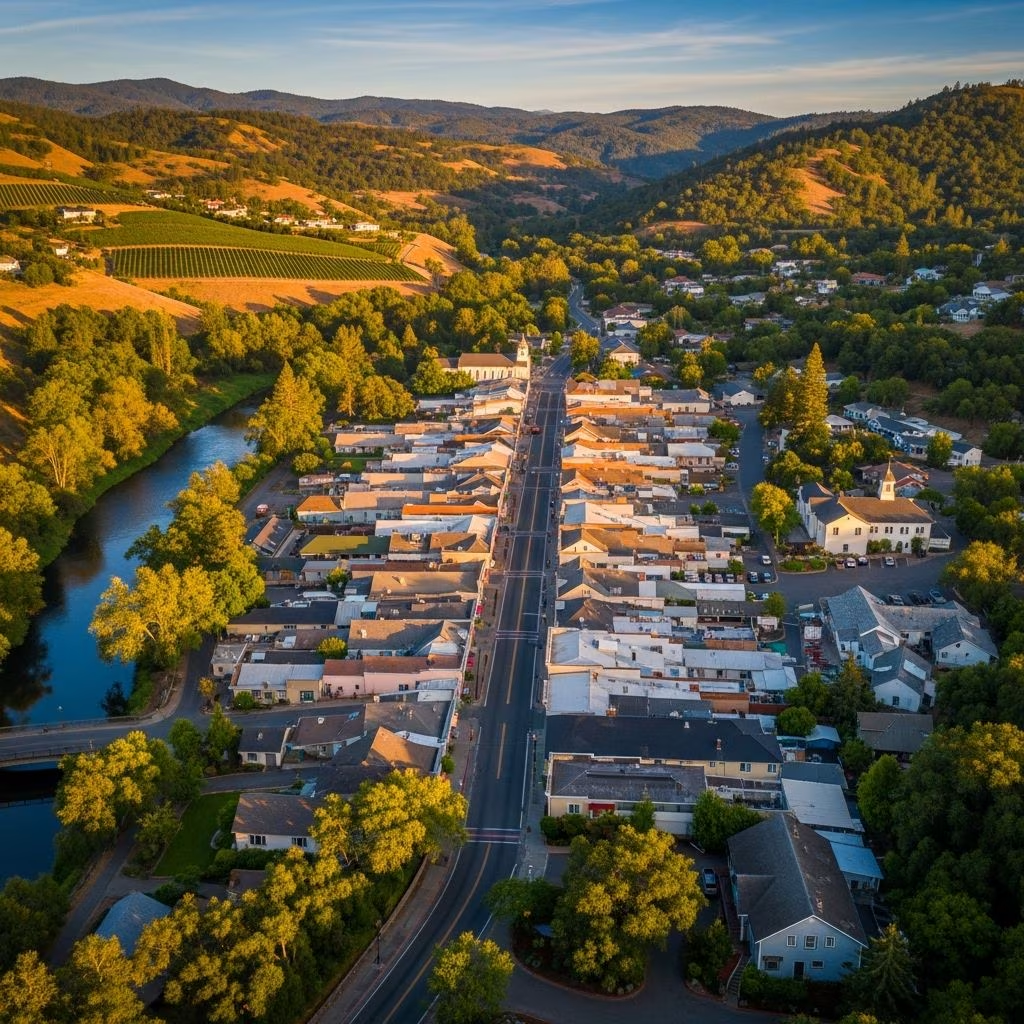
Explore California's most captivating small towns offering unique charm, local culture, and unforgettable experiences away from tourist crowds.
 Travel Essentials
California extends far beyond the glittering skylines of Los Angeles and San Francisco. Scattered throughout the state are intimate communities that capture the essence of regional character, offering visitors authentic experiences that larger destinations cannot provide. These smaller towns showcase diverse landscapes—from rugged coastlines to verdant valleys—and each maintains its own distinctive personality and cultural heritage. Whether seeking relaxation, culinary adventures, or outdoor pursuits, California’s lesser-known towns deliver memorable experiences that rival their more famous counterparts.
California’s coastline harbors several captivating towns where ocean vistas and beach culture define daily life. These destinations appeal to travelers desiring the therapeutic effects of maritime environments combined with local authenticity.
Towns positioned along the Pacific shore offer particular appeal for those seeking contemplative coastal experiences. These villages typically feature historic architecture, independent galleries, and restaurants celebrating regional seafood traditions. The combination of natural beauty and walkable downtown cores creates environments conducive to leisurely exploration and personal reflection.
Pescadero exemplifies this coastal archetype—a humble settlement between San Francisco and Santa Cruz recognized for its agricultural heritage and artisanal food culture. Visitors frequently organize day excursions combining farm visits with beach exploration, sampling locally-produced provisions while observing natural coastal ecosystems. The town’s modest scale encourages unhurried discovery of small galleries, shops, and culinary establishments that reflect community values and creative expression.
Capitola distinguishes itself through distinctive pastel-colored beachfront cottages creating an instantly recognizable visual identity. This maritime village balances nostalgic ambiance with contemporary amenities, attracting photographers, artists, and families seeking informal beach holidays. The availability of waterfront dining, boutique shopping, and recreational activities supports multi-day visits while accommodating shorter recreational trips.
The regions stretching from the Bay Area southward through Big Sur encompass numerous communities meriting extended exploration. Sausalito provides refined sophistication with its hillside positioning and artistic community presence. The town’s geographic proximity to San Francisco renders it accessible for day visitors while its distinct character justifies overnight accommodation.
Further down the coast, communities like Cambria offer dramatic bluff-top settings combined with thriving arts scenes. Such destinations attract creative professionals and cultural enthusiasts who appreciate galleries, theater productions, and community festivals celebrating local artistic endeavors. These towns typically feature farm-to-table restaurants sourcing ingredients from regional agricultural producers.
The regions encompassing Napa and Sonoma counties represent California’s premier wine-producing areas, supporting numerous charming towns that balance hospitality infrastructure with rural authenticity.
The Napa Valley extends beyond its famous reputation to encompass several distinct towns, each offering particular specializations and atmospheric qualities. St. Helena represents the valley’s most refined expression—a town where Michelin-starred restaurants, luxury hotels, and prestigious wine estates create an environment of cultivated elegance. Nevertheless, the community maintains walkable downtown districts and local farmers markets that ground the experience in tangible agricultural reality.
Calistoga occupies a different positioning within the valley hierarchy, emphasizing relaxation and natural wellness traditions. Hot springs geothermal activity enables spa facilities and resort operations that have thrived for generations. The town’s more casual aesthetic appeals to visitors preferring understated comfort over luxury formality, yet quality culinary and wine-tasting opportunities remain readily available.
Healdsburg commands particular attention as a destination successfully bridging multiple appeals—wine enthusiasts, families, active recreationalists, and culinary adventurers all find engaging activities. The town’s plaza provides a central gathering point featuring independent retailers, tasting rooms, and restaurants in historic structures. Surrounding vineyards and hiking trails support diverse recreational pursuits extending beyond wine culture.
Communities throughout Sonoma County offer comparable wine-country experiences with potentially less crowding than Napa Valley equivalents. Sebastopol and Guerneville each present distinctive identities—the former emphasizing agricultural traditions and farmer-focused economics, the latter cultivating bohemian aesthetics and alternative cultural expression.
Los Olivos in Santa Barbara County introduces Spanish colonial architectural influences mixed with contemporary wine-industry establishments. The main thoroughfare displays Victorian structures repurposed as tasting rooms, creating an environment encouraging extended walking exploration. Local pride in horticultural traditions—particularly olive cultivation—generates distinctive gastronomic offerings unavailable in competing regions.
California’s interior mountain regions support several communities appealing to nature enthusiasts and those escaping coastal influences.
Truckee represents the premier mountain destination combining winter recreation access with year-round outdoor activity opportunities. The town maintains authentic mountain-community character despite increasing seasonal tourism. Shopping, dining, and cultural amenities serve residents and visitors without overwhelming the essential mountain atmosphere. Proximity to multiple ski resorts, hiking trails, and alpine lakes positions Truckee as an excellent base for active vacations.
Nevada City preserves Gold Rush era heritage through architectural preservation and historical interpretation. The town’s hillside positioning creates visual distinctiveness, while local commitment to cultural programming generates regular festivals, performances, and artistic events. The pedestrian-friendly downtown permits easy exploration of galleries, antique establishments, and independent restaurants.
Julian in the mountains east of San Diego specializes in apple cultivation and autumnal harvest celebrations. The town’s elevation creates cooler temperatures compared to surrounding regions, generating distinctive agricultural specialization. Visitors frequently time visits to coincide with harvest season, participating in orchard activities and sampling apple-derived food products.
Certain California towns have cultivated distinctive identities reflecting particular cultural emphases or historical circumstances.
Fairfax in Marin County exemplifies communities successfully maintaining alternative cultural orientations while remaining economically viable. The town’s music scene, bicycle culture, and independent retail establishments create environments attracting creative professionals. Local institutions—including museums dedicated to bicycling heritage—celebrate community values and historical identity.
Bolinas maintains famously protective attitudes toward visitors, with the community resisting conventional tourist infrastructure development. Nevertheless, the town’s beach location and artistic population generate interest among travelers seeking authentic local experiences. The deliberate maintenance of small-town character, despite proximity to major urban areas, reflects community determination to resist commercialization pressures.
Ferndale in Humboldt County preserves Victorian architectural traditions more comprehensively than most California communities. Gingerbread-trimmed houses, maintained gardens, and locally-focused commercial establishments create distinctive visual and experiential environments. The town’s commitment to aesthetic preservation extends to cultural programming—local parades and festivals emphasize community participation over tourist consumption.
Mendocino on the Sonoma Coast similarly prioritizes historical preservation, maintaining architectural integrity and maritime heritage. The town’s bluff-top positioning creates dramatic visual appeal while the preserved downtown district supports galleries, theaters, and restaurants maintaining quality standards.
California’s varied climates create distinct seasonal advantages for different regions. Coastal towns remain generally accessible year-round, though summer months attract maximum visitation. Wine country experiences peak popularity during harvest seasons (late summer through early fall) and holiday periods. Mountain communities accommodate winter sports enthusiasts while remaining attractive for summer hiking and lake recreation. Spring and fall often provide optimal conditions—pleasant weather combined with reduced crowding.
Most small towns remain accessible by automobile, though varying distances from major urban areas affect travel planning. Coastal communities between San Francisco and Los Angeles typically require 1-3 hour drives, accommodating day trips or weekend getaways. Mountain communities may require additional travel time but justify extended stays through recreation opportunities. Public transportation options remain limited, making personal vehicles essential for most travelers.
Smaller communities typically offer intimate lodging alternatives—bed-and-breakfasts, small inns, and vacation rentals—rather than major hotel chains. Such accommodations often enhance authentic experiences through personal hospitality and local knowledge sharing. Reservation requirements vary seasonally, with peak periods demanding advance planning.
| Region | Primary Appeal | Best Season | Typical Drive Time from SF |
|---|---|---|---|
| Coastal North | Beaches, agricultural heritage | Summer to Fall | 1-2 hours |
| Napa Valley | Wine, dining, luxury | September to November | 1.5 hours |
| Sonoma County | Wine, bohemian culture | Year-round | 1-2 hours |
| Marin County | Hiking, artistic communities | Spring to Fall | 0.5-1.5 hours |
| Mountain Interior | Outdoor recreation, history | Year-round | 3-5 hours |
| Central Coast | Natural scenery, arts | Spring to Fall | 2-3 hours |
Capitola, Truckee, and Los Olivos offer family-friendly amenities including beaches, outdoor recreation, and accessible dining options. These communities provide entertainment alternatives suitable for various age groups without sacrificing authentic character.
Costs vary considerably by region and season. Wine country towns tend toward higher price points, while coastal and mountain communities offer broader pricing ranges. Off-season visits generally reduce accommodation and dining expenses.
Absolutely. Geographic clustering permits efficient multi-town itineraries—combining coastal communities, visiting several wine-country towns sequentially, or exploring mountain destinations during extended stays.
California’s small towns offer hiking, beach recreation, gallery exploration, farm visits, artisanal food experiences, local festivals, historical tours, and community cultural events.
Spring (April-May) and fall (September-October) offer pleasant weather combined with reduced visitation. Weekday visits generally attract fewer tourists than weekends regardless of season.
California’s small towns collectively represent tremendous diversity—from maritime villages to mountain retreats, from wine-country refinement to bohemian cultural centers. Each community possesses distinctive characteristics reflecting local history, geography, and cultural values. Visitors seeking authentic California experiences beyond major city tourism infrastructure will discover these smaller destinations offer memorable encounters with regional character, natural beauty, and genuine hospitality. Planning visits thoughtfully according to personal interests and seasonal preferences ensures optimal experiences within these captivating communities.
