

 Travel Essentials
 Travel Essentials

Comprehensive guide to America's best small towns for relocation, featuring affordability, safety, community character, and lifestyle benefits.
 Travel Essentials
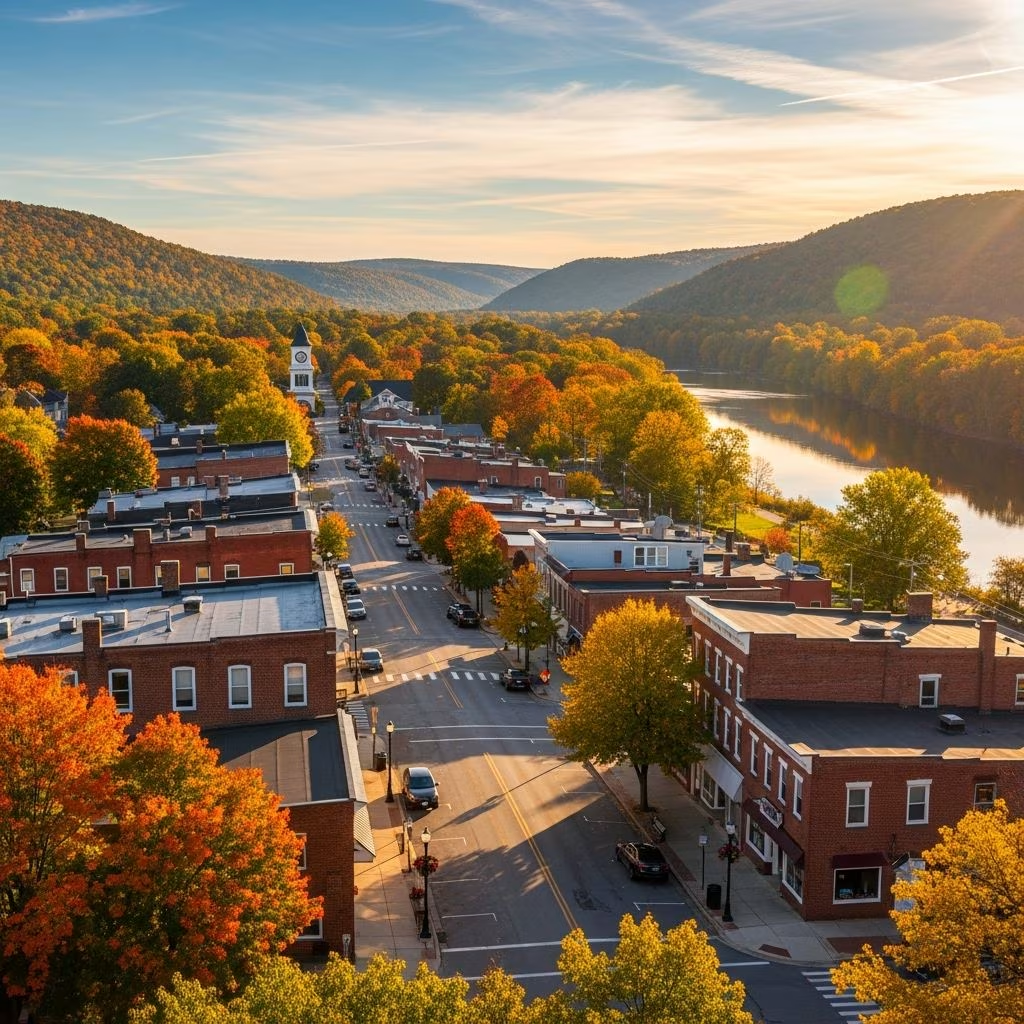
The search for a new place to call home has increasingly led Americans beyond sprawling metropolitan areas toward quaint, tight-knit communities that offer something cities cannot: genuine connection, affordability, and a slower pace of life. Small towns across the United States have emerged as increasingly attractive alternatives for those seeking to escape urban congestion while maintaining access to modern amenities and economic opportunity. This comprehensive guide explores what makes certain American small towns exceptional places to live, examining the factors that contribute to their appeal and helping prospective residents identify communities that align with their lifestyle aspirations.
The allure of small-town living extends far beyond picturesque landscapes and charming Main Streets. Modern small towns offer a unique combination of practical advantages and intangible qualities that large cities struggle to provide. These communities typically feature significantly lower housing costs, reduced traffic congestion, and a profound sense of belonging that comes from knowing neighbors and contributing to a collective community identity.
Residents of small towns often report higher levels of life satisfaction and mental well-being compared to their urban counterparts. The opportunity to participate actively in local governance, support local businesses, and build meaningful relationships creates a sense of purpose that extends beyond individual achievement. Additionally, small towns frequently offer superior outdoor recreational opportunities, from hiking trails and waterways to parks and natural preserves that encourage active, healthy lifestyles.
One of the most compelling reasons people consider relocating to small towns is the dramatic reduction in cost of living. Housing represents the largest expense for most American families, and small towns consistently offer substantially more affordable options than metropolitan areas. A family that might afford a modest condominium in an urban center could purchase a spacious single-family home with land in many small communities.
Beyond housing, small-town residents benefit from lower costs across numerous categories including utilities, groceries, dining, entertainment, and services. Property taxes frequently remain reasonable, though this varies significantly by region and state. For remote workers, early retirees, and entrepreneurs, the combination of lower expenses and maintained earning potential creates an attractive financial equation that allows for greater savings, earlier retirement, or investment in personal projects and passions.
Employment opportunities in small towns have expanded considerably with the proliferation of remote work arrangements. Individuals no longer need to live in expensive job centers to access well-paying positions. This shift has attracted professionals from diverse fields who can maintain their careers while enjoying small-town living.
Safety represents a critical factor in community selection, and many small towns boast crime rates substantially lower than national averages. Close-knit communities where residents know one another and participate actively in civic life tend to develop strong informal social networks that contribute to overall safety and security. Law enforcement in small towns often benefits from better community relationships and deeper knowledge of local residents and issues.
The character and values of a community shape daily life in profound ways. Small towns often preserve local traditions, celebrate cultural heritage, and maintain distinct identities that reflect their geographic location and historical development. Whether a town emphasizes artistic expression, outdoor recreation, agricultural heritage, or cultural diversity, these characteristics attract residents whose values align with community priorities.
Community engagement opportunities abound in small towns. From volunteer fire departments to local governance boards, arts councils to service organizations, residents can participate meaningfully in shaping their community’s future. This level of engagement contrasts sharply with the anonymity many experience in larger cities.
Families frequently prioritize educational opportunities when selecting new communities. Many small towns maintain excellent public school systems that benefit from strong community support, involved parent participation, and sometimes smaller class sizes that facilitate personalized attention. Schools often serve as community gathering places, with extracurricular activities and events drawing widespread participation.
Beyond traditional academics, small-town schools frequently offer unique educational experiences through connection to local industry, agriculture, arts, or environmental resources. Students gain practical knowledge through community partnerships and hands-on learning opportunities that reflect their town’s distinctive character.
For families, small towns provide safer environments for children’s independent exploration and play. The reduced traffic, lower crime rates, and vigilant community presence create conditions where children can develop independence and outdoor skills with less parental anxiety than in many urban settings.
Contemporary small towns have modernized substantially while maintaining their essential character. High-speed internet, increasingly available through various technologies, has eliminated the digital divide that once separated small towns from metropolitan areas. This connectivity enables remote work, online education, telehealth services, and streaming entertainment—amenities previously unavailable to small-town residents.
Medical services vary among small towns, with some communities maintaining full-service hospitals while others provide basic care with specialist services accessible in nearby regional centers. Residents considering relocation should thoroughly investigate healthcare availability, particularly if they have chronic conditions requiring specialist attention.
Shopping and dining options have expanded in many small towns through both local businesses and regional chains. Online shopping has further reduced the consumer disadvantages small-town residents once faced. Recreation facilities, from parks and community centers to libraries and cultural venues, often punch above their weight in terms of quality and programming.
Housing affordability varies dramatically across American small towns, influenced by geographic location, regional economic conditions, and local real estate market dynamics. Some communities boast median home prices under $200,000, while others approach or exceed $400,000 depending on proximity to metropolitan areas, natural amenities, and local economic vitality.
Rental markets in small towns typically offer exceptional value, with many communities providing quality rental options at monthly rates substantially below national averages. This affordability allows renters to test communities before committing to home purchases, or enables those seeking flexibility to maintain low housing costs indefinitely.
The real estate market in small towns often moves slower than metropolitan markets, providing buyers with more time to make deliberate decisions and negotiate favorable terms. Inventory may be limited, requiring patience and flexibility, but motivated sellers often accommodate serious buyers.
Geographic location profoundly influences quality of life, with climate, natural amenities, and environmental character varying dramatically across America’s small towns. Residents prioritize different environmental features based on personal preferences: some seek coastal communities with ocean access and temperate climates, others prefer mountain towns offering outdoor recreation and alpine scenery, while still others favor plains communities with agricultural heritage and wide-open vistas.
Natural disasters represent important considerations for specific regions. Communities in tornado corridors, hurricane zones, flood plains, or earthquake regions carry particular risks requiring adequate preparation, insurance, and infrastructure resilience. Conversely, some communities occupy exceptionally safe geographic positions with minimal disaster risk.
Environmental quality, from air and water purity to noise levels and light pollution, contributes significantly to health and satisfaction. Small towns often provide cleaner air, darker night skies, and quieter soundscapes compared to urban alternatives.
The vitality of small-town cultural life has increased substantially in recent years. Many communities have revitalized downtown areas featuring galleries, theaters, music venues, and independent restaurants that create vibrant cultural scenes. Local artists, musicians, and performers often settle in affordable small towns, creating thriving creative communities that attract culture enthusiasts.
Annual festivals and events provide community gathering opportunities while celebrating local heritage, seasonal changes, or artistic expression. From music festivals to agricultural celebrations, these events strengthen community bonds while attracting visitors and supporting local economies.
Outdoor recreation opportunities vary by location but often provide exceptional value. Hiking, fishing, kayaking, cycling, and outdoor sports enthusiasts frequently find small towns positioned perfectly to access natural recreation areas that would require extensive travel from urban centers.
Successfully integrating into a new small town requires intentional effort and genuine interest in community participation. Residents should seek involvement through churches or faith communities, volunteer organizations, local government, schools, arts venues, sports leagues, or recreational groups aligned with personal interests.
Small towns reward authentic engagement while quickly identifying those seeking relationships superficially. Newcomers who demonstrate genuine commitment to community improvement, respect for local traditions, and willingness to contribute find themselves welcomed and integrated relatively quickly.
Online community groups and local social media pages provide modern tools for connecting with residents before relocation and maintaining engagement afterward. However, in-person participation remains essential for developing genuine relationships and understanding community dynamics.
Definitions vary, but generally small towns contain between 1,000 and 25,000 residents. Some broader definitions extend to 50,000 or even 250,000, encompassing what might be termed “small cities.” The sense of community and personal connection typically remains strong in communities under 15,000 residents.
Absolutely. With reliable internet access, remote workers enjoy the combined benefits of maintaining professional income while accessing small-town affordability and lifestyle advantages. This arrangement has become increasingly common and practical.
Visit multiple times during different seasons, speak with current residents, research local employment, investigate schools and services, examine housing options, and explore the broader region. Spend time observing daily life and community gathering places.
Increased transportation costs for accessing specialized services, potentially higher utility costs in certain regions, limited service provider options that may reduce competition and raise prices, and occasionally higher insurance costs in rural areas.
Small towns accommodate various life stages from young families through retirement, though specific communities may be better suited for particular demographics based on available services, employment, and cultural opportunities.
Successful relocation requires honest self-assessment regarding personal values, lifestyle preferences, and practical requirements. Those seeking extensive dining options, diverse entertainment venues, and rapid access to specialized services may find small-town limitations frustrating. Conversely, individuals prioritizing affordability, community connection, natural beauty, and slower pace consistently report high satisfaction with small-town living.
Consider your career trajectory, family needs, health requirements, social preferences, and recreational interests. Small towns excel at providing certain things while falling short in others—the key lies in identifying communities where their strengths align with your priorities.
Visit prospective communities during typical seasons, speaking with residents across various demographics and backgrounds. Spend time in community gathering places, observe social interactions, and develop intuitive sense of whether the community feels like home.
Once you’ve identified promising communities, engage more deeply through extended visits, temporary rentals to experience daily life, and conversations with local real estate professionals, business owners, and community leaders. Many communities offer relocation services or welcome packages designed to assist newcomers.
Research practical logistics including employment possibilities, housing availability, school options if applicable, healthcare access, and utility providers. Investigate local government structure, property taxes, and regulations affecting business ownership if relevant.
Connect with online communities of current residents and recent relocators who can provide authentic perspectives on daily life, community dynamics, and practical adjustment information. These relationships often evolve into genuine friendships supporting successful integration.
