

 Travel Essentials
 Travel Essentials

Explore the best small U.S. towns for seniors based on AARP's 2026 analysis, featuring walkability, health access, and engagement opportunities.
 Travel Essentials
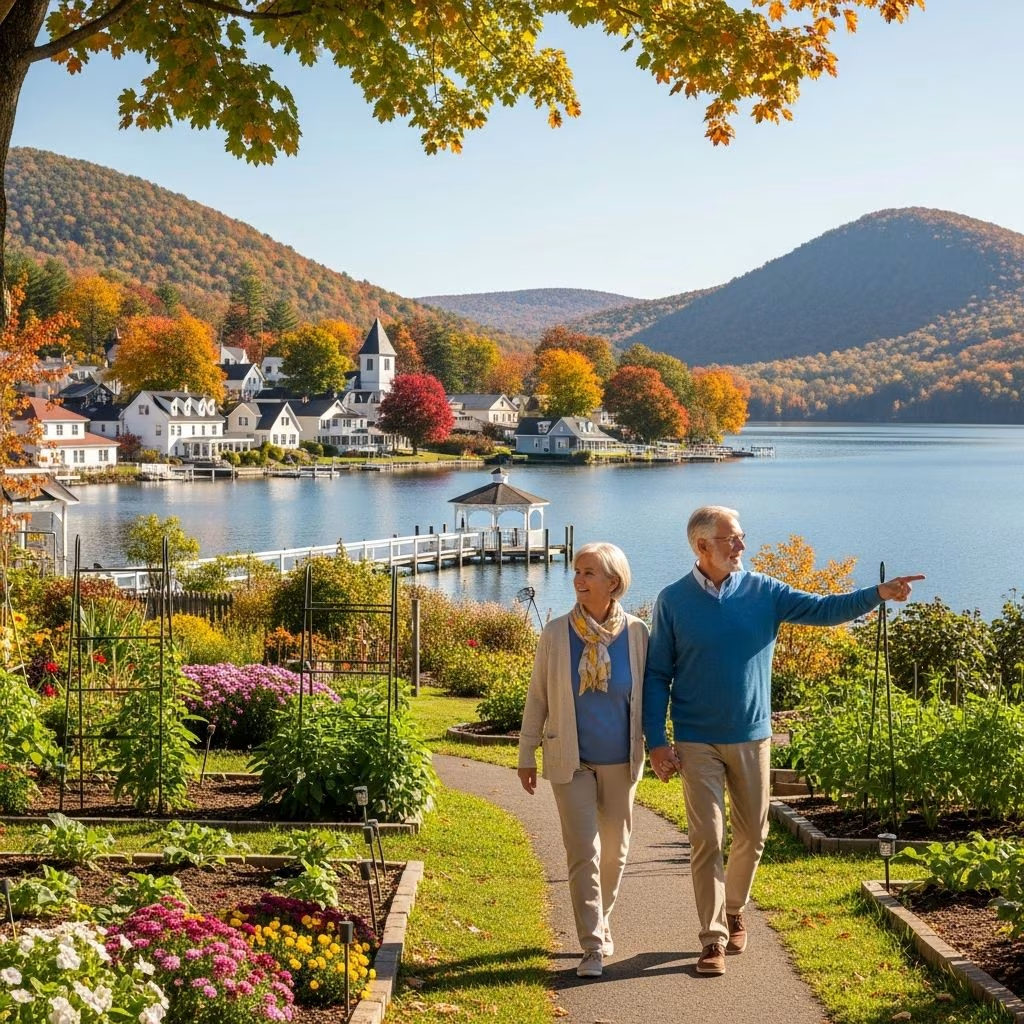
Choosing the right place to retire involves balancing affordability, health services, community vibrancy, and accessibility. AARP’s annual evaluation highlights small towns with populations between 5,000 and 24,999 that stand out for older adults. These locations prioritize factors like walkable streets, quality medical care, and opportunities for social interaction, creating environments where seniors can thrive independently.
AARP assesses communities using a detailed Livability Index that examines seven core categories: housing affordability and variety, neighborhood quality, transportation options, environmental sustainability, health services, community engagement, and economic opportunities. For small towns, this framework ensures high scores in walkability, volunteer opportunities, and proximity to essential services. Towns must demonstrate strong performance across 61 indicators to rank highly, emphasizing data-driven insights over subjective appeal.
This rigorous approach helps retirees identify places that support aging in place, with features like senior centers, public transit, and low crime rates. In 2026, the list spotlights underrated locales offering big-city amenities in compact settings.
Small towns provide a respite from urban hustle, fostering tight-knit communities where neighbors know each other. Lower costs of living—often 20-30% below national averages—allow fixed-income seniors to enjoy comforts without financial strain. Enhanced walkability reduces reliance on cars, promoting health through daily movement.
These elements combine to create supportive ecosystems, as evidenced by AARP’s data showing top towns outperform national benchmarks in senior satisfaction surveys.
AARP’s 2026 rankings reveal diverse gems across the U.S., from Midwest charmers to Southern havens. Here’s a closer look at standout selections.
This twin-city area blends university energy with retiree-friendly vibes. Home to Illinois State University, it offers cultural events and lifelong learning classes. Excellent healthcare via OSF HealthCare and walkable downtowns make it a top pick. Median home values hover around $220,000, with low property taxes enhancing affordability.
Nestled along the Lehigh River, Easton boasts historic charm and a thriving arts scene. Its Third Street district features galleries and eateries accessible on foot. Nearby St. Luke’s University Health Network provides top-tier care. Community events like the Bacon Fest draw crowds, fostering connections.
Suburban comfort near New Orleans defines Harahan. Low crime and flood-resilient infrastructure appeal to safety-conscious seniors. Ochsner Medical Center offers specialized elder care. Affordable bungalows and parks like Harahan Park encourage outdoor activities year-round.
| Town | Population | Key Strength | Median Home Price |
|---|---|---|---|
| Bloomington-Normal, IL | ~130,000 (metro) | Healthcare & Education | $220,000 |
| Easton, PA | ~27,000 | Arts & Walkability | $280,000 |
| Harahan, LA | ~9,000 | Affordability & Safety | $250,000 |
As Vermont’s capital, Montpelier offers progressive amenities in a compact footprint. Farmers’ markets and the Vermont State House provide engagement hubs. UVM Medical Center affiliates ensure health needs are met. Crisp fall foliage and ski access add recreational appeal.
Iowa claims three spots, underscoring Midwest value. Pella, ranking third overall, features Dutch heritage festivals and Central College’s senior programs. Knoxville hosts the National Sprint Car Hall of Fame and is 45 minutes from Des Moines’ amenities. Orange City, the smallest at 6,547 residents, shines in community cohesion and low costs. These towns excel in volunteerism and healthcare proximity, per U.S. Census data.
To aid decision-making, consider this breakdown of key metrics.
| Town | Walk Score (out of 100) | Healthcare Rating | Engagement Opportunities | Cost of Living Index |
|---|---|---|---|---|
| Pella, IA | 45 | High | Festivals, Colleges | 88 |
| Richfield, MN | 60 | Very High | Parks, Libraries | 105 |
| Savannah, GA | 50 | High | Historic Tours | 92 |
| Sheridan, WY | 40 | High | Rodeos, Trails | 95 |
| Tucson, AZ | 55 | Very High | Golf, Museums | 98 |
Data derived from AARP’s index, where scores above 60 indicate exceptional livability.
Access to quality care is paramount. Top towns feature hospitals with low readmission rates and geriatric units. For instance, Tucson’s Banner University Medical Center specializes in senior health, while Sheridan’s VA clinic supports veterans. Wellness programs, including yoga in parks and nutrition classes, bolster preventive care.
Retirees benefit from states with no income tax on Social Security, like Iowa and Pennsylvania. Property taxes vary, but many offer senior exemptions. Expect utility costs 10-15% below urban averages, freeing budgets for travel or hobbies.
Beyond basics, these towns host unique draws: Winterset, Iowa’s covered bridges and John Wayne museum; Longwood, Florida’s equestrian trails; Richfield, Minnesota’s lakefront paths. Seasonal events build lasting friendships, crucial for mental health.
What population range defines AARP’s small towns? Towns with 5,000 to 24,999 residents, balancing intimacy with services.
How does AARP calculate rankings? Using 61 metrics across seven categories via the Livability Index.
Are these towns affordable for fixed incomes? Yes, most have cost-of-living indices under 100 and median homes below $300,000.
What if I need urban access? Many are near metros, like Knoxville to Des Moines (45 minutes).
Do they support aging in place? High walk scores and transit options affirm this focus.
These proactive steps ensure a seamless transition to fulfilling retirement.
