

 Travel Essentials
 Travel Essentials

Explore Copenhagen's top smørrebrød restaurants, from historic cellar venues to modern interpretations, with insider tips on where to eat this Danish culinary staple.
 Travel Essentials
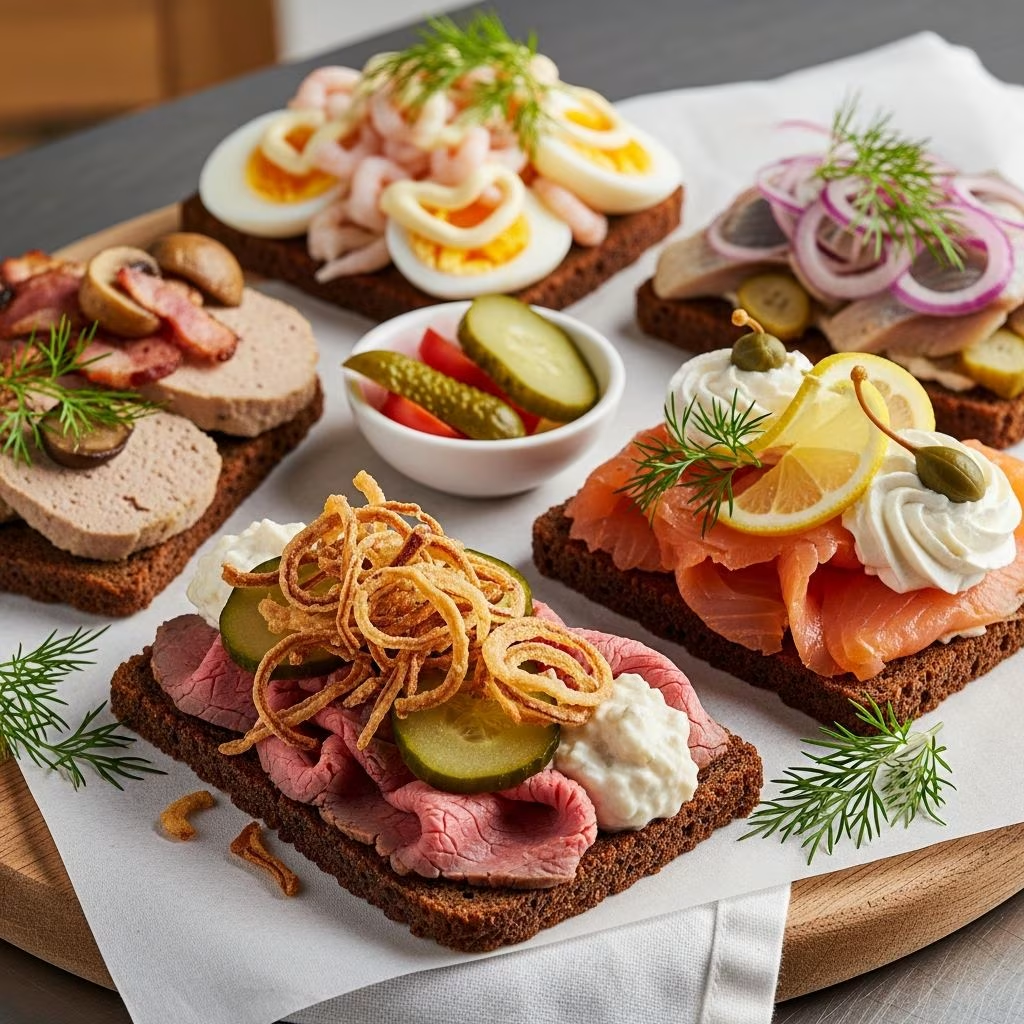
Smørrebrød represents one of Denmark’s most treasured culinary contributions to world gastronomy. These carefully constructed open-faced sandwiches showcase the Nordic approach to simple elegance, transforming humble bread into edible art through thoughtful layering and presentation. Whether you’re a first-time visitor to Copenhagen or a seasoned traveler seeking authentic food experiences, understanding where and how to enjoy smørrebrød enriches your understanding of Danish culture and tradition.
The term “smørrebrød” translates literally to “butter bread” in Danish, yet this description barely captures the sophistication of the dish. At its core, smørrebrød consists of a single slice of typically buttered rye or dark bread topped with carefully selected ingredients ranging from classic herring preparations to contemporary creations featuring high-quality proteins and vegetables.
What distinguishes smørrebrød from conventional sandwiches lies in its presentation philosophy and ingredient quality. Rather than stacking multiple bread slices, smørrebrød celebrates the single-slice canvas, allowing each component to shine individually while contributing to a harmonious whole. The tradition emphasizes seasonal availability, sustainable sourcing, and the artistic arrangement of toppings, making each plate a visual and culinary statement.
The cultural significance of smørrebrød extends beyond mere sustenance. For Danes, these sandwiches represent a lunch tradition that balances tradition with adaptability, serving as both an everyday meal and an expression of gastronomic pride. In Copenhagen’s restaurant scene, smørrebrød establishments range from casual lunch counters operating since the 19th century to contemporary venues reimagining the tradition through modern culinary techniques.
Copenhagen’s oldest smørrebrød restaurants function as living museums of Danish gastronomy, preserving preparation methods and flavor combinations passed down through generations. These establishments occupy special places in the city’s food culture, attracting both locals seeking connection to heritage and international visitors pursuing authentic experiences.
Few restaurants embody Copenhagen’s food traditions as completely as Schønnemann, which opened its doors in 1877 and has remained a cornerstone of the smørrebrød scene for nearly 150 years. Operating as a lunch-only restaurant, Schønnemann maintains the authentic atmosphere characteristic of 19th-century Danish dining establishments. Descending the restaurant’s stairs genuinely feels like stepping backward in time, with period details and traditional décor reinforcing the sense of historical continuity.
The restaurant’s herring preparations command particular respect among connoisseurs. Schønnemann offers multiple herring variations, allowing diners to explore different preparation styles and marinades. Beyond herring, the establishment provides access to an impressive selection of aquavit and snaps—traditional Danish spirits that complement the salty, brined flavors characteristic of classic smørrebrød. Prices typically range from approximately 80 DKK upward, though most selections exceed 100 DKK. Reservations prove essential, as this historic venue draws consistent crowds eager to experience authentic Copenhagen dining culture.
Predating Schønnemann by roughly 80 years, Slotskælderen hos Gitte Kik occupies a 1797 building in Old Copenhagen’s heart and has operated as a family business since 1910. This establishment represents smørrebrød dining in its most traditional form, serving as a benchmark for the cuisine according to Michelin inspectors. The restaurant’s rustic interior, filled with historic portraits and Copenhagen city scenes, creates an immersive experience transporting diners to an earlier era of Danish dining culture.
The operational approach at Slotskælderen emphasizes direct engagement with the smørrebrød selection. Diners approach a counter displaying the full range of available options, allowing for personalized selection and visual appreciation of the preparation standards maintained throughout the day. This format encourages exploration and discovery, enabling visitors to examine ingredients and presentations before making selections that match their preferences and appetite levels.
Occupying an 18th-century townhouse positioned near Amalienborg Palace, Amalie brings refined sensibility to traditional smørrebrød preparation. The restaurant’s two intimate, cozy rooms feature old paintings and elegant porcelain that elevate the dining experience while maintaining connection to Danish culinary heritage. The Danish menu provides extensive smørrebrød selections alongside herring, salmon, and salad options, with particular emphasis on herring varieties including pickled, curry-marinated, and King Frederik preparations served with apple and celeriac sauce.
Amalie distinguishes itself through ingredient quality and preparation precision, with beef tartares complementing the herring selections available to diners. The warm, welcoming service contributes to an atmosphere balancing formality with approachability, making Amalie an excellent choice for those seeking elevated smørrebrød experiences without sacrificing traditional authenticity.
Beyond historic establishments, Copenhagen’s contemporary restaurant scene features venues reimagining smørrebrød through modern culinary techniques while respecting traditional foundations. These restaurants appeal to diners seeking innovation without abandonment of cultural authenticity.
Aamanns 1921 represents a philosophical approach to smørrebrød emphasizing ecological responsibility and culinary refinement. The restaurant’s recognition in the Michelin Guide, though not bearing stars, positions it within elevated culinary consciousness while maintaining approachability. The establishment’s commitment to sustainable practices—with 60-90% of ingredients certified organic across all Aamanns locations—reflects contemporary values increasingly important to discerning diners.
The Aamanns empire has expanded to multiple Copenhagen locations, including Aamanns Genbo in Carlsberg Byen, Aamanns Replik at The Royal Danish Playhouse, and airport accommodations, making this restaurant philosophy accessible across the city. Lunch service runs from 11:30 to 17:00, accommodating various scheduling preferences. Booking remains recommended given the restaurant’s popularity, particularly among travelers seeking sophisticated smørrebrød experiences grounded in sustainability principles.
Møntergade showcases how contemporary Copenhagen chefs approach smørrebrød tradition through refined technique and presentation innovation. Led by sommelier Rasmus Amdi Larsen, restaurant manager Simon Olesen, and head chef Karina Pedersen, the establishment serves some of Copenhagen’s finest smørrebrød incorporating modern twists on classical preparations. Signature dishes include shrimp piled artfully with mayonnaise, herbs, and edible flowers, alongside deep-fried plaice featuring tangy curry remoulade.
The minimalist, elegant interior creates a welcoming atmosphere suitable for business dining or casual social occasions, with the chic design philosophy complementing the plated presentations. Møntergade successfully demonstrates that smørrebrød innovation need not diminish cultural authenticity when executed by chefs genuinely understanding and respecting traditional foundations.
Palægade’s story encompasses both tragedy and renewal. After a devastating fire in 2020, the restaurant emerged as Palægade 2.0, serving classic Danish open-faced sandwiches for lunch while offering French-inspired menus in evening services. This dual-menu approach reflects a philosophy respecting tradition while embracing culinary evolution through top-notch ingredient sourcing, exceptional craftsmanship, and modern cooking methods.
The restaurant’s reconstruction provides an opportunity for thoughtful reimagining of the smørrebrød experience. By maintaining lunch-focused traditional service while exploring contemporary directions in evening programming, Palægade appeals to diverse diner preferences and occasions, serving as a bridge between Copenhagen’s established food culture and contemporary gastronomic innovation.
Copenhagen’s smørrebrød culture remains accessible across price points, with numerous venues offering exceptional quality without luxury pricing. These establishments serve both locals pursuing daily lunch traditions and budget-conscious travelers seeking authentic experiences.
Positioned opposite the Synagogue in Copenhagen’s heart, Café Halvvejen provides traditional Danish dishes in cozy surroundings emphasizing value and authenticity. The establishment offers three smørrebrød pieces for merely 89 DKK—representing remarkable value in central Copenhagen dining. This pricing structure makes Café Halvvejen an ideal choice for travelers prioritizing culinary authenticity over premium service environments. The kitchen operates Monday through Saturday from 12:00 to 15:00, with bar service extending to 01:00 weekdays and 03:00 on weekends, accommodating various scheduling needs.
For diners seeking middle ground between budget-focused and premium-priced venues, Tivolihallen provides balanced value propositions. Beyond smørrebrød, the restaurant serves hearty dishes, with specialties including boiled clipfish—a popular preparation reflecting traditional Danish flavors. Smørrebrød pricing begins at approximately 84 DKK, while heartier dishes like roasted pork (flæskesteg) with red cabbage and cucumber salad cost around 104 DKK, providing substantive meals at reasonable costs.
Beyond central Copenhagen, neighborhood establishments expand smørrebrød accessibility while offering different atmosphere and pricing considerations. Vibes Smørrebrød in Nørrebro and Northwest Copenhagen provides options for visitors exploring residential areas, while Birthes Smørrebrød in Vesterbro serves as an economical choice for district exploration.
Hallernes Smørrebrød operates across multiple locations including Torvehallerne market, Magasin department store, and Tivoli Food Hall, providing convenient access to quality smørrebrød without reservations or advance planning in market and entertainment settings.
While Copenhagen dominates smørrebrød culture, the tradition extends throughout Denmark with excellent regional examples. Odense’s Restaurant HOS features delicate smørrebrød preparations with ambitious menus priced around 100 DKK per piece, demonstrating how provincial establishments maintain quality standards while serving smaller populations.
Most traditional smørrebrød restaurants operate exclusively or primarily during lunch hours, typically from 11:30 AM to 17:00 (5:00 PM). This scheduling reflects smørrebrød’s cultural positioning as a lunch tradition rather than evening cuisine. Visitors should plan accordingly, either scheduling lunch outings or investigating venues offering extended hours or dinner service through alternative menus.
Popular establishments like Aamanns 1921, Schønnemann, and other historic venues strongly recommend advance reservations, particularly for larger groups or specific timing requirements. Walk-ins remain possible at many venues, though travelers risk reduced availability during peak lunch periods, especially at highly acclaimed locations. Arriving early or visiting during shoulder periods (before 12:00 or after 14:00) increases spontaneous seating availability.
Danish-language menus characterize traditional venues, particularly Café Halvvejen and smaller establishments. Contemporary restaurants increasingly provide English translations or multilingual options, though visual presentation of smørrebrød selections often transcends language barriers. Counter-service venues allow direct visual engagement with available options, eliminating menu-reading obstacles.
Smørrebrød pricing reflects quality, location, and establishment positioning. Budget options begin around 80-90 DKK per piece, while mid-range selections typically cost 100-150 DKK, and premium venues may exceed 200 DKK. Multiple smørrebrød pieces constitute a typical meal, making total costs range from approximately 160 DKK for budget-conscious diners to 400+ DKK at upscale establishments.
Discerning smørrebrød quality involves attention to several indicators. Ingredient freshness defines exceptional preparations, particularly with seafood components like herring, shrimp, and plaice. Visual presentation—including thoughtful garnish arrangement and color contrast—signals care and technique. The balance between bread structure and topping weight ensures eating experience compatibility, with quality establishments preventing sogginess through appropriate butter application and layering sequence. Authentic venues emphasize traditional preparation methods while allowing innovative interpretations, avoiding overly complicated constructions that obscure rather than celebrate core ingredients.
Smørrebrød remains available year-round, though seasonal ingredients influence menu compositions. Spring and summer feature lighter preparations with fresh vegetables and newly caught seafood, while autumn and winter emphasize hearty preparations with preserved ingredients. From a scheduling perspective, lunchtime (11:30-15:00) represents the optimal window for experiencing the full range of smørrebrød offerings.
While Danish smørrebrød tradition emphasizes seafood and preserved proteins, contemporary establishments increasingly offer vegetable-focused preparations featuring seasonal produce, cheese, and legume-based components. Visitors with dietary restrictions should inquire directly, as traditional venues may have limited non-protein options.
Modern Copenhagen restaurants typically accommodate gluten-free, vegan, and allergy-related requests, particularly at contemporary establishments. Historic venues may offer more limited flexibility, though communication with staff often results in creative adaptations respecting dietary needs while maintaining preparation integrity.
Copenhagen’s tap water meets stringent safety standards and is widely considered among Europe’s finest, making water an appropriate beverage choice at restaurants of all quality levels.
Copenhagen’s smørrebrød scene encompasses everything from century-old institutions preserving traditional preparations to contemporary venues exploring innovative interpretations. Whether prioritizing historical authenticity, sustainable sourcing, modern culinary technique, or budget consciousness, visitors will find establishments matching their preferences and values. Smørrebrød transcends simple food categorization, representing instead a cultural expression of Danish values emphasizing quality, tradition, sustainability, and the belief that thoughtful preparation elevates everyday dining into memorable experiences. By exploring the diverse venues outlined in this guide, visitors gain not merely sustenance but genuine insight into what makes Copenhagen’s food culture distinctive and internationally celebrated.
