


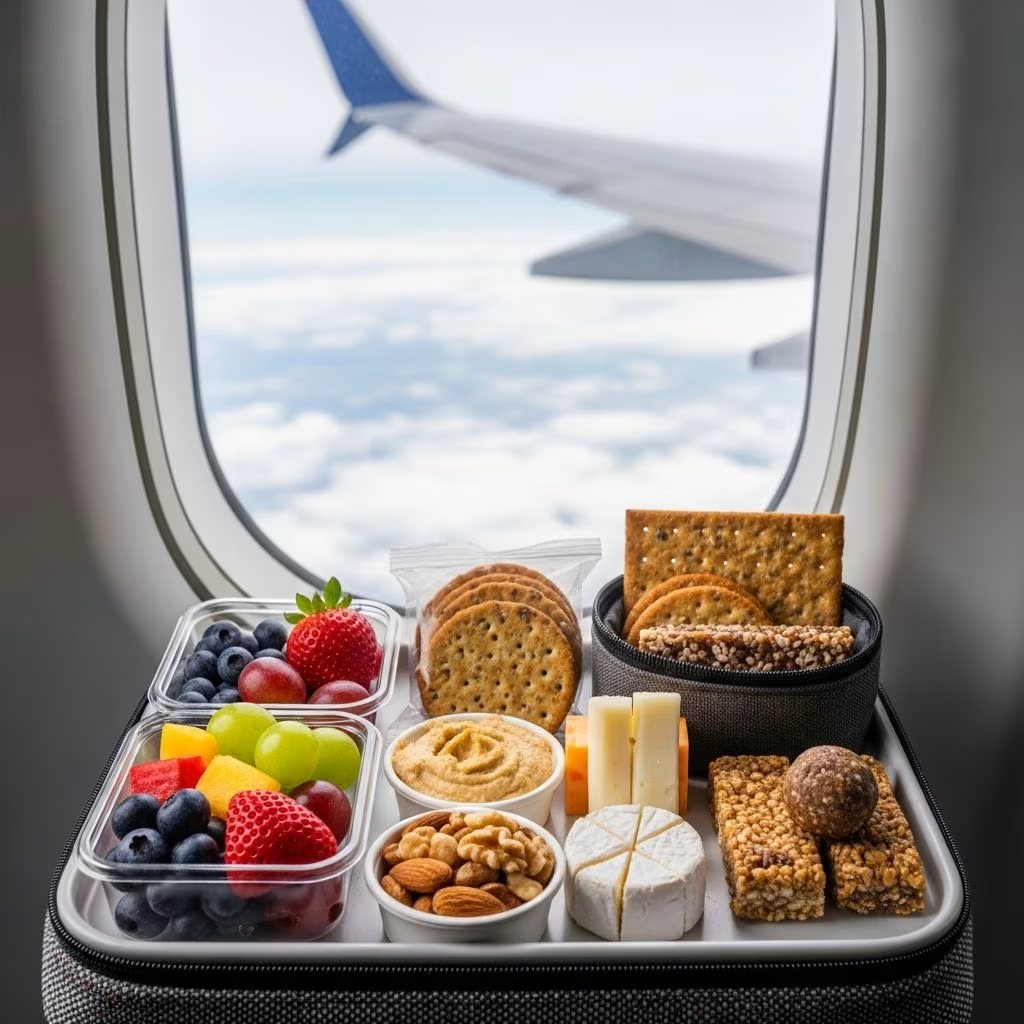
Air travel has evolved into a convenience-driven adventure, but one persistent challenge remains: mealtime in the skies. With airline food options often limited, overpriced, or uninspiring, savvy travelers are turning to a simple solution—packing their own snacks. This approach not only cuts costs but also empowers you to control your nutrition, accommodate special diets, and enjoy familiar flavors at 30,000 feet. In this comprehensive guide, we’ll explore why self-packing is a game-changer, how to do it right, and what rules to follow for seamless boarding.
The Financial and Practical Wins of DIY Flight Fuel
Consider the economics: a single onboard sandwich can set you back $10 or more, while a bag of nuts from home costs pennies per serving. Over multiple flights, these savings add up quickly. Beyond the wallet, bringing your own eliminates the gamble of unavailable items during peak travel times or long delays. Whether you’re jetting off for business or leisure, personal snacks ensure you’re fueled without frustration.
Health-conscious flyers benefit immensely too. Commercial airline offerings frequently lean toward processed carbs and sodium bombs, which can leave you bloated mid-flight. Homemade alternatives let you prioritize protein, fiber, and fresh ingredients, helping maintain energy levels and stable blood sugar during travel disruptions.
Navigating Security: What the TSA Allows and Forbids
Understanding airport security protocols is crucial to avoid confiscations. The Transportation Security Administration (TSA) permits solid foods like fruits, vegetables, sandwiches, and baked goods through checkpoints. Creamy dips, sauces, and liquids over 3.4 ounces fall under the 3-1-1 liquids rule, so pack them sparingly in checked luggage if needed.
- Safe Bets: Granola bars, jerky, cheese sticks, apples, carrot sticks, cookies, and crackers.
- Tricky Items: Yogurt, hummus, peanut butter—opt for travel-sized under 3.4 oz or skip for carry-on.
- No-Gos: Anything resembling a liquid, gel, or spread in large quantities; alcohol or open beverages.
Pro Tip: Print the TSA’s What Can I Bring? list or use their app for real-time checks. International flights may have stricter customs rules, so research destination-specific restrictions on fresh produce or meats.
Crafting the Ultimate Flight Snack Kit
Building a snack arsenal starts with variety and portability. Aim for a mix of sweet, savory, crunchy, and chewy to combat texture boredom aloft. Portion everything into reusable zip-top bags or compact containers to save space and reduce waste.
| Category | Ideas | Why It Works |
|---|---|---|
| Protein-Packed | Trail mix with nuts/seeds, beef or turkey jerky, hard-boiled eggs | Sustains energy, curbs hunger |
| Fresh & Crisp | Apple slices with cinnamon, celery with single-serve nut butter, cherry tomatoes | Hydrating, low-calorie crunch |
| Sweet Treats | Dark chocolate squares, dried fruit, energy bites | Mood booster without crash |
| Quick Carbs | Pretzels, rice cakes, popcorn | Light, non-messy munching |
For longer hauls, layer in shelf-stable options like protein bars or vacuum-sealed meals. Keep perishables cool with a small ice pack (frozen solid and under 16 oz, per TSA). Families can customize for kids—think cheese crackers, fruit pouches, or veggie chips—to dodge mid-flight meltdowns.
Overcoming Common Packing Pitfalls
Odor is a frequent complaint in tight cabins, so avoid pungent items like garlic-heavy spreads or fish jerky. Mess-proof your choices: powders like Cheetos or greasy chips invite sticky disasters. Opt for dry, crumb-minimal picks.
Allergies demand extra caution. Nuts top the list of inflight triggers, with airlines like United banning them on request since 2018 policies. Label bags clearly and inform crew if needed. Eco-warriors can shine with zero-waste wraps like beeswax alternatives to plastic.
Bonus Packing Hacks
- Pre-slice fruits/veggies and toss with lemon juice to prevent browning.
- Use compression bags to flatten soft items like muffins.
- Pack a foldable silicone cup for post-security water refills—pair with dry snacks.
- Test combos at home to ensure they travel well without sogginess.
Tailoring Snacks for Special Diets and Long Journeys
Vegans, gluten-free eaters, and keto adherents often find airline menus lacking. Pack accordingly: roasted chickpeas for vegans, almond flour cookies for gluten avoiders, or cheese crisps for low-carb. For ultra-long flights like transpacific routes, build a multi-meal progression—light breakfast bar, hearty lunch wrap, evening treat.
Budget airlines like Spirit or Ryanair charge for even water, amplifying the value of self-sufficiency. Premium carriers offer better buy-on-board, but pre-packing still wins for customization. Recent surveys from the FAA note rising passenger satisfaction with personal provisions amid post-pandemic service cuts.
Environmental and Health Angles of Snack Packing
Single-use plastics from onboard sales contribute to aviation’s waste footprint—estimated at 1.2 million tons annually by the International Air Transport Association (IATA). Reusable containers slash this impact. Nutritionally, home-packed snacks align with CDC guidelines for balanced travel eating, emphasizing whole foods to combat dehydration and jet lag.
Post-security hydration pairs perfectly: fill a bottle at gates and munch hydrating snacks like oranges or cucumbers. This combo mitigates dry cabin air’s effects, keeping you sharper upon landing.
Frequently Asked Questions
Can I bring coffee or tea on a plane?
No, hot liquids are prohibited through security. Brew at home in a Thermos (empty it first) and refill post-checkpoint.
What about international flights?
Customs vary—U.S. CBP bans fresh meats/fruits into the country. Check USDA and destination ag sites.
Are there nut-free zones on planes?
Some airlines accommodate requests; notify at booking. Avoid packing nuts if unsure.
How do I pack for kids without mess?
Bento-style boxes with compartments, spill-proof pouches, and familiar favorites work best.
What’s the best snack for blood sugar control?
Pair nuts with fruit or cheese—slow-release energy without spikes.
Real Traveler Stories and Expert Insights
Frequent flyers rave about snack hacks. One globetrotter shared packing bento boxes for 12-hour flights, raving about sustained satiety. Nutritionists endorse high-protein mixes, citing a 2023 study in the Journal of Travel Medicine linking them to reduced fatigue.
As air travel rebounds—projected 4.7 billion passengers in 2026 per IATA—personal snacks emerge as a resilient strategy amid menu shrinkflation and delays.
References
- What Can I Bring? Items List — Transportation Security Administration. 2026-04-01. https://www.tsa.gov/travel/security-screening/whatcanibring/all-list
- Travel Security Screening — U.S. Department of Homeland Security. 2026-03-15. https://www.dhs.gov/travel-security-screening
- Airline Passenger Experience Survey — Federal Aviation Administration. 2025-12-20. https://www.faa.gov/data_research/passenger_experience
- Nutrition for Air Travel — Centers for Disease Control and Prevention. 2024-11-10. https://wwwnc.cdc.gov/travel/page/nutrition-travel
- Aviation Industry Sustainability Report — International Air Transport Association. 2025-06-01. https://www.iata.org/en/publications/sustainability-report/
Embrace the pack-your-own revolution for flights that fuel your adventures, not drain them. Safe travels!

