

 Travel Essentials
 Travel Essentials

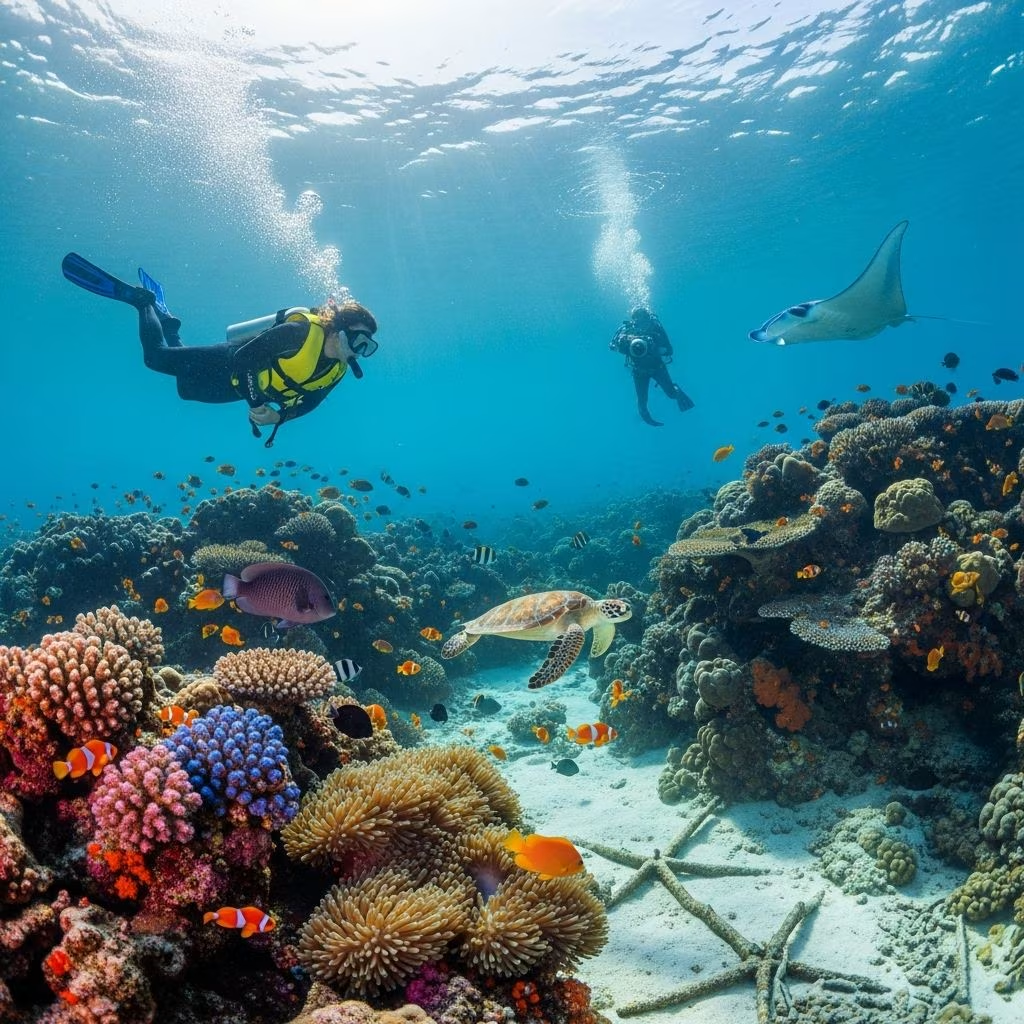
Explore top Florida destinations for snorkeling and scuba diving, from vibrant reefs in the Keys to shipwrecks, springs, and coastal gems teeming with marine life.
 Travel Essentials
Florida’s diverse coastlines, reefs, and inland waters make it a snorkeler’s and diver’s paradise. With options ranging from accessible beach entries to boat-accessible wrecks and natural springs, the Sunshine State offers experiences for every skill level. This guide highlights exceptional locations, practical tips, and what to expect beneath the surface.
The Florida Keys stretch like a string of jewels into the Atlantic, harboring some of the world’s most accessible coral ecosystems. While popular spots draw crowds, venturing to the Middle Keys reveals quieter, richer snorkeling grounds off Islamorada, Marathon, and Big Pine Key. These areas boast spur-and-groove reefs with dramatic topography, schools of tropical fish, and vibrant corals thriving in clear, warm waters.
John Pennekamp Coral Reef State Park near Key Largo stands out for its cannon beach, where artificial shipwreck remnants create an artificial habitat just 100 feet offshore. Even without a boat, visitors spot sergeant majors and juvenile snappers amid the rusting metal. In Key West, Fort Zachary Taylor State Park offers rocky bottoms where Gulf and Atlantic currents converge, drawing colorful wrasses and live coral patches—wear water shoes for the uneven terrain.
Florida’s Atlantic side features limestone formations and man-made enhancements that turn beaches into snorkel hotspots. From Jupiter to Palm Beach, these sites provide shore-based access to thriving marine communities.
| Location | Key Features | Best For | Access |
|---|---|---|---|
| Coral Cove Park, Jupiter | Natural limestone rocks, fish-filled crevices | Beginners, families | Beach entry, free parking |
| Blowing Rocks Preserve, Jupiter | Cliff-like rocks extending underwater | Experienced snorkelers (calm days only) | Shore access, nature trails |
| DuBois Park, Jupiter | Snorkel lagoon at inlet, clear high-tide waters | Kids, picnics | Free, arrive early |
| Red Reef Park, Boca Raton | 20+ artificial reef modules of limestone | All levels, southern end best | Beachfront |
| Peanut Island, Riviera Beach | Rocky shores, rays, manatees, sharks | Boat/kayak access | Water taxi or paddle |
| Phil Foster Park, Palm Beach | 800-ft snorkel trail reef, high-tide clarity | Easy guided paths | Beach off Blue Heron Bridge |
Jupiter’s coastal parks exemplify geological magic: Coral Cove’s rock formations mirror those at Blowing Rocks, sheltering sea life in calm conditions. DuBois Park’s lagoon is a family favorite, with shallow zones safe for young explorers watching inlet fish dart by.
The Gulf’s calmer, grassier waters contrast the Atlantic’s vibrancy. The Forgotten Coast and Panhandle deliver shallow bays and artificial reefs ideal for marine encounters.
St. Joseph Bay on the Forgotten Coast features grass flats and shallows alive with starfish, sea turtles, and rays—perfect for surface snorkeling without deep dives. Mexico Beach’s artificial reefs, built by local associations, include over 290 structures like reef balls and sunken vessels such as the Lumber Ship Vamar at 27 feet, accessible to snorkelers and divers alike.
Panhandle sites like Shell Island near Panama City Beach offer emerald waters for shelling and fish spotting, while deeper dives at Empire Mica, USS Accokeek, and Black Bart wrecks challenge scuba enthusiasts with historical allure.
Inland springs provide unique, buoyant snorkeling in 72°F (22°C) waters year-round, often clearer than the ocean.
These spots offer respite from saltwater, with minimal currents and abundant wildlife.
Preparation elevates any outing. Rent or buy a well-fitting mask, snorkel, and fins; full-foot fins suit sandy entries, while adjustable ones work for rocks. Rash guards protect from sun and stings, and a dive flag signals your position.
Safety Essentials:
Best seasons: Year-round, but winter offers clearer Keys waters, while summer Gulf calms prevail. Book permits for parks like Pennekamp; arrive early for parking at popular beaches.
Beginners benefit from tours providing gear, boats, and guides—think Key West dolphin-snorkel combos or Pennekamp glass-bottom previews. Independents thrive at shore sites like Peanut Island (kayak over) or Jupiter parks. Hybrid options: Rent SUPs for flexible access.
Conservation sustains these gems. Florida’s reefs face bleaching and tourism pressure; follow ‘look but don’t touch’ rules. Support by choosing eco-certified operators and removing trash. State parks and preserves enforce no-take zones, protecting biodiversity for future visits.
DuBois Park in Jupiter or St. Joseph Bay offer shallow, calm waters with easy access and abundant fish.
No—many top sites like Fort Zachary Taylor, Coral Cove, and spring runs are shore- or beach-entry.
Yes, winter at Crystal River’s Three Sisters Springs or Blue Spring State Park, with guided rules to avoid disturbance.
BCD, regulator, tank (rented via charters), weights, and certification; snorkeling requires just mask, snorkel, fins.
Yes, including Red Reef Park, Coral Cove, and many springs with nominal entry fees or free beach access.
