

 Travel Essentials
 Travel Essentials

Explore Germany's top thermal spa destinations offering mineral-rich waters, historic bathhouses, and modern wellness facilities for complete relaxation.
 Travel Essentials
Germany has long been recognized as one of Europe’s premier destinations for thermal wellness and spa experiences. The country’s rich tradition of therapeutic bathing extends back centuries, with visitors from across the continent traveling to experience the healing properties of naturally occurring mineral and thermal springs. Today, Germany maintains this distinguished reputation through a network of meticulously maintained spa towns that combine historic charm with cutting-edge wellness facilities.
The therapeutic bathing tradition in Germany traces its roots to ancient times, with documented evidence of wellness practices dating back to Roman settlements. What began as simple natural hot springs evolved into elaborate spa complexes during the 18th and 19th centuries, when European aristocracy and royalty began frequenting these destinations as fashionable wellness retreats. This golden era of spa culture left an indelible mark on German towns, resulting in the construction of grand bathhouses, elegant hotels, and sophisticated leisure infrastructure that remain standing today.
The designation “Bad” (meaning bath or spa) that precedes the names of numerous German towns reflects the official recognition of these communities as certified spa destinations. This classification requires towns to meet stringent criteria regarding water quality, therapeutic efficacy, and wellness amenities. Today, approximately sixty German towns carry this prestigious designation, making Germany a comprehensive wellness destination with options suited to virtually every preference and budget.
In 2021, the United Nations Educational, Scientific and Cultural Organization (UNESCO) bestowed World Heritage status on eleven European spa towns, recognizing them as outstanding examples of spa culture from the 18th and 19th centuries. Three of these honored destinations are located in Germany, reflecting the nation’s exceptional contribution to European wellness heritage.
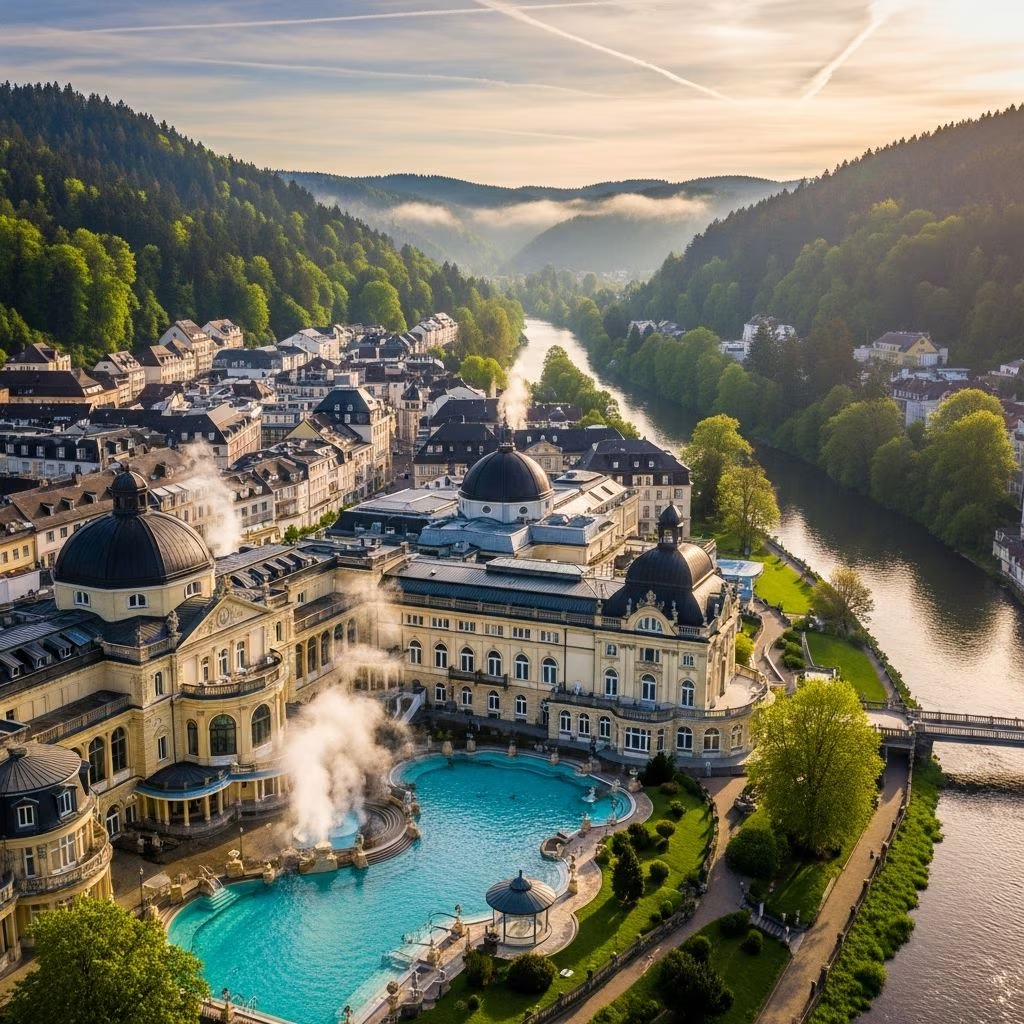
Positioned at the edge of the Black Forest, Baden-Baden represents the pinnacle of German spa elegance and represents refined wellness culture. The town’s foundation as a premier destination rests upon thermal springs that originate from depths of up to 2,000 meters, providing consistently warm, mineral-enriched waters. The Friedrichsbad Spa stands as the town’s most celebrated bathing facility, featuring the opulent architecture and design elements characteristic of the spa’s 19th-century construction.
What distinguishes Baden-Baden from other spa destinations is its seamless integration of historic architecture with contemporary wellness amenities. Visitors encounter carefully preserved Art Nouveau bathhouses alongside modern thermal pools and therapeutic treatment centers. The town’s sophisticated atmosphere, combined with its proximity to the scenic Black Forest region, creates an environment where wellness pursuits naturally blend with cultural exploration and leisurely exploration.
Located in the heart of Bavaria between Frankfurt and Würzburg, Bad Kissingen offers a distinctly regional approach to spa wellness. The town’s mineral springs have attracted visitors seeking therapeutic benefits for generations, and the architectural heritage reflects this long history of spa prominence. Bad Kissingen provides visitors with access to sophisticated bathing facilities including the KissSalis complex, which represents a modern interpretation of traditional spa design principles.
The town’s setting within the Franconian landscape provides a different aesthetic experience compared to Baden-Baden’s Black Forest positioning. Visitors find themselves immersed in rolling countryside, historic town architecture, and a more intimate atmosphere than encountered in larger spa destinations. This combination makes Bad Kissingen particularly appealing to travelers seeking authentic Bavarian character alongside world-class wellness facilities.
Nestled within the Lahn River valley, Bad Ems combines exceptional natural scenery with remarkably preserved 19th-century spa infrastructure. The town earned its UNESCO World Heritage designation partly due to the integrity of its intact architectural heritage, featuring structures that have been carefully maintained since their original construction during the height of European spa culture.
The Kurhaus (spa house) at Bad Ems exemplifies Neoclassical elegance and serves as the focal point of the town’s wellness offerings. Originally constructed to accommodate Europe’s elite visitors, the building now hosts cultural events, casino activities, and concerts alongside its traditional spa functions. A historic cable car connects the main town facilities to elevated thermal bathing complexes, providing both practical transportation and a charming throwback to Victorian-era engineering.
| Destination Category | Representative Towns | Primary Characteristics | Ideal For |
|---|---|---|---|
| Luxury & Cosmopolitan | Baden-Baden, Wiesbaden | Upscale accommodations, fine dining, cultural attractions, elegant bathhouses | Affluent travelers, cultural enthusiasts, special occasions |
| Medical & Therapeutic Focus | Bad Reichenhall, Bad Wörishofen | Clinical spa treatments, health-focused protocols, medical supervision | Those with specific health concerns, rehabilitation seekers |
| Historic Atmosphere | Bad Ems, Bad Kissingen | Preserved 19th-century architecture, heritage sites, traditional character | History buffs, architecture enthusiasts, heritage travelers |
| Active Wellness | Bad Schandau, Bad Herrenalb | Hiking trails, outdoor activities, nature integration, fitness facilities | Adventure seekers, active travelers, nature lovers |
| Budget-Conscious | Bad Mergentheim, Bad Herrenalb | Affordable accommodations, value spa packages, accessible facilities | Budget travelers, families, extended stays |
Bad Reichenhall represents Germany’s alpine spa experience, positioned within a mountainous landscape that dramatically distinguishes it from lowland spa towns. The town’s setting at elevation provides clean, oxygen-rich air that complements the therapeutic properties of its mineral-rich waters. Salt-based therapies form the foundation of Bad Reichenhall’s wellness offerings, drawing upon centuries-old traditions of halotherapy and mineral treatment protocols.
The combination of mountain scenery, pure air, and salt-enriched thermal waters creates a comprehensive wellness environment. Visitors experience not only direct therapeutic treatments but also the restorative benefits of alpine environments themselves. The town’s architecture reflects its mountain positioning, with facilities designed to harmonize with their natural surroundings rather than imposing urban-style construction upon the landscape.
Not all of Germany’s premier spa destinations require extensive travel from urban centers. Bad Homburg, located near Frankfurt, has historically served as a convenient wellness escape for travelers and residents of Germany’s financial capital. The town maintains an elegant atmosphere despite its proximity to metropolitan areas, offering refined spa facilities and sophisticated accommodations that attract international visitors and business travelers seeking wellness respites.
Similarly, Wiesbaden functions as both an independent spa destination and an accessible wellness option for those arriving at or departing from Frankfurt. The Kaiser-Friedrich-Therme at Wiesbaden represents a masterwork of Art Nouveau design, having been modernized extensively while maintaining its original architectural character. These conveniently positioned spa towns allow travelers to incorporate wellness experiences into broader German itineraries without dedicating entire trips to spa-focused activities.
German spa towns draw upon diverse water sources, each offering distinct therapeutic properties. Thermal springs provide consistent warmth and mineral content beneficial for circulation and relaxation. Salt-enriched waters support respiratory and dermatological treatments. Mineral-rich springs deliver specific elemental compositions—iron, sulfur, or other minerals—associated with particular health benefits.
German spa towns showcase architectural styles ranging from elegant Neoclassical designs to ornate Art Nouveau creations. Many bathhouses from the 18th and 19th centuries remain operational, having undergone careful restoration and modernization. This preservation of heritage architecture distinguishes German spa towns from more contemporary wellness resorts, creating environments where historical significance intertwines with modern comfort.
The Palais Therme in Bad Wildbad exemplifies this architectural distinction, originally constructed as a private ducal spa featuring distinctive Moorish design elements. Rather than demolishing such structures for contemporary replacements, German spa communities have invested in sophisticated restoration efforts that maintain original character while incorporating modern amenities. This approach attracts travelers seeking authentic historical experiences alongside contemporary wellness standards.
Contemporary German spa towns recognize that wellness encompasses far more than thermal immersion. Most destinations now offer integrated facilities featuring professional massage therapies, nutritional consultations, fitness programs, and spa treatments utilizing specialized products developed from local mineral sources. Many towns provide structured wellness packages allowing visitors to combine bathing with complementary therapeutic services.
Natural surroundings play crucial roles in comprehensive wellness experiences. Towns like Bad Schandau integrate hiking opportunities and outdoor activities into their wellness programming, recognizing that physical activity in natural environments contributes significantly to overall therapeutic outcomes. This holistic approach transforms spa visits from simple bathing experiences into complete wellness immersions affecting physical, mental, and emotional health dimensions.
While thermal baths remain accessible throughout the year, seasonal variations affect the overall spa experience. Spring and autumn provide ideal conditions for combining spa visits with outdoor exploration. Winter visitors encounter picturesque snowy landscapes, though outdoor activity options diminish. Summer brings peak visitation periods and higher accommodation rates, particularly in well-known destinations.
Optimal spa experiences typically require minimum stays of three to five days, allowing sufficient time for multiple bathing sessions and complementary treatments. Shorter visits provide introductions to specific destinations, while extended stays enable comprehensive therapeutic programs designed to produce lasting wellness benefits.
German spa culture maintains specific customs regarding bathing practices. Many facilities offer both clothed and clothing-optional (Kleiderfrei) bathing areas, with clear designation signs. Respectful acknowledgment of local customs enhances experiences and demonstrates cultural appreciation. Most facilities require shower participation before entering thermal waters and prohibit swimsuit use in certain bathing areas.
German spa towns combine authentic thermal and mineral springs with carefully preserved architectural heritage from spa culture’s golden age. Three German destinations achieved UNESCO World Heritage recognition in 2021, reflecting exceptional preservation of spa traditions and physical infrastructure spanning centuries.
Most German spa towns welcome visitors of all ages, though specific age restrictions may apply to certain facilities or bathing areas. Families frequently utilize spa facilities, with many towns offering family-oriented packages and programs designed for intergenerational enjoyment.
Thermal bathing emphasizes therapeutic immersion in naturally heated mineral waters, typically involving longer exposure periods and lower activity levels compared to swimming. The specific mineral compositions, water temperatures, and bathing rituals in German spas target therapeutic outcomes rather than recreation.
Selection depends upon personal priorities. Those seeking historical authenticity should choose UNESCO-recognized towns or destinations preserving extensive 19th-century architecture. Budget-conscious travelers benefit from smaller, less-renowned destinations offering comparable facilities at reduced rates. Visitors interested in active wellness should prioritize towns integrated with hiking trails and outdoor recreation areas.
While walk-in bathing is typically possible at most facilities, advance reservations ensure access to specific treatment programs and accommodations at popular times. Peak seasons (summer months, holiday periods) often require early booking to guarantee preferred facilities and room availability.
