


 Food & Culture
Food & Culture
Best Street Food in Cairo: Local Koshary, Falafel & Hidden Gems
Dive into Cairo's vibrant food scene with insider tips on street food, traditional dishes, and neighborhood spots favored by residents for an genuine culinary adventure.
 Food & Culture
Egypt’s capital pulses with a food culture that reflects its diverse history and vibrant daily life. Away from tourist traps, locals flock to unpretentious stalls and family-run kitchens for dishes that define everyday Egyptian cuisine. This guide reveals those hidden corners, iconic recipes, and neighborhood favorites that offer the truest taste of Cairo.
Mastering Cairo’s Street Food Essentials
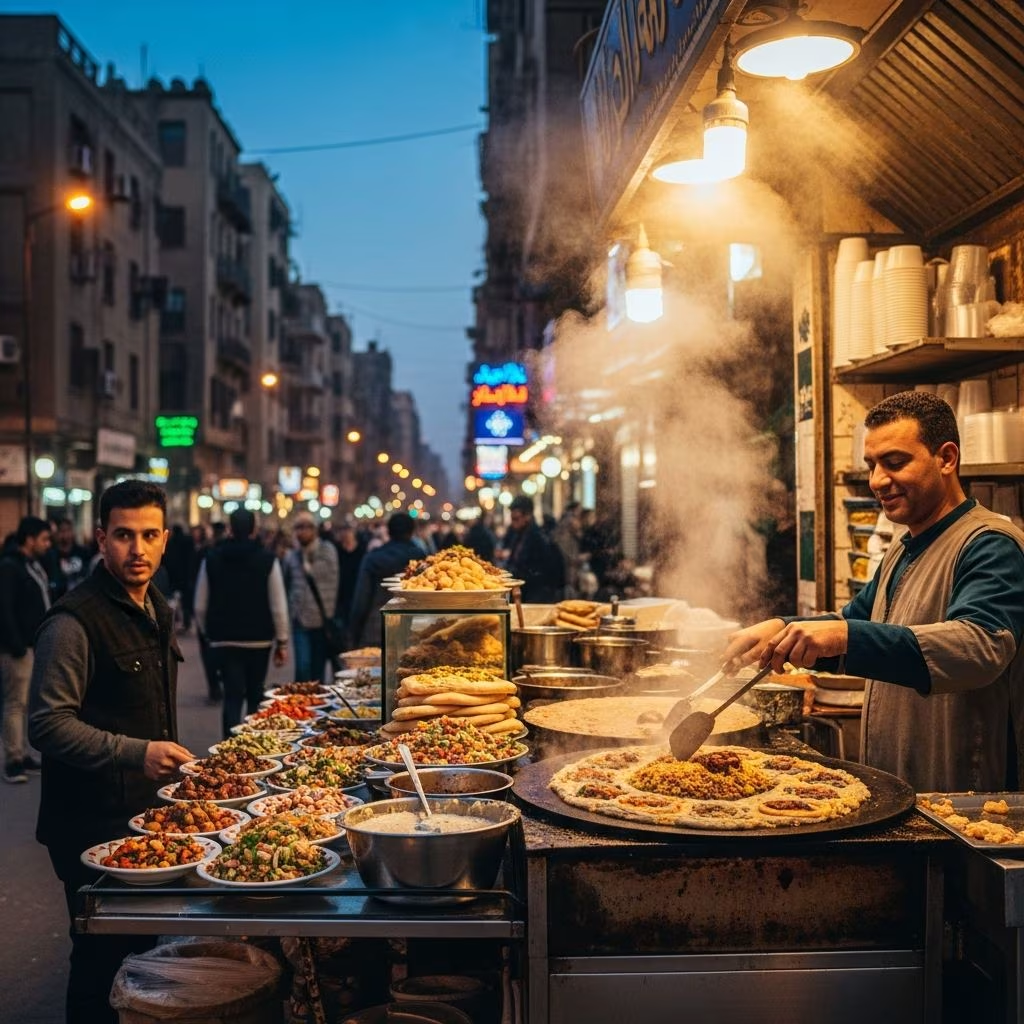
Street food forms the backbone of Cairo’s eating habits, providing quick, affordable, and flavorful options at every turn. Vendors line chaotic sidewalks, grilling meats, frying patties, and simmering stews that draw crowds from dawn till late night.
- Koshary: This carb-loaded national dish mixes rice, lentils, pasta, chickpeas, and crispy onions topped with spicy tomato sauce. It’s a vegan powerhouse born from necessity, now a beloved staple.
- Falafel (Ta’amiya): Unlike chickpea versions elsewhere, Cairo’s uses fava beans blended with herbs, garlic, and spices, fried fresh into golden patties stuffed into baladi bread with tahini and salad.
- Shawarma: Thinly sliced marinated meat—chicken or beef—rotisseried and tucked into buns or wraps, often with garlic sauce and pickles for a portable feast.
- Ful Medames: Simmered fava beans seasoned with cumin, garlic, and lemon, served warm in bread or as a hearty breakfast base.
These staples appear across the city, but their quality varies by vendor skill and location. Locals prioritize freshness and bold seasoning over fancy presentations.
Iconic Koshary Havens in Downtown Cairo
No visit captures Cairo’s soul without koshary. This dish’s layered textures—from chewy pasta to crunchy onions—make it irresistibly filling.
| Spot | Location | Why Locals Love It |
|---|---|---|
| Koshary Abou Tarek | Downtown Cairo | Legendary single-dish focus; bustling atmosphere turns eating into an event. Massive portions at rock-bottom prices. |
| Koshary El Tahrir | Abdel Khalek Tharwat Street | Raw, authentic vibe with perfectly balanced sauces; a childhood favorite for many. |
| Sayed Hanafy Koshary | Various branches | Reliable alternative when lines are long elsewhere; consistent quality. |
Note: Many koshary spots close during Ramadan and Eid, so plan accordingly. Pair with fresh juices like tamarind or sugarcane for balance.
Grilled Meats and Offal Delights
Cairo’s grill masters elevate simple cuts into smoky masterpieces. From shawarma to kebabs and organ meats, these spots emphasize charcoal flavors and secret marinades.
- Shawarma Specialists: Caizo leads with modern buns packed with juicy meat, outshining traditional wraps. Neama in Downtown offers classic beef with sogo2 (liver sandwich). Abou Haidar in Heliopolis pairs shawarma with pasta bechamel.
- Liver and Brain Sandwiches: Zeezo excels in tender liver and sweet dessert sandwiches. Baba Abdo nearby grills superior versions, even impressing celebrity chefs. Al Nasr fries breaded liver, while Abu Al Enein adds shrimp options.
- Kebab Powerhouses: Kebab Muhammed El Rafey delivers top-tier kofta and tarb (lamb ribs) with flawless grilling.
Offal shines here—liver’s richness contrasts creamy brains, always sandwiched for easy eating. Look for smoky aromas wafting from carts.
Neighborhood Gems Across Cairo
Each district boasts unique eats tied to its character. Wander these areas to eat like a resident.
Downtown Hustle
The heart of old Cairo buzzes with historic spots. Cafe Riche serves old-school lunches amid Art Deco charm. Felfela on Hoda Shaarawy delivers nostalgic falafel in a quirky setting. El Sharouk and Abdullah Bashandy nail falafel and ful.
Khan el Khalili Bazaar
This medieval market hides food treasures: Fatatri el Hussein for pancakes, Farahat for stuffed pigeon and grills, Naguib Mahfouz Cafe for evening vibes.
Heliopolis and Zamalek
Upscale yet local: Abou Haidar for shawarma, Cairo Kitchen in Zamalek for ro’a (phyllo meat pie) and clean eats, Abu Elsid for nostalgic duck.
Modern Museums and Beyond
Zöoba at Grand Egyptian Museum offers elevated street food. Fasahet Somaya provides home-style meals (open 5-7pm, daily changing menu via Instagram). Sobhi Kaber and Hagouga grill meats with molokheya stew.
Vegetarian and Breakfast Must-Tries
Plant-based options abound, especially mornings. Ful medames fuels workers, often topped with eggs or tahini. Ta’amiya patties burst with fennel and cilantro. Molokheya, a garlicky green soup with rice, comforts across seasons.
For veggies, koshary reigns supreme. Felfela’s chefs fry falafel tableside.
Drinks and Sweet Finishers
No meal ends without Egyptian tea (strong black with mint) or Arabic coffee. Fresh juices—mango, guava, hibiscus—refresh amid spice. Dessert sandwiches at Zeezo mix fruits and cream innovatively.
Frequently Asked Questions
What is the best time to eat street food in Cairo?
Evenings bring peak freshness and energy, especially on Talaat Harb Street. Breakfast ful spots open early.
Is Cairo food safe for tourists?
Stick to busy stalls with high turnover for freshness. Peel fruits and avoid ice in lesser spots. Locals eat here daily without issue.
Which dish defines Egyptian cuisine?
Koshary, for its affordability, flavor layers, and cultural ubiquity.
Are there vegetarian options everywhere?
Yes—koshary, ful, falafel, and molokheya dominate menus.
How much does a street meal cost?
Expect 20-50 EGP ($1-2 USD) for shawarma or koshary, making it budget-friendly.
Practical Tips for Food Explorers
- Observe locals: Join lines at popular carts.
- Use apps for maps to spots like those listed.
- Venture beyond pyramids—real food thrives in residential areas.
- Try offal if adventurous; it’s a local rite.
- Combine with walks: Post-meal strolls aid digestion in lively streets.
These recommendations stem from local insights, ensuring you bypass overhyped venues for genuine flavors.
References
- Eat Like a Local in Cairo: The Best Street Food, Cafes and Restaurants — Liam Collens, Substack. 2023. https://liamcollens.substack.com/p/eat-like-a-local-in-cairo-best-street
- Best food in Cairo, Egypt – a foodie’s guide — Egypt Adventures Travel. 2023. https://www.egyptadventurestravel.com/blog/best-food-in-cairo-egypt
- Ultimate EGYPTIAN Street Food Tour!! They WARNED Me About … — YouTube (Mark Wiens channel). 2023. https://www.youtube.com/watch?v=pIwCc7RuaQU
- A Street Food Tour Around Cairo — Taste Indianapolis. 2023. https://www.tasteindianapolis.com/blog/a-street-food-tour-around-cairo
- Local Food Experiences in Cairo — USTOA Blog. 2023. https://ustoa.com/blog/local-food-experiences-in-cairo/
← Previous
Ecuador’s Andean Highlands: History, Culture, and Living Heritage
Next →
Best Things to Do in Brussels in Summer
Related Reading
More in Food & Culture
Food & Culture Food & Culture
 Food & Culture
Best Places to Eat in Rome: Neighborhood Dining Guide
 Food & Culture
 Food & Culture