

 Travel Essentials
 Travel Essentials

Explore Rio de Janeiro's premier sunset destinations, from beachfront hotspots to mountain vistas and hidden gems offering unforgettable golden hour experiences.
 Travel Essentials
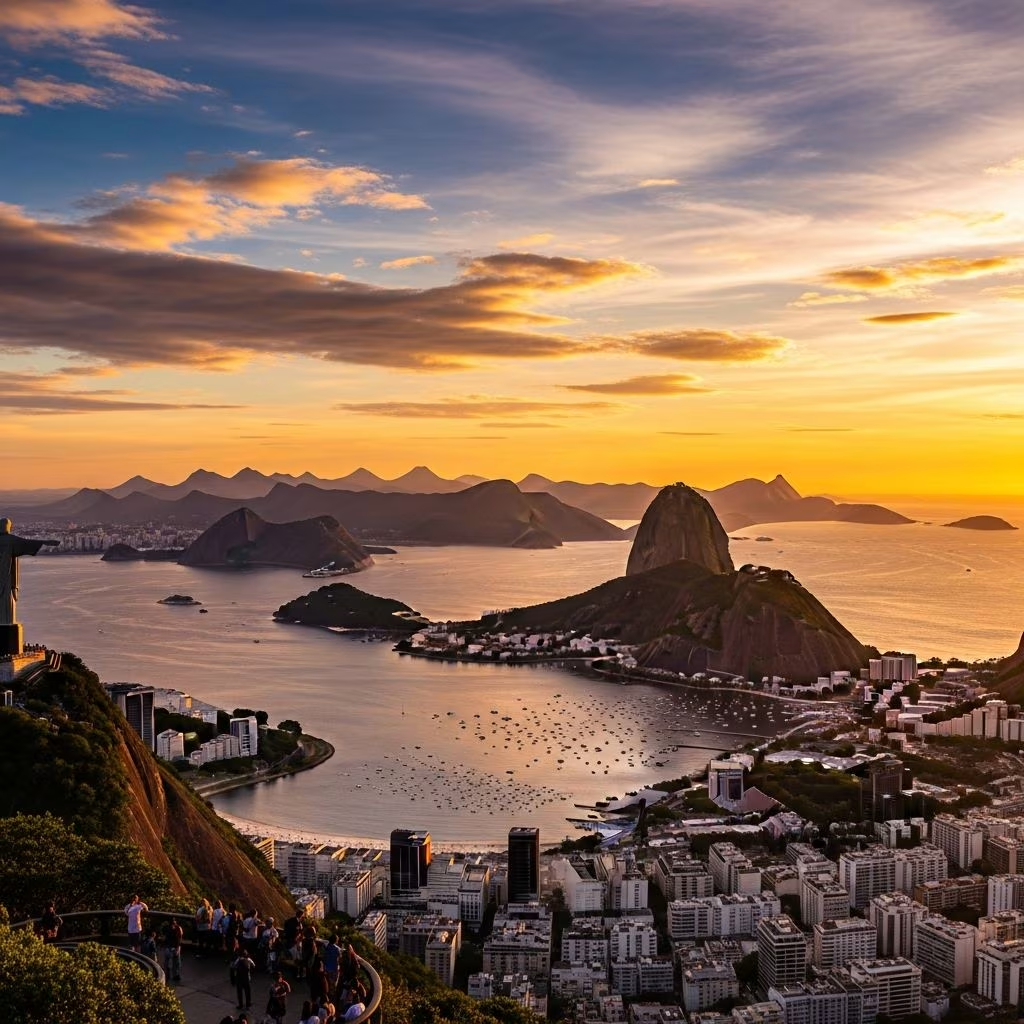
Rio de Janeiro transforms into a canvas of vibrant oranges, pinks, and purples as the sun descends toward the horizon each evening. This iconic Brazilian city offers numerous vantage points where visitors and locals alike can witness nature’s daily masterpiece. Whether you prefer oceanside relaxation, elevated mountain perspectives, or intimate neighborhood bars, Rio provides diverse options for capturing the perfect sunset experience. Each location offers its own unique character and visual appeal, making sunset-watching a quintessential Rio activity.
The Ipanema coastline represents one of Rio’s most accessible and popular sunset destinations, drawing both tourists and cariocas throughout the year. This legendary beach stretches along the southern zone and offers exceptional viewing opportunities as day transitions into evening. The energy along the shoreline remains vibrant during sunset hours, with locals and visitors mingling in a relaxed atmosphere.
The Posto 9 area specifically serves as a gathering point where the community congregates to witness the day’s conclusion. Visitors observe groups enjoying mate tea, a traditional South American beverage, while others engage in recreational activities including beach volleyball and altinha, a casual form of soccer played with fewer participants. This social gathering creates an infectious energy that enhances the sunset experience.
For those seeking a more dramatic perspective, Ponta do Arpoador presents a distinctive geological feature at the beach’s terminus. This rocky peninsula juts into the Atlantic Ocean, providing elevated vantage points for photography and observation. The formation creates natural seating areas where onlookers position themselves to capture images against the luminous sky. Surfers frequently continue their evening sessions in nearby waters, adding dynamic movement to the scenic backdrop. The silhouettes of Morro dos Dois Irmãos (Two Brothers Mountain) frame the horizon, creating a natural architectural element that enhances the composition of sunset photographs.
Niteroi, situated beyond Guanabara Bay, offers an alternative perspective on Rio’s sunset spectacle. This neighboring city provides vantage points that showcase the metropolis from a distance, allowing observers to witness the entire cityscape illuminating as darkness approaches. Parque da Cidade functions as the premier sunset location within Niteroi’s boundaries, offering strategic positioning for comprehensive city views.
From this elevated park, visitors observe multiple Rio landmarks simultaneously including Christ the Redeemer, Sugarloaf Mountain, and the aforementioned Two Brothers Mountain. This unified perspective demonstrates Rio’s geographic complexity and architectural prominence in a single panoramic sweep. The journey to Niteroi requires minimal effort, with ferry services departing from central Rio and arriving at São Francisco. From the ferry terminal, travelers can arrange rideshare transportation for approximately R$10 or undertake a two-kilometer hike to reach the viewpoint. This accessibility makes Niteroi an excellent option for sunset enthusiasts seeking convenience without compromising visual quality.
Urca represents a quieter, more residential alternative to Rio’s busier tourist zones. This compact neighborhood nestled between Praia Vermelha and Botafogo maintains a distinctly local character, featuring traditional architecture and welcoming dining establishments. The area’s primary sunset advantage lies along Avenida João Luiz Alves, which encircles the neighborhood while overlooking Guanabara Bay’s expansive waters.
Bar Urca exemplifies the casual, unpretentious approach to sunset-watching that characterizes this locale. This modest boteco extends service beyond its restaurant confines, accommodating guests who position themselves on the waterfront wall to observe the sun’s descent. This informal arrangement reflects Brazilian beach culture’s relaxed philosophy, prioritizing comfort and community over structured tourism experiences. The neighborhood appeals particularly to travelers seeking authentic local interactions rather than curated tourist activities.
Pão de Açúcar, translated as Sugarloaf Mountain, stands as Rio’s most iconic landmark and premier elevated sunset destination. This distinctive granite formation rises approximately 395 meters above the surrounding landscape, providing unobstructed vistas of the Atlantic Ocean, city sprawl, and mountain ranges extending toward the horizon. The mountain’s prominence in Rio’s skyline makes it instantly recognizable in photographs and from virtually any beachfront vantage point throughout the city.
Accessing the summit requires utilizing the mountain’s famous two-stage cable car system, which departs every twenty minutes from the base station. This engineering marvel transports approximately 2,800 visitors daily during peak seasons, creating a dynamic observation environment. The ascent offers changing perspectives as visitors rise higher, with intermediate stations providing opportunities for photographic documentation at different altitudes. Strategic afternoon arrival allows ample time for exploration before sunset approaches, ensuring optimal positioning as light conditions evolve.
The evening experience on Sugarloaf Mountain transcends simple sunset observation. As darkness descends, Rio’s urban lighting infrastructure activates, transforming the metropolitan landscape into a glittering constellation. This dual-phase evening experience—natural golden hour followed by artificial illumination—creates distinct aesthetic periods within a single visit. Clear weather conditions prove essential for maximizing visibility, making morning verification of forecast conditions advisable before planning a visit.
Tijuca National Park occupies a unique position within Rio’s geography, representing the world’s first replanted forest ecosystem. Portuguese colonists originally cleared this Atlantic rainforest territory, but systematic reforestation efforts beginning in 1861 gradually restored the landscape. Today, the park encompasses three square kilometers of verdant terrain interspersed with hiking trails, archaeological ruins of former coffee plantations, and spectacular water features.
Vista Chinesa serves as the designated sunset observation pavilion within the park’s boundaries. This thoughtfully constructed lookout structure provides comfortable seating and shelter while framing views of the surrounding landscape and distant city vistas. The pavilion’s architectural design acknowledges its purpose as a contemplation point, with orientation and openings strategically positioned to capture optimal light during golden hour.
Accessing Vista Chinesa requires navigation through the park’s infrastructure. Private vehicle transit via Rua Pacheco Leão represents the most direct route, though rideshare services and taxi options provide alternatives. Public transportation via bus 409, traveling to its terminal stop, accommodates budget-conscious travelers. The journey itself becomes part of the sunset experience, as travelers traverse landscaped park roads and observe diverse vegetation types and wildlife during travel hours.
The sensory experience at Tijuca National Park encompasses visual elements alongside acoustic dimensions. Unlike urban sunset locations, the park environment incorporates avian soundscapes, with native bird species creating ambient music as daylight fades. This multisensory approach appeals to travelers seeking comprehensive nature immersion rather than purely visual experiences.
The Santa Teresa neighborhood, perched on Rio’s hillside topography, hosts Aprazível Restaurant, which merges dining experiences with sunset observation. This establishment prioritizes atmospheric ambiance through landscaping choices featuring abundant vegetation and thoughtfully designed outdoor spaces. The restaurant’s patio configuration maximizes Guanabara Bay views while maintaining intimate dining scale and acoustic privacy from surrounding urban noise.
Chef Ana Castilho directs the kitchen’s Brazilian fusion cuisine philosophy, combining traditional local ingredients with contemporary culinary techniques. This approach aligns with the establishment’s broader aesthetic of blending Rio’s heritage with modern sophistication. Sunset dining combines visual spectacle with gastronomic innovation, creating multidimensional evening experiences. The restaurant’s service philosophy emphasizes relaxed pacing, encouraging guests to linger through sunset’s entire duration without pressure to conclude meals rapidly.
Paquetá Island represents Rio’s best-kept sunset secret, remaining largely unknown to mainstream tourism despite offering distinctive advantages. This car-free island accessible by ferry encourages transportation via pedestrian or bicycle, establishing an inherently tranquil environment distinct from Rio’s vehicular-dominated areas. The absence of automotive infrastructure creates soundscapes dominated by natural elements and human voices rather than engine noise.
Pedra da Moreninha beach provides the island’s premier sunset observation location, offering panoramic bay vistas and optimal directional orientation for golden hour photography. The beach environment maintains a contemplative character, attracting individuals seeking peaceful reflection rather than social congregation. Historical elements enhance the location’s significance, with narratives surrounding João da Nação Benguella, an enslaved individual who historically spent evenings on these shores engaged in spiritual practice. This historical dimension adds cultural depth to the sunset experience, connecting contemporary observation moments with Rio’s complex historical narrative.
Timing and Seasonal Variation: Sunset timing shifts throughout the year, ranging from approximately 5:00 PM during winter months to 7:30 PM during summer. Consulting current sunset schedules ensures proper arrival timing at chosen locations.
Weather Monitoring: Cloud cover significantly impacts sunset visual quality. Clear or partially cloudy skies enhance color saturation and visibility, while overcast conditions may reduce aesthetic impact. Checking weather forecasts before planning improves experience quality.
Photography Equipment: Quality sunset photography benefits from tripods stabilizing cameras during lower light conditions, neutral density filters managing exposure, and polarizing filters enhancing color depth. Smartphone cameras incorporate computational photography features that perform well under golden hour lighting.
Accessibility and Transportation: Rio’s public transportation network, including buses, metro systems, and ferries, provides access to most sunset locations. Planning routes in advance prevents arrival delays and maximizes time at chosen viewpoints.
Rio offers excellent sunset viewing year-round due to its tropical latitude. Summer months (December-February) feature longer daylight hours and typically clear skies, while winter months (June-August) offer slightly clearer atmospheric conditions despite shorter viewing windows.
Most beachfront and neighborhood locations remain free. Sugarloaf Mountain charges approximately R$85 for cable car access, while Tijuca National Park entrance is complimentary. Dining-based locations like Aprazível require meal purchases.
Well-established sunset locations populated by tourists and locals maintain reasonable safety profiles during daylight and early evening hours. Exercising standard urban awareness and avoiding isolated areas after dark ensures secure experiences.
Absolutely. Many locations accommodate multiple-activity itineraries. Sugarloaf Mountain visits combine sunset with daytime exploration, while beach locations enable swimming and dining integration.
Comfortable clothing appropriate for cooling evening temperatures, sun protection including hats and sunscreen, insect repellent for park locations, cameras for documentation, and hydration supplies enhance the experience. Depending on location choice, beach shoes or hiking boots may prove beneficial.
Rio de Janeiro’s geographic diversity creates multiple sunset experiences ranging from urban sophistication to natural wilderness immersion. Each location offers distinct atmospheric qualities, accessibility considerations, and social dynamics. Whether seeking romantic ambiance, photographic opportunities, cultural experiences, or peaceful reflection, Rio accommodates diverse sunset preferences through its varied geography and thoughtfully developed viewpoint infrastructure. The city’s commitment to preserving natural viewpoints while simultaneously developing accessible vantage points demonstrates successful balance between conservation and tourism integration.
