

 Travel Essentials
 Travel Essentials

Discover Tanzania's top driving routes featuring wildlife, national parks, and breathtaking landscapes. Plan your ultimate African road trip adventure.
 Travel Essentials
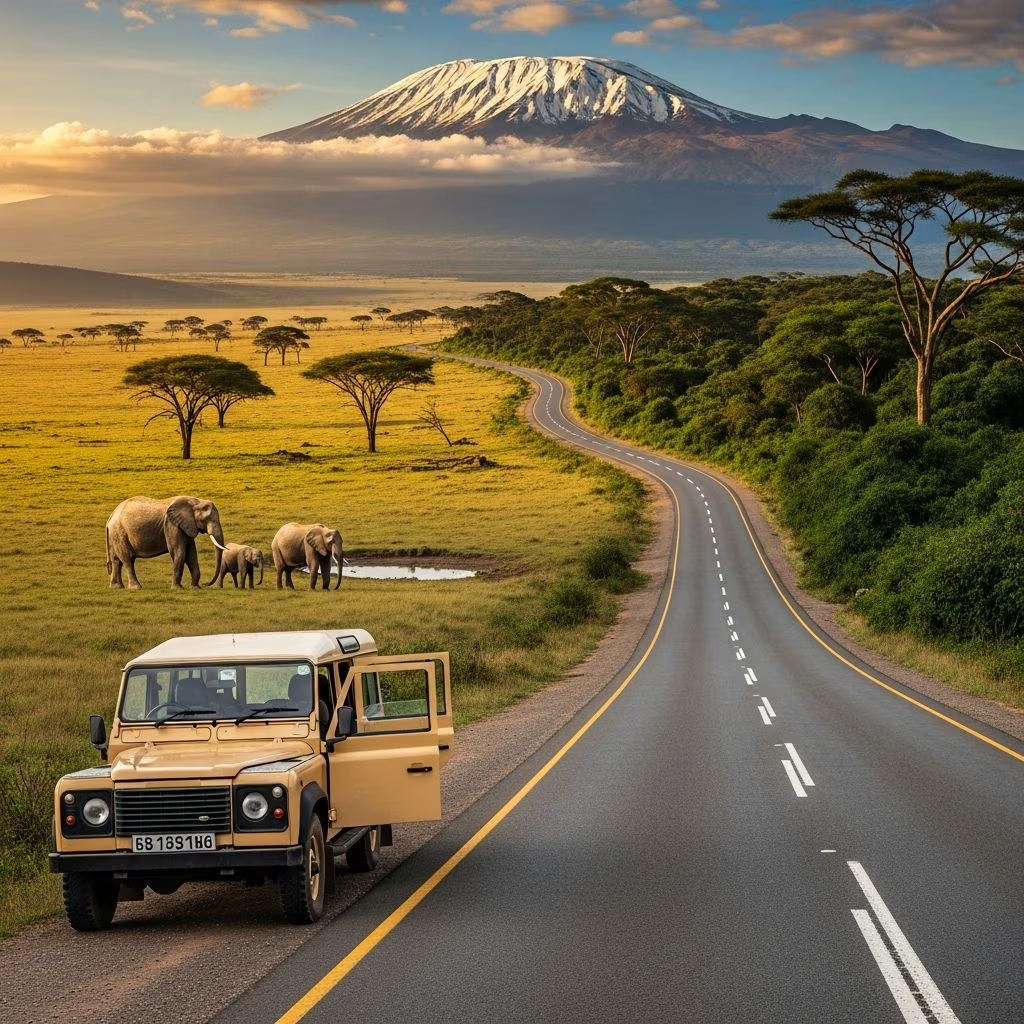
Tanzania stands as one of Africa’s premier destinations for adventurous travelers seeking to experience diverse landscapes and abundant wildlife. For those with an adventurous spirit and reliable transportation, self-driving through this East African nation offers unparalleled opportunities to witness nature’s grandeur at your own pace. Whether you’re a seasoned road tripper or embarking on your first African expedition, Tanzania’s network of driving routes caters to various experience levels and time constraints.
The foundation of any successful Tanzania road trip begins with proper vehicle selection and understanding road conditions. The majority of Tanzania’s most rewarding driving experiences require four-wheel-drive vehicles capable of handling unpaved surfaces and challenging terrain, particularly when navigating through national parks and remote regions. Major towns like Arusha and Dar es Salaam serve as logical starting points for most itineraries, offering access to vehicle rental agencies equipped with appropriate transportation for various route difficulties.
The timing of your journey significantly impacts wildlife visibility and overall travel experience. Most visitors plan their trips during Tanzania’s dry season, which typically occurs from June through October, when animal congregations are most predictable and roads are in optimal condition. Understanding park entrance protocols and daily regulations proves essential—many parks impose strict exit times, requiring travelers to complete their activities and depart by designated hours to avoid additional fees.
The northern region encompasses Tanzania’s most celebrated wildlife viewing destinations, creating natural progression for multi-day road trips. This circuit typically encompasses approximately 306 kilometers from Arusha northward toward Serengeti National Park, featuring some of Africa’s most impressive concentrations of large mammals and scenic vistas.
Starting Your Journey in Arusha
Arusha functions as the traditional gateway for northern Tanzania expeditions. This bustling town provides comprehensive infrastructure including vehicle rental agencies, accommodation options, and provisions shops necessary for preparing for extended park visits. From Arusha, most road trips initially proceed toward Tarangire National Park, a remarkable ecosystem famous for its dense elephant populations and distinctive baobab trees.
Tarangire National Park Exploration
Timing proves critical when entering Tarangire. Arriving around mid-morning, specifically between 10 and 11 AM, allows sufficient daylight hours for afternoon game drives while preserving morning hours the following day for wildlife observation when animals are most active. This strategic timing maximizes your wildlife viewing opportunities during peak activity periods.
The park’s landscape presents dramatic seasonal variations. During dry months, wildlife concentrates near the Tarangire River, creating exceptional viewing conditions along river corridors where animals gather for essential water sources.
Lake Eyasi and Cultural Experiences
Continuing southward from Tarangire leads to Lake Eyasi, a destination offering different experiences than typical wildlife parks. This region provides opportunities to encounter indigenous communities maintaining traditional lifestyles, adding cultural dimensions to your wildlife-focused journey.
The Ngorongoro Crater represents one of Earth’s most remarkable geological formations—a massive caldera containing diverse ecosystems and substantial wildlife populations within its walls. Road access to this natural wonder requires strategic planning and precise timing.
Navigating the Crater Efficiently
Successful crater exploration demands early morning starts. Departing your campsite around 5:30 AM ensures you reach the crater rim descent road at first light, typically around 6 AM when the access road opens. This timing allows maximum daylight hours within the crater for wildlife observation and photography. Critical deadlines govern crater activities—visitors must exit by 2 PM to reach the northern exit gate by 4 PM, preventing costly additional day fees.
The crater descent and ascent roads differ, requiring careful navigation and attention to signage. Modern navigation applications provide valuable assistance for identifying correct routes, though downloading offline maps before entering remote areas prevents connectivity issues.
Crater Ecosystem and Wildlife
Within the crater’s unique environment, concentrated wildlife populations create exceptional viewing opportunities. The enclosed ecosystem supports:
Serengeti National Park stretches across vast plains offering uninterrupted vistas and world-renowned wildlife concentrations. The transition from Ngorongoro to Serengeti occurs through a shared entrance-exit gate, with timing constraints requiring visitors to leave Ngorongoro by specified hours to reach Serengeti by late afternoon.
Understanding Serengeti’s Scale
The Serengeti’s immense size—approximately 14,750 square kilometers—supports varied landscapes from open grasslands to acacia woodlands and riverine forests. Different areas excel at different wildlife encounters depending on seasonal animal distributions. The park’s western corridor near the Grumeti River becomes crucial during specific migration periods when massive wildebeest crossings create dramatic natural spectacles.
Multi-Day Park Navigation
Most itineraries allocate multiple nights within Serengeti to explore different zones. A typical progression moves from Seronera in the central region toward Lobo in the northern section, a drive requiring approximately two hours and providing continuous wildlife observation opportunities including leopard territory passages and wildebeest herds.
Daily game drives maximize animal sightings by following established safari routes that concentrate around water sources and known animal congregation points. Evening drives, conducted as you relocate between campsites, often yield remarkable wildlife encounters as nocturnal animals become active.
Exiting Serengeti’s northern regions toward Lake Natron introduces dramatically different landscapes and travel experiences. The journey involves transitioning through varied terrain, progressing from maintained park roads to increasingly remote routes characterizing Tanzania’s frontier regions.
Road Conditions and Travel Preparation
The route to Lake Natron presents contrasting road qualities—certain sections maintain relatively good condition while others challenge even experienced drivers with severe washboard surfaces and sandy passages. This mixed terrain requires patience and adaptability, though it contributes to the adventure’s authentic character. Arriving at Lake Natron typically occurs around sunset, providing opportunities to witness dramatic color transformations as daylight diminishes.
Lake Natron’s Unique Attractions
Lake Natron’s alkaline waters and surrounding landscape differ radically from earlier journey segments. The lake hosts unique wildlife adapted to specialized environments, including distinctive bird populations. Flamingo populations seasonally congregate in substantial numbers, creating photographic opportunities unavailable elsewhere in Tanzania.
For travelers with extended time availability, the coastal-to-northern route spanning approximately 648 kilometers offers comprehensive Tanzania exposure. This journey progresses from the Indian Ocean coastal city through Tanzania’s interior toward northern highlands, covering varied ecosystems and elevations.
Coastal Starting Point Advantages
Beginning from Dar es Salaam provides opportunities to experience Tanzania’s coastal culture before transitioning inland toward wildlife-focused regions. This gradual progression allows acclimatization and preparation before undertaking intensive safari driving.
Tanzania’s southern and western regions offer less-traveled alternatives to the northern circuit’s popularity. Routes incorporating Nyerere National Park (formerly Selous Game Reserve) provide exceptional wildlife viewing with substantially fewer tourists than northern parks, creating more intimate safari experiences.
Distance from coastal Dar es Salaam to Nyerere encompasses approximately 256 kilometers, traversing landscape transitions revealing Tanzania’s geographical diversity. This route appeals to travelers seeking authentic experiences with reduced tourist infrastructure and more rugged adventure characteristics.
Vehicle Requirements and Rental
Four-wheel-drive vehicles remain essential for most Tanzania road trips, particularly for park access and unpaved sections. Rental agencies in major towns provide vehicles with varying feature sets—ensure selected vehicles include spare tires, repair kits, and communication devices appropriate for remote area travel.
Accommodation and Camping Infrastructure
Tanzania’s park system includes public campsites offering basic facilities at reduced costs compared to private lodges. Public campsite reservations require advance coordination, particularly during peak season periods when demand exceeds availability. Some routes combine camping experiences with lodge stays, balancing budget considerations with comfort preferences.
Navigation and Communication
Modern mapping applications like Maps.me enable efficient navigation through park road systems and between destinations. Downloading offline maps before entering areas with limited cellular coverage prevents navigation complications. Satellite communication devices provide emergency contact capabilities in regions lacking cellular infrastructure.
Wildlife Viewing Strategies
Early morning and late afternoon drives coincide with peak animal activity periods. Hiring experienced local guides, when feasible within budget constraints, significantly enhances wildlife identification and interpretation capabilities. Many self-drive routes combine personal exploration with occasional guide assistance for specialized experiences.
Tanzania’s dry season from June through October provides ideal conditions with concentrated wildlife populations and improved road accessibility. However, shoulder seasons offer advantages including reduced tourist presence and potentially lower accommodation costs.
Solo self-driving is feasible with proper preparation, though many travelers choose to hire local drivers who provide navigation expertise and cultural knowledge. Vehicle reliability, communication equipment, and travel insurance provide important safety foundations.
Strict attention to park closing times and exit deadlines prevents expensive additional fees. Planning each day’s activities backward from exit times ensures compliance while maximizing exploration opportunities.
Park roads vary from well-maintained gravel to challenging washboard and sandy sections. Four-wheel-drive vehicles with appropriate ground clearance handle these conditions effectively.
Tanzania’s road trip opportunities range from intensive multi-week expeditions traversing diverse regions to focused week-long journeys concentrating on northern circuit highlights. Whether pursuing wildlife photography, cultural encounters, or natural landscape appreciation, Tanzania’s driving routes deliver memorable African experiences. Thorough preparation combining vehicle selection, timing optimization, and flexible itinerary planning enables travelers to maximize their journeys while navigating practical constraints effectively. The combination of self-directed exploration and African wilderness immersion creates road trip experiences that resonate long after travelers depart this remarkable nation.
