


 Food & Culture
Food & Culture
Best Tapas Bars in Spain: Madrid, Barcelona & Seville
Explore Spain's most celebrated tapas venues featuring traditional small plates, regional specialties, and vibrant dining atmospheres across major cities.
 Food & Culture
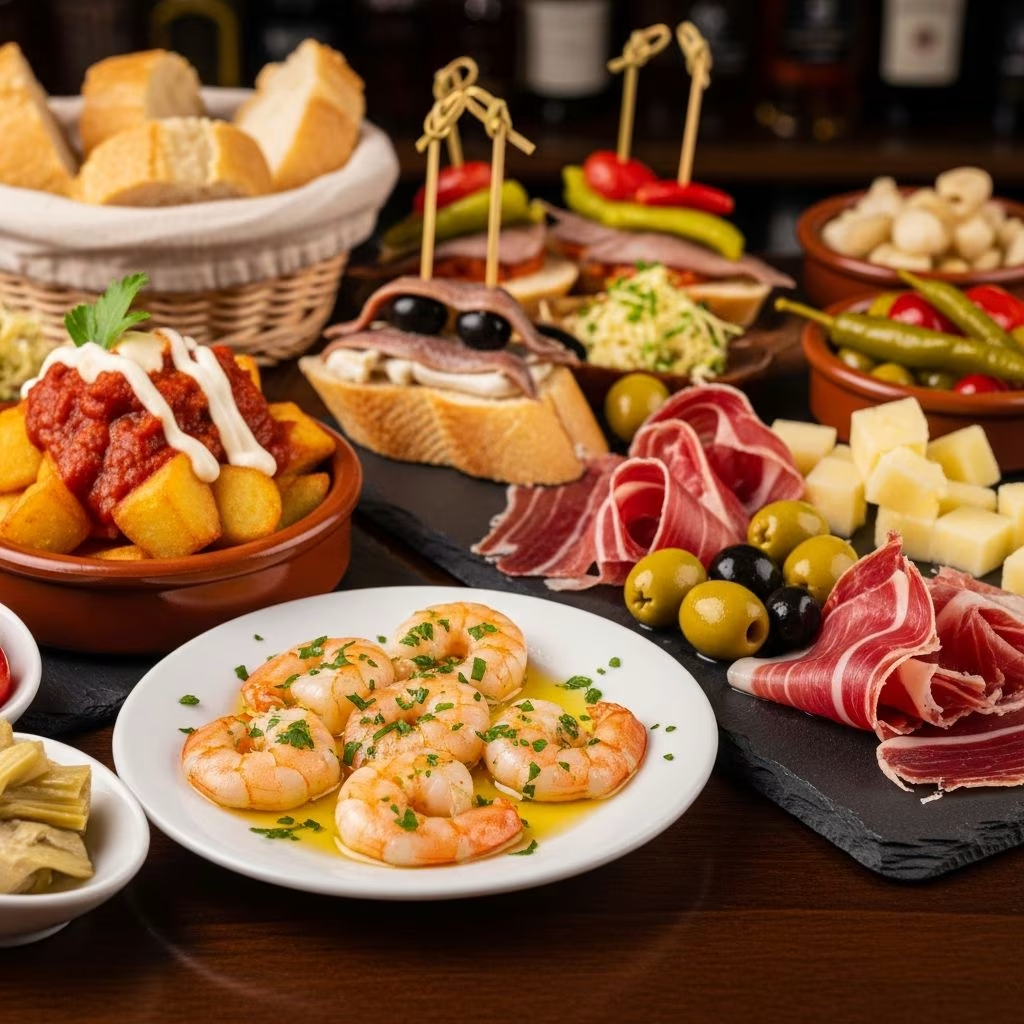
Spain’s tapas culture represents far more than a casual dining trend; it embodies centuries of social tradition, culinary innovation, and communal celebration. These intimate establishments serve as gathering places where locals and visitors alike experience authentic Spanish flavors through thoughtfully curated small plates, regional wines, and an atmosphere steeped in warmth and conviviality. Understanding where to find the most exceptional tapas venues requires exploring the distinctive characteristics that define these establishments across Spain’s major cities.
Understanding Tapas Bar Culture and Tradition
Tapas bars function as fundamental pillars of Spanish social life, serving purposes that extend beyond simple food consumption. These venues foster conversation, connection, and the celebration of regional gastronomy through portions designed for sharing and sampling. The tradition emerged from practical necessity—Spanish workers required sustenance during long workdays—but evolved into an art form that emphasizes quality ingredients, traditional preparation methods, and the seamless integration of food and community.
The distinction between various tapas establishments lies not merely in their menus but in their philosophical approach to hospitality. Some venues maintain rigid adherence to century-old recipes and cooking techniques, while others blend traditional foundations with contemporary culinary perspectives. This diversity ensures that Spain’s tapas scene accommodates varied palates and dining preferences while maintaining respect for authentic Spanish culinary heritage.
Madrid’s Iconic Tapas Venues
Madrid’s tapas landscape encompasses historic establishments that have served generations of madrileños alongside innovative venues that redefine traditional offerings. The capital’s tapas culture thrives in neighborhoods characterized by narrow cobblestone streets, vintage architecture, and establishments that have become institutions within their communities.
La Casa del Abuelo exemplifies the enduring appeal of Madrid’s most celebrated tapas destinations. Located in the heart of the city center, this establishment built its reputation on a single, meticulously perfected dish: garlic prawns that arrive sizzling on cast iron plates, their exterior caramelized and their interior tender. The simplicity of this approach—excellence through focused mastery—attracts visitors who appreciate restaurants that refuse to compromise on ingredient quality or preparation standards.
Casa Toni represents the category of neighborhood institutions that have transformed humble locations into destinations. This venue’s success stems from its commitment to straightforward preparation of traditional dishes, with chorizo selections featuring prominently among offerings that demonstrate how Spanish cooks elevate simple ingredients through technique and time-honored methods.
Casa Amadeo Los Caracoles showcases Madrid’s appreciation for unconventional ingredients prepared with precision and respect. Specializing in caracoles (snails), this fabulously old-fashioned establishment in La Latina has cultivated a devoted following among those seeking authentic experiences removed from tourist-oriented venues. Its proximity to El Rastro flea market adds contextual charm, allowing visitors to combine shopping exploration with culinary discovery.
Additional Madrid venues deserve consideration for travelers seeking diverse tapas experiences. Casa González presents opportunities to explore wine selections alongside traditional offerings, while El Lacón distinguishes itself through preparations featuring tripe and chickpeas cooked in white wine, representing the robust, sustaining dishes that characterize Madrid’s working-class culinary heritage. San Miguel Market, though technically a food hall rather than a traditional bar, consolidates multiple tapas vendors within a single historic structure, offering curated sampling opportunities and cosmopolitan environments.
Barcelona’s Modern Tapas Scene
Barcelona’s tapas establishments reflect the city’s cosmopolitan character while maintaining connections to Catalonian culinary traditions. The Gothic Quarter harbors numerous tascas—colorful tapas bars with distinctive personalities and devoted local followings. These venues often feature eclectic décor, casual atmospheres, and menus that blend traditional Spanish offerings with Catalonian specialties and contemporary innovations.
Bar Remedios exemplifies Barcelona’s contemporary tapas aesthetic, offering funky atmospheres that encourage social interaction and culinary adventure. Evening programming featuring DJs and cocktail service distinguishes these establishments from their Madrid counterparts, reflecting Barcelona’s cosmopolitan energy and younger demographic focus. The solomillo con foie—beef tenderloin paired with foie gras—represents how Barcelona’s tapas chefs incorporate luxury ingredients and refined techniques within casual dining contexts.
Barcelona’s tapas culture encompasses venues that brew their own beer, operate from standing-room-only spaces where patrons consume dishes while leaning against counters, and feature ingredient-driven menus that showcase Catalonian agricultural traditions. These characteristics collectively distinguish Barcelona’s scene from other Spanish cities, emphasizing accessibility and casual sophistication rather than formal ceremony.
Seville’s Andalucian Charm
Seville’s tapas establishments reflect Andalucian culture characterized by warmth, exuberance, and deep historical consciousness. The city’s oldest tapas venues, some operating continuously for over three centuries, serve as repositories of regional culinary knowledge and family traditions transmitted across generations.
El Rinconcillo, established in 1670 and operated by the De Rueda family since 1858, represents Seville’s commitment to preserving culinary heritage. The establishment’s antique bottle-lined cabinets, vibrantly patterned Triana tiles, and enormous hams suspended from wooden rafters create environments that transport visitors into historical consciousness. These venues function simultaneously as restaurants and museums, where architecture, décor, and menu selections collectively narrate regional history.
Seville’s Santa Cruz neighborhood, with its mazy cobblestone streets and proximity to the city’s Gothic cathedral, hosts venues that maintain tapas traditions stretching back to the nineteenth century. Las Teresas, a firm favorite since 1870, exemplifies how establishments positioned within historic neighborhoods develop deep community connections and attract visitors seeking authentic experiences rooted in specific places.
Regional Specialties Worth Seeking
Spain’s tapas culture extends beyond major metropolitan areas, with regional venues offering distinctive specialties reflecting local ingredients and culinary traditions. La Bischa in León, for instance, occupies a specific position within Spain’s tapas hierarchy, offering preparations that reflect northern Spanish sensibilities and ingredient availability. Quimet & Quiment in Barcelona represents the category of family-operated establishments that achieve legendary status through devotion to ingredient quality and innovative preparation methods.
| Establishment | City | Signature Specialty | Distinctive Feature |
|---|---|---|---|
| Casa Amadeo Los Caracoles | Madrid | Snails | La Latina neighborhood location |
| La Casa del Abuelo | Madrid | Garlic Prawns | Sizzling cast iron presentation |
| El Rinconcillo | Seville | Traditional Andalucian | Operating since 1670 |
| Bar Remedios | Barcelona | Solomillo con Foie | Evening DJ programming |
| La Bischa | León | Northern Spanish specialties | Regional ingredient focus |
Navigating Tapas Bar Etiquette and Customs
Understanding tapas bar conventions enhances dining experiences and demonstrates respect for Spanish hospitality traditions. Many establishments operate on standing-room principles, where patrons consume dishes at counters or high tables rather than seated at conventional dining furniture. This practice facilitates conversation, movement, and the social fluidity that characterizes Spanish dining culture.
Timing considerations influence tapas bar visits significantly. Arriving before midday increases seating availability at popular venues, while evening hours typically necessitate arrival well before standard dinner time. The Spanish custom of consuming tapas alongside vermouth or regional wines—rather than consuming alcohol in isolation—reflects cultural attitudes toward balanced, convivial consumption integrated within social experiences.
Practical Guidance for Tapas Exploration
- Neighborhood Navigation: Explore establishments located in historic neighborhoods such as La Latina in Madrid, Santa Cruz in Seville, and Barri Gòtic in Barcelona, where tapas culture maintains deepest roots and traditional practices persist.
- Ingredient Focus: Seek venues emphasizing seasonal, local ingredients prepared through traditional methods rather than establishments prioritizing novelty or trend-chasing.
- Timing Strategy: Visit during traditional Spanish meal hours—late morning for mid-morning sustenance or evening hours after 8 PM for dinner experiences—to encounter local patronage and authentic atmospheres.
- Wine Pairing Exploration: Engage bar staff regarding regional wine selections that complement specific dishes, fostering educational experiences around Spanish viticulture.
- Verification Through Locals: Seek recommendations from hotel concierges, local residents, and tourism information centers rather than relying exclusively on traveler reviews on popular platforms.
Contemporary Trends and Evolution
Spain’s tapas scene continues evolving while maintaining connections to traditional foundations. Contemporary establishments incorporate modern plating techniques, international influences, and innovative ingredient combinations within frameworks that respect Spanish culinary heritage. This evolution ensures that tapas culture remains dynamic and relevant to successive generations while preserving the social traditions and communal values that define the practice.
Upscale tapas establishments have emerged in major cities, featuring refined atmospheres, premium ingredients, and prix fixe menu structures that distinguish them from traditional casual venues. These establishments appeal to visitors seeking elevated dining experiences while maintaining tapas’ essential character—emphasis on quality ingredients, shared plates, and social connection.
FAQ Section
What distinguishes tapas from other Spanish dining formats?
Tapas emphasize small portions designed for sharing, informal dining atmospheres, and social interaction integrated within eating experiences. This contrasts with formal restaurant dining emphasizing individual courses, seated service, and structured meal progressions.
Should visitors expect English language menus at Spanish tapas bars?
Establishments in major tourist areas often provide English menus or staff capable of communicating in English. However, traditional neighborhood venues may feature Spanish-only menus, creating opportunities for culinary adventure and cultural immersion.
What budget expectations should visitors maintain for tapas dining?
Tapas bars accommodate various budget levels, with traditional venues offering exceptional value and upscale establishments commanding premium pricing. Most traditional bars operate in moderate price ranges, allowing budget-conscious travelers and luxury seekers to find appropriate venues.
Are reservations necessary for tapas bar visits?
Traditional standing-room venues typically do not accept reservations, operating on first-come-first-served bases. Upscale tapas establishments and dinner-hour visits benefit from advance reservations to ensure seating availability.
How should visitors order at tapas bars unfamiliar with their systems?
Observing other patrons provides guidance regarding ordering procedures. Many venues feature displayed dishes allowing visual selection, while others maintain written menus. Bar staff generally accommodate communication challenges through patience and collaborative problem-solving.
References
- 19 of Spain’s Most Authentic and Delicious Tapas Bars — Lonely Planet. 2024. https://www.lonelyplanet.com/articles/best-tapas-bars-in-spain
- Spain’s Tasty Tapas — Rick Steves Europe. 2023. https://www.ricksteves.com/watch-read-listen/read/articles/eating-tapas-in-spain
- 14 Delicious Tapas Bars in Madrid You Can’t Miss — Traveling Tessie. 2024. https://www.travelingtessie.com/allposts/best-tapas-bars-madrid
- 5 Best Tapas Bars in Seville You Should Visit Right Now — Spain Revealed. 2024. https://www.spainrevealed.com/blog/best-tapas-bars-seville
- 35+ Best Tapas Bars in Barcelona (2026 Local Guide) — Barcelona Food Experience. 2026. https://www.barcelonafoodexperience.com/blog/best-tapas
- A Guide to Tapas Culture in Spain — Very Nice Travels. 2024. https://verynicetravels.com/spain/2019/11/18/a-guide-to-tapas-culture-in-spain
On This Page
Understanding Tapas Bar Culture and Tradition Madrid's Iconic Tapas Venues Barcelona's Modern Tapas Scene Seville's Andalucian Charm Regional Specialties Worth Seeking Navigating Tapas Bar Etiquette and Customs Practical Guidance for Tapas Exploration Contemporary Trends and Evolution FAQ Section← Previous
Jaisalmer vs Udaipur: Which Rajasthan City Should You Visit?
Next →
Best Hawaiian Islands to Visit: Oahu, Maui, Kauai & More
Related Reading
More in Food & Culture
Food & Culture Food & Culture
 Food & Culture
Best Places to Eat in Rome: Neighborhood Dining Guide
 Food & Culture
 Food & Culture