

 Travel Essentials
 Travel Essentials

Explore Kyoto's premier temples including Kinkaku-ji, Kiyomizu-dera, and Fushimi Inari, with tips on history, best times to visit, and hidden gems.
 Travel Essentials
Kyoto stands as a living testament to Japan’s spiritual heritage, home to over 1,600 Buddhist temples that blend architecture, nature, and philosophy. These sacred spaces offer tranquil escapes from modern life, showcasing Zen gardens, golden pavilions, and mountain vistas. This guide highlights the most captivating temples, drawing from their historical significance and unique features to help you plan an enriching visit.
The **Kinkaku-ji Temple**, known as the Golden Pavilion, captivates with its top two floors covered in shimmering gold leaf, reflecting beautifully in a serene pond surrounded by manicured pines. Built in the 14th century and rebuilt after a fire, this UNESCO World Heritage site embodies Muromachi-period elegance, combining palace, samurai residence, and Zen styles across its levels. Visit early morning to avoid crowds and witness the structure’s glow under soft light.
Nearby, **Ginkaku-ji**, or the Silver Pavilion, contrasts with its modest elegance. Though never silvered, its simple wooden form set against a hillside garden evokes profound Zen minimalism. The site’s sand cone, mimicking Mount Fuji, and mossy paths invite contemplative strolls, especially during autumn when maples ignite the landscape.
**Fushimi Inari Taisha**, though technically a shrine, integrates seamlessly into temple itineraries with its thousands of vermilion torii gates forming forested paths up Mount Inari. Dedicated to the rice god, this 1,300-year-old site buzzes with energy yet offers peaceful hikes to quieter upper trails. Early dawn visits reveal fox statues and prayer slips fluttering in the breeze, free from tourist throngs.
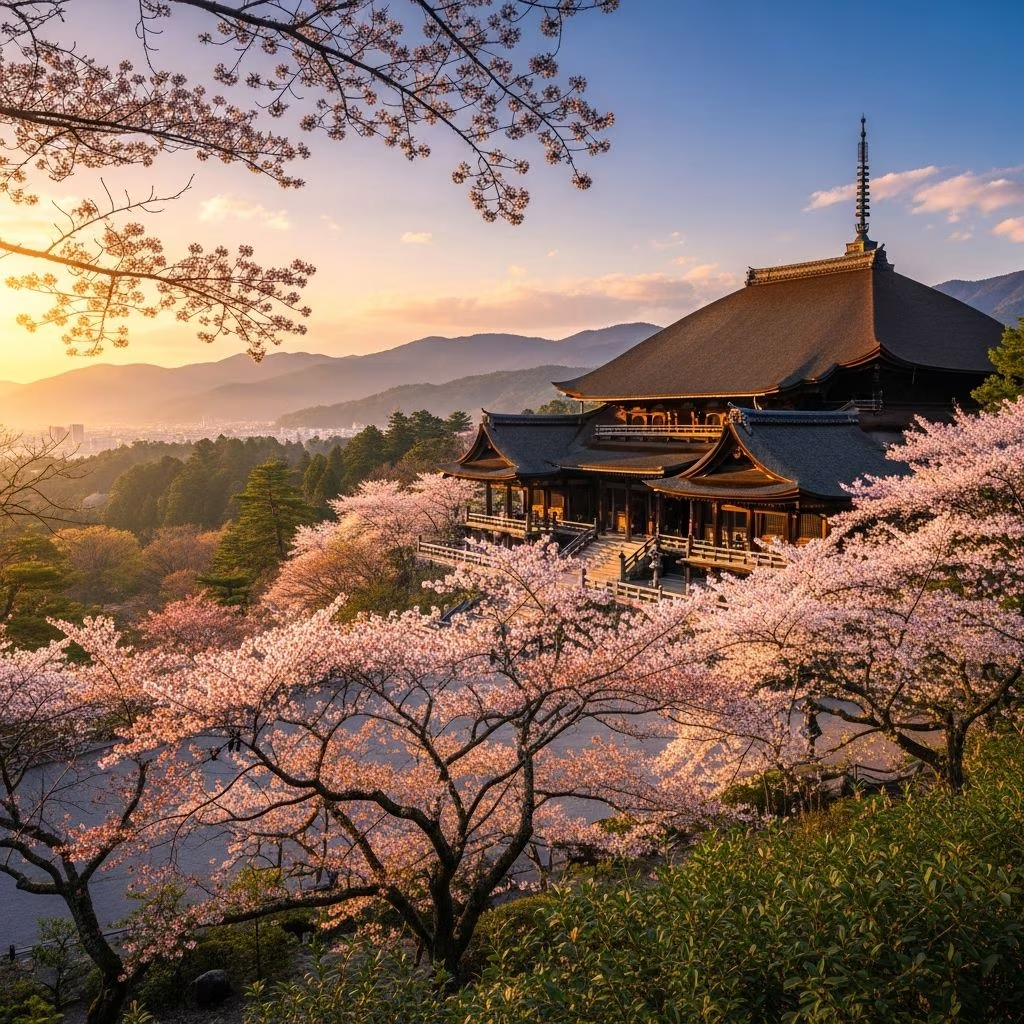
**Kiyomizu-dera Temple** perches dramatically on Mount Otowa’s edge, its wooden stage jutting 13 meters over a ravine for sweeping city views. Dating back 1,200 years, it honors Kannon, the goddess of mercy. Spring cherry blossoms and fall maples frame the panorama, while the temple’s Otowa waterfall lets visitors sip sacred waters for health, love, or success.
For garden enthusiasts, **Ryoan-ji Temple** boasts Japan’s most famous dry landscape garden: 15 rocks amid white gravel waves, designed to provoke koan-like contemplation. Only 14 rocks are visible at once, symbolizing enlightenment’s elusiveness. Pair it with nearby **Tenryu-ji Temple**, where expansive ponds, borrowed scenery from Arashiyama’s bamboo grove, and seasonal blooms create a UNESCO-listed paradise.
**Tofuku-ji Temple** impresses with its 25 subtemples and a rock garden masterpiece by Shigemori Mirei, using bold boulders to evoke cosmic forces. Founded in 1236 as a Rinzai Zen headquarters, its hojo hall overlooks valleys ablaze in November foliage. **Nanzen-ji Temple**, in northern Higashiyama, sprawls across hills with massive Sanmon gates and aqueducts blending nature and engineering.
The Higashiyama district clusters gems like **Kodai-ji Temple**, with bamboo-lined paths, a Zen pond garden, and teahouse lit by stone lanterns at dusk. Built in 1606 by a shogun’s widow, it fuses tea ceremony aesthetics with mourning rituals.
**Kennin-ji Temple**, Kyoto’s oldest Zen temple, hides in Gion’s shadows with twin dragon ceiling paintings and a pristine dry garden. Founded in 1202, it offers zazen meditation sessions amid urban calm.
**Chion-in Temple**, Jodo sect headquarters, thunders with the largest wooden gate in Japan and a massive bell rung New Year’s Eve. Its expansive grounds include sliding doors painted by masters, evoking Heian-era grandeur.
**Enko-ji Temple**, once a samurai school, unfolds tiered gardens ideal for fall colors, with ponds mirroring fiery maples. Tokugawa Ieyasu founded it in 1601, blending martial history with Zen repose.
**Taizo-in Subtemple** at Myoshin-ji complex features Mirei’s modern rock garden, waves of gravel crashing against rugged stones, symbolizing life’s impermanence. This quieter corner rewards those seeking introspection.
Kyoto’s temples span districts: northwest for Kinkaku-ji and Ryoan-ji, east for Higashiyama clusters, south for Fushimi Inari. Use efficient buses or the JR line; a 2-day pass covers most. Peak seasons—cherry blossom (late March-April) and koyo (mid-November)—demand early arrivals (8-9 AM). Many close by 5 PM; entry fees range 300-800 yen.
| Temple | District | Best Season | Key Feature |
|---|---|---|---|
| Kinkaku-ji | Northwest | Spring | Gold leaf pavilion |
| Kiyomizu-dera | Higashiyama | Fall | Wooden stage views |
| Fushimi Inari | South | Any | Torii gate trails |
| Ryoan-ji | West | Summer | Dry rock garden |
| Ginkaku-ji | North Higashiyama | Fall | Silver pavilion gardens |
Spring sakura frames Kinkaku-ji’s pond; summer greenery suits Ryoan-ji’s austerity; fall koyo transforms Tofuku-ji and Enko-ji; winter snow dusts Ginkaku-ji’s sand garden. Illuminations at Kiyomizu-dera and Kodai-ji extend magic into nights.
Kiyomizu-dera offers iconic panoramas from its stage, rivaled by Tofuku-ji’s valley overlooks.
Most charge 400-600 yen; outer grounds are often free.
Weekdays before 9 AM or after 4 PM; skip weekends.
Yes, Kennin-ji and Nanzen-ji host English zazen sessions.
3-4 if clustered, like Higashiyama’s Kodai-ji, Kiyomizu-dera, Kennin-ji.
These temples preserve sects like Rinzai and Jodo, influencing global Zen. Kinkaku-ji inspired literature; Ryoan-ji’s garden baffles scholars. Visiting fosters mindfulness, connecting past to present amid Kyoto’s 2,000+ sacred sites.
Extend to subtemples like Entoku-in for tea amid blooms or Honen-in’s mossy moss. Sustainable travel: support by buying omamori charms, avoiding single-use plastics.
