

 Travel Essentials
 Travel Essentials

Explore Japan's most revered temples, shrines, and gardens. Experience spiritual traditions, architectural wonders, and meditative landscapes across Kyoto, Tokyo, and beyond.
 Travel Essentials
Japan’s spiritual landscape is woven through centuries of Buddhist and Shinto traditions, creating destinations that blend architectural brilliance with natural beauty. Visitors to Japan can immerse themselves in profound cultural experiences by exploring the country’s remarkable collection of sacred sites and carefully cultivated gardens. These locations offer more than aesthetic pleasure—they provide gateways into Japan’s philosophical traditions and artistic heritage.
The distinction between temples and shrines forms a fundamental aspect of Japanese spiritual geography. Temples, identified by the suffix “ji,” serve as Buddhist places of worship and meditation, while shrines, marked by “jinja,” honor Shinto deities and serve as focal points for traditional Japanese spirituality. Both play essential roles in Japan’s religious and cultural identity, attracting millions of visitors annually.
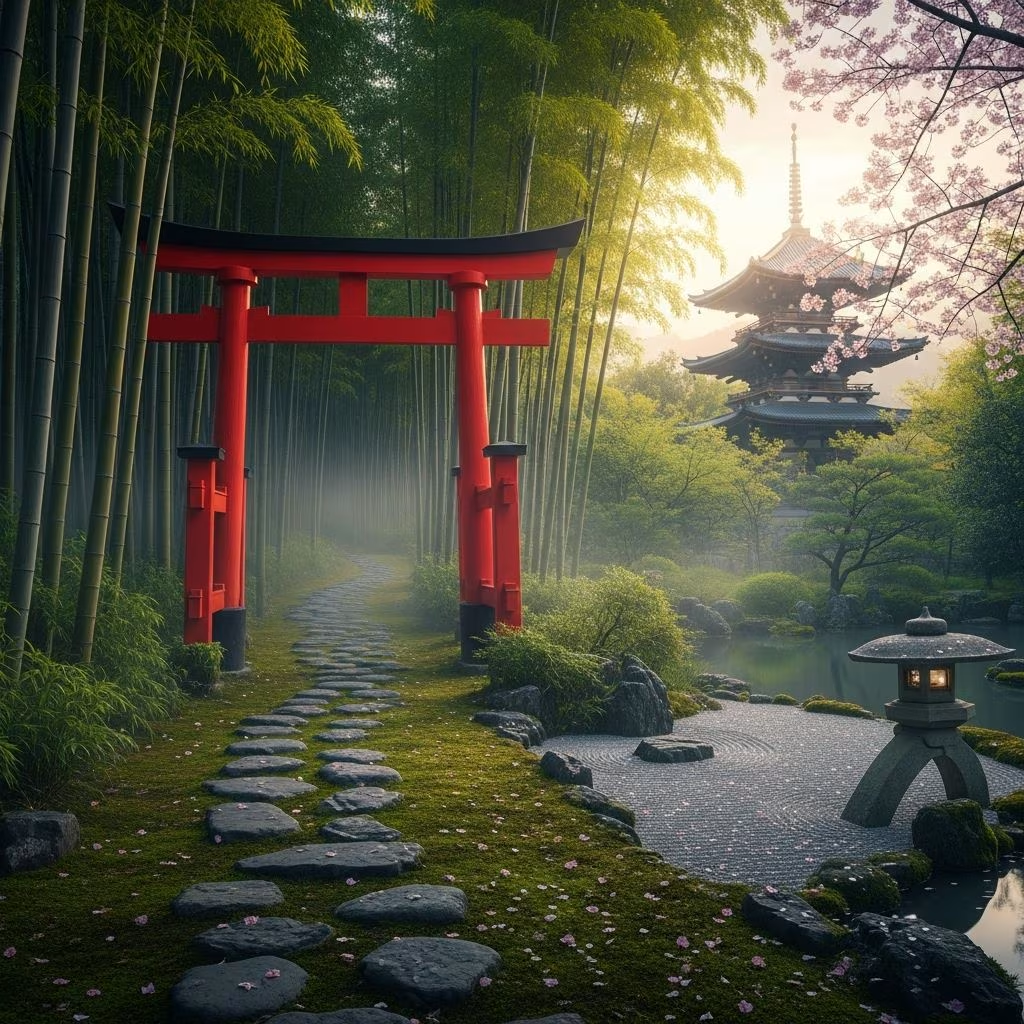
Japanese gardens represent a sophisticated philosophical approach to landscape design. Rather than simply displaying nature, these gardens embody principles of balance, simplicity, and contemplation. The integration of water features, carefully selected stone arrangements, and meticulously pruned vegetation creates spaces designed for meditation and spiritual reflection.
Kyoto stands as Japan’s premier destination for experiencing temples, shrines, and gardens. The city’s thousands of religious sites reflect its role as Japan’s ancient capital and spiritual center. Visitors can navigate through distinct neighborhoods, each offering unique cultural experiences.
Kinkaku-ji represents one of Kyoto’s most recognizable landmarks, constructed during the Muromachi period by Shogun Ashikaga Yoshimitsu. The temple’s distinctive gilded exterior creates a striking visual impression, particularly when reflected in surrounding water. The temple complex includes carefully designed garden spaces that enhance the meditative atmosphere.
Tenryu-ji holds status as Arashiyama’s most significant temple and carries UNESCO World Heritage Site designation. The temple’s primary appeal lies in its gardens, which feature a contemplative pond and Zen garden with an overlook platform designed for quiet reflection. Autumn visitors particularly appreciate the vibrant foliage that transforms the landscape.
Jojakko-ji offers a quieter alternative to Kyoto’s crowded tourist destinations. Located near Tenryu-ji, this temple features extensive hillside gardens incorporating diverse elements: a large cherry tree, moss-covered roots, bamboo clusters, a thatched-roof gate, and a pagoda. The hilltop location provides expansive views across Kyoto.
Saihoji presents a garden experience centered on vibrant moss and strategic rock placement. The temple’s gardens, particularly stunning when contrasted with red maple leaves during autumn, showcase moss that reaches peak greenness following early summer rainfall. Visitors should note that entrance costs 4,000 yen (approximately $28) and advance booking through the Saihoji website is essential. The temple sits south of Arashiyama, accessible by bus or taxi within fifteen minutes.
While Kyoto dominates temple tourism, Tokyo offers significant spiritual destinations reflecting the nation’s contemporary spiritual landscape. The capital provides experiences balancing historic religious sites with modern urban environments.
Meiji Jingu stands as Tokyo’s grandest Shinto shrine and ranks among Japan’s most important shrines. The shrine’s defining characteristics include a tranquil forested setting, spacious grounds, and natural, unadorned aesthetic design. The serene environment creates a meditative atmosphere despite the shrine’s location within a major metropolitan area. Any comprehensive Tokyo itinerary should include a visit to this significant spiritual landmark.
Tokyo’s Imperial Palace gardens represent another essential destination for garden enthusiasts. These carefully maintained spaces showcase classical Japanese garden design principles, offering visitors insight into aesthetic traditions that have evolved across centuries.
Japan’s spiritual heritage extends well beyond major tourist centers. Several notable sites offer profound experiences with fewer crowds and more intimate cultural encounters.
Nachi Taisha functions as one of three ancient shrines comprising the Kumano Sanzan complex, serving as a significant waypoint on the Kumano Kodo pilgrimage route. The shrine’s prominent historical status, extensive heritage, and picturesque mountain location establish it as a premier Japanese shrine destination. Pilgrims and visitors can experience spiritual practices that date back centuries.
The Tōdai-ji Temple in Nara holds distinction as one of Japan’s most historically significant temples. The temple’s architectural grandeur and cultural importance make it an essential destination for those seeking to understand Buddhist traditions in Japan.
Japanese garden design encompasses distinct styles and philosophical approaches, each creating unique visitor experiences. Understanding these variations enhances appreciation for the landscapes encountered during travels.
Zen gardens employ minimalist design principles, utilizing carefully arranged stones, raked gravel, and sparse vegetation to encourage meditative states. These gardens often require no water features, instead relying on symbolic representations of natural elements.
Stroll gardens invite visitors to meander through carefully orchestrated landscapes, discovering new perspectives at each turn. These gardens celebrate seasonal changes, with spring cherry blossoms, summer greenery, autumn colors, and winter snows each creating distinct atmospheric qualities.
Water features play crucial roles in Japanese garden design, reflecting sky, trees, and structures to create enhanced aesthetic experiences. Ponds and streams provide both visual interest and symbolic connections to natural water cycles.
| Season | Notable Features | Best Locations |
|---|---|---|
| Spring (March-May) | Cherry blossoms, new foliage, mild weather | Osaka Castle Park, Arashiyama temples |
| Summer (June-August) | Lush greenery, moss at peak color, warm temperatures | Saihoji, mountain shrines |
| Autumn (September-November) | Vibrant maples, clear skies, comfortable temperatures | Tenryu-ji, Jojakko-ji, throughout Kyoto |
| Winter (December-February) | Snow landscapes, bare branches, minimal crowds | Mountain temples, northern Kyoto |
Visiting temples and shrines requires understanding cultural protocols that demonstrate respect for sacred spaces. Removing shoes when entering buildings, maintaining quiet voices in meditation areas, and following posted guidelines preserve these environments for spiritual practitioners and future visitors.
Photography restrictions vary by location. Some temples prohibit photography in certain areas to maintain meditative atmospheres, while others welcome documentation. Always inquire before photographing and respect any restrictions posted.
Visitors seeking immersive cultural experiences can arrange overnight stays at select temples. These experiences often include meditation sessions, vegetarian meals prepared by Buddhist monks, and guided tours of temple grounds. Such programs provide profound insights into monastic traditions and spiritual practices.
Established pilgrimage routes like the Kumano Kodo connect multiple shrines across mountainous terrain, combining physical journey with spiritual exploration. These multi-day treks attract visitors seeking meaningful connections to Japan’s religious heritage.
Ginkaku-ji and associated sites along Kyoto’s philosopher’s walk provide additional opportunities for temple and garden exploration. The Philosopher’s Walk itself creates a contemplative route connecting multiple spiritual sites through scenic urban pathways.
Osaka Castle, while primarily recognized as a historical fortification, includes the Nishinomaru garden featuring approximately 600 cherry trees. This garden transforms into a spectacular landscape during cherry blossom season from late March through mid-April, combining historical and horticultural attractions.
Most temples require thirty minutes to two hours depending on size and garden complexity. Plan additional time for museums or special exhibitions. Kyoto temples warrant three to five full days for meaningful exploration.
Entry fees typically range from 500 to 1,500 yen per location, with notable exceptions like Saihoji at 4,000 yen. Many shrines offer free entry. Consider purchasing day passes in tourist-heavy areas.
Autumn and spring offer peak aesthetic experiences, though each season provides distinct qualities. Early summer rainfall produces ideal moss coloring at moss-focused gardens. Winter offers reduced crowds and unique snow-landscape experiences.
Popular sites like Saihoji require advance booking through official websites. Most other temples accept walk-in visitors, though peak season visits benefit from reservation planning.
Yes, buses and taxis provide convenient connections between major temples. Arashiyama temples connect via fifteen-minute taxi or bus rides. Kyoto’s extensive public transit system facilitates efficient site-hopping.
