

 Travel Essentials
 Travel Essentials

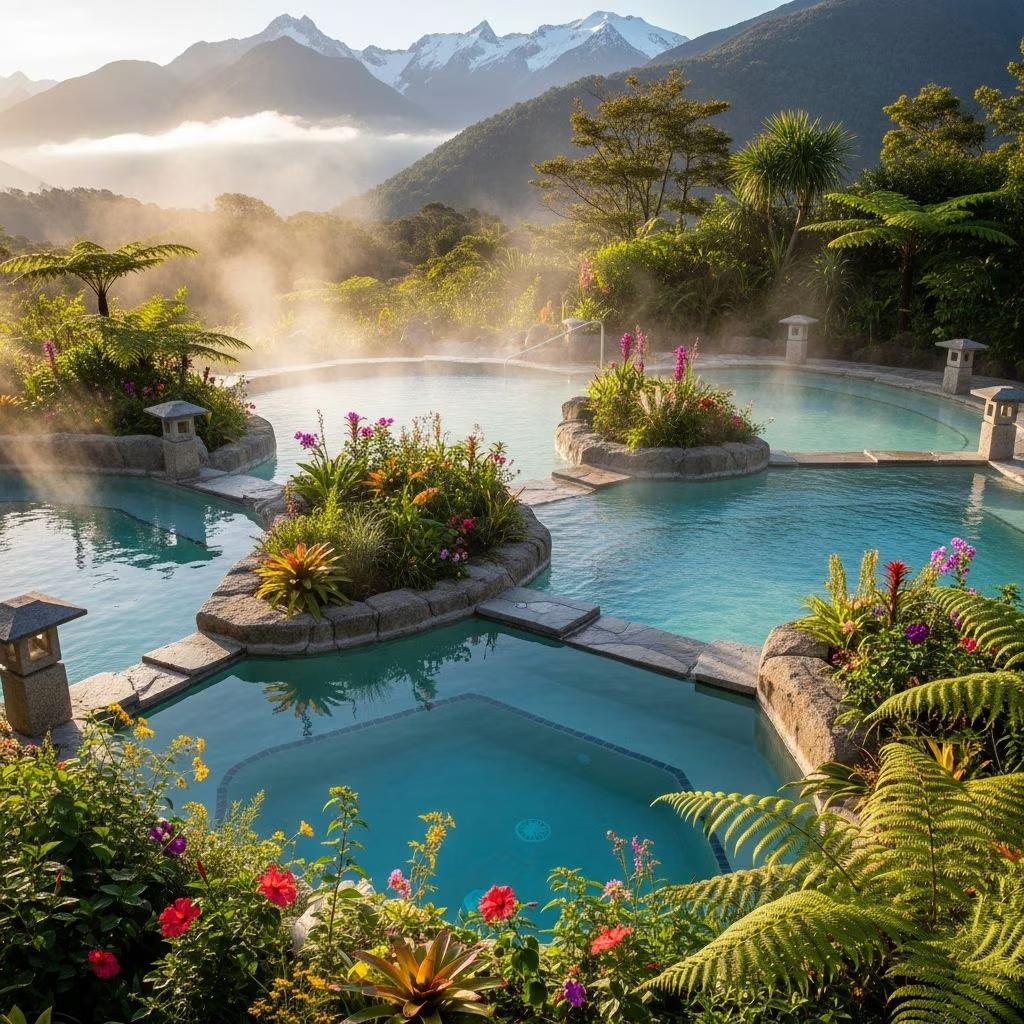
Explore premier thermal spring destinations across continents, from volcanic Iceland to serene Japanese onsens, combining natural healing with luxury hospitality.
 Travel Essentials
Across the planet, natural thermal springs have captivated travelers for centuries, offering both therapeutic benefits and extraordinary natural beauty. These geothermal wonders emerge from the Earth’s internal heat, creating warm mineral-rich pools that attract millions of visitors annually. From the dramatic landscapes of the North Atlantic to the serene mountain valleys of East Asia, thermal spring destinations represent some of the most sought-after locations for those seeking rejuvenation and exploration.
Thermal springs exist where the Earth’s crust allows heated groundwater to rise to the surface. This geological occurrence concentrates minerals dissolved from surrounding rock layers, creating waters with distinctive properties. The temperature, mineral composition, and accessibility of these springs vary dramatically by location, influencing both their natural characteristics and tourist appeal.
Beyond their aesthetic qualities, thermal waters attract visitors for perceived wellness benefits. Many cultures have developed spa traditions around these natural resources, blending ancient practices with modern amenities. Today’s thermal destinations often combine rustic natural settings with contemporary hospitality infrastructure, creating experiences that appeal to diverse traveler preferences.
Iceland sits atop one of Earth’s most geothermally active regions, producing multiple world-class thermal destinations. The country’s volcanic landscape generates abundant hot springs, with several ranking among global favorites.
Beyond Iceland, northern regions harbor remarkable thermal springs that contrast dramatically with their surrounding climates.
Banff Upper Hot Springs in Canada maintains a comfortable temperature despite the surrounding Canadian Rocky Mountains’ cold climate. This thermal attraction has served visitors for over a century, providing warmth and relaxation in a spectacular mountain setting.
Chena Hot Springs near Fairbanks, Alaska offers thermal bathing experiences in one of North America’s coldest inhabited regions. The contrast between natural hot water and Arctic air creates distinctive seasonal experiences, particularly during winter when visitors can enjoy steam rising into frigid temperatures.
Uunartoq Hot Springs in Greenland represents one of the world’s most remote thermal destinations. Accessible primarily during summer months, these springs attract adventurous travelers willing to journey to extreme latitudes for geothermal experiences.
Japan has cultivated thermal spring culture for millennia, developing sophisticated traditions around bathing in geothermal waters. Japanese onsens represent more than recreational facilities; they embody cultural philosophy emphasizing harmony, cleanliness, and natural elements.
Hells of Beppu comprise a collection of colorful hot springs in southwestern Japan, each with distinct characteristics influenced by local minerals. These thermal formations create dramatic landscapes of blues, reds, and yellows while maintaining temperatures too extreme for comfortable bathing.
Owakudani Valley offers another Japanese thermal experience where volcanic activity creates visible steam vents and hot mineral pools. The location’s proximity to Mount Fuji adds cultural and geographical significance to the thermal experience.
Hell’s Gate in New Zealand features geothermal activity that creates dramatic natural spectacles. Visitors can experience thermal waters and geysers in a landscape shaped by ongoing geological processes.
Frying Pan Lake in New Zealand holds distinction as the world’s largest hot spring. Despite water temperatures reaching dangerous levels, the thermal formation’s sheer scale and geological significance attract visitors interested in Earth’s dynamic thermal systems.
Nea Kameni in Santorini combines volcanic geology with thermal bathing. This island destination offers visitors the unique opportunity to explore volcanic formations while bathing in naturally heated mineral waters shaped by Mediterranean geography.
Parque Terra Nostra in the Azores showcases thermal resources on Portugal’s Atlantic islands. This botanical park incorporates thermal springs into landscaped gardens, creating an integrated experience combining natural history with geothermal attractions.
Contemporary thermal destinations increasingly emphasize luxury hospitality alongside natural features. Premium resorts integrate thermal waters with spa facilities, fine dining, and accommodation amenities.
The Retreat at Blue Lagoon represents high-end thermal resort development, combining Iceland’s iconic blue waters with exclusive facilities. Such destinations cater to travelers seeking transformative wellness experiences with sophisticated amenities.
Gōra Kadan in Japan exemplifies traditional Japanese hospitality merged with thermal spring access. These establishments maintain cultural authenticity while offering contemporary comfort standards.
Ojo Caliente Mineral Springs Resort & Spa provides North American visitors with wellness-focused thermal experiences combining multiple spring waters with holistic spa treatments.
HOSHINOYA Guguan in Taiwan innovatively integrates thermal springs with forest environments and wildlife encounters. Such destinations expand thermal experiences beyond bathing to encompass broader natural experiences.
| Destination | Primary Characteristic | Best Season | Accessibility Level |
|---|---|---|---|
| Blue Lagoon, Iceland | Mineral-rich milky waters | Year-round | High |
| Beppu, Japan | Colorful mineral formations | Spring/Fall | High |
| Nea Kameni, Santorini | Volcanic island setting | Summer | Moderate |
| Hell’s Gate, New Zealand | Active geysers | Year-round | High |
| Banff, Canada | Mountain backdrop | Summer/Fall | High |
| Greenland Springs | Arctic location | Summer only | Low |
Thermal destinations experience varying seasonal patterns. Northern hemisphere springs offer dramatic seasonal contrasts, with winter visits providing unique experiences of steam rising into cold air. Conversely, Mediterranean destinations appeal across broader seasons. Tropical and subtropical locations maintain consistent conditions year-round.
Global thermal destinations continue evolving as destinations balance preservation of natural features with infrastructure development. Sustainability considerations increasingly influence resort development, with many facilities implementing conservation practices to protect geothermal resources.
Emerging destinations expand thermal tourism opportunities beyond traditional locations. Climate-informed travel planning influences visitor patterns, with some seeking northern hemisphere experiences before environmental changes potentially alter their characteristics.
The convergence of wellness tourism, adventure travel, and nature-based experiences positions thermal springs prominently in global travel trends. From remote Arctic pools to sophisticated Mediterranean resorts, thermal waters continue attracting diverse travelers seeking natural rejuvenation and geographic exploration.
