

 Travel Essentials
 Travel Essentials

Comprehensive guide to Grand Canyon activities including hiking trails, viewpoints, mule rides, and water adventures for all experience levels.
 Travel Essentials
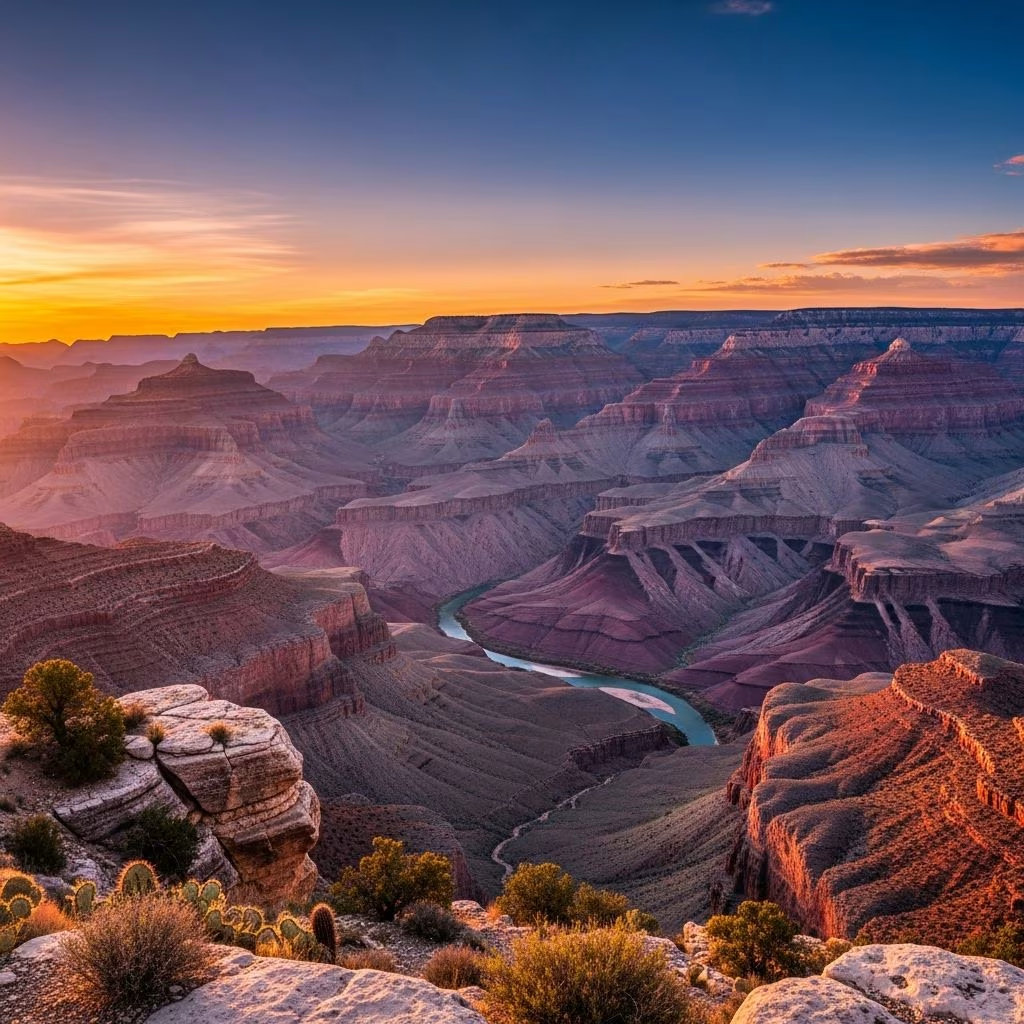
Grand Canyon National Park stands as one of North America’s most spectacular natural destinations, attracting millions of visitors annually who seek to experience its breathtaking landscapes and geological wonders. Spanning 1.2 million acres across Arizona’s high plateaus and desert terrain, the park offers an astonishing diversity of activities tailored to different interests and fitness levels. Whether you’re an experienced mountaineer seeking multi-day backcountry expeditions or a casual traveler preferring leisurely rim-side strolls, the Grand Canyon accommodates virtually every outdoor preference. This comprehensive guide explores the most rewarding ways to experience this iconic landscape.
The Grand Canyon’s vastness can feel overwhelming to first-time visitors. The park comprises multiple distinct regions, with the South Rim serving as the most accessible and popular destination. This area features well-developed visitor infrastructure, numerous lodging options, and the highest concentration of scenic overlooks. The South Rim remains open year-round, making it an ideal destination regardless of travel season. Visitors typically begin their canyon experience at the Grand Canyon Visitor Center, located at Mather Point, which provides orientation films and educational resources about the park’s natural and cultural heritage.
Viewing the Grand Canyon from strategic vantage points provides visitors with dramatically different perspectives on the landscape’s scale and geological composition. Several overlooks offer particularly rewarding viewing experiences:
The Hermit Road scenic corridor extends seven miles along the rim, connecting nine exceptional overlooks that collectively showcase the canyon’s diverse geological formations and lighting conditions throughout the day. Visitors can traverse sections of this route on foot or by vehicle, depending on accessibility preferences and available time.
Understanding the Grand Canyon’s geological significance enhances appreciation for its visual splendor. The Trail of Time educational pathway spans 1.2 miles between the Yavapai Museum of Geology and Verkamps Visitor Center, featuring interpretive displays that explain the canyon’s rock layers and formation processes. This walking route combines light physical activity with comprehensive geological instruction, making it accessible to visitors of varying mobility levels. The Yavapai Geology Museum itself provides detailed exhibits explaining the canyon’s 1.8-billion-year geological history, with particular emphasis on the visible stratigraphic sequences visible from rim viewpoints.
The Grand Canyon offers hiking opportunities ranging from gentle rim-side walks to strenuous multi-day backpacking expeditions. For visitors seeking minimal physical exertion, the Canyon Rim Trail provides mostly level walking with well-defined pathways and multiple entry points throughout the park. This trail connects numerous scenic viewpoints and passes through varied ecosystems as it circumnavigates the canyon’s upper reaches.
More ambitious hikers can undertake day hikes descending into the canyon itself. The Bright Angel Trail represents the most popular descent route, featuring established switchbacks, seasonal water sources, and maintained camping facilities for multi-day adventures. The South Kaibab Trail offers an alternative descending route with steeper grades and more exposed sections, appealing to hikers seeking greater challenge and solitude. For the exceptionally experienced, the Rim-to-Rim-to-Rim traverse covers 43 miles with over 11,000 feet of cumulative elevation change, typically requiring two to three days of hiking with overnight rest stops at Phantom Ranch or designated campgrounds.
Backcountry hiking below the rim requires advance permit acquisition through the park’s official permit system. These permits ensure trail sustainability and visitor safety by managing daily use levels across the canyon’s extensive trail network.
Beyond walking and hiking, several distinctive transportation options provide different perspectives on the canyon landscape:
Mule-supported travel combines transportation convenience with canyon immersion. The three-hour Canyon Vistas Rim Ride traverses the canyon rim while maintaining full elevation, ideal for visitors preferring minimal descent. The seven-hour Havasupai Gardens excursion descends the Bright Angel Trail to Havasupai Gardens, providing intermediate challenge with guaranteed water access and notable botanical attractions. For ultimate adventure seekers, overnight mule rides descend to Phantom Ranch at the canyon bottom, returning via the Bright Angel Trail over a two-day cycle. These expeditions require advance booking due to consistent high demand.
The park’s rim road system accommodates cycling activities, with specific sections offering particularly scenic riding experiences. Cyclists can traverse portions of Hermit Road and access designated cycling trails throughout the South Rim area. This low-impact transportation method allows visitors to cover greater distances than walking while maintaining closer contact with the landscape than motorized travel.
Rafting expeditions along the Colorado River represent the canyon’s most immersive multi-day experience. Commercial guided rafting trips extend up to 280 miles downstream, providing intimate encounters with the canyon’s lower reaches, hidden waterfalls, and geological features inaccessible from rim-based activities. These expeditions range from three-day trips through the river’s most dramatic sections to comprehensive two-week journeys traversing the entire canyon.
The Grand Canyon Conservancy operates the Field Institute, offering professionally-guided educational adventures designed in partnership with park management. These programs combine outdoor exploration with expert interpretation, covering topics including geology, natural history, wildlife ecology, and indigenous cultural perspectives. Participants benefit from instructors’ specialized knowledge while experiencing the park within structured, safety-focused group environments.
The park’s visitor theater presents orientation films including “We Are Grand Canyon,” featuring perspectives from the canyon’s 11 indigenous tribal communities and sharing their millennia-long relationship with this sacred landscape. A separate film, “Grand Canyon: A Journey of Wonder,” provides comprehensive orientation covering the canyon’s rim-to-river geography and dawn-to-dusk atmospheric transformations.
The park accommodates visiting families through specialized programming designed for younger audiences. The Junior Ranger program engages children with age-appropriate activities and educational materials throughout the park. Additionally, fourth-grade students and their families access participating national parks free of charge through the Every Kid Outdoors Program during the school year. Youth group field trips benefit from pre-visit video preparation and self-guided activities facilitating learning throughout the experience.
| Season | Best For | Considerations |
|---|---|---|
| Spring (March-May) | Hiking, photography, comfortable rim walking | Moderate crowds, pleasant temperatures, variable weather |
| Summer (June-August) | Rim activities, family visits, educational programs | Peak crowds, extreme heat in canyon depths, afternoon thunderstorms |
| Fall (September-November) | Hiking, mule rides, sunrise/sunset photography | Decreased crowds, ideal temperatures, clear skies |
| Winter (December-February) | Solitude, snow-enhanced scenery, calm conditions | Occasional closures, snow on trails, shortest daylight hours |
The Grand Canyon accommodates diverse travel styles, physical capabilities, and time constraints through its extensive portfolio of activities and services. From casual visitors content with driving scenic routes and photograph-worthy overlook visits to serious adventurers undertaking multiday expeditions into remote backcountry, the park delivers transformative natural experiences. Success in canyon travel depends on realistic planning, appropriate preparation, and matching chosen activities to personal capabilities and interests. Whether your visit spans a single afternoon or extended weeks, the Grand Canyon’s geological grandeur and recreational opportunities ensure memorable experiences that justify its designation as one of the world’s most remarkable natural wonders.
