


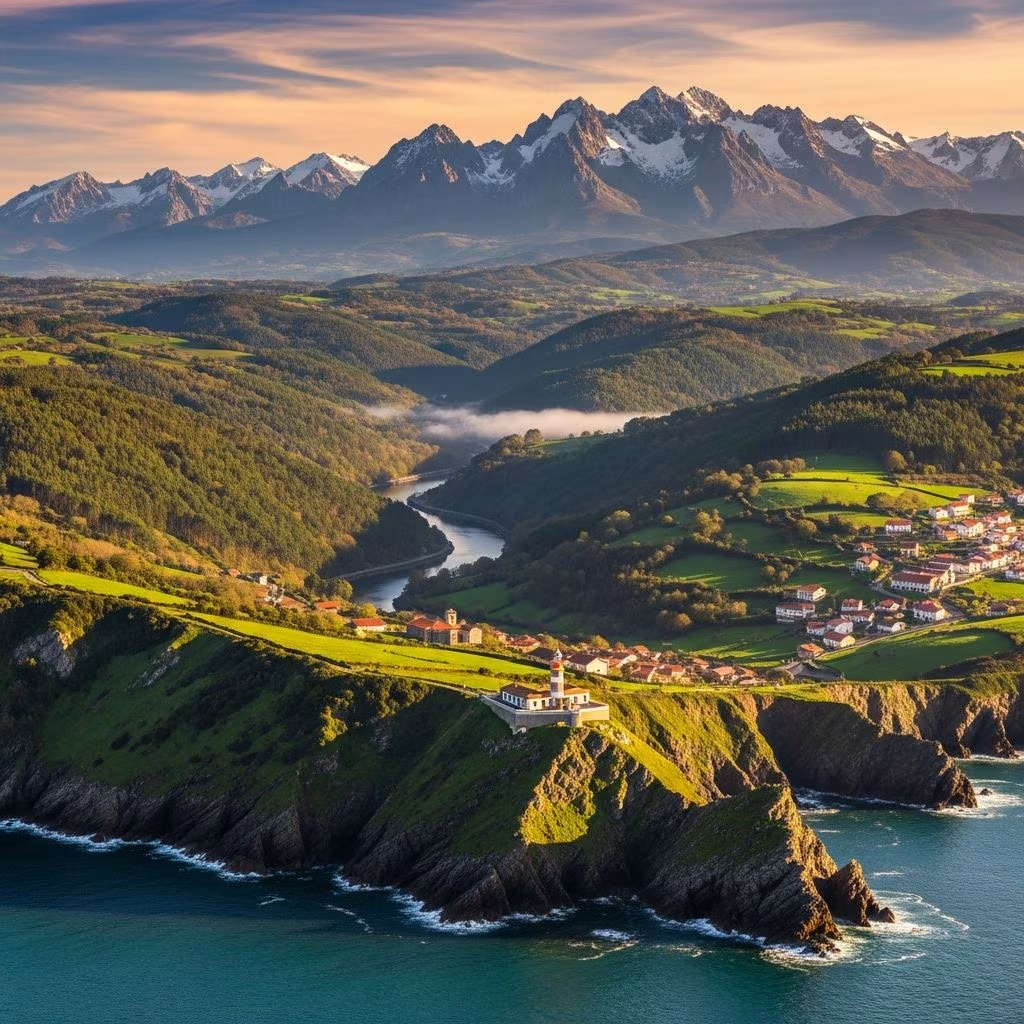
Nestled in the northwestern corner of Spain, Asturias represents a captivating blend of pristine natural landscapes, rich cultural heritage, and vibrant local traditions. This autonomous community offers visitors an extraordinary range of experiences that extend far beyond typical beach holidays or city tourism. Whether you seek adrenaline-pumping outdoor adventures, peaceful contemplation in natural settings, or immersion in centuries-old traditions, Asturias delivers memorable encounters at every turn.
The region’s appeal lies in its remarkable diversity. Within a relatively compact geographic area, travelers encounter dramatic mountain ranges, charming coastal villages, UNESCO-protected archaeological sites, and world-class culinary destinations. The combination of Atlantic coastal beauty with the towering Picos de Europa creates landscapes that have inspired poets, artists, and adventurers throughout history.
Coastal Experiences and Beach Culture
Asturias boasts one of Spain’s most impressive coastlines, featuring over 300 kilometers of varied shoreline ranging from dramatic rocky promontories to golden sandy coves. The coastal experience in this region differs significantly from Mediterranean beach culture, offering Atlantic charm and a more relaxed, authentic atmosphere.
Among the region’s most celebrated beaches, several stand out for their distinctive character and spectacular settings. Playa de Torimbia exemplifies the Asturian coastal aesthetic, presenting a golden crescent of sand framed by 50-meter cliffs and verdant hillsides. Located approximately 12 kilometers west of Llanes near Niembru, this beach welcomes both clothed swimmers and nudists in harmonious coexistence, making it a uniquely inclusive destination.
The coastal towns themselves merit exploration beyond beach time. These settlements preserve authentic fishing village character while offering quality dining establishments, local bars serving regional cider, and waterfront promenades perfect for evening strolls. The combination of maritime heritage, fresh seafood restaurants, and laid-back atmosphere creates an environment where visitors naturally extend their stays.
Mountain Adventure and Trekking Pathways
The Picos de Europa National Park dominates Asturias’ interior landscape, offering some of Europe’s most dramatic Alpine scenery. This UNESCO World Heritage site attracts hundreds of thousands of visitors annually who come to experience world-class hiking opportunities across its diverse trail network.
Among the region’s most celebrated hiking routes, the Cares Route stands out as a must-experience trail that stretches more than 12 kilometers through stunning Alpine terrain. Often referred to as the Divine Gorge due to its extraordinary beauty, this pathway runs largely parallel to the Cares River, carving through impressive granite gorges formed over millions of years. The route showcases the raw power of geological forces and the delicate ecosystems that thrive within the mountains.
The Cares Route provides access to charming Asturian villages that dot the mountain landscape. Tuñón represents a quintessential mountain settlement featuring the Romanesque Church of Santo Adriano dating to the 9th-12th centuries, while Proaza offers unique opportunities to observe protected bear populations within specially designed enclosures. The Valdemurio Reservoir along the route serves as a popular recreational area, and the dramatic Valdecerezales Gorge provides spectacular photographic opportunities.
For those preferring less demanding excursions, the Pico Pienzu route offers approximately five kilometers of moderate hiking beginning from the Fitu viewpoint car park, ascending to 1,161 meters elevation where panoramic vistas reward the effort.
Cultural and Historical Significance
Asturias possesses profound historical importance extending back millennia. The Covadonga Sanctuary holds legendary status in Spanish history, serving as the symbolic location where Christian forces allegedly defeated Arab armies, marking the beginning of Spain’s Christian reconquest. Today, visitors discover a modest sanctuary nestled within dramatic mountain settings, with a waterfall cascading toward the Reinazo River below.
The region’s medieval and pre-Romanesque architectural heritage merits dedicated exploration. Oviedo, the regional capital, stands as a medieval masterpiece containing among Spain’s finest examples of early religious architecture. The city’s most significant structures include Santa María del Naranco and San Miguel de Lillo, two exceptional pre-Romanesque churches located on Monte Naranco that represent some of Asturias’ architectural treasures. A remarkable sculpture, the Monumento al Sagrado Corazón, crowns Monte Naranco with a 30-meter-high stone figure of Christ constructed in 1981, offering sensational panoramic views of the surrounding region.
Prehistoric Art and Archaeological Wonders
The Cueva de Tito Bustillo preserves some of Spain’s most exceptional prehistoric artistic expressions, with UNESCO World Heritage protection recognizing its global significance. This limestone cave system contains paintings created between 15,000 and 10,000 years before common era, primarily depicting horses rendered with remarkable artistic sophistication. The Main Panel displays an array of animals including deer, horses, goats, and bison that document the artistic capabilities of our prehistoric ancestors.
Daily visitor numbers face strict limitations to preserve these irreplaceable artworks, making advance reservations essential. The cave entrance sits approximately 300 meters south of the Sella bridge in Ribadesella, a charming seaside town that serves as an excellent base for exploration. The Centro de Arte Rupestre Tito Bustillo, located 200 meters south of the cave entrance, offers well-curated exhibits for those unable to visit the cave proper or seeking additional archaeological context. Visitors should wear appropriate footwear as some stretches involve slippery surfaces, and children under seven cannot enter the cave itself.
Outdoor Activities and Adventure Sports
Beyond traditional hiking, Asturias offers numerous adventure opportunities for enthusiasts of various skill levels. River activities feature prominently in the regional tourism landscape, particularly the International Descent of the River Sella, which attracts visitors from worldwide locations. This organized activity combines water sport excitement with scenic enjoyment as participants navigate the Sella River’s currents.
The municipality encompassing the Arriondas region stretches across 80 kilometers offering multiple themed routes including the Molinos route, plus opportunities to visit archaeological sites like Tito Bustillo Cave. This infrastructure supports both guided and independent exploration.
Natural Wonders Beyond Mountains and Rivers
The Lakes of Covadonga present an entirely different mountain environment compared to the Cares Route and Picos de Europa areas. These high-altitude glacial lakes reflect surrounding peaks and provide peaceful settings for contemplation or moderate walks. The pristine waters and surrounding meadows create landscapes of remarkable tranquility.
Unique geological formations enhance the regional landscape diversity. The Bufones de Pría represent a distinctive Asturian phenomenon—blowholes in coastal rock formations that create dramatic water displays during storms and high tides. These natural wonders demonstrate the geological dynamism of the Atlantic coastline.
Regional Culinary Traditions
Asturian gastronomy reflects centuries of local tradition centered on seafood, regional cheeses, and the famous Asturian cider culture. Cider production represents not merely a beverage industry but rather a cultural institution deeply woven into regional identity. Establishments throughout the region serve as gathering places where locals and visitors alike participate in traditional cider-tasting rituals.
El Faro restaurant near Llanes exemplifies the regional culinary approach, featuring stone-and-timber surroundings filled with colorful artwork and offering fish of the day, seafood salads, mixed grilled shellfish preparations, and locally-raised beef tenderloin paired with goat cheese. These establishments create memorable dining experiences that connect visitors to regional flavors and traditions.
Urban Cultural Centers and Public Spaces
Oviedo contains remarkable public spaces celebrating regional culture and creative expression. The Campo de San Francisco park features 16 statues interspersed throughout its leafy grounds alongside a decorative duck pond. The whimsical Mafalda figure, representing Spain’s beloved comic character that has captured public affection since 1964, adds personality to the park landscape.
The Oscar Niemeyer Cultural Centre represents contemporary architecture within the historic urban context, providing exhibition spaces and cultural programming that complement traditional sites.
Planning Your Asturian Adventure
Best Visiting Seasons: Spring and early autumn offer optimal weather conditions for outdoor activities and coastal exploration. Summer brings larger crowds but stable weather, while winter presents milder conditions than inland Spain but occasional Atlantic storms.
Transportation Considerations: Renting vehicles enables maximum flexibility for exploring dispersed attractions. However, public transportation connects major towns and popular destinations adequately.
Accommodation Strategy: Coastal towns like Llanes and Ribadesella provide excellent bases for exploring beaches and nearby cultural sites. Mountain villages offer immersion in rural Asturian life, while Oviedo provides urban amenities and cultural institutions.
Activity Prioritization: First-time visitors should balance active pursuits with cultural experiences. Combining one major hiking excursion with beach time, cave visits, and urban exploration creates comprehensive regional exposure.
Frequently Asked Questions
What is the most famous beach in Asturias?
Playa de Torimbia holds this distinction, offering a spectacular gold-blond crescent beach bracketed by 50-meter cliffs and surrounded by green hills.
Do I need reservations for Tito Bustillo Cave?
Yes, daily visitor numbers are strictly limited and advance reservations are essential for cave access.
What is the best hiking route for first-time visitors?
The Pico Pienzu route offers accessible moderate difficulty beginning from the Fitu viewpoint, providing rewarding views without extreme technical challenges.
When should I visit to avoid crowds?
Spring and early autumn offer weather-appropriate conditions with fewer visitors compared to peak summer months.
What makes Asturian cider culture unique?
Cider consumption in Asturias represents a centuries-old cultural tradition extending beyond beverage enjoyment to encompass social rituals and regional identity.
References
- What to see in Asturias: the 25 places you have to visit — Barceló. 2024. https://www.barcelo.com/guia-turismo/en/spain/asturias/things-to-do/what-to-visit-in-asturias/
- The 8 best things to do in Asturias, Spain — Lonely Planet. 2024. https://www.lonelyplanet.com/articles/top-things-to-do-in-asturias
- UNESCO World Heritage Sites in Spain — United Nations Educational, Scientific and Cultural Organization. 2024. https://whc.unesco.org/en/statesparties/es/
- A Local’s Guide to Travel in Asturias, Spain — Go Ask a Local. 2024. https://goaskalocal.com/blog/asturias-spain-travel-guide

