

 Travel Essentials
 Travel Essentials

A comprehensive guide to Atlanta's top attractions, cultural landmarks, and recreational activities for visitors seeking diverse experiences throughout the city.
 Travel Essentials
Atlanta stands as one of the Southeast’s most dynamic cities, offering visitors a rich tapestry of experiences that blend history, culture, natural beauty, and modern innovation. Whether you’re planning your first visit or returning to discover new aspects of Georgia’s capital, the city provides countless opportunities for exploration and enjoyment across all interests and age groups.
One of Atlanta’s greatest assets lies in its commitment to preserving green spaces within an urban environment. The city’s relationship with nature provides a welcome respite from downtown hustle, with carefully curated gardens and parks offering peaceful retreats.
The Atlanta Botanical Garden represents one of the city’s premier natural attractions. Situated across 30 acres, this institution showcases botanical excellence through multiple garden sections. The Fuqua Conservatory features the United States’ most extensive collection of species orchids, creating an immersive tropical experience. Visitors can navigate the distinctive canopy walk, which elevates perspectives of the surrounding plant life and provides unique vantage points for photography and observation. The Children’s Garden, recognized with multiple design awards, engages younger visitors through interactive plantings and educational spaces. For adult visitors, seasonal evening events such as Cocktails in the Garden create sophisticated social opportunities.
Beyond the main botanical attractions, the city features numerous parks designed for both passive observation and active recreation. These green spaces serve as community gathering points throughout the seasons, hosting various festivals and cultural events.
The Georgia Aquarium commands attention as one of the world’s most significant aquatic facilities. Housing over 70 distinct habitats, this institution contains thousands of marine specimens representing diverse species and ecosystems. The facility serves as home to whale sharks, manta rays, beluga whales, and river otters, among numerous other species. Visitors can participate in specialized animal encounter programs that provide interactive learning opportunities and behind-the-scenes access to facility operations. For more adventurous visitors, cage diving experiences with select species offer adrenaline-filled encounters with apex predators. The sheer scale of the aquarium—containing 10 million gallons of combined fresh and saltwater habitats—ensures that exploration can consume multiple hours without repetition.
Atlanta’s cultural landscape extends far beyond traditional museums, encompassing street art, performance venues, and specialized collections. The city’s commitment to artistic expression appears evident throughout neighborhoods and dedicated venues.
The High Museum of Art stands as the Southeast’s preeminent art institution, offering contemporary exhibits, regional artisan collections, and specialized workshops. The museum’s architecture itself commands appreciation, particularly during evening hours when architectural features become illuminated. Solo travelers frequently find the museum’s contemplative spaces ideal for personal reflection, while the institution’s dining options and special events create opportunities for social engagement.
Street art throughout Atlanta represents an informal but remarkable cultural expression. The city’s neighborhoods burst with murals, installations, and creative works that reflect contemporary artistic movements and community identity. Exploring these artistic elements through self-guided walks or organized tours provides insight into local culture and creative talent.
The Fox Theatre maintains historical significance as an architectural landmark and performance venue. This iconic structure hosts theatrical productions, concerts, and special events, preserving Atlanta’s entertainment heritage while continuing to serve the contemporary cultural community.
The Atlanta BeltLine represents an innovative approach to urban recreation and community development. This extensive trail network encompasses four primary corridors—Northside, Eastside, Southside, and Westside—plus connecting interim trails and distributed parks. The infrastructure accommodates walking, running, and cycling activities within natural settings that preserve the city’s environmental character. Beyond fitness applications, the BeltLine functions as a venue for community art exhibitions and seasonal special events. Guided tours available via bus or bicycle provide structured exploration for visitors unfamiliar with the system’s geography.
Atlanta’s historical significance, particularly regarding civil rights and American history, makes the city essential for those seeking deeper understanding of pivotal historical moments. Multiple sites preserve and interpret crucial chapters of the nation’s past.
The Martin Luther King Jr. National Historical Park provides free access to visitors interested in exploring civil rights history. This site interprets the life and legacy of the preeminent civil rights leader, offering educational experiences without cost barriers.
The National Center for Civil and Human Rights, located within Centennial Olympic Park, presents comprehensive interpretations of both the Civil Rights Movement and contemporary human rights challenges. The institution examines rights struggles affecting immigrants, women, and the LGBTQ+ community, connecting historical events with ongoing social issues.
The Atlanta History Center in Buckhead provides multifaceted perspectives on the city’s development. Exhibition materials include artifacts from the 1996 Summer Olympics, memorabilia from golf legend Bobby Jones, Civil War relics, and multimedia interpretations of the cyclorama painting depicting the Battle of Atlanta. Historic home tours, including the Swan House—recognized from film productions—and the Smith Farm, Atlanta’s oldest surviving farmhouse constructed in the 1840s, offer glimpses into residential architecture and domestic life across different historical periods.
Atlanta’s downtown and surrounding neighborhoods contain entertainment complexes and consumer-oriented destinations that appeal to visitors with diverse interests.
Centennial Olympic Park evolved from 1996 Olympic infrastructure into a multifunctional public space. The park now hosts numerous annual events including the Atlanta Marathon, seasonal festivals, musical concerts, patriotic celebrations during Independence Day, and Christmas festivities. The concentration of family-friendly attractions within and around the park establishes this area as a significant activity hub.
Ponce City Market serves food enthusiasts, cultural observers, and creative individuals with an eclectic mix of dining options and retail experiences. The venue accommodates various visitor interests within a single destination, making it valuable for visitors with limited time.
The World of Coca-Cola chronicles the beverage company’s evolution from pharmaceutical invention to international brand presence. Interactive exhibits and historical displays appeal to both brand enthusiasts and general tourists interested in business history and popular culture.
The Chick-fil-A College Football Hall of Fame celebrates American college football culture through interactive exhibits customized to individual fan preferences. The venue captures the pageantry, traditions, and passionate fan culture surrounding collegiate athletics.
Beyond major destinations, Atlanta contains numerous specialized venues serving particular visitor interests and demographics.
| Attraction Type | Primary Audience | Key Features |
|---|---|---|
| Zoo Atlanta | Families with children | Large animal collections, interactive experiences |
| Fernbank Museum | Families, educators | Dinosaur exhibits, IMAX theater, nature play areas |
| LEGOLAND Discovery Center | Young children | Building activities, rides, entertainment |
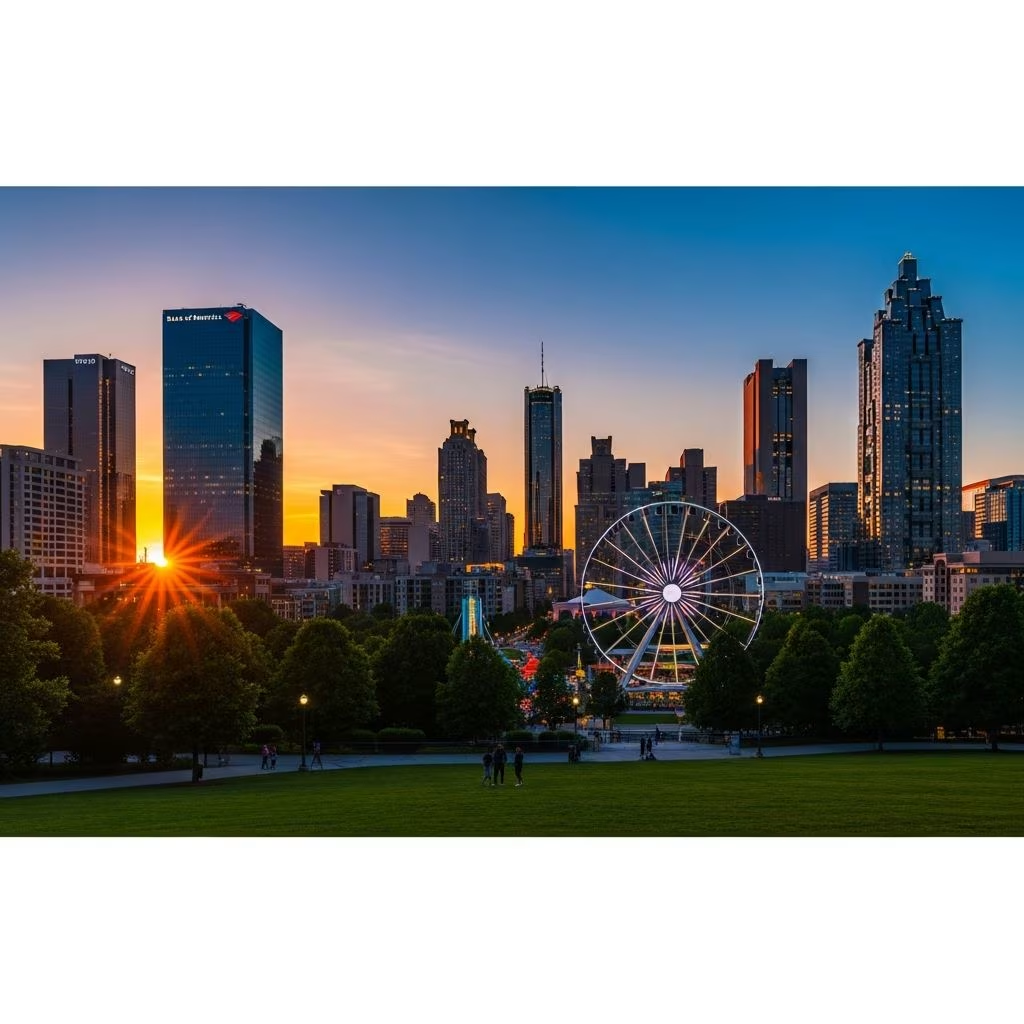
| SkyView Atlanta | All ages | Observation wheel, panoramic city views |
| Centre for Puppetry Arts | Theater enthusiasts, families | Puppet performances, workshops, collections |
The Fernbank Museum particularly excels as a family destination, combining free parking with extensive indoor and outdoor amenities. The NatureQuest playground, larger-than-life dinosaur exhibits, and IMAX cinema create varied entertainment within one location. The adjacent 65-acre Fernbank Forest offers hiking trails through old-growth woodland, while pathways connecting the forest and museum feature climbing structures, nature play areas, and water features.
Atlanta’s dining scene extends beyond casual consumption to encompass social experiences integrated within major attractions. Many venues offer adult-oriented programming that combines cultural engagement with food and beverage service.
Museum venues frequently host specialized evening events designed for adult visitors. The Georgia Aquarium schedules “Sips Under the Seas” events pairing aquatic displays with adult beverages. The High Museum presents “Friday Jazz Night” combining artwork exploration with live music performances. The Fernbank Museum offers “Fernbank After Dark” events specifically designed for adult audiences.
The city also features diverse independent dining establishments, speakeasies with period themes, and romantic restaurants suitable for various occasions and visitor preferences.
First-time visitors should prioritize the Georgia Aquarium as a comprehensive introduction to Atlanta’s attractions. The facility’s scale and diverse offerings provide representative experiences of the city’s commitment to world-class attractions. Pairing aquarium visits with botanical garden exploration creates balance between structured attractions and natural environments.
Solo travelers benefit from specialized experiences such as segway tours conducted in smaller groups that encourage neighborhood exploration and social connection with fellow participants. The High Museum’s contemplative spaces and event programming specifically welcome individual visitors.
Couples should investigate regular adult-only programming at major attractions, combining cultural engagement with intimate settings and dining opportunities. The city’s live music venues and specialized evening events accommodate romantic preferences.
Families with children find the Fernbank Museum particularly well-suited to varied age ranges, with specialized children’s programming, interactive play areas, and educational components. The concentration of family attractions near Centennial Olympic Park simplifies logistics for visitors with younger members.
The Georgia Aquarium consistently receives recommendations for initial visits, combining world-class marine life exhibits with interactive programming and unmatched facility scale.
The Martin Luther King Jr. National Historical Park provides completely free access to visitors interested in civil rights history. Numerous other venues offer periodic free admission hours or reduced rates during specific times.
A minimum three-day visit allows exploration of major attractions without excessive rushing. Longer visits enable deeper engagement with specialized venues and neighborhood discovery.
Centennial Olympic Park serves as the primary downtown attraction hub, while surrounding neighborhoods offer complementary shopping, dining, and entertainment options.
Atlanta’s attractions operate year-round, though seasonal variations affect programming and visitor experiences. Spring and fall weather typically provides optimal conditions for outdoor activities and garden exploration. Winter months bring special holiday programming and festive decorations throughout downtown. Summer accommodates extended visiting hours at many venues, though heat intensity may discourage prolonged outdoor exploration.
Visitors should consult official tourism resources and attraction websites for current hours, admission pricing, and any special events coinciding with their travel dates.
Atlanta’s diverse attractions and recreational opportunities accommodate virtually every visitor preference and interest level. Whether seeking cultural enrichment, natural beauty, historical understanding, or entertainment, the city provides comprehensive options within an urban setting that remains navigable and welcoming. Strategic planning combining major attractions with neighborhood exploration and local dining creates memorable experiences that extend beyond typical tourist itineraries.
