

 Travel Essentials
 Travel Essentials

A comprehensive guide to Bavaria's top attractions including Neuschwanstein Castle, Munich's cultural sites, alpine peaks, medieval towns, and scenic lakes.
 Travel Essentials
Bavaria stands as one of Europe’s most captivating destinations, offering an extraordinary blend of architectural splendor, natural beauty, and rich cultural heritage. This sprawling region in southeastern Germany presents visitors with an impressive array of experiences, from world-renowned castles perched dramatically on mountainsides to charming medieval towns with centuries of history etched into their cobblestone streets. Whether you’re seeking the thrill of Alpine peaks, the tranquility of crystalline lakes, or the vibrant energy of cosmopolitan cities, Bavaria delivers unforgettable moments at every turn.
Bavaria’s castle landscape represents some of Europe’s most impressive architectural achievements. These structures tell stories of royalty, ambition, and artistic vision that continue to captivate millions of visitors each year.
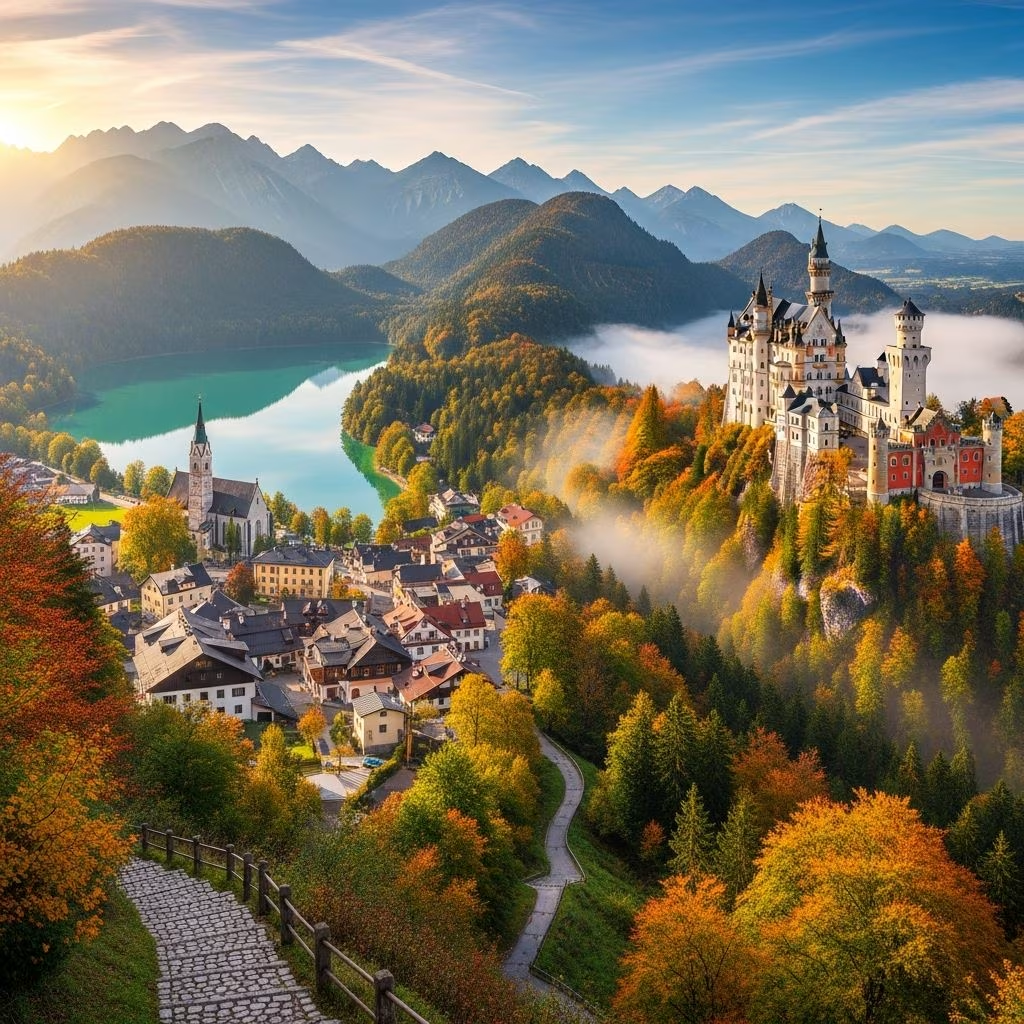
Rising majestically from a rugged hilltop surrounded by Alpine peaks, Neuschwanstein Castle stands as Bavaria’s most recognizable landmark. This 19th-century palace, constructed during the reign of King Ludwig II, inspired the iconic Cinderella Castle at Walt Disney’s theme parks. The castle’s romantic architecture combines Neo-Gothic and Romanesque styles, creating an ethereal quality that seems pulled directly from fairy tales. Visitors can explore ornate chambers decorated with scenes from Germanic legends and medieval sagas. The surrounding landscape offers several vantage points for photography, with Marienbrücke bridge providing the most celebrated perspective of the castle framed against mountain vistas.
Beyond Neuschwanstein, Bavaria hosts numerous palatial estates. Linderhof Castle offers intimate insight into Ludwig II’s personal taste, featuring lavish interiors and meticulously maintained gardens. This smaller scale palace showcases the king’s fascination with French Baroque design and ornate decoration. The castle grounds include grottoes and fountains that demonstrate the technical sophistication of 19th-century engineering.
Munich, Bavaria’s capital city, functions as both a historical repository and contemporary cultural powerhouse. Marienplatz, the city’s central square, hosts the striking Neogothic City Hall (Rathaus) featuring the famous mechanical clock—the Rathaus-Glockenspiel. This remarkable timepiece displays animated figurines reenacting historical events from Munich’s past, with performances occurring multiple times daily. The square’s architectural ensemble creates an impressive backdrop for exploring the city’s medieval origins.
Beyond the main plaza, Munich rewards explorers with world-class museums, including the Deutsches Museum, which houses extensive collections spanning science, technology, and natural history. The Asamkirche presents stunning Baroque interior design, while St. Peter’s Church (Alter Peter) offers panoramic city views from its tower.
Nuremberg (Nürnberg), Bavaria’s second-largest city, preserves remarkable medieval character through its well-maintained old town and historic fortifications. The Kaiserburg imperial castle dominates the skyline, featuring defensive structures and palatial chambers that reveal centuries of power dynamics. The city’s cobblestone streets wind past colorful facades of centuries-old buildings, while the famous sausage kitchen has served traditional Nuremberg sausages for nearly 900 years. During the festive season, the Christmas markets attract visitors from across Europe seeking holiday traditions and authentic Bavarian crafts.
Standing at nearly 10,000 feet, Zugspitze claims distinction as Germany’s highest mountain and serves as both a winter ski destination and summer hiking destination. The mountain’s accessibility via cable car makes it manageable for visitors without mountaineering experience, though the panoramic Alpine vistas reward those undertaking the challenging hiking routes. Clear days provide visibility extending across multiple countries, with the vista encompassing the Bavarian landscape in its full splendor.
Königssee (King’s Lake) represents Bavaria’s most visually striking lake, its crystalline blue waters reflecting jagged mountain peaks and alpine meadows. Located within Berchtesgaden National Park, the lake provides opportunities for boat cruises and hiking adventures. The pilgrimage church of St. Bartholomä, accessible by boat, ranks among the world’s most photographed ecclesiastical sites.
Eibsee, positioned near Garmisch-Partenkirchen at nearly 1,000 meters elevation, offers serene alpine scenery with transparent waters reflecting Zugspitze’s slopes. Starnberger See, located just outside Munich, provides recreational opportunities while bearing historical significance as the final resting place of King Ludwig II.
Rothenburg ob der Tauber epitomizes the perfectly preserved medieval settlement, with its complete fortification walls, narrow lanes, and timber-framed architecture creating an immersive historical experience. The town’s well-maintained defenses and traditional buildings transport visitors back several centuries, while local artisans maintain craft traditions through working studios open to the public.
Regensburg distinguishes itself through artistic decorative elements adorning its medieval structures. Murals, ornate clock towers, wrought-iron signs, and colorful facades enhance the town’s visual appeal. St. Peter’s Cathedral showcases masterful Gothic architecture, while Germany’s oldest stone vaulted bridge spans the Danube River. The Old Town Hall contains a historically significant torture chamber, providing sobering reminders of medieval justice systems.
Oberammergau centers its identity around traditional Bavarian wood carving and distinctive building decoration. Centuries-old structures display intricate frescoes painted directly onto facades, creating an open-air gallery of regional artistry. The town gains prominence through the Passion Play, a theatrical production held every decade since 1634, dramatizing the final days of Jesus with elaborate staging and extensive community participation.
The Romantic Road (Romantische Straße) traverses northern Bavaria, connecting charming towns and countryside landscapes in a journey spanning approximately 350 kilometers. This route provides an ideal framework for leisurely exploration, connecting medieval settlements, castle viewpoints, and rural Bavarian villages. Würzburg, positioned along this route, features Würzburg Castle, the Marienberg Fortress, and a vibrant old town centered on picturesque squares and historic churches. The city serves as either a starting or concluding point for Romantic Road journeys.
Bayern’s diverse terrain supports multiple outdoor pursuits. Breitbachklamm gorge, located near Garmisch-Partenkirchen, provides hiking through dramatic canyon scenery with rushing water and cascading falls. The approximately 2.5-kilometer route requires sturdy footwear and moderate fitness but rewards participants with stunning photographic opportunities.
The Wieskirche (Pilgrimage Church of Wies), situated amid green meadows and forested hillsides near Steingaden, demonstrates Baroque architectural virtuosity. The church’s elaborate interior decoration and isolated pastoral setting create a spiritually significant destination. Ettal Abbey combines monastic history with impressive architectural design, serving as both an active religious community and tourist destination.
| Season | Best Activities | Weather Conditions |
|---|---|---|
| Spring | Alpine hiking, castle touring, town exploration | Mild temperatures, occasional rain |
| Summer | Mountain climbing, lake activities, outdoor festivals | Warm days, cool alpine evenings |
| Autumn | Hiking, scenic drives, regional festivals | Crisp air, stunning foliage colors |
| Winter | Skiing, Christmas markets, holiday festivities | Cold temperatures, occasional snow |
Bavaria’s festive traditions peak during specific seasons. The famous Oktoberfest in Munich celebrates Bavarian beer culture, music, and traditions with international crowds. Christmas markets throughout the region, particularly in Nuremberg, offer holiday shopping, traditional foods, and festive atmosphere during November and December.
Bavaria’s well-developed transportation network facilitates visitor movement across the region. Regional trains connect major cities and towns efficiently, making day trips from Munich to mountain areas like Garmisch-Partenkirchen accessible. The Munich airport serves as the primary international entry point, with rail connections extending throughout the state. Local buses and cable cars provide access to high-altitude attractions like Zugspitze and mountain viewpoints.
A typical Bavaria visit might span 5-7 days, beginning in Munich for cultural immersion, progressing to Neuschwanstein Castle and surrounding Alpine attractions, and concluding with medieval town exploration. Alternatively, a focused Alpine adventure prioritizes mountain peaks, crystal lakes, and outdoor activities. History enthusiasts might concentrate on castle tours, medieval towns, and religious architectural sites.
Summer months (June-August) provide optimal weather for Alpine hiking and outdoor exploration, while autumn offers spectacular foliage and comfortable temperatures. Winter attracts ski enthusiasts and Christmas market visitors. Spring presents mild conditions ideal for castle touring and town exploration before peak summer crowds.
A minimum 3-4 day visit covers major attractions around Munich and Neuschwanstein Castle. A comprehensive 7-10 day itinerary accommodates multiple towns, Alpine experiences, and relaxation without excessive travel fatigue.
Yes, Bavaria’s excellent regional train network connects principal cities and most significant attractions. Cable cars provide mountain access, and local buses extend to smaller settlements. However, renting a vehicle offers greater flexibility for exploring remote villages and scenic routes.
Neuschwanstein Castle ranks as the essential must-see destination. Linderhof Castle provides insight into Ludwig II’s personal preferences. Combining a castle visit with Munich’s cultural attractions creates a balanced introduction to Bavarian highlights.
Yes, Neuschwanstein Castle tours require advance booking, particularly during peak summer season. Popular restaurants and accommodations benefit from reservation confirmation. Christmas markets and seasonal festivals attract substantial crowds, warranting early planning.
