

 Travel Essentials
 Travel Essentials

Explore Benin's vibrant markets, sacred traditions, wildlife reserves, and coastal retreats. Your complete guide to unforgettable West African adventures.
 Travel Essentials
Benin remains one of West Africa’s most captivating yet underexplored destinations, offering travelers an authentic blend of vibrant culture, spiritual heritage, and natural beauty. This small nation along the Gulf of Guinea presents a remarkable journey through history, tradition, and contemporary African life. Whether you seek adventure in wildlife reserves, spiritual enlightenment through cultural exploration, or simple relaxation on pristine beaches, Benin delivers experiences that resonate long after your visit concludes.
Cotonou, Benin’s largest and most dynamic city, serves as the primary gateway for most travelers and embodies the vibrant commercial spirit of West Africa. The city pulses with energy, particularly within its renowned shopping districts where commerce and culture intertwine seamlessly.
The Grand Marché du Dantokpa stands as one of West Africa’s most expansive open-air markets, presenting an overwhelming sensory experience that captures the essence of Beninese daily life. This sprawling bazaar contains countless stalls overflowing with merchandise ranging from fresh seafood and traditional spices to handmade soap and colorful textiles. The market’s northern section, known as the Vodou Fetish Market, holds particular significance as the place where practitioners of traditional Vodou religion purchase supplies for their spiritual rituals, offering visitors insight into this often-misunderstood religious practice.
For those seeking more refined craftsmanship, the Artisanal Center provides an organized alternative where local artisans display and sell high-quality handicrafts ideal for souvenirs. This venue allows for more comfortable browsing compared to the market’s chaotic energy while still supporting traditional craftspeople.
Located merely 33 kilometers from Cotonou, Ganvié represents perhaps Benin’s most distinctive attraction and has earned the romantic designation as the “Venice of Africa.” This remarkable settlement exists entirely on the waters of Lake Nokoué, with approximately 20,000 residents living in wooden houses built on stilts, creating an otherworldly landscape that challenges conventional notions of habitation.
The community developed historically as a sanctuary for people seeking refuge from slave raids and warfare in inland regions. Rather than abandoning the water upon achieving safety, the residents adapted their lifestyle to embrace aquatic living, developing sophisticated boat-based commerce and culture that persists today. The village’s population now sustains itself primarily through fishing and tourism-related activities, with visitors exploring the waterways via traditional pirogue boats.
Beyond its cultural fascination, Ganvié occupies an ecological treasure, as Lake Nokoué spans 16,000 hectares and hosts diverse bird populations including African openbills and white-crested herons, making it exceptional for ornithology enthusiasts. The contrast between the vibrant human settlement and surrounding natural environment creates a uniquely compelling travel experience.
| Experience | Details | Duration |
|---|---|---|
| Boat Tour | Navigate waterways among stilt houses and observe daily life | 2-3 hours |
| Fishing Demonstration | Watch locals use traditional methods in the shallow waters | 1-2 hours |
| School Visit | Meet students in floating classrooms | 30-45 minutes |
| Bird Watching | Spot herons and other species in Lake Nokoué | 2-4 hours |
For wildlife enthusiasts, Pendjari National Park offers an exhilarating safari experience in one of West Africa’s most important ecological reserves. Located in northern Benin near the Burkina Faso border, this expansive protected area encompasses diverse habitats supporting impressive populations of large mammals and bird species.
The park protects significant populations of elephants, buffalo, antelope species, and numerous carnivores within its vast landscapes. Professional guides lead visitors through designated routes, maximizing opportunities to observe wildlife in their natural habitat while maintaining safety protocols. The experience provides contrast to coastal and urban areas, demonstrating Benin’s ecological diversity and commitment to conservation.
Ouidah, situated along the coast approximately 40 kilometers from Cotonou, functions as Benin’s spiritual epicenter and carries profound historical significance. The city earned recognition as the birthplace of Vodou religion, attracting spiritual seekers and cultural researchers from around the world.
The Temple of Pythons stands as Ouidah’s most distinctive landmark, where approximately 60 giant royal snakes inhabit a sacred space between traditional Vodou rituals and spiritual ceremonies. Visitors can observe these revered serpents and learn about their spiritual significance in Vodou belief systems. The temple offers a respectful introduction to religious practices often sensationalized in popular Western media.
The Route des Esclaves (Slave Route) presents a more somber but essential historical journey through Ouidah’s painful past. This path traces the tragic trajectory of enslaved persons from marketplace sale through the Door of No Return, a monumental gateway symbolizing the final departure of millions forced into the transatlantic slave trade. Walking this route provides powerful historical perspective and honors those lost to this devastating chapter of human history.
The city hosts several museums dedicated to preserving and interpreting Beninese heritage. The Musée de la Fondation Zinsou showcases contemporary African art from regional and international artists, while the Musée d’Histoire de Ouidah documents the city’s colonial history and cultural evolution.
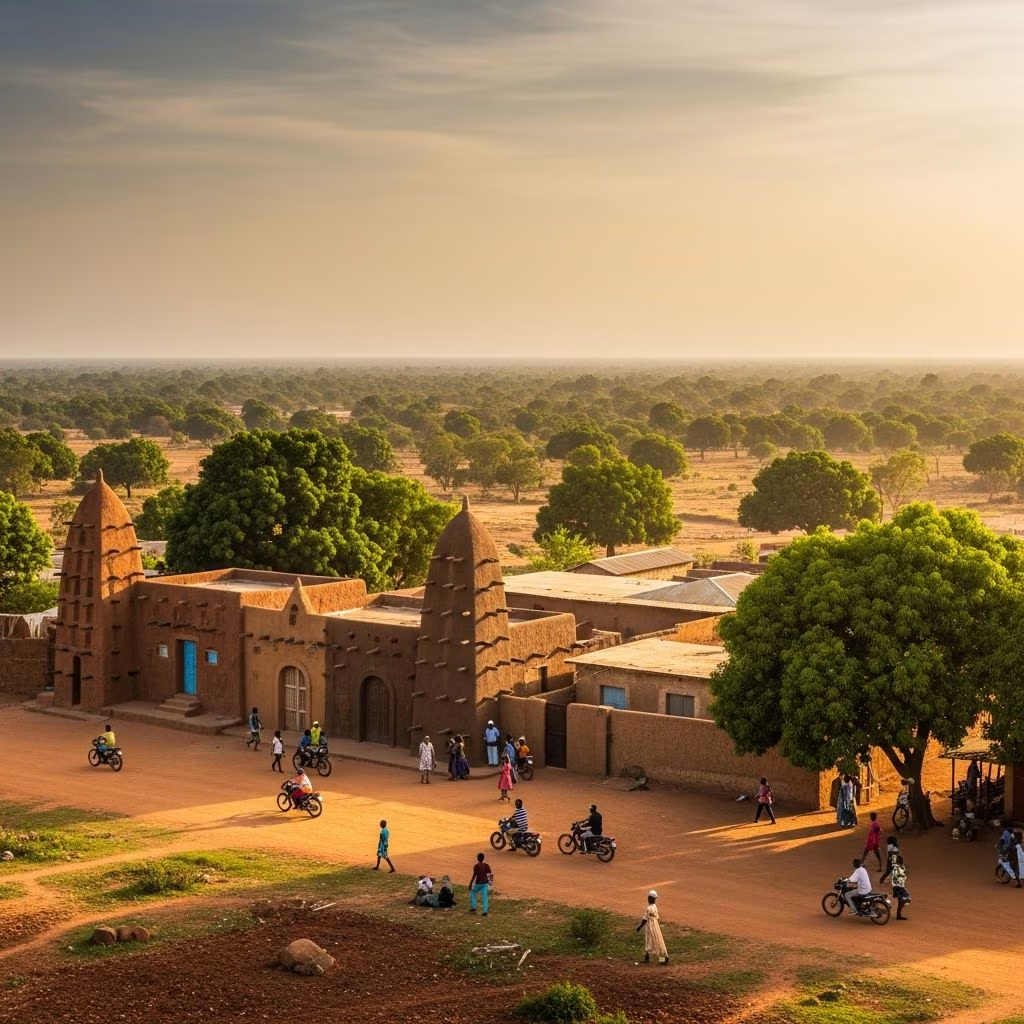
Northern Benin’s Tata Somba area presents one of West Africa’s most distinctive architectural and cultural landscapes, featuring unique two-story mud houses that represent centuries-old building traditions. These structures reflect sophisticated understanding of climate adaptation and community organization among the Somba people.
The architectural heritage extends beyond aesthetic interest, representing a complete cultural system encompassing family organization, agricultural practice, and spiritual belief. Visitors exploring this region gain insight into traditional West African lifestyle systems largely unchanged for generations, offering perspective on cultural diversity and resilience across the continent.
The Abomey Palaces constitute a UNESCO World Heritage Site preserving the architectural and historical legacy of Benin’s former kingdom. These royal residences showcase impressive construction techniques and contain valuable artifacts documenting pre-colonial African governance systems, military organization, and artistic achievement.
The palaces provide crucial context for understanding West African history beyond colonial narratives, demonstrating sophisticated political structures and cultural sophistication predating European contact. Guided tours through these structures illuminate the complexity of historical African societies and their enduring contributions to human civilization.
Grand-Popo, situated on a barrier island bordering Togo in southwestern Benin, offers a welcome counterpoint to the intensity of cultural activities and urban exploration. This secluded beach destination maintains a decidedly local character, resisting the commercialization that transforms many African coastal areas.
The village centers around Bouche du Roy, where the Mono River meets the Atlantic Ocean, creating a scenic convergence point ideal for contemplation and photography. The beachfront institution Villa Karo celebrates the cultural synthesis of West African and Finnish influences, offering unique dining and hospitality experiences reflecting the cosmopolitan nature of contemporary travel.
For visitors seeking cultural immersion within this coastal setting, Lac Ahémé nearby showcases traditional salt collection methods and sustainable agricultural practices that have sustained local communities for generations. The contrast between these time-honored practices and modern beach resort culture encapsulates Benin’s ongoing negotiation between tradition and contemporary development.
Beyond the coastal and urban attractions, Benin’s interior contains sacred sites carrying deep spiritual and cultural significance for local populations. Mountains and elevated sites across the country serve as pilgrimage destinations and sites of traditional ceremonies, offering visitors opportunities to engage with living spiritual practices rather than historical relics.
Hiking these sacred landscapes with local guides provides both physical activity and cultural education, as guides share stories and insights about the mountains’ religious importance and community significance. This authentic engagement transcends typical tourist activities, creating meaningful cross-cultural exchange and deeper travel experiences.
The optimal travel period spans from November through February when temperatures remain moderate and rainfall decreases. This window provides comfortable conditions for exploring markets, conducting safaris, and navigating between destinations. The dry season’s relative comfort makes extended activities more enjoyable compared to the hot, humid months of March through October.
Benin’s road network varies considerably between regions, with primary routes generally well-maintained while secondary roads may present challenges during rainy seasons. Bush taxis provide affordable transportation between cities but require patience and flexibility regarding departure times. L’étoile Rouge, a prominent red-star monument in central Cotonou, functions as a major taxi hub connecting various regions.
Benin maintains a relatively stable security environment compared to some West African nations. Exercise standard travel precautions including avoiding displays of wealth, traveling in groups during evening hours, and heeding local advice regarding specific areas. Most tourist areas accommodate visitors safely when reasonable care is exercised.
The West African CFA franc serves as Benin’s official currency. While major cities and established tourism businesses accept credit cards, rural areas and markets operate primarily on cash transactions. Carry sufficient local currency for daily expenses and smaller transactions.
Consult health professionals regarding vaccinations appropriate for West African travel. Yellow fever protection is frequently recommended, and malaria prophylaxis proves prudent depending on travel season and specific destinations within the country.
A meaningful trip spans 7-10 days, allowing time to experience Cotonou’s markets, visit Ganvié and Ouidah, explore inland cultural sites, and enjoy coastal relaxation. Travelers with extended schedules can add safari experiences and sacred site visits to their itineraries.
Visa requirements depend on your nationality. Many countries’ citizens can obtain visas upon arrival or through e-visa systems. Consult your nearest Beninese diplomatic mission for specific requirements well before travel.
Benin presents travelers with an authentic West African experience combining spiritual exploration, historical reflection, natural wonder, and genuine cultural engagement. Unlike more heavily touristed African destinations, Benin retains a quality of discovery and local authenticity that creates meaningful travel memories. The country’s compact size facilitates efficient travel between diverse experiences, allowing visitors to sample multiple facets of West African culture within a single trip. From Cotonou’s energetic markets through Ganvié’s remarkable waterscapes to Ouidah’s spiritual depths and the Pendjari’s wildlife spectacles, Benin offers comprehensive African experiences that satisfy diverse travel interests and expectations.
