

 Travel Essentials
 Travel Essentials

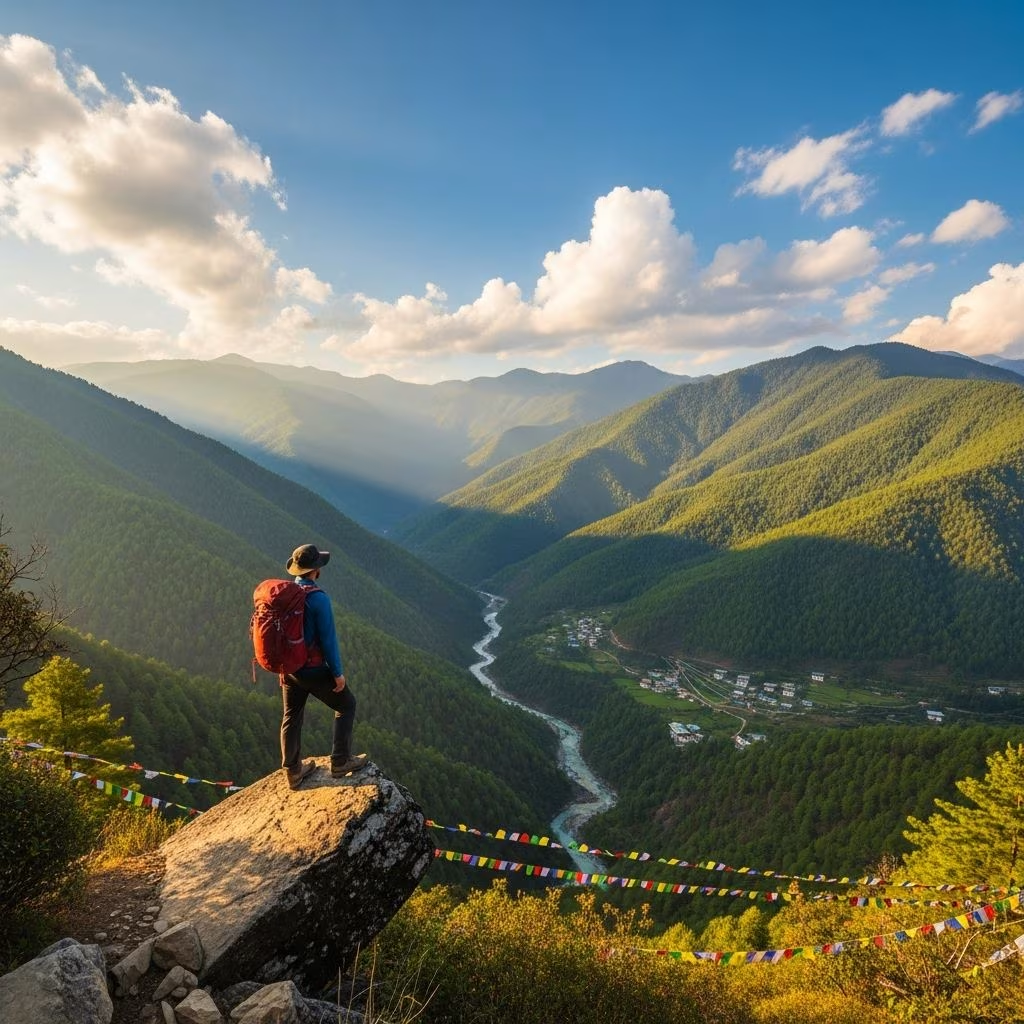
Explore top Bhutan experiences: trek to Tiger's Nest, wander majestic dzongs, savor unique cuisine, and immerse in festivals amid stunning landscapes.
 Travel Essentials
Bhutan, the Land of the Thunder Dragon, captivates with its blend of spiritual depth, pristine nature, and preserved traditions. Nestled in the eastern Himalayas, this carbon-negative kingdom prioritizes Gross National Happiness over GDP, offering travelers profound experiences beyond typical tourism. From cliffside monasteries to glacial treks, every corner reveals a story of devotion and resilience.
The pilgrimage to Paro Taktsang, famously called the Tiger’s Nest, stands as Bhutan’s crown jewel. Perched 900 meters above the Paro Valley at 3,120 meters elevation, this 17th-century complex clings to a sheer granite cliff, embodying Guru Rinpoche’s legendary flight on a tigress in the 8th century.
The 2-3 hour ascent winds through cool pine forests scented with incense, past fluttering prayer flags and cascading waterfalls. Steep stone steps challenge the unfit, but rest cafes offer tea and momos. At the top, four temples and caves invite quiet meditation amid golden stupas and ancient murals depicting Buddhist cosmology.
This hike transcends physical effort, fostering a sense of arrival at a divine threshold.
Dzongs, Bhutan’s iconic fortress-monasteries, fuse administrative hubs with spiritual sanctuaries, built without nails using rammed earth and wood. Punakha Dzong, the ‘Palace of Great Bliss,’ mesmerizes at the Pho Chhu and Mo Chhu rivers’ confluence, its white walls and golden roofs framed by jacaranda blooms in spring. Constructed in 1637, it hosted royal weddings and winter monk assemblies.
In Thimphu, Tashichho Dzong gleams with ornate courtyards where government offices blend with prayer halls echoing chants. Paro Rinpung Dzong overlooks the airport runway, its massive doors guarding treasures like ancient thangkas.
| Dzong | Location | Highlight |
|---|---|---|
| Punakha | Punakha Valley | Riverside setting; monk dances during tshechu |
| Tashichho | Thimphu | King’s throne hall; summer monastic seat |
| Rinpung | Paro | Courtyard murals; festival masked dances |
These living museums pulse with daily rituals—monks in crimson robes circumambulating courtyards—offering glimpses into Bhutan’s dual heritage.
Tshechus, annual Buddhist festivals, transform valleys into vibrant spectacles of masked dances, music, and devotion. Aligned with the lunar calendar, Paro Tshechu (spring) unveils the massive Thongdrel tapestry at dawn, its blessings believed to erase sins. Dancers in brocade costumes portray deities battling demons atop the dzong’s courtyard, drawing pilgrims and locals alike.
Thimphu Tshechu (fall) features Atsaras—clown-like sages—mocking vices amid thunderous drums. Punakha’s version showcases regional flavors with sword dances. Attending one synchronizes visitors with Bhutan’s communal heartbeat.
These events underscore Bhutan’s living faith, far from museums.
Bhutan’s trails traverse untouched realms, from gentle valley walks to epic expeditions. The Jhomolhari Base Camp trek (7 days) culminates at Jangothang (4,115m), gazing at sacred 7,314m Jhomolhari peak and ruined fort amid yak herders. Phobjikha Valley’s Gangtey trails meander through blue pines to Gangteng Gompa, black-necked cranes’ winter haven (Oct-Mar).
Longer Snowman Trek (25 days) crosses 5,000m passes into Lunana’s glacial lakes, demanding fitness and permits. Community homestays en route blend adventure with homespun hospitality.
Novices start with Dochula Pass hikes, 108 chortens honoring soldiers amid rhododendron blooms[10].
Bhutanese cuisine balances fiery chilies—national vegetable—with nutty red rice and ema datshi, molten cheese-chili stew. Ema datshi fuels trekkers; try hoentoe (buckwheat dumplings) in highlands or shakam pa (pork-belly curry).
Markets brim with datura wine, ara (rice liquor), and suja (butter tea). Farmhouse stays reveal fermentation arts, pairing meals with valley views. Vegetarian options abound, rooted in Buddhist non-violence.
Bhutan’s capital buzzes without skyscrapers, blending craft bazaars, the giant 51m Buddha Dordenma overlooking from Kuensel Phodrang, and Folk Heritage Museum’s thatched homesteads. Weekend markets hawk organic produce; Memorial Chorten swirls with prostrating elders[10].
Cross the capital’s longest suspension bridge for river panoramas.
Phobjikha’s wetlands host endangered black-necked cranes; Gangtey trails reveal their graceful dances. Royal Manas National Park shelters tigers, elephants, and golden langurs via guided safaris[10]. Bumthang’s Ura Valley offers serene temples amid buckwheat fields[10].
All visitors need a Sustainable Development Fee ($100/day, 2023 rates) covering guides, permits, and eco levies. Fly into Paro Airport’s dramatic runway. Itineraries span 7-14 days: Days 1-2 Thimphu, 3-4 Punakha/Pho Chhu, 5-6 Phobjikha, 7 Paro/Taktsang.
Pack layers for 20°C valleys to sub-zero peaks; altitude meds advised. Guides mandatory, enhancing cultural insights.
March-May (festivals, blooms) or Sep-Nov (clear skies, cranes). Monsoons (Jun-Aug) lush but rainy.
Moderate; 600m elevation gain. Horses available; fits most with breaks.
Visa on arrival for most via approved operators; fee-inclusive.
No; licensed guides required for safety and permits.
Yes; ema datshi staples meat-free versions.
